















UK vs EU iGaming Financial Regulations
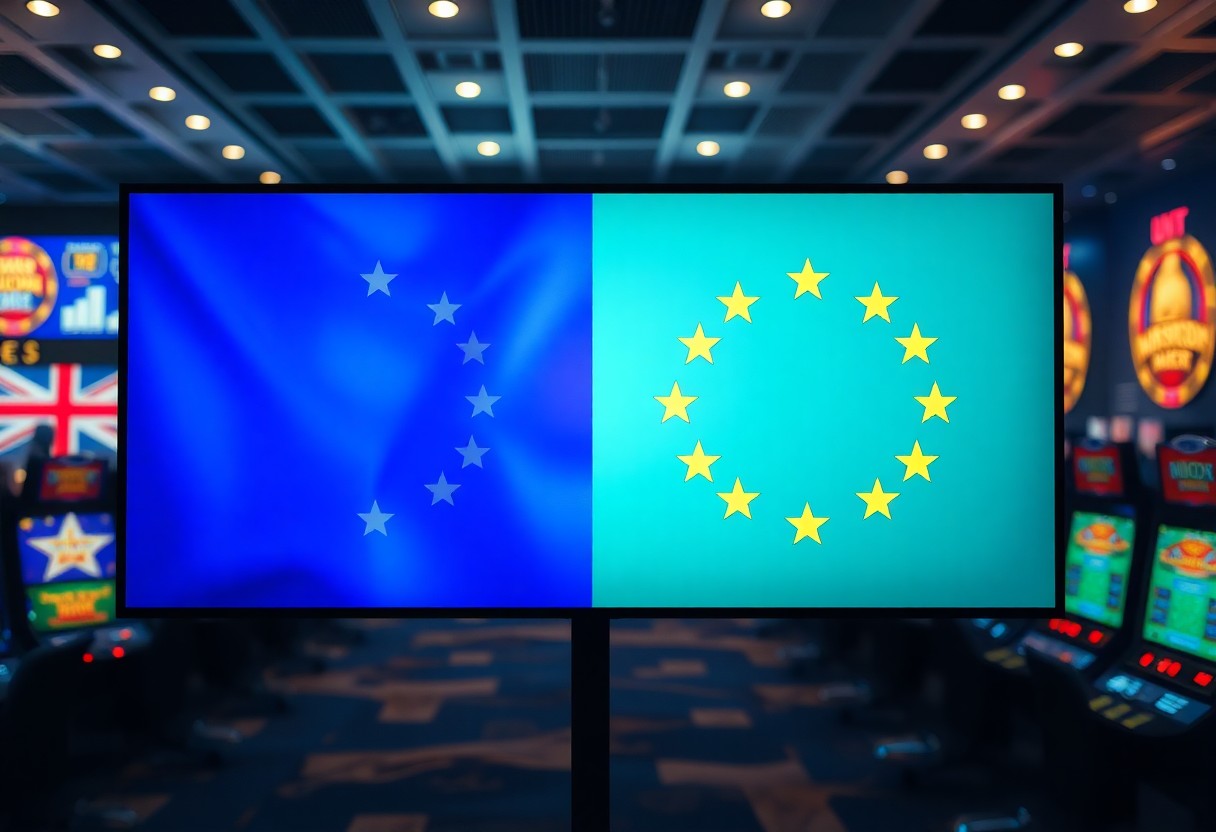
UK-EU financial regulations in the iGaming sector reveal significant differences that impact operators and players alike. The UK, having established its own regulatory framework post-Brexit, emphasizes stringent licensing requirements and consumer protection measures. In contrast, the EU offers a more fragmented approach, with individual member states imposing their own rules on online gambling. This blog post explores the distinct regulatory landscapes, highlighting the implications for compliance, taxation, and market access in both regions.
Overview of iGaming Financial Regulations
For companies operating in the iGaming sector, financial regulations play a vital role in ensuring compliance and fostering a sustainable business environment. These regulations differ significantly between the UK and the EU, reflecting diverse approaches to control, consumer protection, and taxation. Understanding these differences is necessary for operators, players, and stakeholders to navigate the complex landscape of iGaming and its financial implications.
Definition of iGaming
For the purposes of clarity, iGaming refers to the online gaming and betting industry, which includes activities such as online casinos, sports betting, poker, and other interactive gaming platforms. This sector has rapidly evolved with advancements in technology, leading to increased accessibility and participation worldwide. As the industry grows, so does the need for robust regulatory frameworks to ensure fair play and protect consumers.





















Importance of Financial Regulations
Definition of financial regulations in the iGaming industry encompasses the rules and guidelines set by governing authorities aimed at overseeing operation standards, financial practices, and consumer protections. These regulations establish the necessary framework for promoting transparency and accountability among operators.
Financial regulations serve to maintain the integrity of the iGaming industry by preventing fraud, money laundering, and other financial crimes. They ensure that operators adhere to responsible gambling practices, protect consumer interests, and contribute tax revenues that benefit the economy. Additionally, robust financial regulations foster trust among players, encouraging a competitive and sustainable market that benefits both consumers and businesses.
Regulatory Bodies in the UK
Even in the world of iGaming, the UK stands out for its robust regulatory framework. The UK Gambling Commission serves as the principal authority overseeing online gaming operations, ensuring they operate fairly and transparently. The Commission plays a pivotal role in protecting consumers while promoting responsible gaming, thereby fostering trust in the industry.
UK Gambling Commission
Above all, the UK Gambling Commission regulates all forms of gambling in the United Kingdom, including online gaming. Established under the Gambling Act 2005, it issues licenses, monitors compliance, and enforces regulations to ensure that operators maintain high standards. The Commission also addresses issues like problem gambling and underage access, emphasizing player protection as a priority.
Key Regulations and Compliance Requirements
Below are several key regulations and compliance requirements that iGaming operators in the UK must adhere to. These include obtaining a license from the UK Gambling Commission, ensuring fair play, and implementing measures for responsible gambling. Operators are also required to conduct regular audits and submit annual reports, maintaining high levels of accountability.
Considering the complexities of the iGaming landscape, operators must navigate several compliance requirements, such as adhering to the Remote Gambling and Software Technical Standards. They also need to implement rigorous Know Your Customer (KYC) procedures, which help prevent fraud and identity theft. Additionally, operators must promote responsible gaming through tools that allow players to set limits on their spending, reinforcing the industry's commitment to safeguarding players and ensuring fair play.
Regulatory Bodies in the EU
Some of the most prominent regulatory bodies in the European Union oversee the iGaming sector, ensuring compliance with various financial regulations. Each member state establishes its own regulatory framework, which leads to a diversified approach to licensing, taxation, and operational standards across the region. Key organizations, including the Malta Gaming Authority and the UK Gambling Commission (the latter being more pertinent to the UK), set the legal groundwork that operators must adhere to in order to promote fair play and responsible gambling practices.
European Gaming and Betting Association
Across the EU, the European Gaming and Betting Association (EGBA) plays a pivotal role in advocating for the interests of licensed online gambling operators. Established to promote a harmonized regulatory environment, the EGBA engages with policymakers, supporting responsible gambling practices and consumer protection. It works to enhance the transparency and integrity of the iGaming industry, promoting a competitive marketplace while ensuring operators follow stringent guidelines across member states.
Regional Variations in Regulation
At the same time, regional variations in regulation exist across the EU, reflecting the diverse legal, cultural, and economic landscapes of each member state. This fragmentation can lead to differences in licensing requirements, taxation policies, and operational standards, making it important for operators to navigate the unique regulatory landscapes of the countries in which they operate.
Indeed, regional variations can create both challenges and opportunities for iGaming operators. Depending on the jurisdiction, some countries may offer more favorable conditions, such as lower tax rates or a simpler licensing process, potentially attracting more operators to those markets. Conversely, stricter regulations in other regions may deter new entrants or necessitate additional compliance efforts. Understanding these regional nuances is vital for businesses aiming to succeed in a competitive and evolving European gambling landscape.
Taxation Policies on iGaming
Your understanding of taxation policies is vital for navigating the complex landscape of iGaming in both the UK and EU. The financial frameworks governing iGaming differ significantly, impacting operators and consumers alike. This chapter will probe into the distinct tax regulations shaping these markets, highlighting the operational burdens faced by businesses and the implications for players.
UK Tax Framework
One of the defining features of the UK tax framework for iGaming is its relatively high rate of taxation, which includes a 21% Remote Gambling Duty on profits. This framework also imposes additional taxes, such as the Point of Consumption Tax, aimed at ensuring that all gambling activities conducted with UK players are taxed appropriately, regardless of the operator's location.
EU Member States' Tax Approaches
About the EU, individual member states adopt varying tax structures for iGaming, leading to a fragmented regulatory environment. While some countries implement low tax rates to attract operators, others maintain higher taxes, reflecting diverse policy goals and market strategies.
Even within the EU, the approaches to iGaming taxation can significantly differ, with countries like Malta offering competitive rates to lure operators, while others like Germany impose strict regulations and higher taxes. This disparity often pushes operators to seek jurisdictions with favorable tax conditions, influencing the overall iGaming market dynamics across Europe.
Player Protection and Consumer Rights
After the implementation of strict regulations, player protection and consumer rights have emerged as pivotal aspects of both the UK and EU iGaming sectors. Ensuring consumer safety is a priority, with various measures in place to safeguard players against fraud, gambling addiction, and unfair practices. These regulatory frameworks are designed to promote transparency, encourage responsible gambling, and create a safe betting environment for players across the regions.
UK Standards for Player Protection
After the UK Gambling Commission established itself as a leading authority, comprehensive standards were introduced to enhance player protection. This includes mandatory self-exclusion tools, robust age verification processes, and guidelines promoting responsible gambling practices. Operators are required to implement effective measures to mitigate risks related to problem gambling and protect vulnerable consumers.
EU Consumer Protection Mechanisms
The EU employs various consumer protection mechanisms tailored to ensure a secure gaming environment. These include regulations on advertising, data privacy, and dispute resolution processes that empower players. Additionally, member states emphasize collaboration to establish consistent standards aimed at enhancing player safety in the digital marketplace.
Further, the EU promotes cooperation among member states to harmonize regulations and ensure effective enforcement. By introducing measures such as the General Data Protection Regulation (GDPR), the EU secures individuals' data while promoting transparency in marketing practices. Additionally, regulations on fair play and dispute resolution provide players with avenues to seek recourse, ensuring a balanced and fair gaming experience across jurisdictions.
Impact of Brexit on iGaming Regulations
To understand the ramifications of Brexit on iGaming regulations, it is vital to recognize the shift in the regulatory landscape as the UK separates from EU frameworks. This departure has resulted in distinct regulatory approaches, creating a divergence between UK laws and EU directives. Operators must navigate new compliance requirements and may face increased operational complexity in an evolving market.
Changes in the UK Regulatory Landscape
Before Brexit, the UK was aligned with EU regulations, facilitating smoother operations for iGaming companies across both regions. Post-Brexit, the UK has the authority to establish its own regulatory framework, which may lead to more stringent or relaxed requirements. This change necessitates that operators reassess their licensing and operational strategies to remain compliant.
Implications for EU Operators
Before Brexit, EU operators benefited from a unified regulatory framework that allowed easier access to the UK market. However, with the UK's new independent regulations, these operators must now consider potential hurdles when engaging with UK consumers. The alteration in licensing and operational requirements may lead to increased costs and administrative burdens.
Consequently, EU operators may find themselves at a disadvantage when attempting to penetrate the UK market, as they are required to navigate separate licensing procedures and compliance regulations. This fragmentation can lead to operational challenges, increased costs, and potential restrictions on product offerings, prompting many operators to rethink their market strategies in light of these new conditions.
Summing up
On the whole, the UK and EU exhibit distinct approaches to iGaming financial regulations, with the UK emphasizing strict compliance and consumer protection through its Gambling Commission, while the EU offers a more fragmented regulatory landscape that varies significantly across member states. The UK's focus on transparency, responsible gaming, and taxation contrasts with the EU's diverse regulatory frameworks, which may prioritize market flexibility. This divergence in oversight reflects each region's unique priorities, impacting how operators navigate the iGaming landscape and the experiences of players within these jurisdictions.
FAQs
What are the key differences between UK and EU financial regulations in iGaming?
The UK has its own regulatory framework post-Brexit, with stricter licensing requirements and consumer protection measures. The EU has a fragmented approach, with each member state implementing its own rules on online gambling.
What role does the UK Gambling Commission play in iGaming?
The UK Gambling Commission is the regulatory authority overseeing online gaming in the UK. It ensures fair play, promotes responsible gaming, and enforces compliance with stringent consumer protection laws.
How do iGaming regulations vary across the EU?
Each EU member state establishes its own iGaming regulations, leading to different standards for licensing, taxation, and operational requirements, making the regulatory environment more fragmented compared to the UK.
Why are financial regulations important in the iGaming sector?
Financial regulations ensure transparency, accountability, and the integrity of the iGaming industry by preventing fraud, money laundering, and protecting consumers through responsible gambling measures.
What are the taxation policies for iGaming in the UK?
The UK imposes a 21% Remote Gambling Duty on profits, along with a Point of Consumption Tax to ensure all gambling activities involving UK players are taxed, regardless of the operator's location.
What consumer protection mechanisms are in place in the UK for iGaming?
The UK enforces mandatory self-exclusion tools, age verification processes, and guidelines for responsible gambling to protect players from addiction and fraud.
How does Brexit affect iGaming regulations?
Post-Brexit, the UK established its own independent regulatory framework, which diverges from the EU's regulations, leading to increased complexity for operators engaging with both markets.
How does the EU handle player protection in iGaming?
The EU emphasizes player protection through regulations on advertising, data privacy, and dispute resolution processes. It also promotes harmonization across member states to enhance consumer safety.
What challenges do EU operators face in the UK post-Brexit?
EU operators must navigate separate licensing and compliance regulations to enter the UK market, leading to increased operational costs and administrative burdens.
What are the benefits and challenges of fragmented iGaming regulations in the EU?
Fragmented regulations allow member states to tailor their frameworks to local needs, potentially attracting more operators with favorable conditions. However, they also create challenges for operators who must adapt to diverse laws in different countries.

Claire
A highly motivated, results-driven, enthusiastic and ambitious writer. I can offer you well researched and high-quality article writing on any topic for your website or blog and can as well re-write your existing web content.
Related Posts



Onlyplay launches Hot Dunk basketball slot with free spins
April 10, 2026



Italy reconsiders gambling ad ban to boost football funding
April 10, 2026