















Weekend Activities and Attractions in Malta
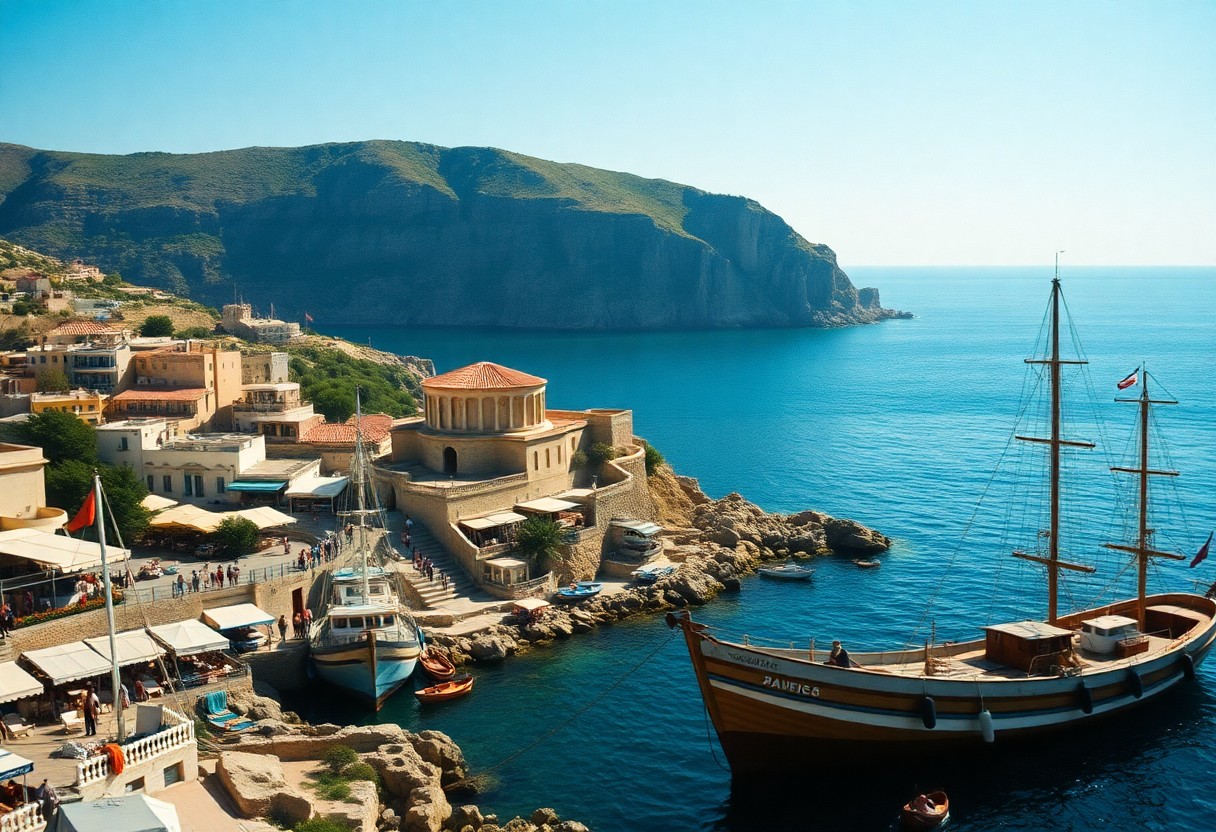
Most travelers are unaware of the rich tapestry of culture and adventure that Malta has to offer. This Mediterranean gem is not just about stunning coastlines; it is also steeped in history, art, and outdoor activities that cater to every type of explorer. In this guide, we will take you through a weekend itinerary that blends ancient sites, vibrant local life, and thrilling adventures, ensuring you make the most of your time on this enchanting island. Discover the perfect balance of relaxation and excitement, all within Malta's breathtaking landscapes.
Understanding Malta's Cultural Heritage
Before you research into the captivating experiences Malta has to offer, it's imperative to understand the rich tapestry of its cultural heritage. This small island nation, nestled in the Mediterranean, boasts an extensive history influenced by various civilizations, from the Phoenicians to the Knights of St. John. Malta's culture is a blend of traditions, languages, and customs that contribute to its unique identity, making it a fascinating destination for adventurers and culture enthusiasts alike.
Historical Landmarks and Archaeological Sites
Little can compare to the sheer abundance of historical landmarks found across Malta. The Megalithic Temples of Ħaġar Qim and Mnajdra stand as testaments to the island's prehistoric residents, showcasing advanced architectural techniques that continue to baffle historians. Additionally, the ancient capital of Mdina, with its narrow winding streets and Baroque buildings, reveals a city interwoven with the tales of Malta's past, providing a striking contrast to the bustling city of Valletta, which is filled with stunning fortifications and historical museums.





















These archaeological sites and landmarks not only highlight Malta's historical significance but also serve as a reminder of the island's strategic importance in the Mediterranean. The rich historical narrative is further enhanced by the myriad of museums, such as the National Museum of Archaeology, which houses a collection of artifacts that illuminate Malta's long and storied past.
Traditional Maltese Customs and Festivals
With a vibrant tapestry of traditions, Maltese customs and festivals offer visitors an opportunity to engage with the island's cultural heartbeat. Each village boasts its own unique feasts dedicated to patron saints, which are celebrated with great fervor, featuring fireworks, religious processions, and traditional music. In addition to these local festivities, events such as the Carnival in Valletta and the Għaxaq Festival showcase the colorful and lively spirit of the Maltese people.
The island's customs are a fascinating amalgamation of influences, evident in various aspects of daily life, cuisine, and art. Traditional practices such as bread-making, the artisanal craft of filigree jewelry, and even the Maltese language itself reflect the heritage and longevity of the island's storytelling traditions. Engaging in these festivals provides a deeper appreciation of Malta's culture, allowing visitors to witness the enduring spirit of its people.
Local Art and Architecture
Clearly, the local art and architecture of Malta tell stories that resonate through time, emphasizing the island's diverse influences and artistic endeavors. The striking limestone buildings, often characterized by intricate baroque details, are interspersed with modern art installations, creating a dynamic juxtaposition that attracts art lovers and historians alike. In Valletta, the famed Auberge de Castille and the stunning St. John's Co-Cathedral are prime examples of the architectural splendor that Malta has to offer.
Understanding the artistic landscape of Malta also involves exploring its vibrant art scene, with numerous galleries and local artists making significant contributions. The National Museum of Fine Arts houses a plethora of local and international artworks, shedding light on the evolution of Maltese art through centuries, from the Renaissance period to contemporary expressions.
Religious Significance and Churches
Festivals in Malta often carry a strong religious significance, underscoring the island's deep-rooted Catholic values. The multitude of churches, each with its own historical narrative, serve as focal points for both spiritual practices and community gatherings. Notable among these is the majestic St. John's Co-Cathedral in Valletta, famous for its opulent Baroque interiors and Caravaggio masterpieces, offering a glimpse into the maritime legacy of the Knights of St. John.
Cultural landmarks such as these embody the island's devotion to religious practices, providing spaces for worship, reflection, and community. The highly attended feasts, which often involve elaborate decorations and rituals, highlight the relationship between Maltese identity and faith, contributing to the continuing cultural significance of these religious sites.
Planning Your Weekend Adventure
You may be wondering how to organize your trip to Malta for the best blend of culture and adventure. With its rich history, stunning landscapes, and vibrant traditions, the island offers ample opportunities for exploration. Proper planning can enhance your experience, enabling you to maximize your time while diving deep into the local culture and thrilling outdoor activities. In this section, we will provide insights on the best times to visit, transportation options, accommodation choices, and budget considerations.
Best Time to Visit
One of the first steps in planning your weekend adventure in Malta is identifying the best time to visit. The island enjoys a Mediterranean climate, which means hot and dry summers paired with mild winters. The summer months from June to September are particularly lively, with numerous festivals and events that showcase Maltese culture. However, these months can also be crowded with tourists. If you prefer a more laid-back atmosphere, consider visiting during the shoulder seasons of spring (April to June) or autumn (September to October) when temperatures are still pleasant and the crowds are fewer.
Another appealing time to visit is during the winter months, particularly around the Christmas season when the island is adorned with festive decorations and holds unique traditions. Keep in mind that weather can be cooler and some tourist attractions may have reduced hours. No matter the time you choose to visit, you will certainly find Malta's charm and culture abundant throughout the year.
Transportation Options
The best way to explore Malta is by utilizing its efficient transportation options. The island has a reliable public bus system that operates across various routes, making it easy to reach popular attractions without the need for a car. Visitors can also opt for taxis, ride-sharing services, or ferry connections that link the main islands, such as Gozo and Comino. Renting a bicycle or scooter is another great way to navigate the island and discover hidden gems at your own pace.
Another option worth considering is renting a car, which can be particularly beneficial if you want to explore more remote areas or travel on your own schedule. Driving in Malta may differ from what you're used to, as it follows a left-hand traffic system. Be sure to familiarize yourself with local traffic rules and parking restrictions to ensure a smooth experience.
Accommodation Choices
Choices for accommodation in Malta range from luxury hotels to charming guesthouses and budget-friendly hostels, catering to all types of travelers. If you prefer an upscale experience, several five-star hotels boast breathtaking sea views and world-class amenities. For those who seek a more authentic experience, consider staying in traditional Maltese townhouses or farmhouses that allow you to immerse yourself in the local culture.
Alternatively, if you're traveling on a budget, numerous hostels and guesthouses offer comfortable lodging at affordable rates. Many of these options are centrally located, providing easy access to popular tourist sites and public transport. Look for places that offer communal spaces to meet fellow travelers and share experiences during your stay.
Best of all, booking in advance can help you secure better deals and ensure that you find the right fit for your weekend adventure.
Budget Considerations
With varying costs of activities and accommodations, budgeting for your Maltese adventure is vital. While some attractions are free, such as public beaches and hiking trails, others, like museums and guided tours, may come with an entrance fee. Be sure to allocate some of your budget for experiences that genuinely interest you, as these are often the most memorable parts of your trip.
Another significant expense to factor in is dining. Malta offers a wide array of dining options, from street food to fine dining, which allows you to plan your meals according to your budget. Exploring local markets can also provide some excellent and inexpensive options to taste authentic Maltese cuisine. Proper planning can help ensure that you enjoy your weekend to the fullest without overspending.
Transportation costs should also be considered within your budget. Utilizing public transport can save you money, but do keep an eye on potential rental car expenses if you plan to explore more remote locations.
Must-Visit Destinations
Once again, Malta continues to capture the hearts of travelers with its rich history, vibrant culture, and stunning landscapes. This Mediterranean gem boasts a plethora of destinations that offer unique experiences, from ancient architecture to breathtaking natural beauty. For an unforgettable weekend filled with adventure and culture, here are the must-visit places that should be on your itinerary.
Valletta: The Capital City
While wandering through the narrow streets of Valletta, you will find yourself immersed in a tapestry of architectural wonders and historical significance. As the smallest capital in Europe, Valletta is a UNESCO World Heritage Site, boasting impressive landmarks such as St. John's Co-Cathedral and the Grand Master's Palace. The city's Baroque architecture and vibrant atmosphere create a unique blend of past and present, making it an ideal spot for cultural exploration.
In addition to its historical sites, Valletta is also home to a lively arts scene and a variety of charming cafes and boutiques. Take the opportunity to visit the Upper Barracca Gardens for picturesque views of the Grand Harbour, or attend a performance at the renowned Manoel Theatre, one of the oldest working theaters in Europe. Valletta is a city that seamlessly marries tradition with modernity, offering delights around every corner.
Mdina: The Silent City
Any trip to Malta would be incomplete without a stroll through Mdina, often referred to as the “Silent City.” This fortified city is a captivating blend of history and tranquility, with its medieval architecture and serene atmosphere. Once the capital of Malta, Mdina is characterized by its narrow, winding streets and fortified walls, providing visitors with a glimpse into the island's rich past.
Mdina's charm is irresistible, as its stunning palaces and ancient churches seem to whisper stories of centuries gone by. Visitors can explore the Mdina Cathedral, marvel at the stunning views from the city walls, and indulge in delicious local cuisine at one of the quaint restaurants. The small size of Mdina encourages leisurely exploration, making it a perfect destination to unwind and soak up the atmosphere.
Valletta is easily accessible from Mdina, making it a convenient stop on your journey. You can enjoy panoramic views of the surrounding countryside and the distant coastline, delivering a picturesque backdrop for your adventure.
The Three Cities
Assuming you have an interest in Malta's maritime history, the Three Cities are a must-visit. Vittoriosa, Senglea, and Cospicua make up this historic trio, each with its own unique character. Rich in naval history and fortified architecture, the Three Cities are a showcase of Malta's storied past, with numerous museums, churches, and charming waterfront promenades to explore.
As you wander through the cobblestone streets, you'll encounter the beautiful waterfront of Vittoriosa, with its dazzling yachts and charming cafes. The area is known for its impressive Fort St. Angelo, which has played a pivotal role in Malta's history, particularly during the Great Siege of 1565. Each city offers a unique perspective on Malta's heritage, allowing visitors to examine deep into its maritime legacy.
Understanding the significance of the Three Cities will enhance your appreciation of Malta's rich history. From vibrant local culture to exquisite architecture, these historical centers are a testament to the resilience and cultural richness of the Maltese people.
Gozo Island Highlights
Destinations are not limited to the mainland. A short ferry ride from Malta will take you to Gozo, an island known for its natural beauty and rural charm. Gozo offers a variety of attractions, including the Azure Window at Dwejra (a natural rock formation), the stunning beaches of Ramla and San Blas, and the historic Citadel in Victoria, providing a diverse range of experiences to visitors. The island is ideal for hiking, biking, and exploration, with its picturesque villages and breathtaking scenery.
Gozo is also home to traditional crafts and a slower pace of life, which can be a refreshing break from the busier areas of Malta. Local festivals, agricultural landscapes, and delicious cuisine filled with fresh produce can be found throughout the island. This tranquil haven invites you to explore its winding roads and hidden gems.
MustVisit Gozo Island for its unspoiled nature and rich traditions. Each corner of the island offers a unique narrative, from ancient temples to lush countryside, ensuring that every visitor leaves with a deeper understanding of Malta's diverse cultural landscape.
Adventure Activities
Keep your adrenaline levels high as you explore Malta, a destination laden with adventure activities that cater to every thrill-seeker. From the azure depths of the Mediterranean Sea to the rugged cliffs overlooking the coast, Malta embraces outdoor enthusiasts yearning for excitement. Whether you are attracted to the allure of water sports, rock climbing, or discovering hidden sea caves, the Maltese islands promise a weekend brimming with exhilarating experiences.
Water Sports and Diving Spots
The Maltese archipelago is known for its crystal-clear waters and rich marine life, making it a paradise for water sports lovers and divers alike. Popular activities include jet skiing, windsurfing, and parasailing, all providing unique views of Malta's stunning coastline. For diving enthusiasts, spots such as the Blue Hole in Gozo and the wreck of the Um El Faroud near Wied iz-Zurrieq offer breathtaking underwater landscapes teeming with vibrant fish and intriguing rock formations.
With several dive schools and rental facilities scattered across the islands, newcomers and experienced divers have easy access to professional support and equipment. Diving day trips often include guided excursions to notable sites like the Coral Garden and Elephant Rock, ensuring an unforgettable underwater adventure.
Rock Climbing and Hiking Trails
Activities such as rock climbing and hiking unveil Malta's rugged beauty and offer adventure-goers an opportunity to engage with its stunning landscapes. The towering cliffs and rocky terrain are ideal for both beginner and advanced climbers, with many routes along the iconic cliffs of Dingli and the secluded crags of Gozo. These climbing spots present not only a physical challenge but also a breathtaking panorama of the Mediterranean Sea, adding a visual delight to the climbing experience.
Spots like the stunning Xlendi Bay and the scenic cliffs near the secluded village of Rabat provide well-marked trails for hiking enthusiasts. Allowing you to explore the enchanting nature of Malta while soaking up the radiant sun, these trails lead you through ancient ruins and picturesque villages, making for an adventurous day spent in perfect harmony with nature.
Boat Tours and Sea Caves
Spots around Malta are adorned with remarkable sea caves and hidden coves, best experienced by begining on a boat tour. Exploring the famed Blue Grotto or taking a trip around the mesmerizing coastline of Comino opens up a world of natural beauty. These boat excursions often allow visitors to disbegin and swim in calm turquoise waters or explore remote spots that are otherwise inaccessible from land, providing a delightful combination of sightseeing and adventure.
Understanding the geography of Malta reveals countless sea caves, each with unique shapes and formations shaped by the relentless waves over centuries. Being on a boat not only enhances your appreciation of these geological wonders but often includes opportunities for snorkeling amidst vibrant marine life, showcasing Malta's underwater treasures.
Beach Activities
An array of beach activities awaits you on Malta's favorable shores, where sun-soaked sand meets lively waters. From beach volleyball and sunbathing to kayaking and stand-up paddleboarding, each beach has its own special offerings. Locations such as Mellieħa Bay and Golden Bay are well-equipped with facilities and watersport rentals, ensuring endless fun for visitors looking to soak up the sun and enjoy seaside activities.
Diving into thrilling adventures is easy; simply explore the various beaches along the coast where you can engage in exciting activities or simply relax while you take in the breathtaking views. Local beach clubs also often host fun events for all ages, ensuring you never run out of things to do during your adventure-filled weekend in Malta.
Culinary Experiences
All you need to do is step into Malta's culinary scene to realize that it is a gastronomic treasure trove brimming with rich flavors and diverse influences. From traditional dishes rooted in history to contemporary takes that elevate local ingredients, Malta offers a delightful array of experiences for food lovers and adventurers alike.
Traditional Maltese Dishes
You cannot visit Malta without indulging in its traditional dishes, which reflect a unique blend of Mediterranean flavors. Favorites include “Fenek”, or rabbit stew, which is simmered in a rich red wine sauce, and “Bragioli”, thinly sliced beef stuffed with a savory filling. The island's enticing pastizzi, flaky pastry filled with ricotta or peas, serves as a perfect snack while you wander through the charming streets of Valletta. Each bite tells a story of Malta's cultural heritage, influenced by Italian, Arabic, and British cuisine over the centuries.
You will also want to try the hearty “Kapunata”, a variation of ratatouille, bursting with seasonal vegetables, olives, and capers, showcasing the island's agricultural bounty. To complete your meal, savor “Ħelwa tat-Tork”, a sweet confection made from ground almonds and sugar, symbolizing the island's sweet traditions. The comfort of these dishes will surely leave you wanting more, making your culinary adventure in Malta one to cherish.
Local Wine Tasting
For those who appreciate fine wines, Malta's burgeoning wine scene is not to be missed. The island's warm climate and diverse terroir produce unique grape varieties, including indigenous ones like Gellewza and Girgentina. Many vineyards are open to the public, offering structured tastings, where you can sample exquisite selections while learning about the winemaking process from passionate local vintners.
For a more immersive experience, consider joining a vineyard tour, allowing you to stroll through the sun-drenched vineyards and discover the nuances of each wine's character. The backdrop of stunning rural landscapes only enhances the experience, making it a perfect complement to your Mediterranean adventure.
Another excellent option is to visit wine bars that specialize in local varieties, often paired with artisanal cheeses or cured meats, allowing you to taste the best Malta has to offer. It's an exceptional way to relax and appreciate the flavors of the Mediterranean.
Food Markets and Street Food
Maltese food markets are vibrant hubs of activity where visitors can immerse themselves in local culture while tasting fresh produce, meats, and baked goods. Markets like the Marsaxlokk fish market offer a plethora of freshly caught seafood, beautifully displayed and ready for your culinary creations. Be sure to explore stalls brimming with local specialties, from sundried tomatoes to honey and baked goods, providing a genuine insight into Maltese gastronomy.
Maltese street food is another highlight, with offerings such as the traditional “ġbejniet” (Maltese cheese) and “soppa tal-fenek” (rabbit soup) found at vendors throughout the island. Sampling these dishes while mingling with locals adds an authentic layer to your cultural experience. The street food scene is not only a feast for the palate but also an opportunity to engage with the island's lively ambiance.
It is necessary to explore these markets and street vendors, as they reflect the island's everyday life and social fabric. Each bite serves as a testament to Malta's culinary roots and its commitment to quality ingredients.
Top Restaurants and Cafes
Restaurants in Malta offer something for everyone, ranging from fine dining establishments to casual eateries. You'll find menus that incorporate both traditional and contemporary dishes, prepared with locally sourced ingredients. Renowned chefs have elevated the culinary landscape, making Malta a noteworthy destination for food enthusiasts. Alongside local specialties, international cuisine is thriving, ensuring that even the most discerning palettes will not go unsatisfied.
Cafes are scattered throughout the island, where you can enjoy a leisurely coffee while soaking in the scenic views, or sip on a refreshing local beverage. Many serve delicious pastries and desserts that celebrate Maltese traditions, providing a perfect pit stop to recharge during your explorations.
Street food finds a home in these cafes as well, showcasing small bites to enjoy alongside your drinks, enhancing the vibrant café culture. You'll also discover many establishments known for their commitment to sustainability, proving that Malta's culinary scene is both innovative and conscientious.
Essential Travel Tips
Many travelers heading to Malta might find themselves eager to immerse in the local culture and vibrant scenery. To enhance your experience, it's important to be well-prepared before setting off. Below are some imperative travel tips to ensure your adventure is smooth sailing:
- Check local weather forecasts and pack accordingly.
- Carry cash along with your credit/debit cards for local purchases.
- Familiarize yourself with local transportation options.
- Stay hydrated and protect yourself from the sun.
- Learn a few basic Maltese phrases to enrich your interaction with locals.
This collection of tips will serve you well as you explore the rich tapestry of Maltese culture and its stunning landscapes.
Language and Communication
On your trip to Malta, you will encounter a blend of Maltese and English as the primary languages spoken by the local population. While Maltese is a Semitic language derived from Arabic, English is widely used in business and everyday conversations, making it easy for international visitors to communicate. Many Maltese people are also multilingual, so you may find that Italian and even French are spoken in various settings.
As a visitor, learning a few phrases in Maltese can go a long way in building rapport with locals. Simple greetings and expressions such as “Merhba” (Welcome) and “Grazzi” (Thank you) can make your interactions more memorable and enjoyable. Utilizing iTranslate or similar apps can also assist with translation if you come across more complex phrases.
Safety Guidelines
Assuming you are planning to explore various terrains, it's vital to adhere to safety guidelines while traveling around Malta. The country is regarded as one of the safer travel destinations in Europe, but like any tourist hotspot, it is advisable to remain vigilant especially in crowded places. Keep your belongings secure and be cautious when venturing into unfamiliar locations, particularly in poorly lit areas after dark.
Moreover, while enjoying outdoor activities such as hiking or water sports, prioritizing safety is imperative. Always wear appropriate gear, follow posted signs, and stay aware of your surroundings. If you're engaging in water activities, make sure to heed local guidelines and weather conditions before heading out onto the waves.
Safety protocols for health and hygiene should also be followed, including up-to-date vaccinations and access to medical services if needed. Familiarizing yourself with emergency numbers and local health services can provide peace of mind during your travels.
Cultural Etiquette
Essential to your exploration of Malta is an understanding of its cultural etiquette. The Maltese people are known for their warmth and hospitality, and respecting local customs will lead to a more enriching experience. For example, greeting individuals with a handshake is common, and it is considered polite to greet shopkeepers and restaurant staff when entering and leaving their establishments.
When dining, it is customary to wait until everyone is served before starting your meal. Additionally, dress modestly when visiting religious sites, as a sign of respect for the local culture and traditions. Observing these practices will reflect your appreciation for Malta's deep-rooted customs.
Language can be a helpful tool in navigating cultural nuances. Understanding common phrases that display respect, such as saying “Jien inWara” (I'm sorry) or “Jiena nħobb” (I love it), can foster a positive atmosphere when interacting with locals.
Packing Recommendations
The choice of what to pack for your Maltese adventure can greatly influence your comfort during the trip. The Mediterranean climate is generally mild, so including versatile clothing such as breathable fabrics or layers is imperative. Don't forget imperatives like sunscreen, a hat, and swimwear if you plan to indulge in the many beautiful beaches.
In terms of footwear, opt for comfortable shoes suitable for walking and exploring. Many charming streets in Malta are cobblestoned, so ensure you have footwear that can withstand long treks. A light jacket or sweater may also be handy for cooler evenings.
Consulting travel forums and packing checklists specific to Malta could offer additional insights into must-have items to pack.
Communication in Malta is made easy due to the prevalence of English. Still, having a local SIM card or a portable Wi-Fi device can enhance your connectivity, allowing you to access maps and information on-the-go. It's always beneficial to stay connected, especially when navigating around or accessing local services during your trip.
Practical Information
Despite its small size, Malta packs a wealth of cultural experiences and adventurous activities for visitors. To ensure a smooth journey, it is beneficial to be equipped with the necessary practical information regarding currency, emergency contacts, tourist centers, and navigation methods.
Currency and Payment Methods
Information regarding currency is crucial for travelers. Malta uses the Euro (€) as its official currency, which is widely accepted throughout the islands. Credit and debit cards are commonly used, making transactions easy at most establishments. However, it's advisable to carry some cash for smaller vendors or markets that may not accept cards.
Most banks are available to exchange currency, and ATMs can be found in urban areas and tourist spots. While tipping is not obligatory, it is appreciated in restaurants and for service staff, generally amounting to 10% of the bill.
Emergency Contacts
For any emergencies, having access to local contact numbers is vital. The general emergency number for police, fire, and ambulance services in Malta is 112. This number can be dialed without a SIM card, making it accessible for everyone.
For instance, while emergency services are efficient, it's also advisable to know the contacts for local hospitals and clinics, which can be beneficial for non-life-threatening situations. The nearest hospital to your location can always be found online or by asking a local for guidance.
Tourist Information Centers
Little is more helpful for tourists than having easy access to information about the local area. Malta has multiple Tourist Information Centers located in prime locations such as Valletta, Sliema, and St. Julian's. These centers provide maps, brochures, and guidance about upcoming events, attractions, and cultural hotspots.
Contacts for these centers are well-publicized, and staff are typically multilingual, ensuring efficient communication. Visitors can also find souvenirs, local products, and recommendations for tours and activities, making these centers a convenient first stop for anyone eager to explore the islands.
Mobile Apps and Navigation
Methods of navigation have evolved greatly, and mobile apps are invaluable for travelers in Malta. Popular apps like Google Maps can help you easily find your way around, whether you're walking, driving, or using public transport. Additionally, localized apps can provide details about public transport schedules and tourist sites.
Emergency contact services, such as local taxi apps, are also useful for latter-night returns or avoiding the hassles of finding a taxi on the street. Apps that offer offline map features are particularly beneficial, allowing you to navigate without worrying about mobile data charges.
To wrap up
To wrap up, Malta offers an unparalleled blend of cultural richness and adventurous activities that can enhance any weekend getaway. From the striking architecture of Valletta to the breathtaking natural wonders of the Blue Lagoon, visitors can immerse themselves in the island's history while also enjoying outdoor pursuits such as snorkeling, hiking, or cycling the scenic routes. Each corner of Malta presents a unique story that reflects its diverse heritage, making it a treasure trove for culture enthusiasts and adventure seekers alike.
By strategically planning your weekend, you can capture the essence of Malta's vibrant life. Whether you are exploring ancient temples, indulging in local cuisine at bustling markets, or venturing into its crystal-clear waters, Malta promises a transformative experience that will leave lasting memories. As you commence on this journey filled with exploration and learning, you may find that the island's charm and warmth will beckon you to return time and again.
FAQs
What makes Malta a unique travel destination?
Malta offers a mix of stunning coastlines, rich history, vibrant culture, and adventure activities, making it a perfect getaway.
What are the must-visit historical landmarks in Malta?
Key sites include the Megalithic Temples of Ħaġar Qim and Mnajdra, Mdina, Valletta, and the Three Cities.
When is the best time to visit Malta?
The best time to visit is during spring (April–June) and autumn (September–October) for pleasant weather and fewer crowds.
What are some traditional Maltese festivals?
Popular festivals include the Valletta Carnival, village feasts (festas), and the Għaxaq Festival, showcasing Malta’s cultural vibrancy.
How can I get around Malta efficiently?
Public buses, taxis, ride-sharing, ferries, and rental cars are common transportation options for exploring the island.
What are the top adventure activities in Malta?
Activities include scuba diving, rock climbing, hiking, boat tours, and exploring sea caves like the Blue Grotto.
What is the best way to experience local Maltese cuisine?
Visit local markets, try traditional dishes like rabbit stew and pastizzi, and dine at authentic Maltese restaurants.
Are there any hidden gems to explore in Malta?
Yes! Places like Gozo Island, the Dingli Cliffs, and the fishing village of Marsaxlokk offer unique experiences.
What are the best beaches in Malta for relaxation and activities?
Golden Bay, Mellieħa Bay, and Blue Lagoon are top choices for sunbathing, swimming, and water sports.
Is Malta a budget-friendly travel destination?
Yes, Malta offers a range of accommodations, free attractions, and affordable transport options for all budgets.

Michael
With nearly 30 years in corporate services and investigative journalism, I head TRIDER.UK, specializing in deep-dive research into gaming and finance. As Editor of Malta Media, I deliver sharp investigative coverage of iGaming and financial services. My experience also includes leading corporate formations and navigating complex international business structures.
Related Posts
Malta luxury travel demand rises
April 11, 2026

Spring travel trends favor Malta
April 10, 2026
Malta welcomes older travellers
April 9, 2026
Malta’s heritage in spring
April 8, 2026
Malta spring tourism campaigns
April 7, 2026
Spring travel lifts Malta operators
April 6, 2026
Spring culture fuels Malta tourism
April 4, 2026
Airbnb demand rises in Malta spring
April 3, 2026