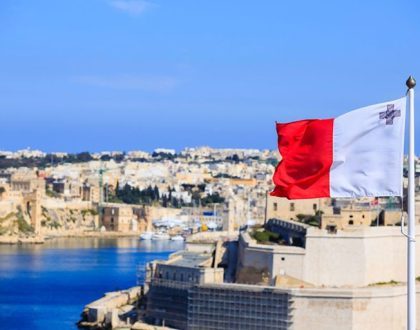
Who Funds Malta’s Fintech Conferences?

Fintech conferences in Malta have gained international attention, showcasing cutting-edge innovations and networking opportunities. However, the source of funding behind these lavish events often remains undisclosed, raising questions about their influence and objectives. This article explores into the financial backers supporting Malta's thriving fintech scene, exploring the motivations and implications of their investments. By examining the stakeholders involved, we aim to uncover the dynamics shaping these high-profile gatherings in one of Europe's emerging financial hubs.
Overview of Malta's Fintech Landscape
Before delving into the specifics of Malta's burgeoning fintech scene, it's vital to recognize the backdrop of its development. The Maltese islands have long been acknowledged as a favorable jurisdiction for various financial services, thanks to a combination of strategic location, favorable tax legislation, and an evolving regulatory framework. These elements collectively foster innovation and attract businesses from the fintech sector, enabling Malta to emerge as a prominent fintech hub within Europe.
Historical Context and Development
Any understanding of Malta's current fintech landscape must begin with its historical evolution. The Maltese government made significant strides in the late 2000s toward regulating online gambling, which set a precedent for the more extensive regulatory frameworks adopted in the years following. This initial focus on digital enterprises laid the groundwork for broader initiatives in fintech, encompassing blockchain and cryptocurrency businesses. As Malta positioned itself as a digital island, it soon became apparent that fintech would play an vital role in this economic landscape.





















The formalization of policies and infrastructure to support fintech development significantly accelerated around 2018, when Malta introduced a comprehensive regulatory framework tailored explicitly for blockchain and cryptocurrencies. This endeavor not only showcased the government's commitment to embracing innovation but also attracted numerous international firms eager to establish a presence in a regulated environment.
Key Players and Stakeholders
One of the distinct features of Malta's fintech ecosystem is its diverse range of stakeholders, including startups, established enterprises, and government entities. The collaboration between these players contributes to a robust ecosystem that fosters innovation and investment. Local companies, international firms, and regulatory bodies are all integral in shaping the direction and future of the sector.
Further, private investors and venture capitalists have begun to play a visible role, injecting much-needed capital into startups while fostering a culture of entrepreneurship. Notably, industry associations like the Malta Digital Innovation Authority (MDIA) and the Financial Services Authority provide critical regulatory and promotional support, ensuring that Malta remains competitive in the global fintech arena.
Malta's Regulatory Environment
About the regulatory landscape, Malta is often touted as a pioneer in establishing comprehensive legislation that addresses the needs of fintech firms. The introduction of the Digital Innovation Framework in 2018 signaled a decisive shift in the regulatory approach, providing clarity and security for businesses looking to innovate within the fintech realm. The regulators aim not only to foster growth but also to ensure compliance and mitigate risks associated with emerging technologies.
Players in this evolving market recognize the importance of Malta's regulatory environment as more than just a set of rules; it serves as a foundation for sustainable growth. The government continually seeks feedback from industry players to adapt regulations in line with technological advancements, ensuring that Malta remains an attractive destination for fintech enterprises. This dynamic relationship between regulators and the fintech community is likely to be a significant factor in shaping the industry's trajectory in Malta.
The Growth of Fintech Conferences in Malta
While Malta has been a small island nation in the Mediterranean, it has rapidly emerged as a buzzing hub for fintech innovation and entrepreneurship. The growth of fintech conferences in Malta has transformed the island into a gathering place for industry leaders, investors, and startups looking to exchange ideas, showcase technologies, and forge strategic partnerships. The Maltese government's proactive stance in regulating blockchain and fintech has played a pivotal role in attracting these events, resulting in packed schedules filled with dynamic discussions and presentations.
Trends in Fintech Conferences
Conferences dedicated to fintech in Malta are constantly evolving, reflecting the fast-paced nature of the industry. Topics range from regulatory compliance to blockchain advancements and payment solutions, with organizers keen to stay ahead of emerging trends. The rise of artificial intelligence and machine learning in financial services is increasingly becoming a focal point of discussion, indicating that Malta is keeping pace with global fintech developments.
Importance of Networking and Deal-Making
Importance of networking has been emphasized during these gatherings, providing unparalleled opportunities for participants to connect with potential partners, clients, and thought leaders in the field. The intimate size of Malta's conference scene allows for meaningful interactions and discussions that may not be feasible in larger, more impersonal events. This kind of environment fosters collaboration, enhances visibility for startups, and often leads to fruitful collaborations and business deals.
At these conferences, attendees are not only able to discuss ideas but also to create valuable relationships. Networking extends beyond casual conversations; there are numerous organized events and structured sessions specifically designed for deal-making. These settings allow participants to pitch ideas, negotiate partnerships, and ultimately lead to investment opportunities that are vital for scaling operations in the competitive fintech space.
Global Appeal and International Attendees
Importance of global appeal is evident in the diverse lineup of international attendees that Malta's fintech conferences attract. People from various countries flock to the island, bringing with them a wealth of knowledge and perspective on fintech trends from around the world. This global presence also elevates the status of Malta as a prime location for fintech discourse, as it allows for richer exchanges of ideas and practices from different markets.
Malta's growing reputation as a fintech hub has resulted in the participation of numerous foreign delegates, industry experts, and investors eager to tap into the island's thriving ecosystem. This influx not only enhances the quality of discussions but also helps in cementing Malta's position on the global fintech map, creating a mutually beneficial situation where local businesses gain exposure and insight while international players look to explore new markets.
Major Fintech Conferences in Malta
Not only have fintech conferences become a staple in Malta's event calendar, but they also attract a diverse range of global participants. The island has successfully positioned itself as a prominent hub for innovation, particularly in the financial technology sector. Major conferences, which occur annually, provide a platform for industry leaders, startups, and regulators to gather, network, and explore cutting-edge advancements in fintech.
Events Analysis
At these conferences, organizers aim to showcase the latest trends and technologies in the fintech ecosystem. Various sessions span topics such as blockchain, cybersecurity, and digital payment solutions, presenting opportunities for attendees to engage with leading experts and gain insights into emerging market dynamics. Moreover, the format of these events often includes panel discussions, workshops, and networking sessions, enhancing participants' experiences and fostering collaborations within the industry.
Notable Speakers and Participants
Between the roster of renowned speakers and influential panelists featured at these conferences, participants benefit from invaluable knowledge sharing. High-profile figures from both the private and public sectors, including CEOs of fintech firms and policymakers, come together to discuss pressing issues and the direction of the industry. Their presence not only adds credibility to the events but also attracts media attention, reinforcing Malta's status as a forefront player in the fintech landscape.
The range of participants extends beyond established industry giants, encompassing innovative startups and academic scholars. This mix of perspectives contributes to vibrant discussions that explore disruptive technologies, regulatory frameworks, and the future of finance, making these conferences important for anyone invested in the evolution of fintech.
Impact on Local Economy
Behind the scenes, the financial influx from these conferences plays a significant role in Malta's economy. By hosting international gatherings, the island sees an uptick in tourism, with many attendees engaging with local businesses, hotels, and restaurants. Additionally, the concentration of fintech professionals stimulates job creation and encourages investment in local startups, further cementing Malta's reputation as a burgeoning fintech hub.
Major financial events also serve as an avenue for Malta to promote its regulatory environment, attracting even more companies to consider establishing operations in the region. As a result, these exchanges contribute to long-term economic growth, fostering an environment where innovation and entrepreneurship can thrive.
Funding Sources for Fintech Conferences
Your interest in understanding who funds Malta's burgeoning fintech conferences is well-placed. The financial backing for these events typically arises from various sources, ensuring that organizers can craft impactful experiences that draw innovators and thought leaders together.
Corporate Sponsorships
Across the fintech landscape, corporate sponsorships play a significant role in funding conferences. Major financial institutions, tech companies, and fintech startups often contribute significant sums to gain visibility in this rapidly evolving sector. Sponsorship agreements are typically structured to provide brands with marketing opportunities, such as featuring their logos on event materials, securing speaking slots, and accessing exclusive networking events. By aligning with popular conferences, corporate sponsors can enhance their reputation and visibility in the marketplace.
These partnerships are not just about financial contributions, however. Many sponsors leverage their industry knowledge to help shape the conference agenda. Their involvement can enrich discussions and panels with insights from their areas of expertise, benefiting all participants and elevating the overall experience of the event.
Government Grants and Support
Before delving into the specifics of government support, it's important to recognize the role of public sector funding in enhancing the fintech ecosystem. Several local and national government initiatives aim to promote Malta as a fintech hub. This support often translates into grants that assist conference organizers with financing logistics and marketing efforts, reinforcing the country's commitment to becoming a leading player in the global fintech scene.
Also, governmental backing can manifest in tax incentives for events that stimulate economic activity or solidify Malta's reputation within the fintech industry. By providing these resources, governments underline their intent to foster a robust environment where fintech can thrive, effectively making it a win-win situation for all stakeholders involved.
Participation Fees and Revenue Models
Fees associated with participation are another primary source of revenue for fintech conferences. Attendee registration costs can vary widely based on the event's scale, the prominence of speakers, and the value provided. These fees help offset event costs and can support further investments in enhancing future conferences. Organizers often provide tiered pricing options, ensuring access for startups while attracting larger corporations through premium packages that include additional benefits.
Grants also play a role in shaping these revenue models. Many conferences offer reduced fees for startups, fostering a more inclusive atmosphere and encouraging innovation. By balancing participation fees with other funding sources, organizers can create a diverse attendee pool, enriching the conference experience through varied perspectives and expertise. This strategy not only bolsters conference attendance but also strengthens Malta's reputation as a leading fintech destination.
The Role of Venture Capital and Investment Firms
To understand the dynamics of Malta's burgeoning fintech conference scene, it is important to explore the influence of venture capital and investment firms. By providing the necessary funding, these financial entities play a significant role in shaping the topics, speakers, and overall atmosphere of these events. They are drawn to Malta not just for its favorable taxation policies, but also for its strategic location within Europe and a burgeoning ecosystem that promotes innovation in financial technology. As a result, the presence and involvement of these firms bring a level of sophistication and international attention that can further attract key players in the fintech space.
Major Investors in Malta's Fintech Scene
On the forefront of Malta's fintech landscape, several prominent venture capital and investment firms have emerged as major players. These investors typically focus on early-stage startups and position themselves at the conferences to tap into fresh ideas and establish strategic relationships with emerging entrepreneurs. Their involvement not only provides necessary funding but also brings mentorship and industry expertise that can elevate the caliber of the start-ups they support. This symbiotic relationship enhances the overall quality of innovation presented at these conferences and ultimately contributes to the growth of Malta as a fintech hub.
Influences on Conference Funding
Against this backdrop of venture capital activities, the funding for fintech conferences in Malta also faces various external influences. Investors often align their funding strategies with current market trends, which can shift the focus of these events from general fintech themes to specific sub-sectors, such as blockchain, insurance technology, or payment solutions. This focus might stem from a desire to address areas where they perceive the highest return on investment. As a result, conference agendas can reflect the current appetite of investors, steering conversations and presentations towards the topics they find most compelling.
A deeper analysis reveals that the relationship between investor sentiment and conference programming can have lasting effects on the growth of particular fintech sectors. As investors' interests evolve, so too do the themes that gain prominence at conferences. Therefore, to stay relevant and attract important funding, conference organizers may need to ensure their agendas resonate with the shifting priorities of investors. This dynamic presents both opportunities and challenges for event planners, as they strive to balance the educational aspect of fintech with the commercial interests of their backers.
Future Investment Trends
With the fintech industry evolving at a rapid pace, the future investment trends in Malta are likely to mirror wider global shifts. Areas such as artificial intelligence, regulatory technology, and sustainable finance are gaining traction and will undoubtedly influence the topics covered in upcoming conferences. Investors are increasingly looking for disruptive technologies that can provide a competitive edge, which in turn drives the conversation within the Maltese fintech ecosystem. As these changes unfold, Malta's conferences provide a vital platform for showcasing innovations that reflect the future landscape of finance.
Future analysis suggests that the rise of remote work and digital transformation may further accelerate investments in fintech solutions that address emerging needs. Investors will likely continue to support initiatives that empower businesses to adapt to changing consumer behaviors post-pandemic, focusing on personalization, security, and seamless user experiences. Thus, Malta's fintech conferences will need to adapt accordingly to highlight these trends and attract the right investment opportunities, solidifying Malta's reputation as a key player in the global fintech arena.
Transparency and Accountability in Funding
Many questions arise when examining the funding sources behind Malta's fintech conferences. The transparency of these financial inputs is paramount, as it plays a significant role in shaping the credibility and integrity of the events. Investigating the connections between sponsors and organizers is vital to discern whether these engagements are driven by altruistic intentions or profit motives. Transparent accountability mechanisms must be established to assure participants and stakeholders that financial backing does not compromise the integrity of the discussions and innovations presented. This includes clear disclosures of funding sources and guidelines on how financial contributions influence the agenda of the conferences.
Ethical Considerations
Considerations regarding the ethical dimensions of funding cannot be overlooked. Sponsorship from firms involved in controversial or questionable areas of fintech could cast a shadow over the perceived objectivity of the events. If attendees suspect that the content or speakers have been influenced by their sponsors, the credibility of the conference and its outcomes may suffer. Furthermore, when funding comes from sources whose business models conflict with regulatory frameworks or ethical practices, it raises serious concerns about the message being conveyed to audiences. Organizers must therefore grapple with the challenges of securing funding while maintaining ethical standards.
Conflict of Interest Issues
Conflict arises when an organization prioritizes the interests of its sponsors over the interests of its participants or the broader fintech community. Funding from entities with vested interests can skew the agenda, causing a misalignment of goals between the financial backers and those attending the conference. As sponsors exert their influence, it's critical for event planners to implement policies that safeguard against the loss of impartiality in discussions and presentations.
Also, the potential for conflicts of interest extends beyond the immediate impact on agendas and speaker selections. When influential stakeholders in the fintech industry fund events, it can create an environment where dissenting opinions or alternative perspectives are marginalized. This lack of diverse viewpoints can lead to a homogenization of ideas, stifling innovation and hindering meaningful dialogues necessary for the growth of the fintech sector. The challenge lies in finding a balance that allows for funding while ensuring the diversity of thoughts and accountability in discussions.
Public Perception of Funding Sources
Ethical concerns surrounding the funding sources of fintech conferences can significantly shape public perception. As stakeholders become increasingly aware of the implications of corporate funding, their trust in the integrity of these events can dwindle. Effective communication about who is financing the conferences and why, along with demonstrable commitment to transparency, becomes vital for fostering confidence among participants. The narrative surrounding the perceived purity or ulterior motives of sponsors often influences attendees' willingness to engage with the content presented.
Accountability in addressing public perception is vital; when stakeholders demand clarity, organizers must respond decisively. Regularly updating the community on funding sources and the rationale behind them can bolster transparency and restore trust. Engaging in dialogue with attendees regarding their concerns can also enhance the perceived integrity of the conferences. By actively addressing these issues, organizers can better position themselves and the fintech community to foster a healthier discourse that embraces innovation while remaining ethically grounded.
To wrap up
Taking this into account, the financial backing of Malta's fintech conferences highlights the intricate web of interests that converge in the sector. Entities ranging from local government partners to private financial institutions and international tech giants all play a role in shaping the conference landscape. These gatherings are not merely platforms for networking; they also serve as pivotal arenas for influencing regulatory frameworks, showcasing innovations, and solidifying Malta's position as a global fintech hub. By understanding these dynamics, industry stakeholders can better navigate and anticipate the forthcoming trends in this rapidly evolving financial ecosystem.
Furthermore, the significance of examining the sources of funding extends beyond mere curiosity; it sheds light on the motivations behind the agendas presented at these events. With the increasing importance of transparency and ethics in finance, knowing who supports these conferences may inform attendees and participants on various issues, including potential biases and regulatory considerations. As Malta continues to attract attention on the global fintech stage, a thorough understanding of its funding landscape will remain imperative for anyone looking to engage meaningfully with the sector.
FAQs
What makes Malta an attractive location for fintech companies?
Malta offers a strategic location, favorable tax policies, and a proactive regulatory environment, making it appealing to fintech firms seeking growth in Europe.
How has Malta’s regulatory framework supported fintech growth?
Malta introduced the Digital Innovation Framework in 2018, providing legal clarity for blockchain and crypto-related businesses, thereby encouraging industry expansion.
Who are the primary organizers of fintech conferences in Malta?
Fintech conferences are typically organized by private event companies, in collaboration with government agencies and industry bodies like the MDIA.
What are the main sources of funding for fintech conferences in Malta?
Funding sources include corporate sponsorships, government grants, and attendee participation fees, all contributing to high-profile, well-organized events.
Why is the source of funding for these events often undisclosed?
Due to competitive and strategic interests, some sponsors prefer anonymity, especially when their involvement could influence conference agendas or perceptions.
What role do government agencies play in these conferences?
Government bodies often provide grants, regulatory guidance, and promotional support to help position Malta as a global fintech hub.
How do fintech conferences benefit Malta’s local economy?
They boost tourism, support local businesses, and attract foreign investment, creating jobs and strengthening the island’s innovation ecosystem.
What topics are commonly discussed at Malta's fintech conferences?
Key topics include blockchain, AI in finance, regulatory compliance, cybersecurity, and global fintech trends, among others.
Who typically attends these fintech conferences in Malta?
Attendees include international investors, fintech startups, tech firms, regulators, academics, and industry experts from around the world.
How do these events support fintech startups?
Conferences provide visibility, networking opportunities, mentorship, and access to investors, enabling startups to form strategic partnerships and secure funding.

Ash
I like to keep it short. I am a writer who also knows how to rhyme his lines. I can write articles, edit them and also carve out some poetic lines from my mind. Education B.A. - English, Delhi University, India, Graduated 2017.
Related Posts


Rising debt in Malta sparks worries over fiscal policy
April 3, 2026

Tourism jobs grow across Malta
April 1, 2026