Why France may tighten rules on daily betting limits
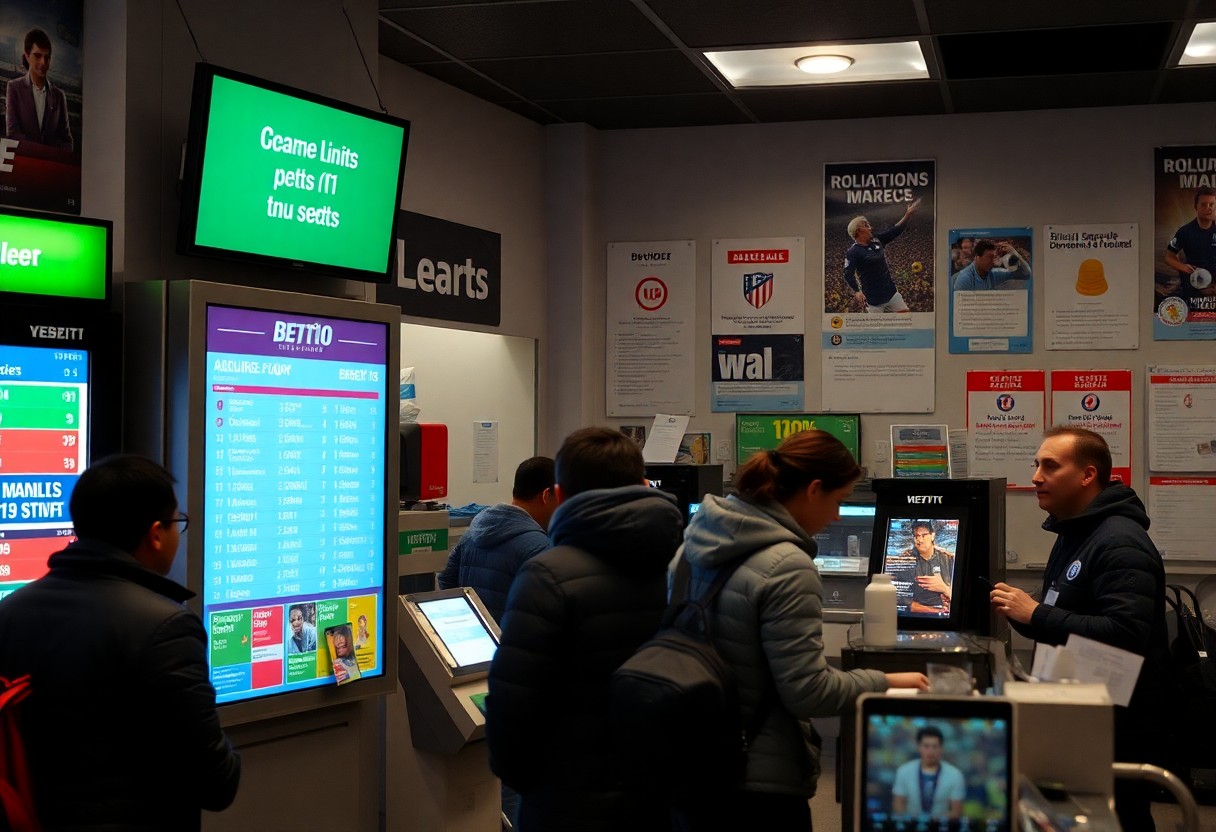
Most gambling regulators are increasingly concerned about the potential for harmful betting behaviors, and France is no exception. Recent discussions about tightening daily betting limits arise from a desire to protect consumers and minimize the risks associated with gambling addiction. As online betting becomes more accessible, the French government is considering measures aimed at fostering responsible gambling practices while balancing the interests of the industry. This blog post explores into the motivations behind these potential changes and their implications for both bettors and operators in France.
The Current Landscape of Betting Regulations in France
Historical Context of Gambling Laws
France's gambling landscape has evolved significantly since the early 20th century, starting with the establishment of the first legal betting operations in 1907. Following decades of strict regulations, the French government introduced the Online Gambling Act in 2010, legalizing and regulating online sports betting in an effort to combat the black market and channel betting activities through official means. This legislative shift marked a turning point, allowing for increased state oversight and taxation of the gambling sector.
Existing Betting Limit Structures
Current regulations in France dictate specific daily and monthly betting limits aimed at protecting consumers and mitigating gambling-related harm. The online betting sector operates under guidelines that mandate operators to set limits for players based on their betting history and preferences, with an emphasis on responsible gambling practices.








Operators are required to implement self-exclusion measures and provide tools for players to manage their wagering activities effectively. While the maximum daily limit varies by platform, many operators have adopted a standard approach capping daily bets at around €1,000 for recreational players. Furthermore, monitoring systems are in place to track betting behaviors and notify users when they exceed predefined thresholds, further supporting responsible gambling initiatives.
The Rise of Daily Betting Activities
Statistical Growth in Online Betting
In recent years, online betting has surged, with a reported increase of over 30% in user registrations across various platforms. According to a study by the French National Gaming Authority, total online betting revenues reached €1.2 billion in 2022, highlighting a significant shift in consumer preferences toward digital gambling options.
Shifting Consumer Behavior Among Gamblers
Gamblers are increasingly favoring daily betting activities over traditional methods. This shift is evident in the demographic of users, with younger individuals showing a preference for mobile platforms that facilitate quick and continuous betting throughout the day.
Daily betting aligns well with the lifestyles of many consumers, particularly millennials and Gen Z, who value convenience and immediacy. Recent surveys indicate that 65% of younger bettors engage in daily wagers, often driven by impulse and the gamification of sports events. Daily promotions and real-time updates also cater to this demographic, encouraging increased participation and engagement with betting platforms, further underscoring a trend that regulators must urgently address.
Psychological Impacts of Betting Habits
Understanding Compulsive Gambling
Compulsive gambling is a behavioral addiction manifested by an uncontrollable urge to gamble despite negative consequences. This condition often escalates as individuals chase losses, sinking deeper into debt and emotional distress. Studies suggest that about 1-3% of the general population may experience gambling disorders, with heightened prevalence among those engaged in daily betting schemes. Understanding the psychology behind this addiction is vital for developing effective interventions and safeguards.
Connections Between Daily Betting and Mental Health
Daily betting activities can significantly affect mental health, leading to anxiety, depression, and stress. The routine nature of daily wagers creates an environment ripe for obsession, often exacerbating underlying mental health conditions. For example, a study found that individuals who engage in daily betting reported higher levels of anxiety and depression compared to non-bettors, highlighting the detrimental effects this habit can have on psychological well-being.
The relationship between daily betting and mental health issues is complex, with numerous factors at play. A significant number of individuals report using betting as a coping mechanism, turning to high-stakes wagers during periods of stress or emotional turmoil. This not only perpetuates the cycle of addiction but can also lead to a decline in overall mental health. Furthermore, research indicates that the thrill associated with gambling can temporarily mask depressive symptoms, creating a false sense of relief that ultimately leads to greater emotional distress and isolation. Effective regulation and awareness initiatives could play a vital role in addressing these challenges, providing necessary support for those affected.
Economic Ramifications of Betting Limits
Potential Effects on Revenue for the Gambling Industry
Implementing daily betting limits could significantly reduce overall revenue for the gambling industry in France. A study by the French Online Gaming Regulatory Authority indicated that online betting platforms generated approximately €1.8 billion in revenue last year. Limiting daily spending may deter high-volume bettors, leading to potential annual losses that could reach hundreds of millions of euros for operators if not offset by increased participation from casual bettors.
The Impact on Local Economies
Local economies, particularly those reliant on tourism and entertainment derived from gambling, may face challenges with new betting limits. Revenue generated from casinos and betting shops supports local businesses, employment, and public services. Decreasing revenue from gambling can hinder economic growth, particularly in regions where casinos are a primary attraction. This downturn could lead to job losses and diminished public funding for local initiatives, amplifying the economic ripple effect.
In regions like Normandy and Provence-Alpes-Côte d'Azur, where casinos play a pivotal role in the tourism industry, enforcing daily limits might deter visitors seeking larger gambling experiences. For example, a tourist season that typically boosts local economies could see diminished spending if frequent gamblers opt to stay away due to perceived restrictions. Communities that have invested heavily in attracting gambling tourists may find their plans thwarted, forcing them to rethink their economic strategies for sustainability.
International Perspectives on Betting Regulations
Case Studies from Other Countries
Examining how various nations regulate betting can provide insights into France's possible regulatory changes. Different approaches highlight the impact of daily betting limits on consumer behavior and revenue generation.
- United Kingdom: Imposed a £2 maximum bet on Fixed Odds Betting Terminals, reducing problem gambling incidents by 25% within two years.
- Australia: States like New South Wales have established a $100 daily limit for online betting, resulting in a 30% decrease in gambling-related harm.
- Sweden: Introduced a temporary SEK 500 daily limit in 2020 that led to a 15% drop in gambling addiction reports among users.
- Belgium: Implemented a €200 monthly limit for online casinos, contributing to a reduction in the number of self-exclusions by 20%.
Lessons Learned from Global Approaches
Countries that have adopted betting limits offer valuable insights on regulating gambling effectively. The implementation of limits has commonly resulted in reduced gambling addiction rates, illustrating that responsible gambling measures can lead to healthier consumer habits. Additionally, these case studies reveal that proper enforcement and consumer education play pivotal roles in the success of such regulations, suggesting that France can benefit from a tailored approach that emphasizes awareness and support alongside any new rules. Integrating feedback from international experiences could enhance the efficacy of potential changes to betting laws in France, ensuring they serve both consumers and the broader community.
Advocacy and Opposition to Stricter Limits
Stakeholders Supporting Tighter Restrictions
Consumer advocacy groups, mental health organizations, and some political leaders are pushing for tighter betting limits in France. They argue that stricter measures will safeguard vulnerable populations from the risks of gambling addiction, citing increasing reports of gambling-related harm. This coalition believes that responsible gambling practices should be prioritized to protect individuals and families, ensuring that the social consequences of unchecked betting do not overshadow the economic benefits of the industry.
Arguments from the Betting Industry Against Limiting Bets
The betting industry contends that imposing daily limits could stifle player engagement and harm overall revenue. They argue that millions of players responsibly enjoy betting without experiencing negative consequences, and strict limits could unfairly penalize these individuals. Furthermore, operators assert that regulations should focus on promoting responsible gambling practices rather than enforcing blanket restrictions that may alienate a substantial segment of their customer base.
Industry representatives highlight that responsible gambling tools, such as self-exclusion options and spending tracking, are already in place, allowing consumers to manage their betting behavior effectively. They cite case studies from regulated markets where education and information campaigns have been more effective than restrictive measures. For example, New Zealand's focus on player education has led to a more informed betting public, which contrasts starkly with the perceived negative impact of betting limits that could drive players underground or to unregulated, potentially more harmful alternatives.
The Future of Betting in France
Predictions for Regulatory Changes
Anticipated changes in France's betting regulations may include stricter daily limits and enhanced measures for consumer protection. Industry experts predict that the government will introduce mandatory loss limits and increased monitoring of gambling activities. The implementation of these regulations might align with broader European trends towards promoting responsible gaming while curbing gambling addiction rates.
Long-term Effects on Gamblers and Companies
In the long run, the tightening of betting regulations in France could reshape consumer behaviors and the operational landscape for gambling companies. While gamblers may experience improved safeguards, the industry may face significant adaptation challenges that could affect profitability.
As regulations tighten, gamblers might develop healthier betting habits due to enforced limits, leading to decreased overall betting volume. This transition could diminish revenues for operators, forcing them to innovate in customer engagement and product offerings. Enhanced focus on responsible gambling initiatives may also emerge, with companies investing in technology to monitor and promote safe betting practices. Ultimately, a balanced regulatory approach could promote a sustainable betting environment, benefiting both the public and the industry in the long run.
Recommendations for Responsible Gambling
Best Practices for Gamblers
Establishing a budget before gambling helps prevent overspending. Setting time limits while engaging in betting activities can also reduce the likelihood of developing problematic behaviors. Gamblers should avoid chasing losses and recognize when it's time to stop, particularly after experiencing winning streaks. Maintaining awareness of personal triggers related to betting can provide valuable insights for more responsible practices.
Resources for Support and Education
Several organizations offer support and education for those affected by gambling. Websites like France's National Gaming Authority provide information on responsible gambling practices and tools for self-assessment. Local counseling services and hotlines can connect individuals with trained professionals who specialize in gambling addiction and recovery strategies.
Educational programs aim to spread awareness about the risks associated with gambling and promote responsible behavior. Collaborations between gambling operators and support organizations enable the development of informative materials addressing the signs of gambling addiction. Providing access to stats and guidance on responsible gambling, these resources empower individuals to make informed decisions. The existence of help centers and online chat services also ensure that assistance is readily available for those in need.
Final Words
Upon reflecting, France's potential move to tighten daily betting limits stems from the need to address growing concerns over gambling addiction and financial instability among citizens. With increasing online gambling participation, regulators aim to implement stricter controls to protect vulnerable individuals and maintain market integrity. These measures may also align with broader European legislative trends emphasizing responsible gambling practices, ultimately prioritizing public welfare while balancing industry interests.
FAQ
Q: Why is France considering tightening rules on daily betting limits?
A: France is assessing tighter daily betting limits to address concerns regarding gambling addiction, protect consumers, and ensure a safer betting environment. Increased betting activities have led to potential negative social impacts, prompting regulatory reviews.
Q: What factors are influencing France's decision to modify betting regulations?
A: Several factors are influencing this decision, including rising gambling-related issues, a significant increase in online betting participation, public health concerns, and recommendations from regulatory bodies aimed at promoting responsible gambling practices.
Q: How might these new betting limits affect punters in France?
A: Should new daily limits be implemented, punters may experience restrictions on their betting amounts, potentially leading to reduced overall gambling expenditures. The intention is to encourage more responsible gambling habits and minimize the risk of financial distress associated with excessive betting.

Esther
I am a professional writer with 8 years of experience in this field and I can provide you with the best-written content you can find. Education B.A. - English, George Washington University, United States, Graduated 2011.