

















How Malta reacts to new OECD minimum tax requirements
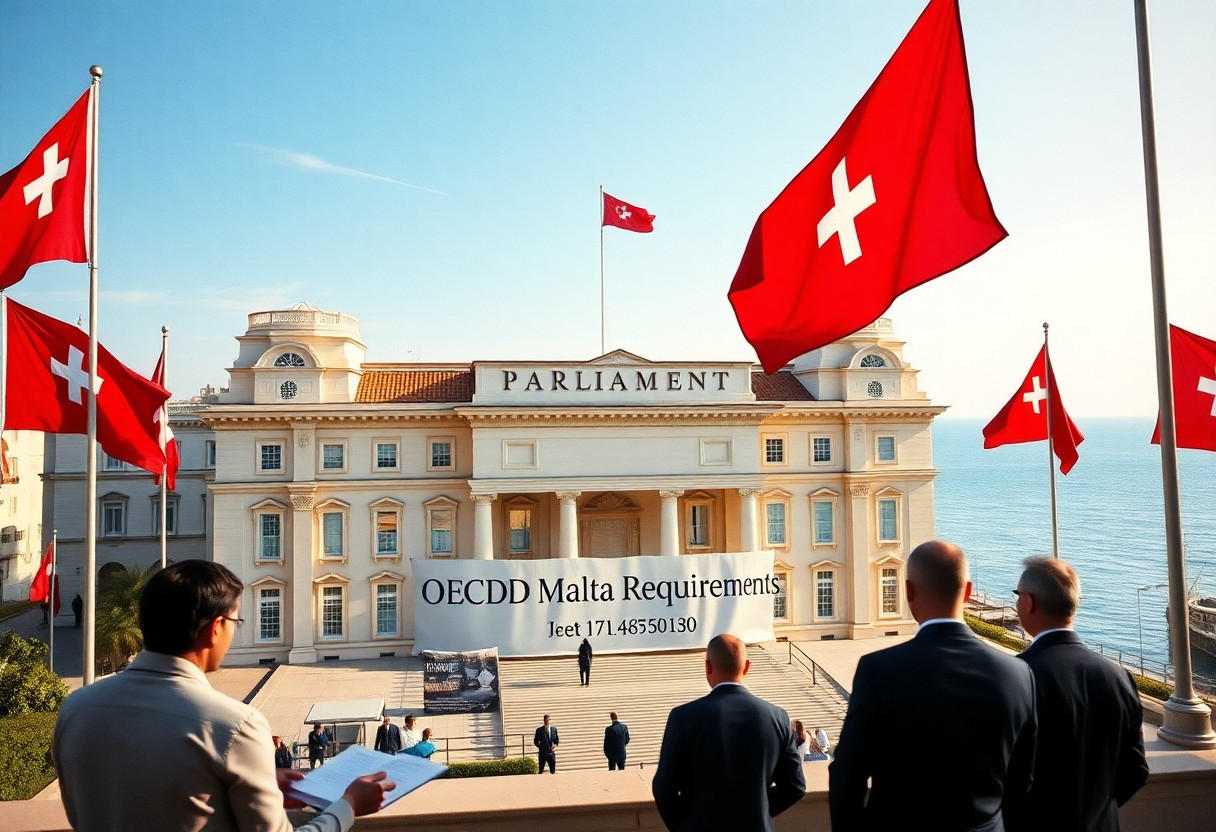
OECD initiatives have prompted significant discussions regarding minimum tax requirements, and Malta is no exception. As a member of the OECD, the country is evaluating how these global tax standards will impact its economy and tax policies. With pressures to align with international guidelines, Malta's government is considering reforms aimed at maintaining its competitive edge while fulfilling new obligations. This post explores Malta's strategic response and anticipated changes in light of the OECD's tax framework.
The OECD Tax Landscape: A Game Changer for Small Economies
Historical Context of OECD Minimum Tax Proposals
The OECD's journey toward proposing minimum tax requirements began in earnest with its Base Erosion and Profit Shifting (BEPS) initiative in 2015. This effort aimed to combat tax avoidance by multinational companies exploiting gaps and mismatches in international tax rules. Over the years, discussions evolved, culminating in the 2021 agreement where 136 countries, including Malta, committed to a global minimum corporate tax rate of 15%. This represented a seminal moment in tax policy, emphasizing the push for fairness and consistency in the taxation of multinationals.
Implications for Global Taxation Trends
The introduction of OECD minimum tax frameworks signals a significant shift in global taxation, particularly impacting how countries attract foreign investments. The new standards aim to reduce harmful tax competition while pushing nations to rethink their tax incentives and policies. As countries align themselves with these guidelines, economic landscapes will gradually transform, with small economies like Malta potentially facing challenges in maintaining their competitiveness.








This evolution in taxation could lead to a homogenization of tax rates globally, reducing the ability for jurisdictions to differentiate themselves through lower corporate tax structures. Multinational corporations may shift their focus to countries offering more favorable tax conditions beyond the minimum rate, prompting nations to innovate in other areas, such as environmental sustainability or digital services. For Malta, adapting to these changes while safeguarding its economic interests will require strategic policy adjustments, balancing compliance with competitiveness. The impact on domestic businesses and foreign direct investment may vary significantly, necessitating a forward-thinking approach to ensure continued growth and stability.
Malta's Response: A Balancing Act of Compliance and Sovereignty
Official Government Statements and Initial Reactions
Malta's government has publicly expressed its commitment to comply with the OECD's minimum tax requirements, emphasizing the need for a fair global tax landscape. Officials highlighted that adapting to these regulations aligns with Malta's long-term strategic interests, aiming to retain its attractiveness as a business hub while fostering a more equitable taxation framework.
Concerns from Policy Makers and Legal Experts
Amid the push for compliance, concerns have surfaced among policymakers and legal experts regarding the implications for Malta's fiscal sovereignty. Experts argue that adopting these requirements could diminish the island's competitive edge in attracting multinational corporations, potentially leading to decreased foreign investment.
Further analysis indicates that Malta risks losing its distinctive appeal as a low-tax jurisdiction, jeopardizing the significant revenue generated from international businesses. Some policymakers fear that the OECD's stipulations will not only constrain local tax policies but may also set a precedent for future compliance that could limit Malta's ability to tailor its tax code to domestic needs. The consequences, they warn, could extend beyond economic metrics, affecting Malta's overall autonomy in legislative decision-making.
Legislative Adjustments: Crafting New Tax Policies
Proposed Changes to Malta's Tax Code
The Maltese government is actively considering amendments to its tax code to align with the OECD's minimum tax requirements. Proposed changes include introducing a minimum effective tax rate for large corporations and reassessing the existing incentives that may conflict with international standards. Adjustments aim to maintain Malta's attractiveness as a business hub while ensuring compliance and safeguarding its fiscal sovereignty.
Anticipated Challenges in the Legislative Process
In particular, the process could be complicated by concerns that higher corporate tax rates might deter foreign investment, a cornerstone of Malta's economy. Political divisions may also arise as various parties push for differing approaches, with some advocating for swift compliance while others caution against losing the competitive edge of Malta's current tax regime. Engaging with both the business community and the public will be integral to mitigating these challenges and fostering consensus around any proposed changes.
Business Community Perspectives: Voices from the Ground
Impact on Local Enterprises and SMEs
Local enterprises and SMEs in Malta are adjusting their strategies in light of the OECD's minimum tax requirements. Many businesses are reassessing their tax planning to remain competitive while cultivating relationships with international partners. This shift may require increased operational efficiencies and innovation, particularly in sectors relying heavily on global demand, such as technology and tourism. Business owners express concerns over potential profit margins being affected but recognize that aligning with international standards could enhance Malta's reputation as a credible business hub.
Reactions from Multinational Corporations Based in Malta
Multinational corporations in Malta are closely monitoring the impact of the OECD's tax changes. Some firms view the new rules as a step towards greater transparency, which could attract more foreign investment, while others worry about the implications for their profit allocations. Companies like BRD and Playmobil, already embedded in Malta's economy, are evaluating their operational frameworks and considering the benefits of increased compliance versus potential tax burdens.
In particular, multinational technology and finance companies have expressed mixed feelings. While the taxation adjustments promise a more stable and predictable environment, they also pose challenges regarding existing competitive advantages. Some firms plan to shift resource allocations or restructure operations to align with the new framework, potentially leading to streamlined operations but also anxiety over whether these changes will impede growth. Stakeholders are actively participating in discussions to influence local policy adaptations to mitigate adverse effects while seeking pathways to leverage potential benefits.
The Economic Ripple Effect: Projections and Potential Outcomes
Short-Term vs. Long-Term Economic Impacts
In the short term, Malta's economy may experience volatility as businesses reassess strategies and adjust to the new tax landscape; this could lead to increased compliance costs and potential relocations. However, the long-term perspective suggests a possible stabilization and growth in other sectors, particularly as companies pivot towards sustainable practices and innovation in response to regulatory shifts.
Projected Shifts in Foreign Investment Patterns
Malta's appeal as a regional hub may face challenges from increased taxation, pushing some foreign investors to reconsider their positions. Conversely, jurisdictions less impacted by these requirements could attract those seeking favorable conditions, leading to a potential redirection of capital flows.
As firms reassess their investment strategies, regions with lower tax burdens or more favorable regulatory environments might draw interest away from Malta. For instance, European nations like Ireland, with a robust corporate tax rate strategy, could see an uptick in investment from companies seeking to optimize tax efficiency. Additionally, emerging markets offering incentives for foreign direct investment could gain traction, causing Malta to rethink its approach to taxation and incentives to maintain competitiveness.
Regional Comparisons: How Malta Stands Among Peers
Comparison of Tax Rates Among EU Countries
| Country | Corporate Tax Rate (%) |
|---|---|
| Malta | 35 (effective rate often lower due to refunds) |
| Ireland | 12.5 |
| Cyprus | 12.5 |
| Hungary | 9 |
| Luxembourg | 24.94 |
Comparative Analysis with Other EU Countries
Malta's corporate tax regime, while headline-high, can lead to an effective tax rate comparable to several EU nations due to its refund system. Countries like Ireland, Cyprus, and Hungary maintain lower rates, appealing to businesses aiming for tax efficiency. As the OECD's minimum tax requirements gain momentum, Malta's flexibility will increasingly challenge its competitive standing within the EU landscape.
Malta's Unique Position in the Mediterranean Context
Malta's geographic location and regulatory environment provide significant advantages in the Mediterranean region. It serves as a strategic hub for businesses looking to access European, North African, and Middle Eastern markets. Amid growing discussions on tax harmonization, Malta's mixed economic structure and pro-business policies set it apart, attracting foreign investment despite the looming OECD standards.
Future Outlook: Navigating the New Tax Paradigm
Strategic Recommendations for the Government and Businesses
Malta should prioritize tax reforms aimed at maintaining a competitive edge while ensuring compliance with OECD standards. Governments could invest in digital infrastructure to streamline tax collection and compliance processes. Additionally, businesses must adopt transparent tax strategies that align with global standards, fostering trust and stability in the international market.
Adaptive Measures for Future Compliance
Companies must implement robust compliance frameworks to navigate the evolving tax landscape. Regular audits and employee training on new tax guidelines will enhance preparedness, enabling quick adaptation to regulatory changes. Collaboration with tax advisors and legal experts can further mitigate risks associated with non-compliance.
Implementing adaptive measures like real-time monitoring of tax obligations and leveraging technology tools can provide businesses with insights into their compliance status. For instance, utilizing automated tax reporting software can significantly reduce human errors and streamline submitting requirements. Establishing a dedicated compliance team can facilitate ongoing assessments of the regulatory environment, helping firms stay informed and proactive in their approach to evolving tax regulations.
To wrap up
Now, Malta is actively adapting to the OECD's new minimum tax requirements by reforming its tax policies to enhance compliance and attract foreign investment. The government is engaging with international stakeholders to align its tax framework while ensuring competitiveness in the global marketplace. These strategic adjustments aim to safeguard Malta's economic stability and reputation as a favorable business environment, thereby reinforcing its commitment to international tax standards.
FAQ
Q: What is the OECD minimum tax requirement that Malta needs to address?
A: The OECD minimum tax requirement is designed to ensure that multinational enterprises pay a consistent level of tax, reducing tax base erosion and profit shifting. Malta, like other jurisdictions, is required to implement policies that align its tax laws with these international standards.
Q: How is Malta planning to implement these new OECD minimum tax standards?
A: Malta is assessing its current tax framework and engaging in consultations with stakeholders. The government aims to introduce legislative changes that correspond with OECD guidelines, ensuring compliance while maintaining Malta's competitive tax environment.
Q: What impact will the OECD minimum tax requirements have on businesses operating in Malta?
A: The implementation of the OECD minimum tax requirements may lead to adjustments in the tax rates and structures for multinational companies in Malta. Businesses could experience changes in their effective tax rates and may need to re-evaluate their tax planning strategies to align with the new regulations.

Ash
I like to keep it short. I am a writer who also knows how to rhyme his lines. I can write articles, edit them and also carve out some poetic lines from my mind. Education B.A. - English, Delhi University, India, Graduated 2017.
Related Posts



Rosi Bremec joins Malta Media as VP Partnerships
July 14, 2026


Brazil betting tax revenue rises 47% in February 2026
March 26, 2026

BHA criticises UK move to keep betting levy unchanged
March 26, 2026

