Why Casino Licences Depend on AML Fitness and Probity?
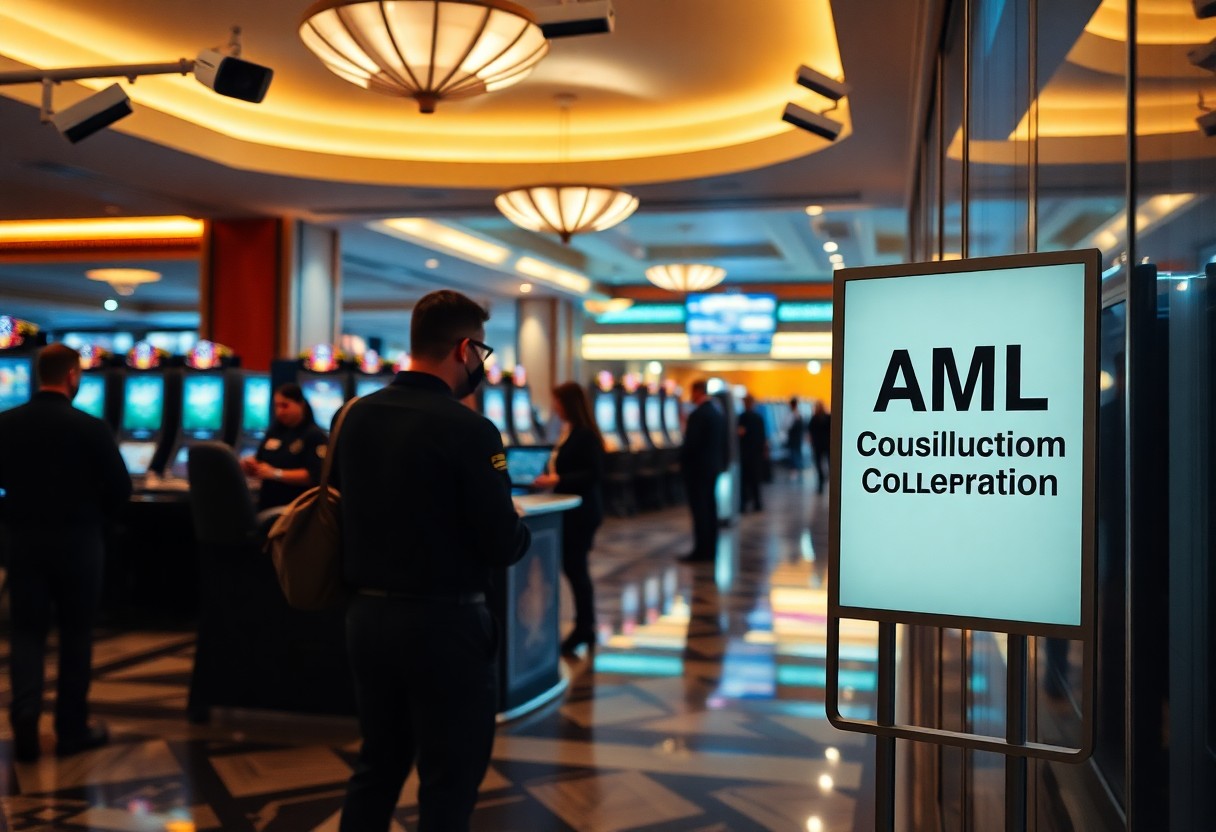
Just as the integrity of the financial system is paramount, the gambling industry must adhere to strict regulations to combat money laundering and uphold public trust. Casino licences are contingent upon demonstrating compliance with Anti-Money Laundering (AML) standards as well as the fitness and probity of operators. Regulatory bodies assess licenses to ensure that operators are not only financially sound but also committed to ethical practices, maintaining a safe and secure environment for patrons while safeguarding against criminal activities.
Key Takeaways:
- Casino licenses are contingent upon demonstrating effective Anti-Money Laundering (AML) procedures to prevent financial crimes.
- Regulators assess the fitness and probity of casino operators to ensure they maintain high ethical standards and operational integrity.
- Failure to comply with AML regulations can result in penalties or revocation of the casino license, impacting business operations and reputation.
Understanding Casino Licences
Definition of Casino Licences
Casino licences are legal permits issued by government authorities that allow operators to conduct gambling activities. These licences ensure that casinos operate within defined legal frameworks, adhering to regulations that promote fairness, transparency, and responsible gambling practices.
Importance of Casino Licences in the Gambling Industry
Casino licences play a vital role in the gambling industry by establishing a controlled environment for operations, ensuring compliance with legal standards, and protecting consumers from fraudulent activities. They enhance player trust and contribute to the overall integrity of the gaming sector.


The significance of casino licences extends beyond mere compliance; they serve as a benchmark for operational legitimacy. Licensed casinos are required to undergo regular audits, guaranteeing that they meet high standards of accountability and transparency. This is vital in an industry often criticized for its potential for abuse and exploitation. For example, jurisdictions with stringent licensing requirements—like Malta or the UK—tend to attract reputable operators, fostering a safer gambling environment for users.
Regulatory Framework Governing Casino Licences
The regulatory framework for casino licences consists of a combination of national laws, local regulations, and international guidelines that govern gambling activities. This framework ensures that operators meet specific criteria, including financial stability, ethical conduct, and adherence to responsible gambling practices.
This multifaceted regulatory structure often involves cooperation between various governmental agencies, such as tax authorities and consumer protection agencies. For instance, in Nevada, the Gaming Control Board plays a pivotal role in the licensure process, evaluating the character and financial reliability of applicants. Countries like Denmark and Singapore have also implemented rigorous frameworks requiring operators to undergo extensive vetting processes, with strict penalties for non-compliance, ensuring that the gambling landscape remains secure and fair for all participants.
The Role of AML in Gambling
What is Anti-Money Laundering (AML)?
Anti-Money Laundering (AML) refers to the laws, regulations, and procedures designed to prevent the illegal generation of income through financial transactions. In the context of gambling, AML measures aim to identify and report suspicious activities that may indicate money laundering or other financial crimes, ensuring that casinos operate within legal frameworks and protect their integrity.
Key AML Regulations Affecting Casinos
Several key regulations govern AML practices in casinos, including the Bank Secrecy Act (BSA) and the USA PATRIOT Act in the United States, as well as the 4th and 5th Anti-Money Laundering Directives in the European Union. These regulations require casinos to implement robust compliance programs, conduct client due diligence, and report suspicious activities to the relevant authorities.
Under the Bank Secrecy Act, casinos must establish procedures for detecting and reporting cash transactions exceeding $10,000. The USA PATRIOT Act further strengthens these requirements by mandating enhanced due diligence for high-risk customers. Similarly, the European AML Directives necessitate stricter checks on the source of funds and ongoing transaction monitoring. Non-compliance can lead to severe penalties, including hefty fines and loss of operating licenses, compelling casinos to prioritize AML protocols.
The Impact of AML on Casino Operations
The enforcement of AML regulations significantly shapes casino operations, requiring them to allocate resources for compliance, training, and technology. This often translates into heightened scrutiny of customer transactions and enhanced reporting procedures, which can affect the overall customer experience.
Casinos increasingly integrate sophisticated software and analytics tools to identify unusual patterns and behaviors. These measures not only bolster security but can also lead to delays in processing transactions for players. Furthermore, staff training programs emphasize recognizing signs of money laundering, which fosters a culture of compliance and accountability within the establishment, ultimately influencing the casino's reputation and operational efficiency.
Fitness and Probity Assessment
Definition of Fitness and Probity
Fitness and probity assess the integrity, competence, and financial stability of individuals involved in gambling operations. This ensures that those holding significant roles, such as directors or managers, uphold ethical standards and have the necessary skills to run a licensed operation responsibly.
Criteria for Assessing Fitness and Probity
The criteria for assessing fitness and probity typically include past conduct in business, financial history, and personal background checks, focusing on any criminal records, bankruptcy, or regulatory violations.
Specifically, regulators may evaluate an applicant's history concerning compliance with gaming laws, previous involvement in any fraudulent activities, and industry experience. Additionally, assessing an individual's reputation and connections within the industry can provide insight into their suitability for holding a licence. This thorough vetting aims to mitigate risks associated with unsound management and potential criminal influence.
Importance of Background Checks in Licensing
Background checks play a significant role in the licensing process by ensuring that individuals with prior legal issues or dubious business practices do not enter the gaming industry.
Comprehensive background checks serve as a protective measure for maintaining industry integrity and public trust. They help identify any past associations with organized crime or unethical behavior, therefore safeguarding the industry's reputation. Moreover, these checks can reveal any previous licensing issues, highlighting the significance of accountability in maintaining a quality regulatory framework. Operators can actively contribute to a transparent and secure gambling environment through rigorous assessments.
The Interplay Between AML, Fitness, and Probity
How AML Standards Influence Licensing Decisions
AML standards play a significant role in shaping licensing decisions for casinos, as regulators evaluate an operator's ability to prevent money laundering activities. A robust AML framework not only demonstrates operational compliance but also reassures regulatory bodies that the casino is proactive in mitigating potential risks, thus enhancing its eligibility for a license.
Relationship Between Financial Integrity and Credibility
The relationship between financial integrity and credibility is vital in the casino industry. A casino that adheres to strict AML regulations showcases its commitment to ethical practices, bolstering public trust and attracting customers. This credibility is necessary not only for sustaining operations but also for establishing long-term partnerships with stakeholders.
Financial integrity is foundational for credibility in the gaming sector. Casinos perceived as reputable institutions attract higher patronage, while those with dubious dealings face mistrust and possible legal repercussions. This trust translates into customer loyalty, investor confidence, and regulatory favor, ultimately leading to a sustainable business model. Failure to maintain this integrity can lead to severe consequences, including loss of license and reputational damage.
Case Studies of AML Failures in Casinos
Numerous case studies highlight the repercussions of AML failures within casinos. These incidents underline the necessity of stringent regulatory compliance and the severe consequences of neglect.
- Full Tilt Poker: In 2011, it was revealed that the site had failed to maintain adequate AML controls, resulting in a $729 million settlement.
- Stockholm Casino: In 2020, the casino was fined €6 million for inadequate AML systems, failing to report suspicious transactions.
- Crown Resorts: The Australian gambling giant faced ongoing investigations in 2021 for allegedly facilitating money laundering, which led to inquiries from various regulatory bodies.
- Bad River Lodge: Fined $90,000 in 2019 due to failure to comply with AML regulations, allowing a high volume of cash transactions without proper documentation.
These case studies exemplify the dire consequences of failing to adhere to AML regulations. For instance, Full Tilt Poker's $729 million settlement represents not only legal repercussions but also the loss of player trust and operational capacity. Similarly, fines imposed on sites like the Stockholm Casino illustrate the financial impact of non-compliance, coupled with reputational harm that can last for years. Such failures emphasize the need for constant vigilance and robust AML protocols within the gaming industry.
Consequences of Non-Compliance
Legal Repercussions for Casinos
Non-compliance with AML regulations can lead to severe legal consequences for casinos, including criminal charges against operators and staff. Regulatory bodies often pursue legal actions that can result in lawsuits, administrative proceedings, or even imprisonment for those involved in facilitating unlawful activities.
Financial Penalties and Loss of Licence
Casinos found guilty of AML violations may face substantial financial penalties, which can range from hundreds of thousands to millions of dollars. Repeated offenses can lead to the revocation of their gaming licence, effectively halting operations and resulting in substantial loss of revenue.
For instance, in 2021, a prominent casino faced a $5 million fine for failing to report suspicious transactions, illustrating the high stakes involved. In many jurisdictions, the loss of a gaming licence means not only the cessation of all casino operations but also a chilling effect on potential businesses seeking to enter the market.
Reputational Damage and its Implications
Reputational damage stemming from non-compliance can significantly affect a casino's standing in the industry. Negative press and public scrutiny often lead to a loss of customer trust, which directly impacts patronage and profitability.
Moreover, casinos may find it challenging to recover from reputational hits, as customers often associate non-compliance with a lack of integrity and reliability. This damage can have long-term effects, leading to a decrease in partnerships, sponsorships, and overall market presence, thereby compounding the financial losses from penalties and licence issues.
Best Practices for Casinos in AML Compliance
Establishing Effective AML Policies
Casinos must design comprehensive AML policies that align with national regulations and industry standards. These policies should outline risk assessment processes, customer due diligence measures, and reporting obligations to ensure a robust framework for preventing money laundering activities.
Training and Awareness Programs for Staff
Implementing training and awareness programs equips staff with the knowledge necessary to identify suspicious activities. Regular sessions help reinforce the importance of AML compliance, enabling employees to act promptly and effectively when encountering potential violations.
Training initiatives can include workshops, e-learning modules, and scenario-based exercises that simulate real-life situations. For instance, staff should be familiarized with red flags such as unusually large transactions or clients evading questioning about their sources of funds. Continuous education fosters a culture of vigilance, encouraging employees to communicate concerns and maintain compliance standards.
Regular Audits and Assessments for Ongoing Compliance
Conducting regular audits and assessments is vital for casinos to maintain compliance with AML regulations. These evaluations not only identify weaknesses in existing protocols but also help adapt to evolving regulatory requirements and emerging risks.
Scheduled audits support the identification of deficiencies within the AML program and ensure corrective actions are implemented promptly. By reviewing transaction records, customer files, and reporting practices, casinos can strengthen their defenses against money laundering threats. Engaging external auditors or experts can also provide an objective perspective, aiding in the continued effectiveness of the compliance framework.
Conclusion
On the whole, casino licenses are contingent upon anti-money laundering (AML) fitness and probity due to the high risks associated with financial crime in the gaming sector. Regulators necessitate that operators demonstrate integrity, sound financial management, and compliance practices to ensure public trust and the integrity of the gaming environment. The enforcement of AML measures is necessary not just for legal compliance, but also for maintaining the reputation and operational sustainability of casinos, as well as protecting the broader financial ecosystem.
FAQ
Q: What is the relationship between AML regulations and casino licenses?
A: Casino licenses require compliance with Anti-Money Laundering (AML) regulations to ensure that gambling operations do not facilitate money laundering activities. License applicants must demonstrate robust AML measures and controls.
Q: How does fitness and probity impact the licensing of casinos?
A: Fitness and probity refer to the suitability of individuals in key positions within a casino to manage operations responsibly. Regulators assess these qualities to ensure that only trustworthy individuals operate gaming establishments, minimizing risks associated with financial crimes.
Q: What consequences can casinos face for failing AML standards?
A: Casinos that fail to meet AML standards risk losing their licenses, facing fines, and experiencing reputational damage. This can lead to increased scrutiny from regulators and decreased public trust.
Q: What processes are in place to evaluate AML compliance in casinos?
A: Casinos undergo regular audits and assessments to evaluate their AML compliance. This includes reviewing their internal controls, staff training programs, and transaction monitoring systems to identify suspicious activities.
Q: Why are ongoing AML training and updates important for casino staff?
A: Ongoing AML training ensures that casino staff remain informed about the latest regulations, best practices, and potential risks related to money laundering. This education helps to effectively identify and report suspicious transactions, which is vital for maintaining an active casino license.

Esther
I am a professional writer with 8 years of experience in this field and I can provide you with the best-written content you can find. Education B.A. - English, George Washington University, United States, Graduated 2011.