The Importance of Ongoing Monitoring for VIP Casino Clients
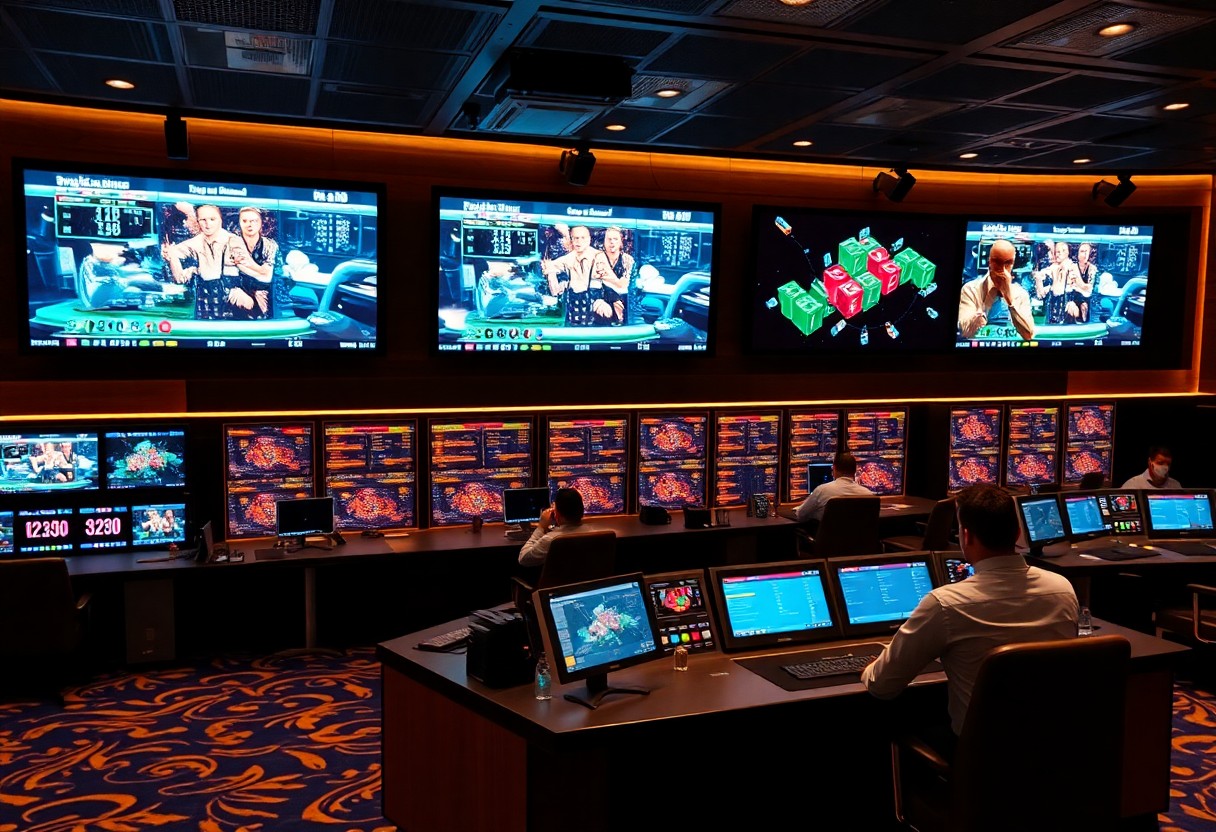
With the ever-increasing value that VIP clients bring to casinos, ongoing monitoring has become vital for optimizing their experience and ensuring their unique needs are met. This process helps casinos identify betting patterns, address potential issues, and enhance customer service, ultimately fostering loyalty and increasing revenue. Through effective monitoring, casinos can also mitigate risks associated with high-stakes gambling and tailor their offerings, ensuring a competitive edge in a crowded market.
Key Takeaways:
- Continuous monitoring enhances personalized service and strengthens client relationships.
- Understanding client behavior allows for timely interventions and tailored promotions.
- Proactive tracking of gaming activity aids in identifying potential issues or risks early on.
The Importance of Ongoing Monitoring for VIP Casino Clients
Definition of VIP Clients
VIP clients in casinos are high-value players who consistently wager significant amounts of money, enjoying exclusive perks and personalized services as a result. These clients often contribute a substantial portion of a casino's revenue, making them a priority for tailored marketing and engagement strategies.
Characteristics of VIP Clients
VIP clients typically exhibit unique traits, such as high bankrolls, frequent visits, and a greater propensity for high-stakes games. They often expect personalized attention and tailored rewards, reflecting their significant contribution to the casino's profitability.








While financial investment is a hallmark of VIP clients, their behaviors reveal further complexities. Many VIPs portray loyalty not solely through spending but also by seeking unique gaming experiences, such as exclusive events or unique access to game variants. Understanding this duality helps casinos craft more engaging and memorable experiences, fostering deeper relationships that encourage long-term loyalty.
Importance of VIP Client Segmentation
Segmenting VIP clients allows casinos to tailor their marketing and service strategies effectively, identifying and addressing the distinct needs of different groups based on spending habits and preferences.
This segmentation provides valuable insights into client behavior, enabling casinos to optimize resource allocation on promotions and services. For example, differentiating between frequent high rollers and infrequent big spenders allows for targeted offers that resonate better with each group, ensuring both engagement and retention while maximizing ROI. By monitoring these segments, casinos more accurately anticipate client needs and deliver bespoke experiences that enhance satisfaction and loyalty.
The Role of Ongoing Monitoring
Purpose of Client Monitoring
Ongoing client monitoring serves to assess player behavior and identify patterns that might indicate changes in risk levels or engagement. By actively analyzing client activity, casinos can ensure responsible gaming practices while simultaneously enhancing the player's experience. This vigilance helps casinos tailor their offerings and communications, fostering long-term loyalty from VIP clients.
Tools and Technologies for Monitoring
Advanced analytics and machine learning tools are vital for effective client monitoring. These technologies analyze large datasets in real time, uncovering trends and behaviors that may go unnoticed through manual processes. Implementing algorithms allows operators to predict player needs and mitigate potential risks promptly.
For instance, predictive analytics software can track variables like betting patterns, frequency of visits, and deposits, enabling casinos to react swiftly to any unusual behavior. Additionally, integrating CRM systems with monitoring tools provides a holistic view of each client's preferences, allowing for personalized interactions. Data visualization tools can present insights in a user-friendly way, empowering staff to make informed decisions about client engagement.
Frequent Assessments and Their Benefits
Conducting frequent assessments of VIP clients ensures that casinos stay ahead of evolving player dynamics. These evaluations allow operators to adapt their marketing strategies, optimize the gaming experience, and maintain compliance with regulatory standards. Regular touchpoints strengthen the relationship between the casino and VIP clients, reinforcing a sense of value and attention.
By implementing structured assessment schedules, casinos can identify shifts in client behavior, such as increased wagers or frequent visits, which might signal the need for targeted interventions. This proactive approach not only enhances client satisfaction but also reduces potential risks associated with problem gambling. Ultimately, consistent evaluations contribute to a deeper understanding of client needs and solidify loyalty among high-stakes players.
Enhancing Customer Experience
Personalization Through Data Analysis
Data analysis enables casinos to tailor experiences for VIP clients by leveraging insights from their gaming preferences, visit frequency, and spending habits. By analyzing this information, casinos can create individualized offers and experiences that resonate with each client's unique tastes, heightening satisfaction and loyalty.
Anticipating Needs and Preferences
Successful VIP management hinges on the ability to predict client needs. By evaluating previous interactions and preferences, casinos can proactively address expectations, whether it's securing preferred gaming tables or personalizing hospitality services.
This proactive approach often involves tracking notable habits such as time spent on specific games, reaction to certain promotions, or attendance at events. For example, if a VIP client typically enjoys high-stakes poker tournaments, casinos can anticipate their interest by inviting them to exclusive poker nights—or even offering bespoke tournament experiences, reinforcing a sense of importance and engagement.
Building Long-Term Relationships
Establishing enduring relationships with VIP clients is a key component of retention strategies in the casino industry. Personalized outreach, recognition, and dedicated customer service foster trust and appreciation.
By creating a rapport through consistent and meaningful interactions, casinos can turn transactional relationships into lasting partnerships. For instance, remembering a client's birthday with a tailored offer or reaching out personally after a significant win can enhance loyalty. These actions not only demonstrate attentiveness but also encourage further engagement, ensuring clients feel valued and special in an often impersonal industry.
Risk Management Strategies
Identifying Problematic Behaviors
Monitoring VIP clients helps casinos identify problematic behaviors, such as excessive betting or withdrawal requests that exceed typical patterns. By analyzing play history, casinos can spot trends indicative of problem gambling, enabling timely interventions. Regularly reviewing client accounts ensures that any deviations can be addressed swiftly, promoting responsible gambling practices.
Fraud Prevention and Detection
Implementing strong fraud prevention and detection measures is vital for safeguarding both the casino and its clients. Monitoring transaction activities allows casinos to quickly identify irregular patterns that may suggest fraudulent behavior. Techniques such as anomaly detection algorithms help flag unusual betting activity, which can be crucial in preventing significant financial losses.
Advanced fraud detection systems utilize machine learning to analyze vast amounts of data in real time. For instance, a sudden uptick in bet sizes from a typically conservative player can trigger alerts for investigation. These systems not only protect the casino's revenue but also enhance the integrity of the gaming experience for all players.
Compliance with Regulatory Standards
Adherence to regulatory standards is vital for maintaining the legitimacy of casino operations. Regular audits and monitoring practices ensure compliance with laws designed to prevent money laundering and protect vulnerable players. By implementing robust compliance protocols, casinos can mitigate the risk of fines and legal issues.
Ensuring compliance involves not only following local regulations but also being proactive about international standards, especially for online casinos dealing with global clients. This means staying updated on legislation changes and employing dedicated compliance teams to conduct thorough investigations and maintain meticulous records that satisfy regulatory audits.
Financial Implications
Impact of Monitoring on Revenue
Effective monitoring of VIP clients significantly boosts revenue by optimizing gaming strategies and retention efforts. Tailoring promotions based on real-time data allows casinos to enhance player engagement and capitalize on high-value gambling patterns. Increased satisfaction leads to higher spending and loyalty, resulting in a direct positive impact on overall casino profits.
Cost-Benefit Analysis of Investment in Monitoring
Investing in ongoing monitoring systems yields considerable returns by reducing churn rates and enhancing player lifetime value. Although initial costs may be substantial, the data-driven insights gained promote targeted marketing strategies and improved customer service, which often outweigh annual operational expenses. Evaluating these expenditures against potential revenue increases is vital for financial planning.
Further analysis shows that casinos experiencing a 10% increase in retention from monitoring initiatives reported a corresponding 15% rise in revenue. Automation tools that analyze gambling behavior reduce operational costs, while tailored outreach can double player engagement outcomes. Thus, a careful examination of data suggests that ROI from monitoring investments can reach 300% or more within the first year.
Case Studies of Successful Monitoring Programs
Several case studies illustrate the effectiveness of monitoring systems in enhancing casino profitability. For instance:
- Casino A implemented a monitoring system, resulting in a 20% increase in VIP retention within six months.
- Casino B utilized player data analytics, which led to a 25% boost in annual revenue through targeted promotions.
- Casino C invested in real-time monitoring, achieving a 30% reduction in churn rates and saving $1 million annually.
These examples showcase how tailored monitoring strategies can translate into significant financial growth and customer loyalty. By analyzing player behavior, casinos can enhance their offerings and create more engaging experiences, solidifying their competitive edge in the industry.
Best Practices for Ongoing Monitoring
Developing a Comprehensive Monitoring Framework
Establishing a robust monitoring framework involves creating specific metrics to evaluate VIP client behavior, including gaming frequency, transaction sizes, and engagement levels. This framework should incorporate technological tools like data analytics and artificial intelligence to streamline data collection and analysis, ensuring timely and accurate insights into client activity.
Training Staff for Effective Monitoring
Equipping staff with the right skills enhances the monitoring process. Training should focus on recognizing behavioral patterns, understanding the nuances of VIP client relationships, and utilizing monitoring tools effectively. This knowledge enables staff to act proactively, addressing issues before they escalate.
Consistent training sessions that include scenario-based learning can deepen understanding among employees. By engaging in role-playing activities and examining case studies of previous VIP interactions, staff can sharpen their judgment on indicators of problematic behavior or potential risks. This practical experience fosters a culture of awareness and responsiveness to client needs.
Continual Improvement and Adaptation Strategies
Regularly revisiting and refining the monitoring processes ensures they remain relevant and effective. Feedback loops, where staff input is reviewed, alongside analytics-driven performance assessments, can highlight areas for enhancement, allowing for agile responses to changing client behaviors and regulatory requirements.
Creating a systematic approach to improvement involves analyzing monitoring outcomes and utilizing key performance indicators (KPIs) to gauge success. This review cycle—conducted quarterly or biannually—ensures that the monitoring framework adapts to industry trends and evolving client expectations, ultimately leading to sustained growth and compliance. Additionally, engaging with external audits can provide fresh perspectives and innovative practices that further elevate service standards in monitoring VIP clients.
To wrap up
With these considerations, ongoing monitoring for VIP casino clients is imperative to ensure tailored experiences, enhance loyalty, and mitigate risks. By proactively assessing players' behaviors and preferences, casinos can maintain high levels of satisfaction and engagement while effectively managing potential issues that may arise. This approach not only strengthens client relationships but also supports the overall integrity and reputation of the casino, fostering a sustainable environment for both operators and players alike.
FAQ
Q: Why is ongoing monitoring important for VIP casino clients?
A: Ongoing monitoring helps casinos ensure the safety and security of VIP clients, detect any irregular behavior, and maintain compliance with regulations. It allows casinos to provide a personalized experience while mitigating risks associated with high-stakes gambling.
Q: What are the key factors considered during ongoing monitoring of VIP clients?
A: Key factors include transaction patterns, betting behaviors, player identification, and any changes in financial status. Casinos also monitor for signs of problem gambling and assess customer satisfaction to enhance their services.
Q: How does technology aid in monitoring VIP clients?
A: Technology facilitates data analysis through advanced algorithms and tracking systems. It enables casinos to gather real-time information, detect anomalies, and generate reports that help in making informed decisions regarding VIP client management.
Q: What are the benefits of effective ongoing monitoring for VIP clients?
A: Effective monitoring allows casinos to establish trust, provide tailored promotions, enhance customer retention, and ensure responsible gaming practices. It also helps identify potential threats to both the casino and the clients before they escalate.
Q: How often should VIP clients be monitored?
A: VIP clients should be monitored continuously, with regular reviews of their profiles and activities. This can be done through scheduled assessments and real-time tracking to adapt to any changes in client behavior or needs.

Ash
I like to keep it short. I am a writer who also knows how to rhyme his lines. I can write articles, edit them and also carve out some poetic lines from my mind. Education B.A. - English, Delhi University, India, Graduated 2017.
Related Posts

mkodo’s GeoLocs launches Fraud Shield to strengthen player risk controls
September 16, 2026

International Alliance strengthens cooperation on telecom and cyber fraud
September 11, 2026



UK gambling websites face privacy scrutiny over cookie consent practices
September 7, 2026

Inpay faces Danish restriction on new online gambling clients over AML
September 4, 2026