How Transaction Monitoring Tools Flag High-Risk Crypto Bets?
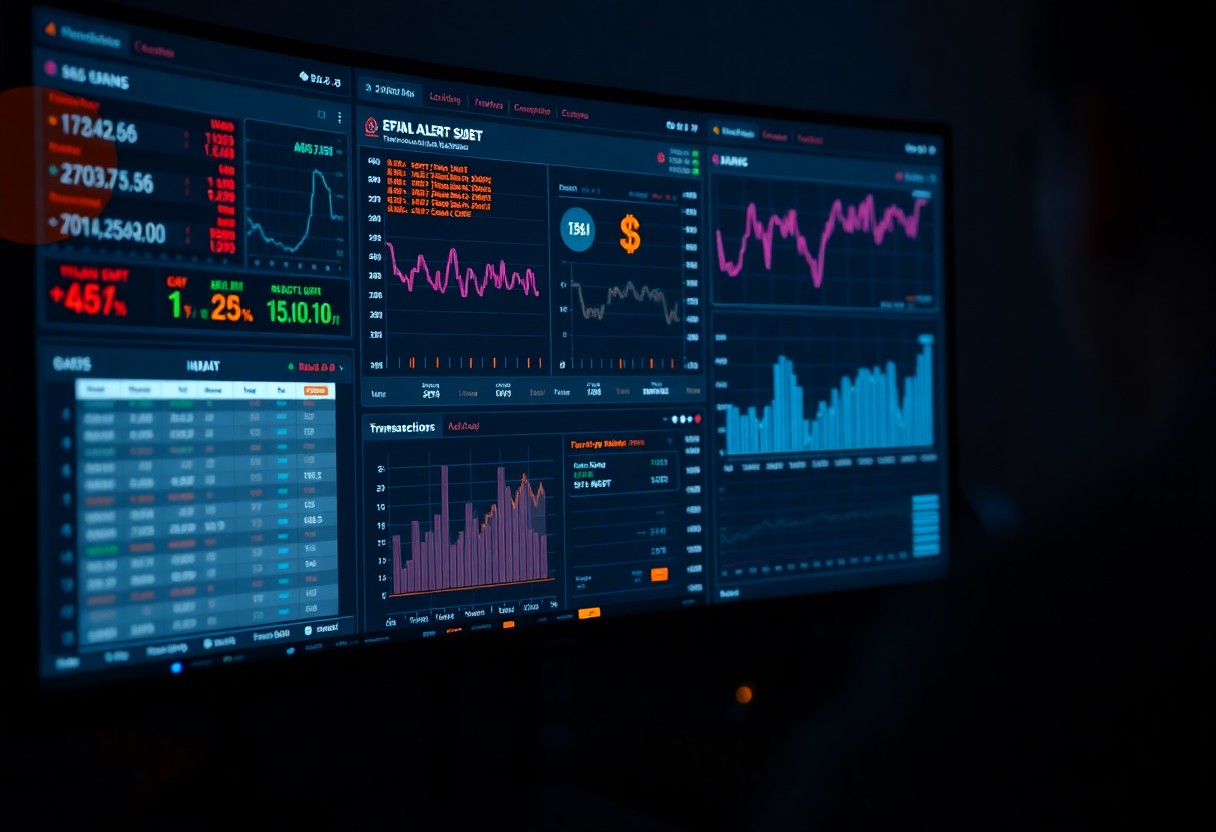
With the increasing complexity of cryptocurrency transactions, robust transaction monitoring tools play a vital role in identifying high-risk activities. These tools utilize advanced algorithms to analyze patterns, detect anomalies, and assess the risk level of transactions in real-time. By flagging suspicious behavior, they help mitigate potential financial crimes, ensuring compliance with regulatory standards. This post explores how these systems function, the metrics they use, and their significance in safeguarding the integrity of cryptocurrency trading.
Key Takeaways:
- Transaction monitoring tools analyze patterns and behaviors in crypto transactions to identify anomalies indicative of high-risk activities.
- These tools utilize algorithms and machine learning to evaluate factors like transaction size, frequency, and the reputation of wallet addresses.
- Integration with regulatory databases and real-time reporting enhances the effectiveness of flagging potentially suspicious transactions.
Understanding Transaction Monitoring
Definition of Transaction Monitoring
Transaction monitoring involves the systematic review of financial transactions to detect suspicious or potentially illicit activities. Tools and algorithms analyze patterns and anomalies in transaction data, allowing financial institutions to flag transactions that deviate from expected behavior, which may indicate money laundering, fraud, or compliance violations.
Importance in Cryptocurrency
Transaction monitoring is crucial in cryptocurrency due to its decentralized nature and anonymity features, which can obscure the flow of funds. Without proper monitoring, cryptocurrencies can facilitate illegal activities such as funding terrorism or laundering money. Regulations now require exchanges to implement robust monitoring systems to prevent these risks.


The rise of decentralized finance (DeFi) and the increasing use of cryptocurrency for transactions have further underscored the necessity for effective transaction monitoring. According to a 2022 report by Chainalysis, illicit cryptocurrency transactions reached $14 billion, highlighting the pressing need for vigilance. By employing sophisticated algorithms and machine learning techniques, transaction monitoring tools can effectively identify unusual trading behavior, such as rapid movements of large sums, helping to mitigate the risk of financial crime in an evolving landscape.
High-Risk Crypto Activities
Characteristics of High-Risk Transactions
High-risk transactions often display unusual patterns, such as large, rapid movements of funds, anonymous sender-receivers, and usage of mixing services. These transactions may involve volatile cryptocurrencies or large sums inconsistent with the user's known financial history. Moreover, they often take place in jurisdictions with lax regulatory oversight and can involve peer-to-peer exchanges that obscure transaction origins.
Common High-Risk Crypto Bets
Investors frequently engage in high-risk activities like investing in Initial Coin Offerings (ICOs) lacking transparency, leveraging margin trading, and participating in decentralized finance (DeFi) protocols promising unusually high returns. Additionally, speculation in niche altcoins or the practice of pump-and-dump schemes constitute significant high-risk bets.
These common high-risk crypto bets can attract unwitting investors due to their enticing promises of quick profits. For instance, during the rise of DeFi, many staked their assets in less-known protocols, only to face liquidity crises when the protocols failed. The speculative nature of ICOs further exemplifies this risk, where a lack of due diligence often leads to significant financial losses, as many projects pivot poorly or disappear entirely. Ongoing vigilance is important in navigating these high-stakes environments.
Mechanisms of Transaction Monitoring Tools
Data Analysis Techniques
Transaction monitoring tools utilize various data analysis techniques to identify suspicious activities within crypto transactions. By leveraging statistical models and rules-based algorithms, these tools analyze transaction volumes, frequencies, and the geographical origins of the transactions. Anomalies such as sudden spikes in activity or patterns indicative of layering and integration stages of money laundering can trigger alerts for further review.
Machine Learning and AI in Monitoring
Machine learning and AI play a transformative role in enhancing the effectiveness of transaction monitoring systems. These technologies adapt and evolve as they process more data, improving their capacity to detect complex fraud patterns and high-risk activities that traditional methods may miss.
For example, machine learning algorithms can analyze vast datasets to establish baseline behaviors for specific users and identify deviations from established norms. Techniques such as supervised learning can classify transactions into high-risk and low-risk categories based on historical patterns. This approach enables transaction monitoring systems to continuously refine their accuracy and reduce false positives while keeping pace with the quickly changing nature of crypto transactions.
Real-Time Monitoring Capabilities
Real-time monitoring capabilities are necessary for effective transaction oversight. These features enable transaction monitoring tools to assess crypto transactions as they occur, providing immediate feedback on potentially suspicious activities and allowing for timely intervention.
By employing advanced data processing techniques, real-time monitoring systems can evaluate transaction attributes, such as amounts, timestamp, and sending/receiving wallets, instantaneously. This capability ensures that suspicious transactions are flagged without delay, which is vital in preventing illegal activities before they can escalate. For instance, a sudden large transfer between wallets with a history of illicit activity can be flagged immediately, prompting further investigation while the transaction is still in progress.
Flagging Mechanisms
Rules-Based Flagging
Rules-based flagging operates on predefined criteria, triggering alerts when transactions exceed specific thresholds. For instance, a transaction exceeding $10,000 may automatically be flagged for further review. These rules are often tailored to regulatory requirements and can vary by jurisdiction, ensuring consistent monitoring tailored to the unique demands of cryptocurrency markets.
Anomaly Detection Methods
Anomaly detection involves identifying unusual patterns that deviate from established norms. When a user's transaction history suddenly spikes, or if there's a drastic change in activity, tools utilizing this method will flag such occurrences for investigation. This approach leverages advanced analytics to recognize behaviors that typical rules may overlook, adding a layer of flexibility.
Anomaly detection employs various statistical techniques and machine learning algorithms to establish baseline behavior of users. Once a baseline is determined, the system analyzes ongoing transactions in real-time. For example, if a user consistently transacts small amounts and suddenly initiates a large transfer to an offshore account, the detection system would trigger an alert due to the significant deviation from recognized patterns. This method enhances the capability to spot potential fraud or money laundering activities that standard rules may miss.
Risk Scoring Algorithms
Risk scoring algorithms assign risk levels to transactions based on a multitude of factors, including transaction size, frequency, and user history. Each factor contributes to a cumulative score, allowing for a nuanced assessment of potential risk before any action is taken.
These algorithms typically analyze a range of data points such as geographical red flags, user behavioral history, and the nature of the transaction itself. For instance, a user from a jurisdiction known for high financial crime may receive a higher risk score when making substantial transactions. This sophisticated scoring system empowers firms to prioritize their resources effectively, focusing on transactions deemed high-risk, ultimately reinforcing overall security within the cryptocurrency ecosystem.
False Positives and Negatives
Challenges of Accuracy
Achieving high accuracy in transaction monitoring tools remains a significant challenge in cryptocurrency markets due to diverse transaction types, rapid market changes, and varying compliance requirements across jurisdictions. Tools often grapple with distinguishing between legitimate transactions and potential risks, leading to inconsistencies in identifying suspicious activities.
Impact of False Positives
False positives can undermine the effectiveness of transaction monitoring systems, as they generate unnecessary alerts that burden compliance teams. Responding to these alerts diverts resources from addressing actual risks and can delay legitimate transactions, impacting user experience and trust in platforms.
For instance, a study revealed that up to 90% of alerts generated by some monitoring tools could be false positives, leading to substantial operational inefficiencies. Financial institutions may face penalties for failing to act on genuine issues while simultaneously investing time in investigating baseless claims, complicating regulatory compliance efforts and frustrating users seeking prompt service.
Strategies for Minimizing Errors
Implementing machine learning algorithms and fine-tuning risk parameters are effective strategies for minimizing errors in transaction monitoring. By continuously training systems on historical data, organizations can improve their ability to distinguish between benign and risky transactions.
Moreover, employing a layered approach that combines automated monitoring with human oversight allows for contextual analysis in ambiguous cases. For example, integrating external data sources such as news feeds or social media trends can provide additional context, enhancing the accuracy of alerts and ensuring that compliance teams focus only on the most pertinent cases for investigation.
Regulatory Compliance
Legal Requirements for Transaction Monitoring
Regulatory bodies globally mandate financial institutions to implement robust transaction monitoring systems for cryptocurrency activities. These requirements include adherence to the Financial Action Task Force (FATF) guidelines, which emphasize the necessity to identify and assess risks associated with virtual assets, ensuring compliance with Anti-Money Laundering (AML) laws and combating the financing of terrorism (CFT).
Role of Monitoring in AML and KYC Compliance
Transaction monitoring plays a vital role in AML and KYC compliance by detecting suspicious activities that may indicate money laundering or terrorist financing. By continuously analyzing transactional data, institutions can identify patterns and anomalies that warrant further investigation, facilitating proactive risk management.
Monitoring tools can automatically screen transactions against known blacklists and analyze user behavior. For example, a sudden, large withdrawal from a dormant account might trigger alerts, requiring further scrutiny to ensure compliance. This approach not only helps in preventing illicit activities but also protects institutions from penalties associated with non-compliance.
Future Regulatory Trends in Cryptocurrency
As the cryptocurrency market evolves, regulatory trends are shifting towards stricter compliance measures. Governments are increasingly focusing on developing frameworks that would require real-time monitoring and reporting of suspicious transactions, reflecting a growing recognition of the need for enhanced accountability.
These future regulations may include more rigorous licensing requirements for crypto exchanges and wallet providers, as well as mandatory integration of advanced transaction monitoring systems. With indications that the U.S. Treasury may adopt stricter regulations, companies must stay ahead by investing in technologies capable of adapting to new compliance demands while addressing security concerns and fostering consumer trust.
Summing up
With these considerations, transaction monitoring tools play a vital role in identifying high-risk crypto bets by analyzing patterns, transaction volumes, and user behaviors. These tools deploy algorithms to flag irregularities that may suggest fraud or money laundering, making it easier for regulators and institutions to uphold compliance standards. By integrating real-time data analysis with machine learning, these systems enhance the capacity to detect suspicious activities in the increasingly complex landscape of cryptocurrency trading. Ultimately, effective monitoring aids in protecting both investors and the integrity of the financial ecosystem.
FAQ
Q: How do transaction monitoring tools identify high-risk transactions in cryptocurrency?
A: Transaction monitoring tools analyze various data points such as transaction volume, user behavior, and transaction history to identify patterns indicative of high-risk activities. They utilize algorithms to assess factors like fund source and recipient analysis, payment structuring, and frequency of transactions to flag suspicious activities.
Q: What metrics do monitoring tools use to assess risk levels in crypto transactions?
A: These tools often consider metrics such as transaction size, geographical location of the user, wallet age, previous transaction behavior, exposure to known high-risk entities, and deviations from normal trading patterns to determine risk levels.
Q: Can transaction monitoring tools provide real-time alerts for high-risk transactions?
A: Yes, many transaction monitoring tools are designed to send real-time alerts to compliance teams when a transaction meets specific high-risk criteria, allowing for immediate investigation and action if necessary.
Q: How do monitoring tools differentiate between legitimate trading and illicit activities?
A: Monitoring tools use machine learning and historical data to establish baselines for user behavior. They flag transactions that significantly deviate from these baselines, which may indicate potential money laundering, fraud, or other illicit activities.
Q: How do transaction monitoring tools adapt to evolving risks in the cryptocurrency market?
A: These tools continuously update their algorithms and risk assessment criteria based on new threats, regulatory changes, and market trends. Ongoing learning from recent transactions and feedback mechanisms help enhance their effectiveness against emerging risks.

Claire
A highly motivated, results-driven, enthusiastic and ambitious writer. I can offer you well researched and high-quality article writing on any topic for your website or blog and can as well re-write your existing web content.