















How Malta and Gibraltar Compete for High-Risk Operators?
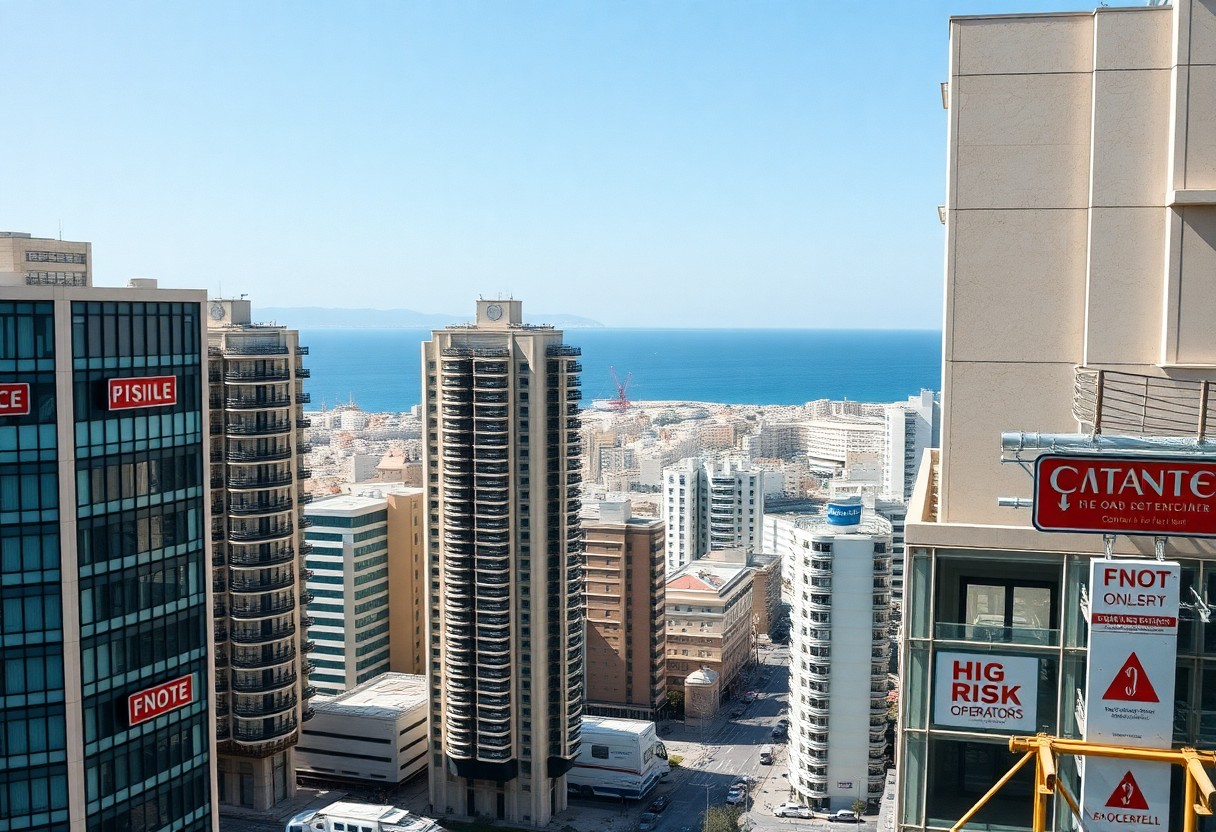
Many jurisdictions have emerged as key players in the regulated gaming and financial industries, but Malta and Gibraltar stand out in their aggressive competition for high-risk operators. Both regions offer unique regulatory environments, tax incentives, and a skilled workforce, making them attractive hubs for businesses that operate in high-risk sectors such as online gambling and fintech. This post explores the strategies employed by Malta and Gibraltar to attract these operators, highlighting the advantages and challenges each territory faces in this dynamic marketplace.
Key Takeaways:
- Malta leverages its EU membership and regulatory framework to attract high-risk operators by offering a robust legal environment.
- Gibraltar presents a favorable tax regime and swift licensing processes to entice high-risk businesses, focusing on operational efficiency.
- Both jurisdictions emphasize strong compliance measures to enhance their reputations and maintain competitiveness in the high-risk sector.
Historical Context
Overview of Malta's Economic Landscape
Malta's economy has rapidly evolved over the last two decades, shifting from a manufacturing base to a service-oriented model. Significant growth in sectors such as gaming, financial services, and technology has positioned Malta as a leader in attracting foreign investment. In 2022, the gaming industry alone contributed approximately 12% of the nation's GDP, showcasing its importance in the overall economic framework.
Overview of Gibraltar's Economic Landscape
Gibraltar's economy is heavily reliant on the financial services and online gambling sectors, which together account for over 30% of its GDP. The jurisdiction has established itself as a favorable environment for high-risk operators, thanks to its robust regulatory framework and strategic location. With a focus on attracting tech-savvy businesses, Gibraltar provides a competitive edge in an increasingly crowded market.










The growth trajectory in Gibraltar has been notable, with the online gaming sector witnessing an annual increase of around 10% in recent years. This rise is fueled by regulatory adjustments that facilitate the entry of new operators and enhance existing services, thereby increasing Gibraltar's attractiveness as a hub for high-risk industries.
Historical Development of High-Risk Industries
The trajectory of high-risk industries in Malta and Gibraltar began to take shape in the early 2000s, prompted by the liberalization of gambling regulations and an influx of online platforms. Malta became a pioneer in establishing a comprehensive gaming regulatory framework, while Gibraltar followed suit, allowing for a cashed-up industry that quickly drew in operators seeking favorable terms and conditions.
Milestones such as Malta's Gaming Authority's establishment in 2001 laid the groundwork for a structured environment, improving both credibility and security for operators. Conversely, Gibraltar's 2005 Gambling Act allowed for the licensing of remote gambling, energizing its market share and fostering a competitive landscape that attracts both established players and new entrants alike, thereby shaping the future of high-risk industries in both territories.
Regulatory Framework
Malta's Regulatory Environment
Malta's regulatory framework is governed by the Malta Gaming Authority (MGA), which ensures adherence to strict guidelines for operator licensing. The MGA emphasizes transparency and integrity, offering several licenses tailored to high-risk sectors. This approach attracts operators seeking a reputable jurisdiction while complying with EU standards.
Gibraltar's Regulatory Environment
Gibraltar's regulatory landscape, overseen by the Gibraltar Gambling Commissioner, focuses on protecting consumers and maintaining a fair gaming environment. With a strong emphasis on financial robustness and compliance, Gibraltar has established itself as an attractive destination for high-risk operators looking for a reliable and regulated market.
In Gibraltar, the regulator applies stringent measures regarding money laundering and customer protection. The framework includes robust reporting requirements and ongoing compliance checks for licensees. Notably, Gibraltar's regulatory authority works closely with international organizations to ensure that its policies remain aligned with global standards, further enhancing its appeal to high-risk operators.
Comparison of Regulatory Approaches
The regulatory approaches of Malta and Gibraltar highlight various strategies to oversee high-risk operators effectively.
Regulatory Comparison Table
| Criteria | Malta |
|---|---|
| Regulating Body | Malta Gaming Authority (MGA) |
| Compliance Requirements | Strict, with emphasis on transparency |
| Licensing Fees | Varied based on license type |
| Appeal to Operators | Competitive and EU-compliant |
Regulatory Comparison Table
| Criteria | Gibraltar |
|---|---|
| Regulating Body | Gibraltar Gambling Commissioner |
| Compliance Requirements | Robust, with strong focus on consumer protection |
| Licensing Fees | Generally higher than Malta |
| Appeal to Operators | Trustworthy and financially stable |
Impact on High-Risk Operators
Both Malta and Gibraltar have positioned themselves as attractive options for high-risk operators by tailoring their regulatory frameworks to meet industry demands.
The impact of these regulatory environments on high-risk operators is significant, as they shape the operational landscape. In Malta, the flexibility in licensing and regulatory incentives attracts a variety of high-risk businesses, while Gibraltar fosters an environment that prioritizes consumer protection and compliance. Operators often consider factors such as reputation, regulatory rigor, and potential barriers to entry, making these jurisdictions central to their strategic decisions.
Taxation Policies
Malta's Tax Incentives for High-Risk Operators
Malta offers a favorable tax regime for high-risk operators, with a corporate tax rate of 35% that can be effectively reduced to 5% through various tax refunds for shareholders. This structure attracts online gaming and fintech companies, providing them with effective tax rates that are highly competitive on a European scale. Special licenses and incentives for remote gaming further fortify Malta's position as a preferred jurisdiction.
Gibraltar's Tax Framework and Benefits
Gibraltar applies a corporate tax rate of 10% for gaming companies, which is appealing for high-risk operators. Additionally, there are no capital gains taxes, inheritance taxes, or VAT, making it a strategic choice for businesses seeking to maximize profits. The jurisdiction's strong regulatory framework ensures compliance, enhancing credibility among industry stakeholders.
The appeal of Gibraltar's tax framework lies in its predictability and stability. With recent revisions, operators enjoy streamlined compliance processes and incentives for innovation, coupled with a consistent fiscal policy that enhances operational security. Companies can access social security benefits and robust legal protections, contributing to an attractive business environment for high-risk industries.
Comparative Analysis of Taxation Strategies
Tax Incentives | Details
Malta | Corporate tax effectively reduced to 5% via refunds.
Gibraltar | Straightforward 10% corporate tax with no capital gains tax.
Both jurisdictions adopt distinctive strategies that align with their economic goals. Malta's multi-tiered incentives attract a wide range of high-risk operators, while Gibraltar's low flat rate and absence of certain taxes appeal to businesses seeking simplicity and transparency. The flexibility of Malta's system allows for tailored approaches, whereas Gibraltar's stable framework fosters predictability for long-term investments.
Implications for Business Attractiveness
High-risk operators weigh the financial implications of taxation policies heavily in their decision-making processes. Malta's attractive incentives for remote gaming create a bustling industry, drawing numerous operators to its shores. In contrast, Gibraltar appeals to those looking for a straightforward tax structure while maintaining regulatory integrity.
As competition heightens, operators benefit from contrasting tax regimes that cater to diverse strategic needs. Malta's incentives support growth and innovation, while Gibraltar's simplicity appeals to firms prioritizing operational efficiency. The choice significantly affects operational costs and investor confidence, ultimately influencing each jurisdiction's attractiveness as a hub for high-risk industries.
Financial Services Sector
Role of Financial Services in Malta's Economy
Malta's financial services sector contributes significantly to its GDP, accounting for approximately 11% of total economic output. The industry encompasses banking, insurance, and investment services, fostering a conducive environment for high-risk operators. Malta has positioned itself as an attractive jurisdiction due to its regulatory framework, well-educated workforce, and an evolving technological infrastructure that supports innovative financial products.
Gibraltar's Financial Services Position
Gibraltar plays a pivotal role in the financial services landscape, with the sector representing around 10% of its GDP. Its favorable tax regime and regulatory framework are appealing to high-risk operators, particularly in online gaming and fintech. Gibraltar's reputation for robust compliance measures alongside comprehensive services ensures continued attraction and growth in this domain.
Additionally, Gibraltar's financial services sector is bolstered by significant growth in e-gaming operations, hosting several high-profile companies. The regulation by the Gibraltar Financial Services Commission (GFSC) is designed to attract operators looking for a reliable regulatory environment that prioritizes transparency and integrity, further enhancing Gibraltar's position as a competitive playground for high-risk businesses.
Infrastructure Supporting High-Risk Operations
Infrastructure in Malta is well-developed, featuring advanced telecommunications, logistical support, and access to a skilled workforce. This infrastructure enables high-risk operators to efficiently run operations while complying with stringent regulations. The government continuously invests in upgrading facilities and technological support, ensuring a competitive landscape for businesses.
Malta's strategic geographical location in the Mediterranean provides direct access to European, African, and Middle Eastern markets. The robust Internet connectivity and digital resources further enhance operational capabilities for high-risk operators. In contrast, Gibraltar offers a similarly efficient infrastructure, providing necessary services such as legal, accounting, and auditing to help businesses scale and adapt quickly in a dynamic environment.
Case Studies: Key Operators in Each Jurisdiction
Case studies of successful operators illustrate the advantages provided by Malta and Gibraltar in hosting high-risk businesses. Here are notable examples:
- Malta: Kindred Group – Over €1.1 billion revenue in 2020, employing approximately 1,000 staff.
- Malta: Betsson Group – Reported €268 million revenue in 2020, with a workforce of around 610.
- Gibraltar: 888 Holdings – Generated £1.04 billion revenue in 2020, employing around 1,200 personnel.
- Gibraltar: William Hill – Approximately £1.86 billion revenue in 2020, employing over 3,000 staff globally.
These case studies highlight the thriving environment in both jurisdictions, showcasing significant revenues and employment figures, which serve to attract further investments. The continuous influx of high-profile operators amplifies the competitive landscape, driving innovation and enhancements in services. Such operators have not only capitalized on favorable regulatory environments but have also integrated local talent, fostering a robust ecosystem beneficial to all stakeholders involved.
Political and Economic Stability
Malta's Political Landscape and Stability
Malta enjoys a stable political environment, characterized by a parliamentary democracy and long-standing membership in the European Union. The government's commitment to economic growth, transparency, and regulation has fostered an attractive atmosphere for high-risk operators. Malta's political stability is bolstered by its strong legal frameworks and the ability to adapt quickly to global changes, making it a desirable destination for businesses seeking reliability.
Gibraltar's Political Disposition and Impact
Gibraltar maintains a unique political position, marked by its status as a British Overseas Territory. This status ensures considerable legal and regulatory advantages, appealing to high-risk operators looking for stability. The ongoing concerns surrounding Brexit have prompted Gibraltar to reinforce its economic policies to mitigate potential impacts, ensuring its market remains captive to innovation and growth in the financial sector.
Gibraltar's political disposition continues to shape its business environment. The territory's relationship with both the UK and the EU allows it to navigate complex regulatory landscapes effectively. Amidst Brexit uncertainties, Gibraltar's government has actively sought to establish trade agreements and maintain its financial sector's strength, emphasizing its resilience and strategic agility in adapting to political shifts.
Risk Assessments: Economic Stability and Growth Potential
Economic stability in both Malta and Gibraltar remains a pivotal consideration for high-risk operators. Malta, with its robust economic performance, recorded a GDP growth of 9.5% in 2021, while Gibraltar showcases resilience with a growing economy, focusing on digital and financial services innovation. These factors collectively bolster investor confidence and signal a sustainable growth trajectory.
Comprehensive risk assessments highlight both territories as viable options for high-risk operators. Malta's economic diversification, coupled with supportive policies for FinTech and gaming industries, places it in a strong position to attract investment. Similarly, Gibraltar's commitment to enhancing its regulatory framework for emerging industries assures potential operators of long-term stability and growth prospects, particularly as the landscape continues to evolve post-Brexit.
Market Perception
Reputation of Malta as a High-Risk Participation Hub
Malta has cultivated a reputation as a key player in attracting high-risk operators, leveraging its robust regulatory framework and favorable tax incentives. The jurisdiction is recognized for its commitment to compliance, which reassures potential investors and operators about the legitimacy of their business engagements. This perception has drawn numerous online gaming and financial service companies, enhancing Malta's status as a favorable high-risk marketplace.
Reputation of Gibraltar in the Market
Gibraltar has established itself as another leading venue for high-risk operators, renowned for its strategic regulatory approach and business-friendly policies. The territory is also home to a variety of gambling and online gaming businesses, positioning itself as an attractive alternative to larger jurisdictions. Its regulatory body is respected worldwide, contributing to a positive image among prospective operators.
The solidity of Gibraltar's reputation is further underscored by its proactive engagement with operators, providing tailored guidance and support that encourages business growth. The territory has embraced innovation while maintaining rigorous standards, which bolsters operator confidence and attracts a diverse set of businesses. This combination of personalized service and reputation for reliability has made Gibraltar a sought-after destination for high-risk ventures.
Influence of Media and Public Opinion
Media representations of Malta and Gibraltar significantly shape market perceptions, influencing both operator decisions and public sentiment. Positive coverage highlighting regulatory successes and innovative industry practices contributes to an attractive image, making both jurisdictions appealing to high-risk operators.
Perceptions shaped by media can drive investment decisions, as narratives surrounding regulatory effectiveness and market stability resonate with potential high-risk operators. Instances of negative press can lead to skepticism; thus, both Malta and Gibraltar actively engage in public relations campaigns to counter unfounded criticisms and bolster their reputations in the industry. By managing their media narratives effectively, both jurisdictions strive to maintain and enhance their positioning in the high-risk market landscape.
Branding Strategies for Attracting Operators
Malta and Gibraltar deploy distinct branding strategies tailored to attract high-risk operators, emphasizing unique advantages that set them apart. This includes promoting regulatory excellence, strategic geographical location, and a thriving ecosystem of support services.
Malta emphasizes its comprehensive regulatory framework and educational programs ensuring operator compliance, while Gibraltar markets its direct access to European markets and robust legal protections. Both jurisdictions invest in trade shows and conferences, showcasing their advantages to potential operators. By leveraging targeted marketing campaigns and direct outreach, they effectively create a compelling narrative that appeals to high-risk enterprises seeking reliable and supportive environments.
Summing up
To wrap up, Malta and Gibraltar continue to vie for high-risk operators by leveraging their unique regulatory frameworks, favorable tax regimes, and strategic geographical positions. Malta emphasizes its robust licensing process and extensive banking infrastructure, while Gibraltar plays on its close ties to the UK and established gambling market. Both jurisdictions are improving compliance standards and enhancing their reputations to attract and retain operators in this competitive landscape, showcasing their commitment to balancing innovation with regulatory oversight.
FAQ
Q: What are high-risk operators in the context of Malta and Gibraltar?
A: High-risk operators refer to businesses, particularly in the online gaming and financial sectors, that are considered to have a higher likelihood of fraud or money laundering. These operators often seek regulatory environments that are more favorable and less stringent.
Q: How do Malta and Gibraltar attract high-risk operators?
A: Malta offers a comprehensive licensing framework and favorable tax rates, which appeal to high-risk operators. Gibraltar, on the other hand, provides a robust regulatory environment and is known for its efficient licensing processes, making it attractive for these businesses.
Q: What regulatory advantages does Malta have over Gibraltar for high-risk operators?
A: Malta has a flexible regulatory approach and offers various options for licenses tailored to different types of high-risk operations, along with competitive taxation policies that can be more beneficial for operators looking to minimize costs.
Q: In what ways does Gibraltar compete with Malta in this sector?
A: Gibraltar competes by ensuring quick processing times for licenses, providing a stable legal framework, and maintaining strong ties with major financial institutions, which can give operators quicker access to banking services.
Q: What role does public perception play in the competition between Malta and Gibraltar?
A: Public perception can significantly impact the attractiveness of both locations. Malta's established reputation in online gaming may draw more operators, while Gibraltar's focus on compliance and security can reassure those concerned with regulatory risks.

Lela
I have over 10 years' experience proofreading and editing where spelling and grammar were paramount. This includes newspaper publication and designing advertisements. I personally write all my articles.This allows me to do in-depth research and provide premium content.
Related Posts


Continent 8 Technologies expands with Johannesburg data centre in Africa
September 30, 2026

1xBet returns to Liberia after LIPAY Inc. secures a new gaming license
September 29, 2026

Just Slots secures MGA licence and partners with Hub88 for market launch
September 29, 2026

CT Interactive expands its games portfolio with 25 new certified titles
September 28, 2026

Octoplay secures Pennsylvania authorization for North American expansion
September 28, 2026

BETER secures Alberta supplier registration for Canadian market expansion
September 28, 2026