

















Slovakia gambling regulation strengthens World Cup betting oversight
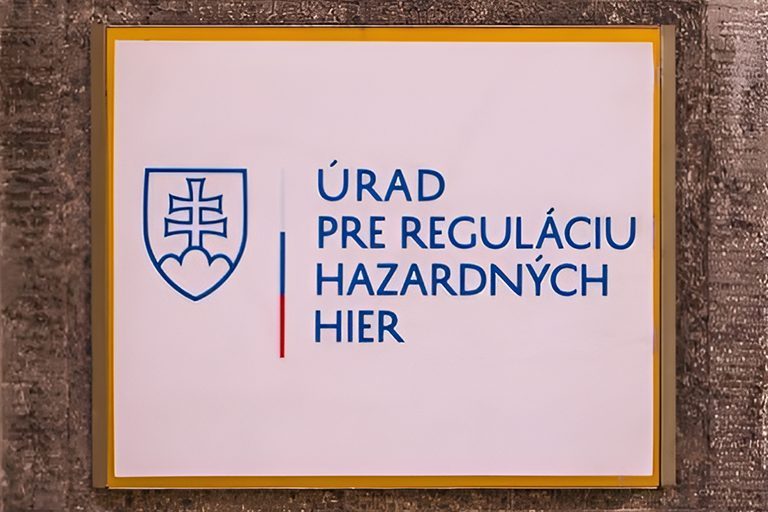
Slovakia gambling regulation is set to take center stage during the 2026 FIFA World Cup as the country's gambling authority increases scrutiny of betting operators and their marketing activities. The move reflects a broader effort by Slovak authorities to strengthen consumer protection standards and encourage responsible gambling practices during one of the world's most-watched sporting events.
The Gambling Regulatory Authority of Slovakia (URHH) has formally reminded licensed gambling operators that the FIFA World Cup should not be viewed as an opportunity to pursue aggressive marketing campaigns without regard for regulatory obligations. Instead, operators are expected to ensure that all promotional activities comply with existing legal requirements and responsible gambling principles.
The regulator's latest announcement highlights the growing importance of consumer welfare within Slovakia's evolving gambling framework. With millions of football fans expected to engage with World Cup-related content, authorities are seeking to ensure that gambling advertising remains balanced, transparent and socially responsible.








URHH outlines expectations for World Cup campaigns
The Gambling Regulatory Authority has communicated clear expectations to both online and land-based gambling operators ahead of the tournament.
According to Libuša Baranová, Director General responsible for gambling policy, the regulator intends to closely monitor advertising activities throughout the World Cup period.
She stated: “During the 2026 FIFA World Cup, the Gambling Regulatory Authority will consistently monitor and evaluate the content of operators’ advertising campaigns throughout the duration of the tournament.”
The statement sends a clear signal that regulatory oversight will remain active throughout the competition. Authorities are expected to review marketing materials across multiple channels to ensure compliance with gambling legislation and consumer protection standards.
The regulator emphasized that the increased public attention surrounding the World Cup should be used as an opportunity to reinforce responsible gambling messages rather than encourage excessive betting behavior.
Focus on responsible gambling measures
A key element of the regulator's guidance involves the promotion of safer gambling tools and educational messaging.
Operators have been encouraged to make greater use of responsible gambling measures within their campaigns. These measures include self-exclusion programs, deposit limits and other tools designed to help consumers manage their gambling activity responsibly.
Baranová noted that operators should actively communicate the availability of these safeguards while ensuring that promotional content does not create unrealistic expectations about gambling outcomes.
The authority believes that major sporting events can create heightened betting interest among consumers. As a result, it considers it particularly important that operators provide clear information about responsible participation and risk awareness.
By encouraging the inclusion of safer gambling messages within advertising campaigns, the regulator aims to strike a balance between a legal gambling market and effective consumer protection.
Comprehensive monitoring across media channels
The regulator has confirmed that its monitoring activities will extend across a broad range of communication platforms.
Television advertising, digital media, social media channels and outdoor promotional materials will all be subject to review during the tournament period.
This broad approach reflects the modern advertising landscape, where consumers interact with gambling-related content across numerous platforms and devices.
Regulators have also indicated that enforcement action may be taken where violations are identified. The authority stated that it stands ready to intervene should operators breach gambling regulations or broader consumer protection requirements.
Such oversight is intended to maintain public confidence in the regulated gambling market while ensuring that operators compete within clearly defined legal boundaries.
Slovakia's wider gambling reform discussion
The latest warning from the regulator comes amid a broader national discussion regarding the future direction of gambling policy in Slovakia.
Over the past several years, policymakers have increasingly examined whether existing regulations remain suitable for a rapidly evolving gambling sector. The growth of online gambling has been a central consideration in these discussions.
In early 2025, Slovak government minister Rudolf Huliak called for a review of the country's gambling framework. He argued that regulatory measures should evolve alongside changing consumer behavior and technological developments.
Among his proposals were stricter licensing requirements and additional controls aimed at reducing potential gambling-related harms.
Huliak also suggested that certain higher-risk gambling products could potentially be restricted to the state-owned operator TIPOS. The proposal generated discussion among political leaders and industry stakeholders regarding competition, market access and consumer protection.
Political considerations and European regulations
The debate over gambling reform also raised questions about compatibility with broader European regulatory principles.
President Peter Pellegrini did not move forward with proposals that could have significantly limited market competition. Concerns were raised that certain restrictions might conflict with European Union principles relating to competition and the operation of free markets.
While declining to advance those specific measures, Pellegrini acknowledged the importance of strengthening safeguards for consumers.
His position reflected an effort to balance public policy objectives with legal and economic considerations. The discussion demonstrated that gambling regulation remains a complex policy area where consumer protection, market competition and regulatory compliance must be carefully balanced.
Partnership with University of Trnava supports research
Another significant development in Slovakia gambling regulation occurred in May when the Gambling Regulatory Authority announced a partnership with the University of Trnava.
The collaboration is designed to support evidence-based policymaking through academic research and data analysis.
Under the arrangement, researchers will gain access to relevant market information to help evaluate gambling trends and consumer behavior. The initiative also includes the development of prevention programs aimed at educating students and young people about potential risks associated with digital addiction.
Additional objectives include supporting academic research projects, encouraging thesis development on gambling-related topics and organizing conferences focused on online safety and consumer awareness.
By involving academic institutions in regulatory efforts, authorities hope to build a stronger understanding of emerging challenges within the gambling sector and develop more effective responses.
Growing emphasis on consumer protection
The regulator's World Cup warning and its collaboration with academic researchers point toward a common objective: stronger consumer protection.
As online gambling continues to expand across Europe, regulators are increasingly focusing on risk management, transparency and responsible gambling initiatives.
Large sporting events such as the FIFA World Cup often generate substantial betting activity, making them important periods for regulatory oversight. Authorities recognize that increased participation can create additional risks for vulnerable consumers if appropriate safeguards are not maintained.
The Slovak regulator's approach suggests a proactive strategy aimed at addressing these concerns before problems arise rather than relying solely on enforcement after violations occur.
Conclusion
Slovakia gambling regulation is entering a new phase characterized by increased oversight, stronger consumer protection measures and greater emphasis on responsible gambling practices. As the 2026 FIFA World Cup approaches, the Gambling Regulatory Authority has made it clear that operators must maintain high standards when designing and delivering marketing campaigns.
The regulator's commitment to monitoring advertising across television, digital platforms, social media and outdoor channels demonstrates a comprehensive approach to enforcement. At the same time, ongoing discussions about gambling reform and the partnership with the University of Trnava indicate that Slovakia is pursuing a longer-term strategy focused on research, prevention and public welfare.
While the gambling industry continues to evolve, Slovak authorities appear determined to ensure that market growth is accompanied by robust safeguards. The World Cup will likely serve as an important test of how effectively operators can balance commercial objectives with their responsibilities toward consumers and society.
FAQs
What is the focus of Slovakia's latest gambling regulatory warning?
The warning focuses on ensuring that gambling operators conduct World Cup-related advertising in a responsible manner while complying with consumer protection requirements.
Which authority oversees gambling regulation in Slovakia?
The Gambling Regulatory Authority of Slovakia (URHH) is responsible for supervising licensed gambling activities and enforcing regulatory standards.
Why is the FIFA World Cup receiving special regulatory attention?
Major sporting events often generate increased betting activity, making them important periods for monitoring advertising practices and consumer protection measures.
What responsible gambling tools has the regulator encouraged operators to promote?
Operators have been encouraged to highlight self-exclusion options, deposit limits and other responsible gambling features designed to help consumers manage their betting activity.
Will online advertising be monitored during the tournament?
Yes. The regulator has confirmed that online advertising, social media promotions, television commercials and outdoor advertising will all be monitored.
Can operators face consequences for non-compliant advertising?
Yes. The authority has indicated that it may intervene if operators breach gambling regulations or consumer protection laws.
Who is Libuša Baranová?
Libuša Baranová is the Director General responsible for gambling policy within Slovakia's gambling regulatory framework.
What role does the University of Trnava play in gambling regulation?
The university is partnering with the regulator on research projects, prevention programs and educational initiatives related to gambling and digital addiction.
What reforms have been discussed in Slovakia's gambling sector?
Discussions have included stricter licensing requirements, stronger consumer safeguards and potential restrictions on certain gambling products.
Why is consumer protection becoming more important in gambling regulation?
The growth of online gambling and increased accessibility of betting services have led regulators to place greater emphasis on protecting consumers and encouraging responsible participation.

Paula Nancy
Hello and Welcome to my profile. I'm a UK based entrenched full-time Blogger, Journalist, columnist and a certified writer with many years of sound writing experience. If you need a high-quality and original content, I'm here to provide you with the best writing services.
Related Posts
Blask reports Vietnam iGaming demand fell 26.2% amid XoilacTV case update
September 16, 2026
Belarus iGaming demand jumps as Lukashenko targets Maxline advertising
September 16, 2026
GGL court defeats expose weaknesses in German gambling enforcement
September 15, 2026

Playtech and The Hippodrome bring Live from London live casino to players
September 15, 2026
Ygam reports stronger impact as youth gambling harm prevention expands
September 14, 2026

Mr Vegas renews its Big Brother UK sponsorship for the 2026 series on ITV2
September 11, 2026

Germany intensifies enforcement against illegal online gambling operators
September 11, 2026

Playtech broadens game content offering through Gaming Corps agreement
September 8, 2026