

















Bulgaria rejects higher gambling tax, keeps current advertising rules
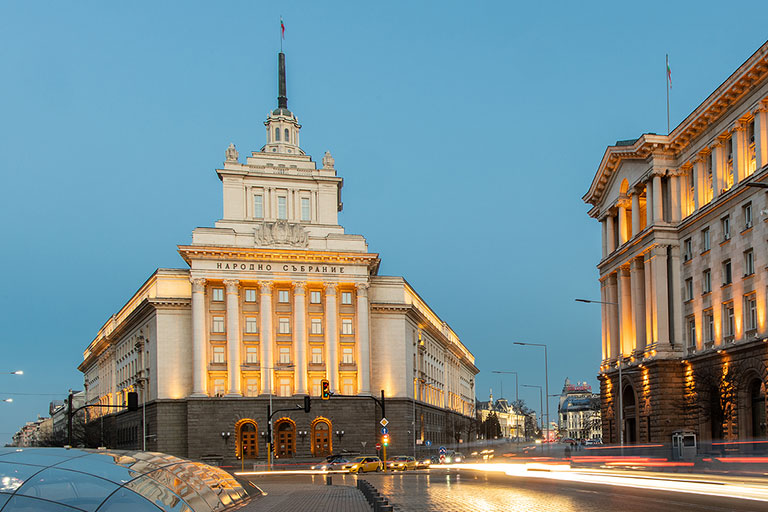
Bulgaria has decided not to proceed with opposition proposals that sought to increase the country's gambling tax and introduce stricter advertising restrictions for gambling operators. The decision follows parliamentary discussions in which government representatives argued that additional financial pressure on licensed operators could unintentionally strengthen the illegal gambling market instead of increasing public revenue.
The Bulgarian government has instead chosen to continue its broader review of the country's Gambling Act while maintaining the tax framework introduced earlier this year. Officials believe that preserving the competitiveness of the regulated sector remains essential if authorities want to reduce illegal gambling activity and improve long-term market supervision.
Bulgaria rejects higher gambling tax proposal
The proposal to increase gambling taxes was introduced by opposition lawmakers who argued that additional taxation could provide greater public revenue while strengthening oversight of the gambling industry.










However, the Bulgarian government disagreed with that assessment.
Deputy Finance Minister Lyudmila Petkova stated during parliamentary discussions that raising taxes beyond current levels could encourage players to move away from licensed operators and towards unregulated gambling platforms that do not comply with Bulgarian law.
According to Petkova, Bulgaria has already implemented significant tax changes during 2026 and further increases could undermine efforts to improve channelisation into the legal market.
She said:
“The proposal… sounds very good at first glance, but the real effect of the measure would be the transfer of players from the legal to the illegal market. The grey sector’s share of the gambling market is currently around 40 per cent… most countries apply a tax of 20 or 25 per cent. Any increase in gambling taxation leads to an increase in the grey sector.”
Her comments reflected the government's broader concern that excessive taxation may reduce the competitiveness of licensed operators while creating new opportunities for illegal gambling websites that operate outside regulatory oversight.
Current gambling tax framework remains unchanged
Earlier this year Bulgaria increased the online gambling tax from 20 percent to 25 percent. Licensed gambling operators are also subject to a 10 percent corporate income tax under the country's broader tax framework.
The opposition coalition Democratic Bulgaria proposed raising the gross gambling revenue tax to 30 percent while also significantly increasing licensing and operator fees.
Government officials concluded that such measures would place unnecessary pressure on legal businesses at a time when authorities are still working to reduce the size of the unregulated gambling sector.
According to government estimates presented during parliamentary discussions, the illegal or grey gambling market continues to represent a significant share of gambling activity in Bulgaria. Policymakers believe maintaining an attractive regulated market remains one of the most effective ways to encourage players to choose licensed operators.
The decision means the current 25 percent gambling tax will remain in force while lawmakers continue evaluating broader legislative reforms.
Government continues review of the Gambling Act
Although the proposed tax increases have been rejected, Bulgaria has confirmed that a wider review of its Gambling Act remains underway.
The review is expected to examine several areas of gambling regulation including licensing procedures, enforcement measures, responsible gambling obligations and digital supervision.
Government representatives have indicated that any future reforms will seek to balance consumer protection with sustainable market regulation.
Rather than introducing broad tax increases, policymakers appear to favour targeted legislative changes that strengthen oversight without reducing the competitiveness of licensed businesses.
The review process is expected to continue throughout the year before any additional legislative proposals are introduced.
Advertising restrictions remain largely unchanged
Parliament also rejected proposals that would have introduced stricter restrictions on gambling advertising.
Bulgaria already adopted extensive advertising reforms during 2024 that significantly reduced where gambling promotions may appear.
Current legislation prohibits gambling advertising across television, radio, newspapers, magazines and most digital media channels. The principal exception applies to the state-owned Sports Totalisator, which remains permitted to advertise under existing legislation.
Outdoor advertising is still permitted under carefully defined conditions.
Billboards promoting gambling services must remain at least 300 metres away from schools, universities, playgrounds and other protected public locations.
Advertising displayed directly on gambling premises is also subject to strict limitations.
Existing regulations restrict promotional materials to a maximum of 50 square metres or no more than 20 percent of a building's façade.
Opposition lawmakers argued that these restrictions should be strengthened further.
During parliamentary committee discussions, opposition MP Venko Sabutev criticised the government's position.
He said:
“How could you change the Labour Code through transitional and final provisions, but not change the Gambling Act and stop gambling advertising through the same mechanism? Enough with this hypocrisy,”
Despite those criticisms, lawmakers declined to support additional advertising restrictions, leaving the current regulatory framework unchanged.
Focus shifts towards affiliate regulation
While rejecting broader tax increases, the Bulgarian government continues developing more targeted regulatory measures.
One of the most significant proposals involves introducing a licensing system for gambling affiliates operating within Bulgaria.
The proposal has been incorporated into the country's 2026 budget planning.
Under the current proposal, gambling affiliates would be required to obtain an annual licence costing approximately €6,000.
In addition to the fixed licensing fee, affiliate businesses would also pay a 10 percent variable tax on commissions generated through gambling-related marketing activities.
Government estimates suggest that the affiliate licensing framework could generate approximately €100 million in annual tax revenue while improving regulatory oversight of gambling marketing activities.
Officials believe this approach would provide additional revenue without increasing financial pressure on licensed gambling operators.
Balancing taxation with channelisation
The government's latest decision highlights a regulatory philosophy increasingly adopted across several European gambling markets.
Rather than relying solely on higher taxation, regulators are placing greater emphasis on maintaining high channelisation rates by ensuring licensed operators remain competitive against illegal alternatives.
Channelisation refers to the proportion of gambling activity that takes place within the regulated market.
When taxation or regulatory costs become excessively high, some consumers may choose offshore websites that do not hold domestic licences and often provide fewer consumer protections.
Bulgarian policymakers have repeatedly argued that protecting the regulated market ultimately benefits consumers, improves tax collection and strengthens responsible gambling oversight.
This principle played a central role in the government's decision to reject additional gambling tax increases.
Future legislative discussions expected
Although Parliament has rejected the latest opposition proposals, Bulgaria's gambling regulatory landscape remains under active review.
Lawmakers are expected to continue debating possible amendments to the Gambling Act throughout the coming months.
Future reforms could include enhanced licensing requirements, stronger enforcement against illegal operators, updated responsible gambling measures and additional oversight of affiliate marketing.
For now, licensed operators will continue operating under the existing tax structure while advertising restrictions introduced during 2024 remain fully applicable.
The government has indicated that future regulatory changes will focus on improving enforcement and preserving the competitiveness of the regulated gambling market rather than introducing broad tax increases.
Conclusion
Bulgaria's decision to reject higher gambling taxes reflects a cautious regulatory approach that prioritises market stability alongside consumer protection. Rather than imposing additional financial burdens on licensed operators, policymakers have chosen to maintain the current taxation framework while continuing a comprehensive review of gambling legislation.
The government's position suggests that reducing illegal gambling remains a higher priority than maximising short-term tax revenue. By focusing on targeted reforms such as affiliate licensing and enhanced regulatory oversight, Bulgaria aims to strengthen compliance while encouraging players to remain within the licensed market. As discussions surrounding the Gambling Act continue, the country is expected to evaluate further measures that balance taxation, responsible gambling and effective enforcement without disrupting the legal gambling sector.
FAQs
What is the current gambling tax in Bulgaria?
Bulgaria currently applies a 25 percent tax on online gambling alongside a 10 percent corporate tax for licensed operators.
Why did Bulgaria reject the proposed gambling tax increase?
The government believes higher taxation could encourage players to use illegal gambling operators instead of licensed businesses.
Who opposed the gambling tax increase?
The Bulgarian government rejected proposals submitted by opposition parties including Democratic Bulgaria.
What gambling tax increase was proposed?
The proposal sought to increase the gross gambling revenue tax from 25 percent to 30 percent while also increasing operator fees.
Are gambling advertisements banned in Bulgaria?
Most gambling advertising across television, radio, print and digital media is prohibited under legislation introduced in 2024.
Can gambling companies still use outdoor advertising?
Yes. Outdoor advertising is permitted under strict rules including minimum distances from schools and other protected locations.
What is channelisation in gambling regulation?
Channelisation measures the percentage of gambling activity that takes place through licensed and regulated operators.
Is Bulgaria reviewing its gambling laws?
Yes. The Bulgarian government is continuing a broader review of the Gambling Act that may result in future regulatory reforms.
What is the proposed affiliate licence in Bulgaria?
The proposal would require gambling affiliates to obtain an annual licence and pay both a fixed fee and a commission-based tax.
Will gambling taxes change again soon?
No changes have been approved. However, further discussions may take place as the review of the Gambling Act continues.

Lela
I have over 10 years' experience proofreading and editing where spelling and grammar were paramount. This includes newspaper publication and designing advertisements. I personally write all my articles.This allows me to do in-depth research and provide premium content.
Related Posts


South Africa’s online gambling activity rises 390%, SRI report finds
October 21, 2026


SBC and VNLOK form strategic partnership for 2027 Amsterdam summit
October 19, 2026


Casino Secrets: Bitcoin payment demand raises data privacy concerns
October 13, 2026