

















Euromat study finds Europe’s illegal online gambling market worth €12bn
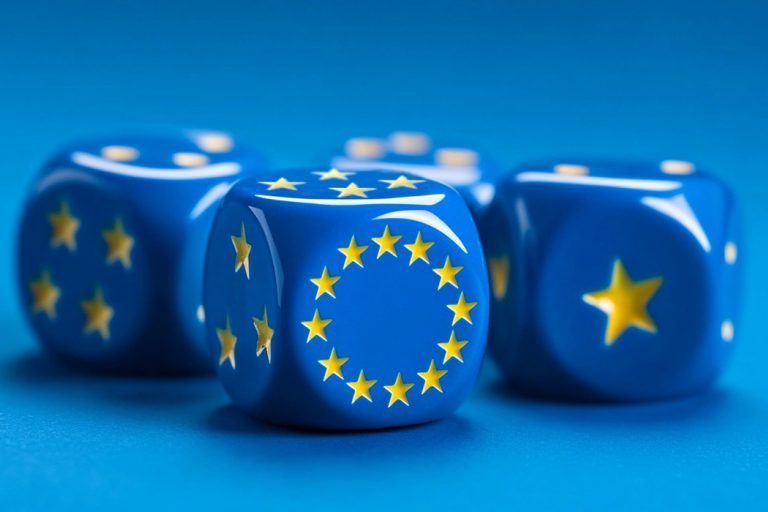
Europe’s illegal online gambling market generated an estimated €12bn in net revenue during 2025, according to research commissioned by the European Gaming and Amusement Federation, Euromat. The study estimates that unregulated activity now represents around 25% of the online gambling market examined by researchers.
The analysis indicates that the estimated value of illegal online gambling across the markets covered has tripled since 2019. The findings place renewed attention on the challenge facing regulators as they seek to protect consumers while maintaining a sufficiently attractive regulated market.
The research was conducted by Regulus Partners and Helios on behalf of Euromat. It examined 28 European online gambling markets, including the United Kingdom and a broad selection of European Union jurisdictions.








Rather than treating the €12bn estimate as an official regulatory statistic, the figure should be understood as an industry-commissioned research estimate based on the methodology used by the researchers. Measuring activity outside regulated systems is inherently difficult because unlicensed operators do not provide the same reporting data available from licensed businesses.
Research examines the scale of unregulated gambling
The study analysed digital marketing activity, website traffic and wider economic and regulatory developments affecting gambling markets across Europe.
According to the research, unregulated gambling websites are no longer limited to small or temporary operations. Some have developed recognisable brands, established customer bases and significant levels of online visibility.
This development matters because licensed gambling markets depend on what is commonly described as channelisation. In practical terms, channelisation measures how effectively a regulated system keeps gambling activity within licensed operators that are subject to national rules, taxation and consumer protection requirements.
A decline in channelisation can create several challenges. Governments may collect less tax revenue while regulators may have less oversight of gambling activity. Consumers using unlicensed services may also fall outside safeguards that apply to authorised operators.
Regulation and consumer friction come under scrutiny
Euromat’s research argues that regulatory policy can influence whether consumers remain within licensed gambling environments.
The study refers to “consumer friction” as one potential factor behind movement towards unregulated websites. This can include restrictions affecting product availability, promotional visibility, pricing or the way customers are required to interact with licensed gambling businesses.
Affordability checks are among the measures highlighted in the research. Such checks are intended to identify or reduce potentially unaffordable gambling but their design and implementation differ between jurisdictions.
The study argues that if regulatory intervention becomes sufficiently restrictive or inconvenient for some consumers, a proportion may seek alternative services outside the licensed market.
That conclusion represents the researchers’ interpretation of the market data and should not be read as evidence that consumer protection measures automatically increase illegal gambling. The relationship between regulation, player behaviour and unlicensed activity can vary substantially between countries.
Different European markets follow different regulatory models
Online gambling regulation remains primarily a national responsibility across Europe. Countries have developed different systems covering licensing, taxation, advertising, product availability and safer gambling requirements.
Some markets permit several licensed private operators while others maintain more restrictive structures or monopoly arrangements.
These differences can affect the relative attractiveness of licensed and unlicensed offerings. They can also make direct comparisons between jurisdictions difficult because a policy associated with stronger channelisation in one country may operate differently elsewhere.
The findings therefore add to a wider regulatory debate about proportionality. Policymakers must consider whether restrictions achieve their intended consumer protection objectives while also ensuring that licensed operators remain sufficiently visible and competitive against offshore alternatives.
Euromat raises concerns over illegal gambling revenues
Jason Frost, President of Euromat, linked the growth of illegal gambling to broader concerns surrounding criminal finance.
“The illegal black market is a major concern for everybody who recognises the importance of a progressive and fairly regulated leisure and entertainment economy. Organised Crime Groups treat illegal gambling as a ‘cash cow’ with the profits providing ready-to-use liquidity to reinvest into high-risk, high-reward criminal enterprises such as drug trafficking, human trafficking and firearms smuggling.”
The statement reflects Euromat’s concerns about the potential use of proceeds from unlawful gambling activity. Links between particular operators and specific criminal organisations would require evidence from law enforcement authorities or judicial proceedings and should not be assumed merely because a gambling service operates without a local licence.
Nevertheless, illegal gambling can create enforcement and financial crime risks because operators outside recognised licensing systems are not necessarily subject to the same anti-money laundering controls, reporting requirements or supervisory standards as regulated businesses.
Helios highlights risks for vulnerable consumers
Filip Jelavić, Owner and Project Lead at Helios, also warned that regulation can become counterproductive if it contributes to migration away from licensed platforms.
“Consumer protection policies are key but become counter-productive if they succeed in driving players into the black-market. The more engaged and higher value customers who seek black markets out are often the most vulnerable to harm or exploitation.”
The concern is particularly significant from a responsible gambling perspective. Licensed operators may be required to provide self-exclusion systems, customer monitoring measures, age verification, identity checks and interventions designed to identify problematic gambling behaviour.
Consumers using unregulated operators may not receive equivalent protections.
This creates a difficult policy balance. Authorities seeking stronger consumer safeguards must consider both the direct effect of new rules and any unintended consequences that could influence customer behaviour.
Measuring the black market remains difficult
Any estimate of illegal gambling activity should be interpreted carefully.
Unlike regulated operators, unlicensed businesses generally do not publish independently verified financial results for individual national markets. Researchers therefore rely on indirect indicators including web traffic, marketing visibility, payment behaviour and other market data.
Different research methodologies can consequently produce different estimates of the size of illegal gambling.
The €12bn figure should therefore be viewed as an estimate produced by Regulus Partners and Helios for Euromat rather than a definitive measurement of all illegal gambling across Europe.
Even with that limitation, the study provides another indication that unregulated online gambling remains an important regulatory issue.
Conclusion
The Euromat-commissioned research places the estimated value of Europe’s illegal online gambling market at €12bn in net revenue for 2025 and suggests that the sector has expanded substantially since 2019.
Its broader significance lies less in a single headline figure than in the regulatory questions raised by that growth.
Consumer protection remains a central responsibility for gambling authorities but effective regulation also depends on keeping players within environments where those protections can actually be applied. Rules that exist only within the licensed market have limited effect when significant numbers of consumers choose operators outside that framework.
At the same time, claims that individual regulatory restrictions directly cause black-market growth require careful assessment because gambling behaviour is influenced by multiple factors including price, product choice, technology, enforcement and consumer preferences.
For European policymakers, the challenge is therefore not simply whether regulation should become stricter or more permissive. The more important issue is whether regulatory systems can combine meaningful consumer protection with effective enforcement and a licensed market capable of competing with unregulated alternatives.
FAQs – Euromat warns on Europe’s online gambling market
What did the Euromat study estimate about Europe’s illegal online gambling market?
The research estimated that illegal online gambling generated approximately €12bn in net revenue during 2025 across the European markets examined.
How much of the online gambling market is estimated to be unregulated?
The study estimates that unregulated gambling represents around 25% of the online gambling sector covered by the research.
When did the estimated growth of the illegal market begin?
The research says the estimated illegal online gambling market tripled in value between 2019 and 2025.
Who conducted the research for Euromat?
The analysis was conducted by Regulus Partners and Helios on behalf of Euromat.
How many European gambling markets were examined?
The research examined 28 European online gambling markets including the United Kingdom.
What does consumer friction mean in gambling regulation?
Consumer friction refers to restrictions or requirements that can make licensed gambling less convenient or attractive to some users, such as limitations affecting products, pricing, visibility or customer checks.
Are affordability checks blamed for illegal gambling growth?
The research identifies affordability checks as one possible source of consumer friction. However, the relationship between individual regulatory measures and illegal gambling differs between markets and should not be treated as automatically causal.
Why can illegal gambling create consumer protection concerns?
Unlicensed operators may fall outside national requirements covering safer gambling, self-exclusion, customer identification and regulatory supervision.
Why is it difficult to measure illegal online gambling accurately?
Unregulated operators generally do not provide the same verified financial and regulatory data as licensed companies, requiring researchers to rely on indirect indicators such as website traffic and digital marketing activity.
What is the main regulatory issue highlighted by the study?
The study highlights the challenge of maintaining strong consumer protection while keeping players within licensed gambling environments where regulatory safeguards can be enforced.

Ash
I like to keep it short. I am a writer who also knows how to rhyme his lines. I can write articles, edit them and also carve out some poetic lines from my mind. Education B.A. - English, Delhi University, India, Graduated 2017.
Related Posts
BetComply strengthens compliance team with three experienced appointments
September 16, 2026
Betting and Gaming Council warns of illegal betting risk at St Leger
September 16, 2026
Dutch iGaming operators face shifting demand as offshore interest grows
September 16, 2026
Blask reports Vietnam iGaming demand fell 26.2% amid XoilacTV case update
September 16, 2026
Belarus iGaming demand jumps as Lukashenko targets Maxline advertising
September 16, 2026

Donald Tusk raises gambling tax proposal during EU budget debate
September 11, 2026

Germany intensifies enforcement against illegal online gambling operators
September 11, 2026

UK gambling websites face privacy scrutiny over cookie consent practices
September 7, 2026