

















The Psychology of Gambling: Inside the Gambler’s Mind

Gambling has been a popular form of entertainment and recreation for centuries, captivating individuals from all walks of life. From traditional casino games to online platforms, the allure of gambling continues to grow. However, beneath the glitz and glamour lies a fascinating realm of psychology that influences the behaviors and motivations of gamblers. Understanding the psychology of gambling provides valuable insights into the complexities of the gambler's mind and sheds light on the factors that drive their behavior.
The Gambler's Mindset
The gambler's mindset is a unique state of mind that differentiates gamblers from non-gamblers. It is characterized by a combination of excitement, risk-taking, and the belief in the power of luck. For many, gambling offers an escape from routine life and provides an adrenaline rush that is hard to replicate elsewhere. The thrill of taking risks and the anticipation of winning create an exhilarating experience that keeps gamblers coming back for more.
The Psychological Factors
Various psychological factors contribute to the allure of gambling. Reinforcement and reward play a significant role in motivating gamblers to continue their behavior. The intermittent reinforcement provided by occasional wins fuels the belief that the next big win is just around the corner. Additionally, cognitive biases such as the illusion of control and the availability heuristic can distort a gambler's perception of their chances of winning, leading to irrational decision-making.








Emotional Aspects of Gambling
Emotions play a crucial role in the world of gambling. The excitement and anticipation leading up to a bet or a spin of the roulette wheel can create a euphoric state. However, the emotional roller coaster of gambling also encompasses disappointment and frustration when luck does not favor the gambler. These emotional extremes can lead to a cycle of seeking pleasure and avoiding pain, driving individuals deeper into the world of gambling.
The Role of Dopamine
Dopamine, a neurotransmitter associated with pleasure and reward, plays a central role in the psychology of gambling. When a gambler experiences a win or anticipates one, dopamine levels spike, providing a sense of euphoria. Over time, the brain becomes sensitized to the effects of dopamine, leading to increased cravings and a higher tolerance for risk. This addictive nature of gambling can have profound consequences on an individual's life.
The Gambler's Fallacy
The gambler's fallacy is a cognitive bias that occurs when individuals believe that past events or outcomes can influence future probabilities in games of chance. This fallacy can lead to irrational decision-making and misguided beliefs. Superstitions and magical thinking often arise from the gambler's fallacy, with individuals relying on rituals or lucky charms to enhance their chances of winning. Understanding probability and statistics is crucial to overcoming this cognitive bias.
Impacts on Mental Health
While gambling can be an enjoyable pastime for many, it can also have severe consequences on mental health. Problem gambling, characterized by an inability to control or stop gambling despite negative consequences, can lead to financial ruin, strained relationships, and psychological distress. Problem gamblers are more likely to experience depression, anxiety, and other mental health disorders, highlighting the need for early intervention and support.
Societal and Financial Consequences
The impacts of gambling extend beyond the individual level and have broader societal and financial implications. Excessive gambling can lead to financial instability, with individuals accumulating debts and facing bankruptcy. Relationships may suffer as gambling takes precedence over personal connections. Additionally, problem gambling can contribute to social issues such as crime and addiction, placing a burden on society as a whole.
Responsible Gambling
Promoting responsible gambling practices is essential for mitigating the negative effects of gambling. Setting limits, both in terms of time and money spent on gambling, can help individuals maintain control and prevent excessive losses. Seeking help for gambling problems is crucial, with various support networks and treatment options available. By fostering a culture of responsible gambling, we can create a safer environment for those who choose to engage in this form of entertainment.
Conclusion
The psychology of gambling provides valuable insights into the complex world of the gambler's mind. From the allure of risk-taking to the impact of dopamine on addictive behavior, understanding these psychological factors can help us comprehend why gambling holds such appeal for many individuals. However, it is important to recognize the potential negative consequences on mental health, relationships, and society. By promoting responsible gambling practices and providing support for those struggling with gambling addiction, we can strive for a balance between entertainment and harm prevention.
FAQs
Is gambling legal everywhere?
Gambling laws vary across different countries and regions. While some places have legalized and regulated gambling, others have stricter restrictions or outright bans. It's important to familiarize yourself with the local laws and regulations before engaging in gambling activities.
Can I win consistently in gambling?
Consistent winning in gambling is challenging because games of chance are designed with a built-in house edge. However, some individuals with exceptional skills, such as professional poker players, can achieve long-term profitability. It's important to approach gambling with realistic expectations and remember that luck plays a significant role.
Are there strategies to increase my chances of winning?
Certain strategies, such as card counting in blackjack or using optimal betting systems, can help improve your chances in specific games. However, it's important to note that no strategy guarantees consistent wins. Understanding the rules, odds, and implementing responsible bankroll management can contribute to a more enjoyable gambling experience.
Can children or minors gamble?
In most jurisdictions, gambling is strictly prohibited for individuals below the legal age limit. The age requirement varies, but it is typically 18 or 21 years old, depending on the location. Responsible operators enforce age verification measures to prevent underage gambling.
Are online casinos fair and trustworthy?
While there are reputable online casinos that prioritize fairness and security, it's essential to choose licensed and regulated platforms. Look for casinos with certifications from recognized authorities and positive user reviews. These platforms employ random number generators (RNGs) to ensure fair outcomes for their games.
Can I gamble responsibly without developing an addiction?
Yes, many individuals enjoy gambling as a form of entertainment without developing addictive behaviors. Responsible gambling involves setting limits, staying within your budget, and being aware of the signs of problem gambling. It's important to prioritize self-control and seek help if gambling starts to negatively impact your life.
How do I know if an online casino is safe?
To determine if an online casino is safe, consider factors such as licensing and regulation, SSL encryption for secure transactions, fair gaming certifications, and positive reputation among players. Additionally, reputable casinos have responsible gambling measures in place to assist players who may need support.
Are there ways to control my gambling habits?
Yes, there are several strategies you can employ to control your gambling habits. Setting limits on time and money spent, taking breaks, and avoiding gambling when under stress or emotional distress are effective techniques. Self-exclusion programs and using gambling blocking software can also provide additional support.
Can I make a living from gambling?
While it is possible for a select few to make a living from gambling, it is an extremely challenging endeavor that requires exceptional skills, discipline, and bankroll management. Professional gamblers often focus on specific games, such as poker or sports betting, and dedicate extensive time and effort to master their craft.
What is the best time to gamble and increase my chances of winning?
The outcome of gambling games is determined by random chance, not the time of day. There is no specific time that guarantees better odds or increased chances of winning. Gamble when it is convenient and enjoyable for you, rather than relying on superstitions or timing.
Can gambling help me solve my financial problems?
Gambling should never be considered a solution to financial problems. In fact, it can exacerbate financial difficulties if not approached responsibly. It's crucial to have a realistic understanding of the risks involved and avoid using gambling as a means to solve financial challenges.
Are online slots rigged?
Licensed and reputable online casinos use RNGs to ensure the randomness and fairness of their slot games. Rigged online slots are extremely rare and occur mostly at unregulated or rogue operators. Choosing reputable platforms with certifications ensures fair play and a secure gambling experience.
How do casinos prevent cheating?
Casinos employ various security measures to prevent cheating, including surveillance systems, trained staff, and advanced technology. Additionally, rules and regulations are in place to deter and penalize cheating. Casinos prioritize fairness to maintain their reputation and trust among players.
Can gambling affect my relationships?
Problem gambling can have a negative impact on relationships. Excessive gambling can lead to financial strain, deceit, and broken trust. It's important to communicate openly with your loved ones about your gambling habits and seek support if you notice any negative effects on your relationships.
What is the best way to manage my gambling budget?
Managing your gambling budget involves setting limits on the amount of money you are willing to spend and being disciplined in sticking to those limits. It's crucial to only gamble with disposable income and avoid chasing losses by never exceeding your predetermined budget.
How long does it take to develop a gambling addiction?
The time it takes to develop a gambling addiction varies from person to person. Some individuals may develop addictive behaviors quickly, while others may take longer. Factors such as genetic predisposition, environmental influences, and personal susceptibility can all contribute to the development of a gambling addiction.
Can I gamble if I have a history of addiction?
Individuals with a history of addiction, especially to substances or behaviors, should approach gambling with caution. The presence of an addictive personality or a vulnerability to compulsive behaviors increases the risk of developing a gambling addiction. It is advisable to consult with a healthcare professional for guidance.
Are there support groups for problem gamblers?
Yes, there are support groups available specifically for individuals struggling with gambling addiction. Gamblers Anonymous (GA) is one of the most well-known support groups worldwide, providing a network of individuals who share their experiences and support each other in their recovery journeys.
Can I exclude myself from gambling activities?
Yes, self-exclusion programs are offered by many gambling operators. These programs allow individuals to voluntarily ban themselves from accessing gambling services for a predetermined period. Self-exclusion can be an effective tool for individuals seeking to control or stop their gambling habits.
Is gambling purely a matter of luck or skill?
Gambling encompasses both luck and skill, depending on the specific game. Games like slot machines and roulette rely predominantly on luck, while others, such as poker and blackjack, involve a combination of skill and strategy. Understanding the nuances of each game can help you make informed decisions.
Are there benefits to gambling?
For some individuals, gambling provides entertainment, social interaction, and an escape from daily routines. Additionally, certain games, such as poker, can enhance critical thinking, decision-making, and mathematical skills. However, it's important to approach gambling responsibly and be aware of the potential risks.
Can I trust online casino reviews?
Online casino reviews can be a valuable resource when choosing a platform to gamble on. However, it's essential to consider multiple sources, look for unbiased reviews, and critically analyze the information provided. User reviews, independent review websites, and reputable gambling forums can offer a balanced perspective.
How do I know if I have a gambling problem?
Signs of a gambling problem include a preoccupation with gambling, difficulty controlling or stopping gambling, spending more money and time than intended, neglecting personal or professional responsibilities, and experiencing financial or emotional distress due to gambling.
Are there warning signs of gambling addiction?
Warning signs of gambling addiction can include a constant urge to gamble, increasing the frequency and amount of bets, hiding or lying about gambling activities, neglecting relationships and responsibilities, and experiencing withdrawal symptoms when attempting to stop gambling.
Can therapy help with gambling addiction?
Therapy can be an effective tool in addressing gambling addiction. Cognitive-behavioral therapy (CBT) is commonly used to help individuals recognize and change their gambling behaviors and develop coping mechanisms. Therapists experienced in addiction treatment can provide guidance and support tailored to individual needs.
Are there resources for family members of problem gamblers?
Yes, there are resources available for family members of problem gamblers. Support groups such as Gam-Anon provide a safe space for family members to share their experiences, receive support, and learn coping strategies. Family therapy and counseling can also help loved ones navigate the challenges associated with problem gambling.
Can I gamble responsibly while under financial strain?
It is not advisable to gamble while under financial strain. Financial difficulties can increase vulnerability to problem gambling and worsen the impact of losses. Prioritize addressing your financial situation and seek professional advice before considering gambling activities.
Are there age restrictions for online gambling?
Yes, online gambling platforms enforce age restrictions to ensure compliance with legal requirements. In most jurisdictions, the minimum age to gamble online is either 18 or 21 years old, depending on local regulations. Age verification processes are in place to prevent underage gambling.
Can I play casino games for free online?
Many online casinos offer free-to-play versions of their games, allowing individuals to enjoy the games without wagering real money. This can be a useful way to familiarize oneself with the rules and mechanics of different games before transitioning to real-money gambling.
Can gambling help me improve my financial situation?
While there is a possibility of winning money through gambling, it should not be relied upon as a reliable or sustainable method of improving one's financial situation. Gambling outcomes are uncertain and can result in financial losses. It's important to view gambling as entertainment rather than a financial solution.

Paula Nancy
Hello and Welcome to my profile. I'm a UK based entrenched full-time Blogger, Journalist, columnist and a certified writer with many years of sound writing experience. If you need a high-quality and original content, I'm here to provide you with the best writing services.
Related Posts

Maxxi Labs launches six-studio collective for differentiated casino content
September 11, 2026

Wazdan expands UK operations through Jupiter Gaming deal across six sites
September 11, 2026

Aviatrix launches Aviatrix Fortunes slot game for its iGaming Metaverse
September 11, 2026

Felix Gaming Enters a New Chapter with MGA License
September 10, 2026

Digitain powers LuckyBet.ee launch in Estonia with new iGaming platform
September 10, 2026
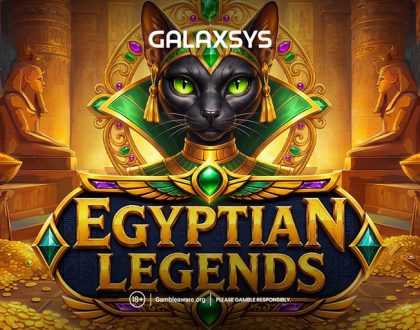
Galaxsys launches Egyptian Legends slot with ancient Egyptian features
September 10, 2026
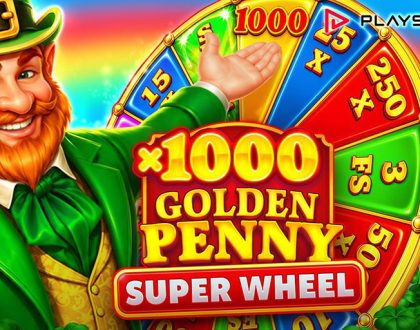
Playson releases Golden Penny x1000: Super Wheel with new bonus feature
September 10, 2026
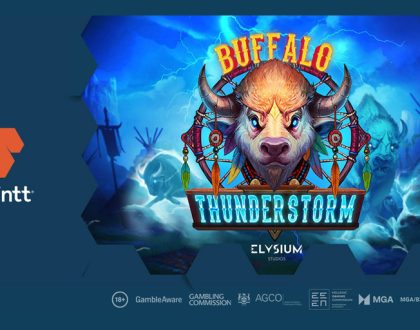
Swintt introduces Buffalo Thunderstorm slot in its Elysium Studios lineup
September 10, 2026

ICONIC21 sponsors BC Rytas as part of wider expansion plans in Lithuania
September 10, 2026