

Netherlands’ Licensing Challenges – A Headache for Online Casinos
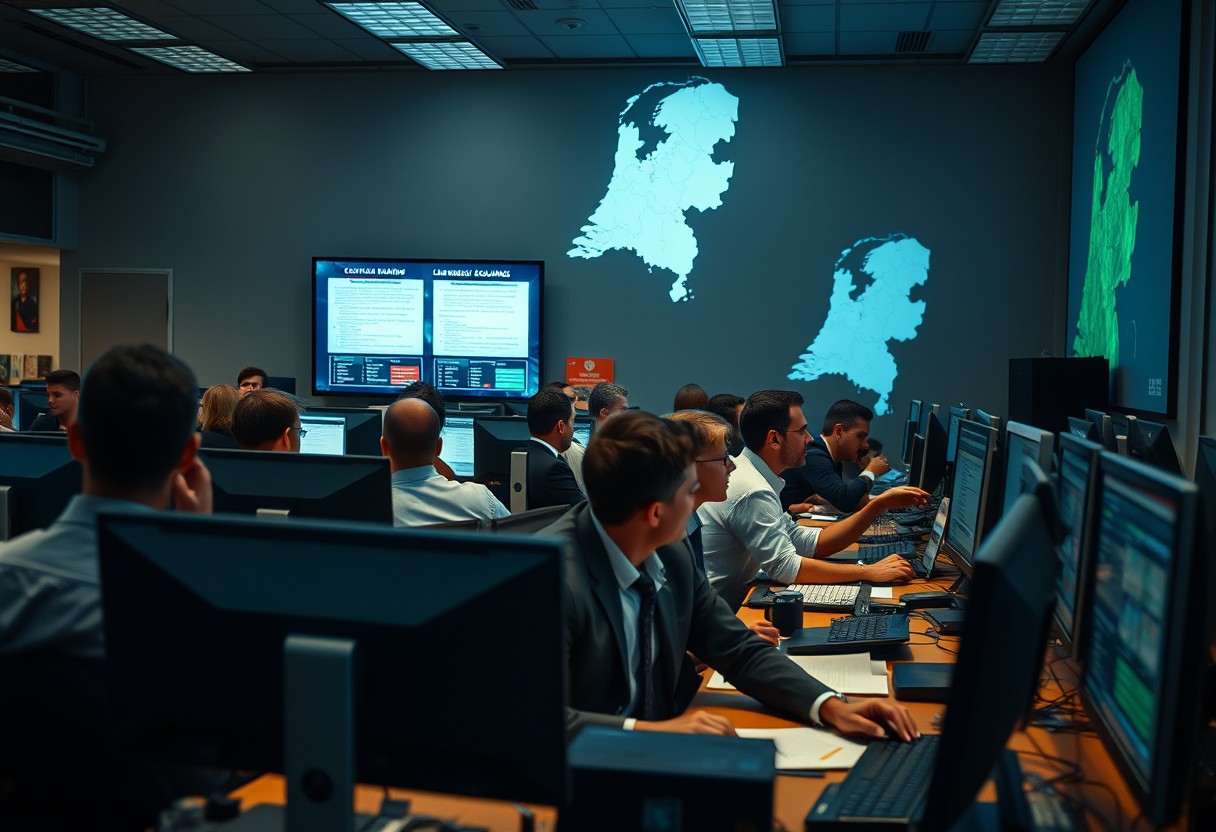
Netherlands has faced significant hurdles in regulating its online gambling market, posing intricate licensing challenges for casinos seeking to operate legally within its borders. Since the introduction of the Remote Gambling Act in 2021, operators have grappled with stringent requirements and a lengthy approval process, leading to frustrations and confusion. This blog post will investigate into the specifics of these licensing challenges, exploring how they affect both operators and consumers, while also highlighting the future implications for the online gambling landscape in the Netherlands.
Overview of Online Casino Licensing in the Netherlands
The Netherlands has enacted a stringent licensing framework for online casinos, primarily shaped by the 2021 Remote Gambling Act (KOA). This legislation aims to regulate online gambling, allowing operators to offer their services legally under strict guidelines while ensuring player protection and responsible gaming practices. The new framework aims to combat illegal gambling while generating tax revenue for the government.
Historical Context
Any discussion of online casino licensing in the Netherlands requires an understanding of its historical landscape. Prior to the KOA, the Online Gambling market was largely unregulated, leading many offshore operators to target Dutch players without oversight. This situation resulted in a fragmented market and a growing concern for player safety and government revenue loss.










Regulatory Framework
Context is crucial when understanding the changing landscape of online casino licensing in the Netherlands. The KOA established a regulated market that requires operators to obtain a license from the Dutch Gambling Authority (Kansspelautoriteit). This framework sets out compliance requirements to ensure responsible gambling, taxation, and the prevention of gambling addiction.
Overview of the regulatory framework highlights the importance of licensing and compliance as not only a legal necessity for operators but also as a mechanism for fostering a safe gambling environment. The Dutch Gambling Authority monitors licensed operators closely, ensuring adherence to regulations that include age verification, self-exclusion options for players, and secure financial transactions. This oversight is designed to maintain industry integrity and protect consumers from potential harms associated with unregulated online gambling.
Current Licensing Requirements
Clearly, the Netherlands has established stringent licensing requirements for online casinos to ensure player protection and fair gaming practices. The Dutch Gaming Authority (Kansspelautoriteit) mandates that operators obtain a license to legally offer online gambling services. The criteria focus on various aspects, including financial stability, the integrity of the games, and responsible gambling initiatives, all designed to safeguard players and promote a healthy gaming environment.
Application Process
An online casino aiming to operate in the Netherlands must navigate a meticulous application process. This involves submitting detailed documentation to the Dutch Gaming Authority, including financial statements, company structure, and proof of integrity. Additionally, operators must demonstrate their commitment to responsible gambling and player protection, ensuring they meet the high standards set by the regulatory body.
Compliance Standards
Requirements for compliance standards are rigorous in the Netherlands, aimed at fostering transparency and accountability in the online gambling sector. Operators must adhere to a range of regulations, including regular audits, financial reporting, and the implementation of responsible gaming measures.
Understanding the compliance landscape is crucial for online casinos seeking to thrive in the Dutch market. Operators are expected to maintain strict adherence to advertising standards, implement age verification measures, and provide support for problem gambling. Additionally, compliance with data protection regulations and ensuring the integrity of gaming software is imperative for upholding the trust of players and avoiding potential penalties from the regulatory authority.
Challenges Faced by Potential Licensees
Some potential licensees in the Netherlands encounter various obstacles that complicate their pursuit of online gambling licenses. These challenges include extensive regulatory requirements, high costs associated with compliance, and a market that is continuously evolving. As the licensing process becomes increasingly competitive and intricate, many operators find it daunting to navigate the complexities of the system without incurring significant delays or making costly missteps.
Lengthy Approval Times
On top of the regulatory hurdles, potential licensees are often frustrated by the prolonged approval times associated with the licensing process. Many operators report waiting months, if not longer, to receive feedback or final decisions on their applications. This delay can cripple business plans and hinder operators from entering the lucrative Dutch online gambling market promptly.
Legal Ambiguities
Licensees often face numerous legal ambiguities that complicate their compliance with Dutch regulations. These uncertainties may stem from vague language in the legislation or ongoing changes in legal frameworks, leading to confusion about the requirements for obtaining and maintaining a license.
Ambiguities in the legal framework can create significant challenges for potential licensees, as they may struggle to interpret existing laws and guidelines accurately. This lack of clarity can lead to varying interpretations among stakeholders, resulting in compliance issues or penalties that could have been avoided. Consequently, operators must often invest in legal expertise to ensure they fully understand their obligations and navigate the complex landscape of Dutch gambling laws effectively.
Impact on the Online Gambling Market
All stakeholders in the online gambling market in the Netherlands are significantly affected by the licensing challenges. The stringent regulations and lengthy application processes create barriers for both new entrants and established operators. As a result, many international online casinos remain hesitant to enter the Dutch market, leading to a restricted offering for players. This situation not only limits consumer choice but also encourages a flourishing underground market, undermining the integrity of the regulated environment.
Economic Implications
Econmic repercussions of the current licensing challenges are far-reaching. The restricted access to licensed online casinos in the Netherlands impacts tax revenues generated from the gambling sector. With many players opting for unregulated platforms, the government misses out on potential tax contributions that could have supported public spending initiatives. Moreover, the stifled competition hampers the growth of the local online gambling ecosystem.
Player Accessibility
Impact on player accessibility is a significant concern in light of the existing licensing hurdles. The limited number of licensed operators results in fewer gaming options and potentially higher stakes for Dutch gamblers, who may turn to illegal sites.
For instance, players often seek alternative platforms that operate outside of Dutch regulations, putting them at risk of fraud or unfair practices. Furthermore, the lack of choices encourages a dependency on offshore casinos that do not contribute to the local economy or abide by the country's consumer protection standards. Ultimately, this impacts the safety and security of players, making it difficult for them to find trustworthy gambling experiences within their own country.
Comparisons with Other European Jurisdictions
Your examination of the Netherlands' licensing challenges reveals notable differences compared to other European nations. Below is a table outlining key distinctions that illustrate the variance in regulatory approaches:
| Jurisdiction | Regulatory Approach |
|---|---|
| Netherlands | Stringent licensing requirements and limited market access |
| United Kingdom | Proactive regulation and a well-established market |
| Sweden | Flexible licensing with a focus on player protection |
| Malta | Attractive incentives for online operators and streamlined processes |
Best Practices
To navigate the complexities of licensing in the Netherlands, operators can adopt best practices from more established jurisdictions. This includes investing in compliance resources, fostering transparency in operations, and engaging with stakeholders to understand regulatory expectations, which can mitigate the risks of non-compliance.
Lessons Learned
One of the critical lessons learned from the Netherlands' licensing challenges is the importance of adaptability. The rapidly changing regulatory landscape necessitates that online casinos remain agile and responsive, ensuring they can meet evolving compliance requirements.
Best characterized by a proactive approach, casinos should closely monitor regulatory changes while engaging with local authorities. This strategic positioning not only safeguards their operations but also cultivates goodwill, paving the way for smoother regulatory interactions in the future.
Future Outlook for Licensing in the Netherlands
To navigate the intricate landscape of online gambling, the future of licensing in the Netherlands is poised for ongoing evolution. The regulatory framework seeks to strike a balance between consumer protection and market growth, potentially leading to more streamlined processes and enhanced clarity for operators. As the market matures, adaptations may be necessary to address emerging technologies and consumer behaviors, ensuring a fair and competitive environment for licensed online casinos.
Proposed Reforms
Proposed reforms are anticipated to address the current complexities in the licensing process, aiming to make it more efficient and accessible for potential operators. Authorities are exploring changes that could simplify application procedures, enhance transparency, and better align regulations with international standards. Such reforms could pave the way for a more vibrant gaming market that balances regulation with innovation.
Industry Perspectives
Industry players are keenly observing the evolving licensing landscape, as their feedback shapes the future of online gaming law in the Netherlands. Many operators express a desire for a more collaborative approach with regulators, advocating for changes that can foster growth while ensuring compliance. This dialogue is crucial for developing regulations that resonate with industry needs and contribute to a sustainable gaming ecosystem.
A collaborative environment between regulators and the industry will be key to addressing the challenges facing online casinos in the Netherlands. Operators emphasize the importance of adaptable regulations that cater to both established companies and new entrants. They believe that a dialogue can lead to innovative solutions that enhance player safety and support responsible gambling, ultimately contributing to a thriving and competitive market.
To wrap up
Summing up, the licensing challenges faced by online casinos in the Netherlands create a complex environment that requires careful navigation. The stringent regulations, coupled with the lengthy application processes, often result in delays and uncertainty for operators. As the market evolves and the government fine-tunes its approach, stakeholders must remain adaptable and informed to successfully operate within this challenging framework. Ultimately, addressing these licensing hurdles is crucial for fostering a secure and competitive online gambling landscape in the Netherlands.

Michael Schmitt
Michael Schmitt is the founder of TRIDER.UK and Editor of Malta Media. He writes about iGaming, gambling regulation, corporate structures, financial services and market integrity, combining investigative journalism with nearly three decades of experience in corporate services and international business.
Related Posts
BetComply strengthens compliance team with three experienced appointments
September 16, 2026

Relax Gaming launches with Starcasino Netherlands
July 7, 2026