

















Best Maltese Cuisine in Autumn
Sweden’s online casino regulations combine licensing, player protection, AML controls, advertising rules and supervisory enforcement. For related analysis, read our gambling regulation coverage and consult the Swedish Gambling Authority. The position depends on the operator, product and current rules.
Malta’s tightened gaming regulations should be assessed through the published framework, licensing conditions, player-protection measures and enforcement practice. For related analysis, read our gambling regulation coverage and consult the Malta Gaming Authority. Requirements can change with the applicable rules.
Malta’s autumn road trips can combine villages, coastlines and historic locations, but routes, weather and access should be checked before travelling. For practical planning, read our Malta travel guide and browse things to do in Malta. Check VisitMalta for current visitor information. Conditions can change.









Pre-Christmas traditions in Malta reflect religious heritage, local food, family gatherings and community events. For practical planning, read our Malta travel guide and browse things to do in Malta. Check VisitMalta and Heritage Malta for current schedules. Programmes can change.
Autumn in Malta is a useful time to explore local cuisine, seasonal produce and traditional dishes, although menus and events vary. For practical planning, read our Malta travel guide and browse things to do in Malta. Check VisitMalta for current visitor information and food events. Details can change.
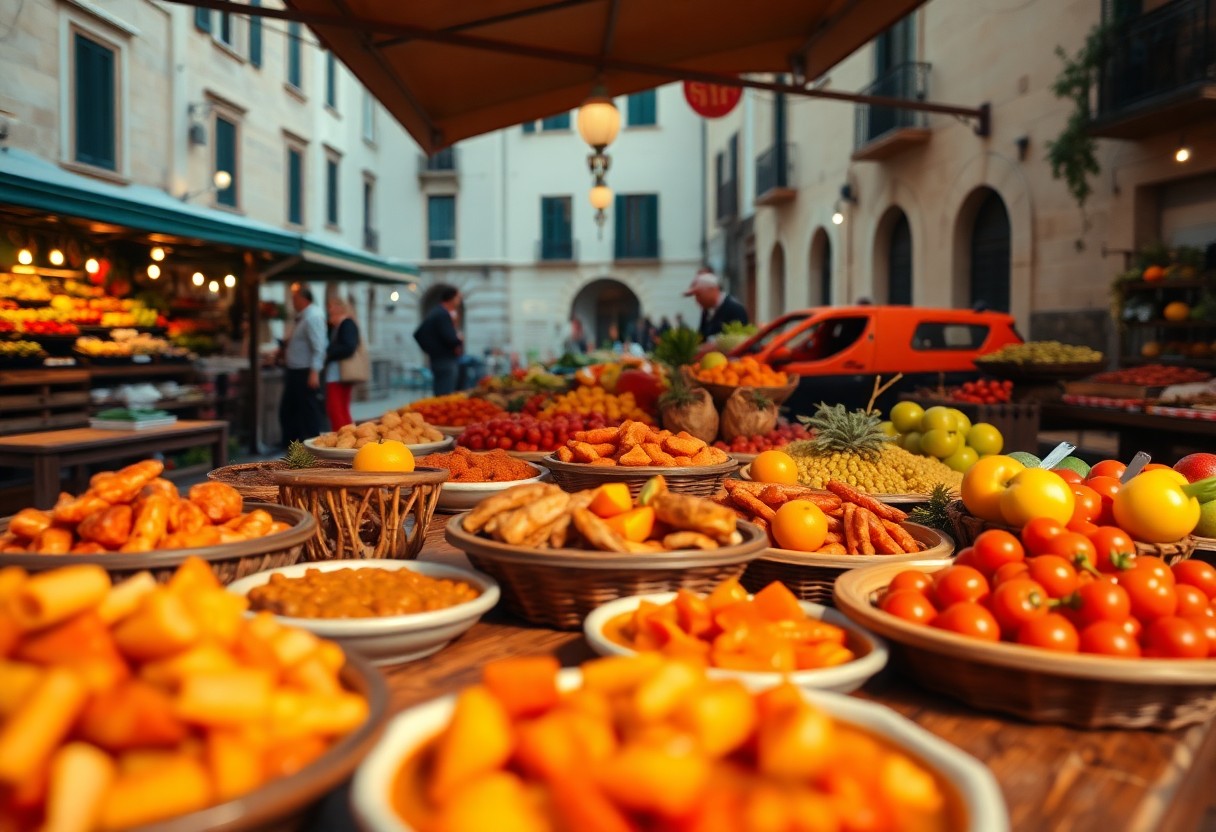
Foodie enthusiasts like me will find Malta to be a culinary treasure in autumn, when the island blooms with fresh ingredients and seasonal dishes. As I explore the vibrant local food scene, I'll guide you through the must-try dishes that capture the essence of Maltese cuisine. From savory pastizzi to rich rabbit stew, I'll share my favorite spots where you can relish these flavors. Join me on this flavorful journey as I unveil the best places to satisfy your palate and immerse yourself in the unique gastronomy of Malta during this enchanting season.
Understanding Maltese Cuisine
The Maltese cuisine reflects a blend of cultures and traditions, making it a gastronomic treasure. With influences from Italian, Arabic, and British cuisines, the island's food is rich, diverse, and often centered around fresh, local ingredients. As you explore Malta in autumn, you'll discover that seasonal changes also impact the flavors and dishes available. This guide will help you navigate through Malta's unique culinary landscape, ensuring you don't miss any must-try local delights.
Key Ingredients of Maltese Dishes
Some of the key ingredients in Maltese cuisine include fresh fish, rabbit, pasta, and local vegetables, particularly those that thrive during autumn like artichokes and broad beans. Herbs such as basil, mint, and oregano play an important role in flavoring the dishes, alongside the generous use of olive oil. These ingredients come together to create hearty meals that evoke the essence of Mediterranean culture.
Historical Influences on Maltese Food
On your culinary journey, you will notice that Malta's food has been shaped by its rich history, influenced by various cultures that occupied the island over the centuries.
For instance, the Knights of St. John introduced many Italian-style dishes and cooking techniques, while the Arab rule contributed spices such as cumin and coriander. British colonization brought about a love for pastries and tea, further enriching the Maltese food scene. Each wave of influence has left its mark, creating a delightful tapestry of flavors that I am sure you will enjoy.
Types of Local Dishes to Try
On exploring Maltese cuisine, you'll encounter a variety of local dishes that beautifully showcase the island's culinary heritage. Here's a breakdown of popular dishes you shouldn't miss:
| Dish | Description |
| Bragioli | Stuffed beef olives, slow-cooked in a rich sauce. |
| Fenek | Rabbit stew, a traditional dish often served with vegetables. |
| Pasta with Octopus | A savory dish featuring fresh octopus and tomato sauce. |
| Ħobż biż-Żejt | Bread with olive oil, tomatoes, and capers, ideal as an appetizer. |
| Pastizzi | Flaky pastry filled with ricotta or peas, perfect for a quick snack. |
Dishes like these are highlights of Maltese culinary tradition, allowing you to experience the island's flavors firsthand. They are not just meals but rather, a story told through generations. You'll find them in family-run restaurants, market stalls, and seaside eateries. Perceiving the heart and soul of Malta through these dishes will surely create lasting memories.
Autumnal Flavors in Malta
It's an exciting time to explore the culinary scene in Malta during autumn. With the cooling temperatures and changing leaves, the island presents an array of fresh seasonal ingredients that bring warmth and comfort to the table.
Seasonal Ingredients Available in Autumn
The markets come alive with a bountiful selection of seasonal produce during autumn, including pumpkins, mushrooms, and a variety of root vegetables. You'll also find ingredients like chestnuts and figs, which enhance the island's traditional recipes and add a unique twist to new creations.
Traditional Autumn Dishes to Seek Out
The true essence of autumn in Malta can be experienced through its traditional dishes. From hearty stews to delightful pastries, the local cuisine reflects the season's bounty in comforting and satisfying ways.
Autumn in Malta introduces several iconic dishes that you simply can't miss. One of my favorites is “timpana,” a delicious baked pasta pie that combines macaroni with a rich meat sauce, wrapped in a flaky pastry crust. Additionally, “imqarrun il-forn,” another baked pasta dish, showcases autumnal flavors with its use of seasonal cheese and vegetables. Be sure to explore local restaurants offering these dishes for an authentic taste of Maltese autumn.
Food Pairings with Local Wines
Food and wine are beautifully intertwined in Malta, especially during the autumn months when rich flavors dominate the dining scene. Pairing your favorite seasonal dishes with local wines enhances the overall experience.
Traditional Maltese wines, such as Ġellewża and Grenache, work wonderfully with the hearty dishes available in autumn. The fruity notes of Ġellewża complement the savory depths of timpana, while Grenache's spiciness pairs perfectly with roasted root vegetables. I highly recommend exploring local vineyards or asking for wine pairings in restaurants to elevate your culinary adventure in Malta this season.
Must-Try Dishes
Now that autumn is here, it's the perfect time to explore the culinary delights Malta has to offer. The island's rich history and blend of cultures shine through in its local dishes. Don't miss the chance to savor these must-try dishes that are especially popular during this season.
Rabbit Stew (Fenkata)
If you want to experience traditional Maltese cuisine, Rabbit Stew, known as Fenkata, is a must. This hearty dish is slow-cooked with a mix of local herbs, garlic, and wine, delivering rich flavors that celebrate Malta's agricultural bounty.
Bragioli (Beef Olives)
Any true food lover should take the opportunity to indulge in Bragioli. These succulent beef rolls are filled with a mixture of breadcrumbs, herbs, and sometimes even egg. They are then simmered in a rich tomato sauce, making for a comfort dish perfect for autumn.
To truly appreciate Bragioli, I recommend enjoying them with some crusty bread to soak up the delicious sauce. Pairing your meal with a glass of local red wine enhances the experience further. This dish tends to evoke nostalgic feelings among locals, as it's often prepared for family gatherings, adding to its charm.
Stuffed Vegetables (Stuffat tal-Qarnit)
Assuming you're a fan of fresh produce, Stuffed Vegetables, or Stuffat tal-Qarnit, should be on your list. This dish features a variety of vegetables, such as peppers and zucchini, lovingly stuffed with a mixture of meat and rice, then cooked in a rich tomato sauce.
Fenkata is often served with a side of local bread to help soak up the delightful sauce. This dish is heavy on flavor and showcases Malta's love for fresh, seasonal ingredients, making it a comforting option for the cooler weather in autumn.
Pastizzi and Other Pastries
MustTry the delightful Pastizzi when you visit Malta. These flaky pastries are typically filled with ricotta cheese or mushy peas and are perfect for grabbing on the go – ideal for your busy days of exploring.
Beef is another key ingredient in various pastries, and you'll find a range of savory options that appeal to your taste buds. From unique twists on traditional fillings to timeless favorites, indulging in these pastries is a fantastic way to experience Malta's vibrant food culture.
Dining Options
After exploring the vibrant streets of Malta, I discovered an array of dining options that cater to all tastes and preferences. The culinary scene here is a delightful blend of Mediterranean influences and local traditions, perfect for any foodie seeking an unforgettable experience.
Popular Restaurants and Eateries
Little gems abound in Malta, with a mix of casual eateries and upscale restaurants. I recommend visiting places like Ta' Kris in Sliema, where the rabbit stew is a must-try, or the bustling Marsaxlokk fish market that transforms into simple yet flavorful seafood restaurants, particularly on Sundays. Each spot offers an authentic taste of Maltese culture.
Rural vs. Urban Dining Experiences
Urban dining experiences in Malta can be electrifying, filled with trendy venues and creative cuisine. However, rural experiences allow you to savor dishes made with fresh, locally sourced ingredients in charming settings that reflect the island's agricultural heritage.
With the majority of urban spots concentrated in areas like Valletta and St. Julian's, these restaurants often focus on modern interpretations of traditional dishes. On the other hand, rural dining experiences provide an opportunity to reconnect with the land, as many establishments offer homemade specialties that showcase local produce and traditional cooking methods, often accompanied by stunning views of the countryside.
Family-Run Establishments to Visit
On my adventures, I found family-run establishments that truly embody the warmth of Maltese hospitality. Places like Diar il-Bniet in the countryside offer hearty, home-cooked meals made from family recipes passed down through generations. Dining here feels like being welcomed into someone's home.
Restaurants that are family-run often pride themselves on personal service and authentic flavors. They provide a unique opportunity to chat with the owners about their culinary traditions while enjoying dishes made with passion and care. I highly encourage you to seek out these locations, as they not only serve delicious food but also tell a story that enriches your dining experience in Malta.
Tips for Foodies in Malta
For the best culinary experiences in Malta, it's crucial to approach your journey with a few helpful tips. Here are some things I've learned along the way:
- Ask locals for recommendations; they know the hidden gems.
- Sample street food to experience authentic Maltesian flavors.
- Visit local markets for fresh produce and traditional ingredients.
- Don't shy away from trying unfamiliar dishes; it's part of the adventure.
- Consider dining at a family-run establishment for a homely feel.
This will enhance your culinary journey in Malta!
How to Choose the Right Restaurants
For choosing the best dining spots in Malta, I often look for places that showcase local dishes and have a cozy atmosphere. I find that eateries filled with locals usually indicate good food and authentic experiences. Checking reviews online also provides insights into the most popular dishes and their freshness.
Best Times to Experience Local Dishes
The ideal times to indulge in local dishes in Malta are during food festivals and harvest seasons, particularly in autumn, when the produce is fresh and abundant. Many local establishments offer seasonal specialties at this time, which enriches your dining experience.
Understanding the rhythms of Maltese life can enhance your culinary exploration, especially during the autumn harvest. Local restaurants often capitalize on this seasonality by updating their menus to reflect the freshest ingredients available, so visiting during these months means you are likely to taste the best what Malta has to offer.
Cultural Etiquette Around Eating
You should be aware of a few cultural norms when dining in Malta. When sharing a meal, it's customary to wait for everyone to be served before starting, and a gesture of gratitude is to say “Kollox tajjeb” (everything is good) after a meal. I've found that showing appreciation for the food and the effort behind it resonates well with locals.
Local dining culture emphasizes shared meals, so you might find that ordering dishes to share is a common practice. It fosters a sense of community and allows you to sample various dishes, which I believe enhances the overall dining experience tremendously. Being respectful of their customs goes a long way in appreciating Maltese hospitality.
Navigating Malta's Culinary Scene
Your culinary journey in Malta during autumn can be an adventure filled with delightful flavors and local traditions. As you explore the robust food scene, it's imperative to know how to navigate it effectively to savor the best of Maltese cuisine.
Step-by-Step Guide to a Food Tour
One excellent way to kickstart your culinary exploration is by initiateing on a food tour. Here's a simple step-by-step guide to enhance your experience:
| Step | Description |
| 1 | Research local food tours and read reviews. |
| 2 | Book a tour that focuses on authentic Maltese cuisine. |
| 3 | Dress comfortably and prepare for walking. |
| 4 | Keep an open mind and try new dishes. |
Factors to Consider When Booking Dining Experiences
When you plan to dine out in Malta, there are a few factors to consider that can influence your overall experience:
- Seasonality of ingredients and menu options.
- Your budget for dining out.
- Location and accessibility of restaurants.
- Reservation requirements, especially for popular spots.
Assume that the dining scene can vary significantly from casual spots to fine dining, each offering unique experiences.
Tour through Malta's diverse culinary landscape can be enriching, but it's worth paying attention to specific aspects. You'll want to look into:
- Operating hours, as many restaurants may have seasonal variations.
- Availability of local wines to pair with your meals.
- Dietary restrictions accommodations, if needed.
- The chef's specialty dishes, which can enhance your dining choices.
Assume that each dining experience can bring you closer to understanding Malta's rich culinary heritage.
Food Festivals and Events in Autumn
Now is a wonderful time to visit as Malta hosts several vibrant food festivals celebrating local produce and culinary traditions during autumn. These events provide a perfect opportunity to taste authentic dishes while mingling with locals.
Experiences at these festivals can vary widely and include everything from cooking demonstrations to food tastings. Often, you will find stalls offering locally sourced ingredients and traditional recipes. I encourage you to check local listings, as festivals such as the Mdina Food Festival and the Malta International Food Festival showcase the culinary diversity of the island. You'll surely walk away with unforgettable memories and a larger appetite for the flavors of Malta.
Pros and Cons of Eating Out in Malta
All dining experiences come with their ups and downs, and Malta is no exception. Below, I've outlined some key pros and cons you may encounter while eating out in this beautiful Mediterranean archipelago.
| Pros | Cons |
|---|---|
| Fresh and local ingredients | Higher prices at popular tourist spots |
| Diverse culinary influences | Inconsistent service in some restaurants |
| Authentic local dishes | Limited vegetarian and vegan options at times |
| Vibrant dining atmosphere | Occasional long wait times |
| Opportunity to socialize with locals | Variability in food quality |
Advantages of Trying Local Cuisine
Cuisine in Malta is a reflection of its rich history and diverse heritage. By sampling local dishes, you get a taste of the island's culture and traditions. Each meal offers a connection to Malta's past, using ingredients native to the area, which makes every bite unique and worthwhile. This culinary adventure not only satisfies your palate but also deepens your understanding of the island's identity.
Challenges and Solutions for Foodies
Local food experiences can sometimes be challenging for those unfamiliar with the cuisine and dining etiquette. You may find that certain establishments are tailored more towards tourists, which can lead to mixed reviews on authenticity.
For instance, some of Malta's best eateries can be elusive or less appealing to tourists. This can lead to frustration when trying to find truly local flavors. However, a bit of research and asking locals for recommendations can often lead you to hidden gems that offer authentic and delicious experiences.
Alternatives to Eating Out (Cooking Classes and Markets)
To enhance your culinary adventure in Malta, consider alternatives to dining out. Cooking classes and local markets provide wonderful opportunities to immerse yourself in the island's food culture while honing your own cooking skills.
Eating at local markets not only allows you to pick fresh ingredients but also grants you the chance to interact with vendors who are often eager to share their knowledge about dishes and cooking methods. Participating in a cooking class is particularly rewarding, where you can learn how to prepare traditional Maltese dishes, creating a memorable experience that lasts well beyond your trip.
Conclusion
Presently, I encourage you to explore the culinary gems of Malta during the autumn season. By indulging in traditional local dishes like rabbit stew and bragioli, you'll not only satisfy your taste buds but also experience Malta's rich cultural heritage. Don't forget to visit local markets and eateries to truly immerse yourself in the flavors that make this island unique. Your foodie adventure awaits, and I assure you, every bite will be worth it!
FAQs
What are some must-try dishes in Malta during autumn?
Must-try dishes include Rabbit Stew (Fenkata), Bragioli (stuffed beef olives), Pastizzi, and baked pasta dishes like Timpana.
How does the autumn season affect Maltese cuisine?
Autumn brings a bounty of seasonal ingredients like pumpkins, mushrooms, and root vegetables, enhancing traditional dishes and creating comforting meals.
What key ingredients are common in Maltese cooking?
Common ingredients include fresh fish, rabbit, pasta, local vegetables, herbs (like basil and oregano), and olive oil.
Where can I find authentic Maltese food?
Look for family-run restaurants, local markets, and eateries in rural areas for authentic flavors and home-cooked meals.
Are there food festivals in Malta during autumn?
Yes, events like the Mdina Food Festival and the Malta International Food Festival celebrate local produce and culinary traditions.
What wines pair well with Maltese dishes?
Local wines like Ġellewża and Grenache complement traditional dishes, enhancing the flavors of the rich meals.
Can you recommend any specific restaurants in Malta?
Ta' Kris in Sliema for rabbit stew and eateries at the Marsaxlokk fish market are excellent options for authentic Maltese food.
What is the dining etiquette in Malta?
Wait for everyone to be served before eating and express gratitude after a meal by saying “Kollox tajjeb.”
Are vegetarian options available in Maltese cuisine?
While many dishes focus on meat, some restaurants offer vegetarian options; however, they may be limited.
How can I enhance my culinary experience in Malta?
Consider joining a food tour, taking a cooking class, or visiting local markets to deepen your understanding of Maltese cuisine.

Michael Schmitt
Michael Schmitt is the founder of TRIDER.UK and Editor of Malta Media. He writes about iGaming, gambling regulation, corporate structures, financial services and market integrity, combining investigative journalism with nearly three decades of experience in corporate services and international business.
Related Posts


Rosi Bremec joins Malta Media as VP Partnerships
July 14, 2026


How Malta’s FIAU Tightened Its Casino Compliance Checks?
January 13, 2026

AI-driven affordability checks in Malta – promise or overreach
January 12, 2026

How Malta’s Banks Screen High-Risk Clients in 2025
January 10, 2026

How Malta’s MGA Survived the EU’s Compliance Review?
January 9, 2026

Can Malta Maintain Its Low-Tax Appeal Under OECD Pressure
January 8, 2026

How Malta’s Casinos Handle Enhanced Due Diligence?
January 7, 2026