AI-driven affordability checks in Malta – promise or overreach

With the rise of artificial intelligence, Malta is exploring AI-driven affordability checks as a potential solution for credit assessment. These checks aim to enhance financial inclusion and mitigate risks for lenders by analyzing vast amounts of consumer data. However, the implementation raises questions about privacy, data security, and ethical considerations. This post examines the benefits and challenges of adopting AI in financial assessments, weighing its potential to improve economic accessibility against concerns of overreach and individual rights.
Key Takeaways:
- AI-driven affordability checks can enhance financial inclusivity by providing tailored solutions for individuals.
- Concerns about data privacy and potential biases in AI algorithms may lead to overreach and mistrust among consumers.
- The effectiveness of these checks relies on transparent methodologies and a balanced regulatory framework to protect consumers while fostering innovation.
Understanding AI-Driven Affordability Checks
Definition of Affordability Checks
Affordability checks assess an individual's financial capacity to meet payment obligations, such as loans or mortgages. They typically evaluate income, expenses, and existing debts to determine whether a consumer can afford a specific financial product without significant risk.
Role of AI in Financial Analysis
AI enhances financial analysis by automating data processing, recognizing patterns, and providing predictive insights. By leveraging machine learning algorithms, AI tools can swiftly analyze vast amounts of data, improving the accuracy and speed of affordability assessments.









This technology allows lenders to consider a broader array of financial metrics beyond traditional income statements, such as spending behavior, credit history, and even social media activity. For example, platforms like ZestFinance utilize AI to assess creditworthiness in ways that conventional methods cannot, significantly reducing the risk of default through enhanced decision-making processes.
Historical Context in Malta
The financial landscape in Malta has evolved, particularly post-2008, when regulatory frameworks began to tighten in response to global financial crises. Historically, affordability checks in Malta relied heavily on static algorithms and manual assessments, often leading to inconsistent outcomes.
Over the years, the introduction of financial technology has prompted local banks and lending institutions to adopt more dynamic approaches. Institutions such as Bank of Valletta and HSBC Malta have begun integrating AI-driven solutions to enhance their affordability checks, reflecting a broader trend toward innovation in the nation's financial services sector that may reshape consumer lending habits and accessibility.
The Promise of AI in Affordability Checks
Enhanced Accuracy and Efficiency
AI systems can analyze vast data sets rapidly, leading to more accurate assessments of an individual's financial situation. By utilizing machine learning algorithms, lenders can refine their understanding of a borrower's ability to repay, minimizing the risk of defaults and optimizing resource allocation. This increased efficiency not only speeds up the approval process but also ensures that assessments are based on comprehensive data analysis rather than outdated manual methods.
Reduction of Human Error
AI significantly reduces the likelihood of errors that human analysts might make during affordability checks. By automating data entry and analysis, discrepancies caused by fatigue or bias can be mitigated, producing more reliable outcomes in the assessment process.
In traditional settings, human error can lead to substantial financial implications. In one study, it was found that manual processing errors accounted for nearly 30% of rejected loan applications, causing frustration and inefficiencies. AI mitigates these risks by maintaining consistency in data handling and employing algorithms that strictly adhere to compliance regulations, thus enhancing the integrity of affordability checks.
Improvement of Customer Experience
The introduction of AI in affordability checks streamlines the borrowing process, allowing customers to receive quicker decisions. Whether applying for loans or credit, individuals benefit from reduced wait times and clear communication throughout their application journey, leading to an overall positive experience.
Enhanced customer experience is reflected in metrics that show a 40% reduction in application processing time for AI-integrated systems. This not only benefits the borrowers who appreciate swift responses but also fosters stronger relationships between lenders and their clients, as clients feel valued and understood in a more responsive environment.
Real-Time Data Processing
AI enables real-time processing of financial data, allowing organizations to adapt their assessments promptly as new information becomes available. This responsiveness ensures that decisions are based on the latest financial situations, enhancing the overall reliability of affordability evaluations.
The ability to access and process real-time data signifies a transformative shift for the lending industry. For example, integrating social media analytics and transaction monitoring can provide up-to-the-minute insights into a borrower's financial health. As a result, lenders can make quick, informed decisions that better reflect current economic conditions, unlike traditional methods that often rely on dated information. This adaptability is vital in today's fast-paced financial landscape.
Potential Benefits for Financial Institutions
Risk Mitigation Strategies
AI-driven affordability checks enhance risk mitigation strategies by providing financial institutions with advanced predictive analytics. These systems can identify potential defaulters earlier than traditional methods, thereby reducing default rates and enhancing overall portfolio quality. Institutions can implement tailored risk models that adapt to changing market conditions, allowing for more informed lending decisions.
Enhanced Customer Insights
With AI's capacity to analyze customer data on multiple levels, financial institutions gain sharper insights into individual spending behaviors and financial health. This allows institutions to create more personalized offerings and improve customer experiences, leading to better retention and satisfaction rates.
Building on enhanced customer insights, AI algorithms sift through transaction histories, social media footprints, and demographic data. This multifaceted analysis enables institutions to predict future financial behaviors and preferences, allowing for targeted marketing strategies and product offerings that resonate with specific customer segments. Tailored communication not only increases engagement but also fosters a sense of loyalty toward the financial institution.
Competitive Advantage in the Market
Implementing AI-driven affordability checks provides a significant competitive advantage, allowing financial institutions to differentiate themselves in a crowded market. The ability to offer faster applications and approvals enhances customer attraction and retention, positioning institutions as innovators in a tech-savvy financial landscape.
By adopting AI technologies, institutions can streamline operations and reduce turnaround times for loan applications. This agility not only appeals to modern consumers seeking convenience but also establishes a reputation for efficiency. Additionally, leveraging AI for affordability checks positions these institutions as forward-thinking leaders, instilling confidence and trust among consumers who increasingly expect personalized and rapid service delivery.
Compliance with Regulatory Frameworks
AI-driven affordability checks aid financial institutions in adhering to ever-evolving regulatory frameworks. Automated systems ensure compliance by incorporating the latest regulatory changes into their algorithms, thus facilitating more accurate reporting and auditing processes.
Through sophisticated data management, AI tools can analyze compliance benchmarks and flag potential discrepancies before they escalate into regulatory issues. This proactive approach not only minimizes the risk of penalties but also builds transparency within operations, thereby reinforcing stakeholder confidence. Institutions that embrace these technologies position themselves as responsible players in the financial sector, ultimately enhancing their overall reputation and credibility with regulators.
Concerns and Overreach of AI Technology
Data Privacy Issues
AI-driven affordability checks raise significant data privacy concerns due to the extensive personal information required for analysis. The collection and processing of sensitive financial data may lead to unauthorized access, breaches, or misuse, triggering fears among consumers about how their data is utilized and protected. Regulatory frameworks may struggle to keep pace with rapid technological advancements, resulting in potential vulnerabilities for users.
Algorithmic Bias and Discrimination
Algorithmic bias in AI systems can perpetuate discrimination by favoring certain demographics over others based on historical data trends. Critics argue that if the underlying data reflects societal inequalities, the AI's decisions can unfairly disadvantage marginalized groups, limiting their access to financial resources.
For instance, studies have demonstrated that machine learning models trained on biased datasets can inadvertently replicate existing prejudices, leading to discriminatory outcomes in lending practices. In Malta, where a diverse population exists, any bias in affordability checks could disproportionately affect immigrants or lower-income households, exacerbating existing inequalities in financial access.
Dependence on Technology
Increasing reliance on AI technology for affordability checks poses risks associated with over-dependence and lack of human judgment. The automation of financial assessments may erode personal connections between lenders and borrowers, resulting in impersonal decision-making processes that overlook individual circumstances.
This over-reliance can lead to scenarios where critical decisions are made without human intervention, potentially ignoring nuanced factors that AI may not fully comprehend. In complex financial situations, the absence of human oversight might culminate in unfavorable outcomes that fail to consider the broader context of an applicant's financial health.
Lack of Transparency in AI Decision-Making
The opaque nature of many AI algorithms contributes to a lack of transparency in decision-making processes, leaving consumers uncertain about how their affordability assessments were determined. This lack of clarity can breed distrust in the systems that govern financial opportunities.
When stakeholders cannot understand the criteria an AI system employs to evaluate an applicant's creditworthiness, it raises concerns regarding accountability and fairness. In Malta's tightly regulated financial sector, ensuring transparency in AI-driven processes is vital to maintain public trust and safeguard against arbitrary decision-making that could disproportionately affect certain groups.
Regulatory Landscape in Malta
Current Regulations Governing AI Applications
Malta's regulatory framework for AI applications is evolving, with legislation focusing on data privacy, consumer protection, and algorithmic transparency. The General Data Protection Regulation (GDPR) enforces strict adherence to data handling, which directly impacts AI systems. The Maltese government is also working on additional guidelines to ensure AI applications, specifically in financial services, maintain ethical standards while fostering innovation.
Role of the Malta Financial Services Authority
The Malta Financial Services Authority (MFSA) plays a pivotal role in overseeing the integration of AI in financial services, emphasizing compliance, risk management, and consumer protection. It works to foster a robust environment for innovation while ensuring that financial entities adhere to regulatory standards in deploying AI technologies.
By establishing a clear framework for AI-driven solutions, the MFSA aims to enhance trust among consumers and businesses. The Authority's approach includes guidelines tailored for financial institutions utilizing AI for credit assessments, ensuring that these systems operate within the bounds of established financial regulations while promoting accountability and transparency in decision-making processes.
Future Regulatory Considerations
Future regulations in Malta will likely address the nuances of AI technologies, focusing on potential biases, data security, and real-time monitoring of algorithms. As AI applications become more prevalent in finance, adapting regulations will ensure these systems align with ethical considerations and maintain public trust.
Anticipating the rapid advancements in AI, regulators may implement frameworks that require regular auditing of AI systems, emphasizing the importance of explainability in algorithms. Ensuring that these technologies do not inadvertently discriminate and remain compliant with evolving data standards will be important. As Malta positions itself as a tech-friendly jurisdiction, balancing innovation with stringent regulations will be key in shaping the future of AI applications in affordability assessments.
Case Studies and Real-World Applications
- Bank of Valletta (BOV): Launched AI-driven credit assessment that reduced processing time by 40%, enabling faster loan approvals for over 10,000 clients in 2022.
- Malta's Financial Services Authority (MFSA): Implemented predictive analytics to enhance regulatory compliance leading to a 25% decrease in non-compliance incidents.
- Fintech Startups: Notable firms, like Wise Malta, reported a significant drop in operational costs by 30% after incorporating AI for transaction assessments.
- Local Microfinance Initiatives: Utilized AI-based affordability checks, resulting in a 50% increase in loan approvals for SMEs in Malta.
- Government of Malta: Initiated AI pilot programs in public sector credit assessments that showed a 35% improvement in accuracy over traditional methods.
Success Stories in AI Adoption
Several organizations in Malta have experienced significant success with AI-driven affordability checks. For instance, Bank of Valletta achieved a 40% reduction in processing times for loan applications, streamlining their service for thousands of clients. Such advancements highlight the transformative potential of AI technology in enhancing financial services.
Lessons Learned from Failures
Despite successes, some AI implementations encountered challenges. A fintech company in Malta faced client distrust when their AI system misidentified financial behaviors, leading to rejected applications. This incident underscored the importance of transparency and consumer education in AI processes.
This example illustrates the need for ongoing refinement in AI algorithms to better interpret individual financial behavior and deliver accurate results. User feedback loops and the integration of human oversight can play pivotal roles in avoiding such failures, highlighting the balance between technology and human judgment.
Comparative Analysis with Other Jurisdictions
Across Europe, jurisdictions like the UK and Germany show varied impacts of AI in affordability assessments:
| Jurisdiction | A.I. Implementation Impact |
| United Kingdom | Increased loan approval rates by 20% while reducing defaults by 15%. |
| Germany | AI integration led to a 30% improvement in processing speeds but raised concerns over data privacy. |
| France | Facilitated personalized lending solutions, improving client retention rates by 25%. |
Observing these diverse applications offers key insights into Malta's evolving landscape. The UK emphasizes robust efficiencies, while Germany grapples with privacy concerns. Such comparative analyses help shape Malta's approach, ensuring it capitalizes on AI benefits while addressing potential pitfalls in the adoption process.
Summing up
The introduction of AI-driven affordability checks in Malta presents a transformative opportunity to enhance financial assessment accuracy and promote responsible lending. However, concerns surrounding data privacy, algorithmic bias, and potential overreach warrant careful consideration. Balancing innovation with ethical standards is crucial to ensure that these technologies benefit consumers without infringing on their rights or exacerbating inequalities. Ultimately, the success of AI in this context will depend on robust regulatory frameworks and transparent practices that uphold consumer trust.
FAQ
Q: What are AI-driven affordability checks?
A: AI-driven affordability checks utilize artificial intelligence algorithms to analyze financial data and assess an individual's ability to afford loans, credit, or other financial products. These checks aim to provide more accurate evaluations compared to traditional methods.
Q: How are these checks implemented in Malta?
A: In Malta, AI-driven affordability checks are integrated into financial institutions' processes for evaluating loan applications. They analyze various factors such as income, spending habits, and credit history to determine the borrower's financial stability and risk level.
Q: What are the benefits of AI-driven affordability checks?
A: Benefits include enhanced speed and efficiency in processing applications, improved accuracy in financial assessments, the ability to analyze large datasets, and reduced human error, leading to better-informed lending decisions.
Q: Are there any concerns regarding AI-driven affordability checks?
A: Yes, concerns include potential biases in AI algorithms, lack of transparency in decision-making processes, data privacy issues, and the risk of overreach where AI might deny credit to individuals who would otherwise qualify based on human assessment.
Q: How do regulators view AI-driven affordability checks in Malta?
A: Regulators are examining the balance between innovation and consumer protection. They aim to ensure that AI-driven checks comply with existing financial regulations while fostering a fair lending environment and safeguarding consumers from possible algorithmic discrimination.

Anna Amstill
I am an avid Blogger and Writer with more than 6 years of experience with Content Writing. An Online Marketing expert specializing in Blog writing, Article writing, Website content, SEO specific Keyword content and much more. Education B.A. - business management, York University, Canada, Graduated 2016.
Related Posts
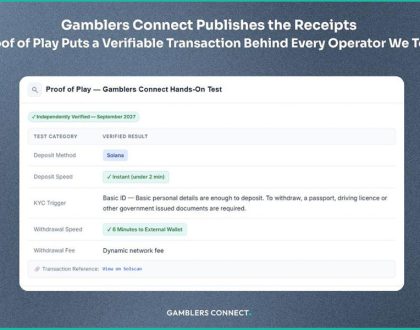
Gamblers Connect launches Proof of Play for transparent operator reviews
September 21, 2026

Ygam reports stronger impact as youth gambling harm prevention expands
September 14, 2026



Kongebonus launches complaints centre for Norway’s online casino players
September 8, 2026


Sweden launches gambling harm inquiry focused on children and young men
September 5, 2026

Mindway AI partners with Gaming1 to advance responsible gambling in NL
September 3, 2026