How Malta’s Casinos Handle Enhanced Due Diligence?
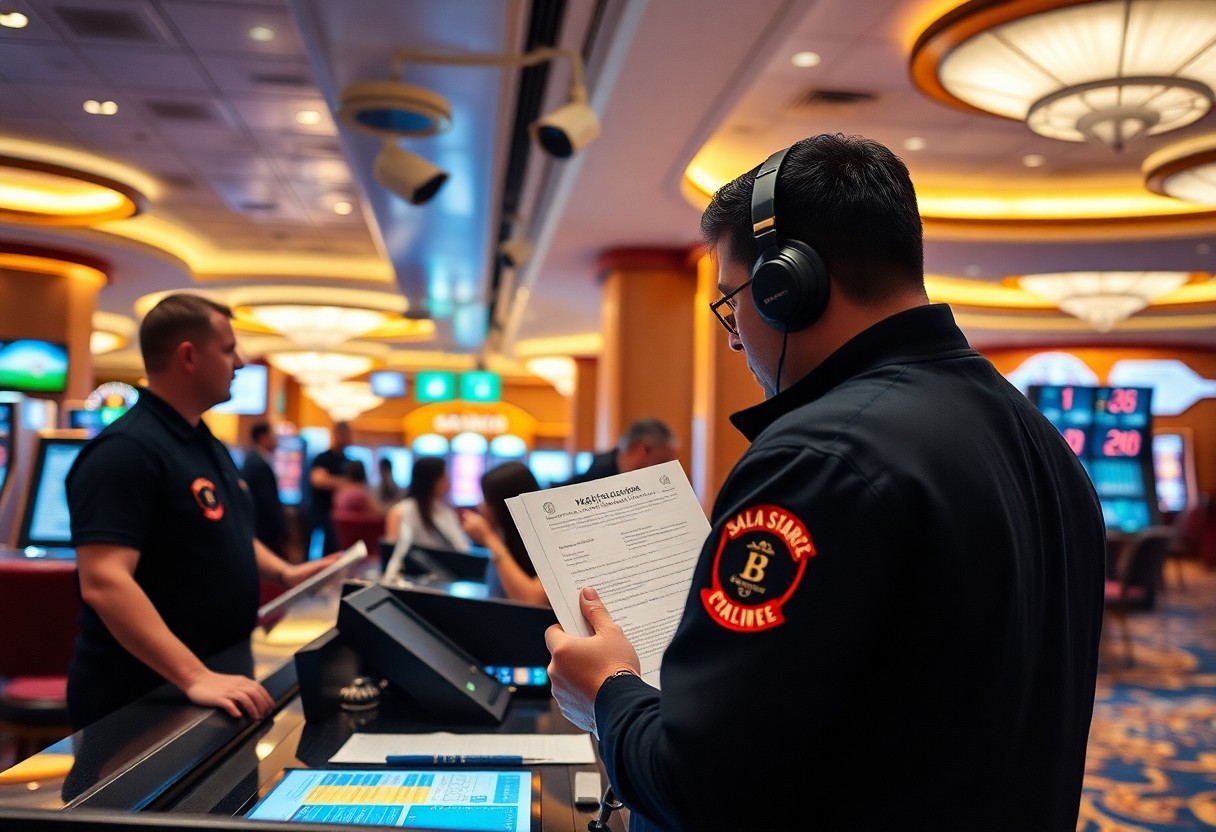
With an increasing emphasis on regulatory compliance, Malta's casinos have developed robust procedures for Enhanced Due Diligence (EDD). This involves comprehensive verification processes to assess the risks associated with customers, particularly in preventing money laundering and other illicit activities. By employing advanced technologies and adhering to stringent legal requirements, these casinos ensure a transparent and secure gaming environment, reflecting Malta's commitment to upholding high standards in the gaming industry.
Key Takeaways:
- Malta's casinos implement comprehensive customer onboarding processes to assess risks associated with new patrons.
- Ongoing monitoring of customer transactions is maintained to identify unusual patterns and ensure compliance with regulations.
- Collaboration with regulatory bodies and adherence to AML (Anti-Money Laundering) guidelines are integral to their due diligence efforts.
Overview of Enhanced Due Diligence
Definition of Enhanced Due Diligence
Enhanced Due Diligence (EDD) refers to the comprehensive processes employed by casinos to identify, assess, and mitigate risks associated with high-value transactions and customers deemed higher risk. This involves more thorough checks beyond standard customer due diligence, including scrutinizing source of funds and ongoing monitoring of customer behavior.
Importance in the Gambling Industry
EDD is important in the gambling sector due to the significant risks related to money laundering and fraud. Casinos, as high-value cash businesses, are potential targets for illicit financial activities, thus requiring stringent measures to uphold financial integrity and compliance with regulations.








Malta's gambling industry relies heavily on EDD to preserve its reputation as a secure gaming environment. By employing rigorous measures, casinos can effectively detect and deter fraudulent activities, thereby fostering greater trust among patrons and stakeholders. The presence of a strong EDD framework not only protects the casinos themselves but also enhances the overall stability and attractiveness of Malta as a gaming jurisdiction.
Regulatory Framework Governing EDD in Malta
The regulatory framework for EDD in Malta is primarily governed by the Gambling Authority and aligns with the EU's Anti-Money Laundering (AML) directives. This ensures that casinos adhere to stringent requirements regarding customer identification and ongoing transaction monitoring.
In Malta, the Gaming Authority mandates operators to implement comprehensive EDD processes as part of their risk-based approach to compliance. This involves assessing risk profiles for different customer categories, conducting thorough source of funds checks, and maintaining updated records. The framework's alignment with international standards reinforces Malta's commitment to combating money laundering while promoting a safe gaming landscape for both operators and players.
The Role of Malta's Gaming Authority
Licensing Requirements for Casinos
Malta's Gaming Authority (MGA) mandates comprehensive licensing requirements for casinos, ensuring they operate within strict regulatory frameworks. Applicants must demonstrate financial stability, integrity, and the ability to provide a safe gambling environment. This includes submitting detailed business plans, proof of solvency, and thorough background checks on key personnel.
Monitoring and Compliance Oversight
The MGA employs a rigorous monitoring system to ensure ongoing compliance among licensed casinos. This includes regular audits, financial reporting, and evaluations of each casino's enhanced due diligence processes. Violations can lead to substantial penalties or revocation of licenses.
Through a combination of on-site inspections and data analysis, the MGA scrutinizes casinos' adherence to anti-money laundering (AML) laws and responsible gambling practices. These proactive measures serve to identify any discrepancies promptly, reinforcing the integrity of Malta's gaming sector. Each casino is required to implement robust internal policies that align with MGA standards, fostering a culture of compliance and transparency.
Guidance Documents and Best Practices
The MGA creates and disseminates guidance documents outlining best practices for enhanced due diligence in the gaming industry. These resources help casinos navigate complex regulatory landscapes and establish robust AML procedures. Such documentation is continually updated to reflect evolving legal requirements and industry standards.
The MGA collaborates with industry stakeholders to refine these guidance documents, ensuring they address real-world challenges faced by casinos. By providing clear directions on risk assessment, customer verification, and transaction monitoring, the MGA empowers casinos to enhance their operational practices and align with international standards. This collaborative approach keeps Malta at the forefront of responsible gaming and regulatory excellence.
Risk Assessment Procedures
Identifying High-Risk Customers
Casinos in Malta employ various strategies to identify high-risk customers, focusing on factors such as gambling behavior, transaction volume, and geographic location. For instance, individuals with a history of large cash transactions or those residing in jurisdictions known for money laundering are flagged for further scrutiny. This proactive approach ensures that potential risks are assessed before significant interactions occur.
Information Gathering Techniques
Effective information gathering techniques are crucial for enhancing due diligence practices in Malta's casinos. These techniques include using advanced data analytics to track player behavior and employing KYC (Know Your Customer) policies to collect and verify customer data prior to account approval.
Data analytics leverages algorithms to flag unusual patterns, such as rapid bet increments or frequent withdrawals, allowing casinos to intervene promptly. KYC processes involve validating identity through official documentation, ensuring that all customer interactions start from a well-documented baseline of trust. Additionally, casinos often utilize third-party databases to cross-check information, further enhancing their ability to spot discrepancies or potential risks.
Continuous Monitoring of Customer Activity
Ongoing monitoring of customer activity is vital for maintaining compliance and ensuring responsible gambling. By utilizing real-time data tracking systems, casinos can detect abnormal play patterns or changes in deposit behaviors instantaneously.
This continual oversight not only helps in identifying potential issues early but also supports regulatory obligations. For example, if a player suddenly increases their betting limits significantly, alerts are generated for compliance teams to review the situation. Such dynamic approaches ensure that casinos can quickly assess risk levels and adapt their strategies based on emerging trends or customer behavior shifts.
Know Your Customer (KYC) Practices
Customer Identification Procedures
Customer identification procedures (CIPs) in Maltese casinos involve collecting crucial information such as name, address, date of birth, and identification documentation. This data is gathered from various sources to ensure accuracy and is often required at multiple points in the customer lifecycle, including account creation and significant transactions, to mitigate potential risks associated with money laundering and fraud.
Verification Methods and Technologies
Verification methods utilized by casinos include digital identity verification systems, biometric authentication, and AI-driven software that cross-references customer data against government databases. These technologies enhance the efficiency of KYC processes while ensuring compliance with regulatory requirements.
Advanced technologies play a pivotal role in KYC verification. For instance, biometric authentication—such as facial recognition or fingerprint scanning—ensures that the individual is who they claim to be. Additionally, integration with government databases allows casinos to quickly confirm the legitimacy of identification documents, drastically reducing the time spent on manual verification and increasing the overall accuracy of customer assessments.
Challenges in KYC Implementation
Implementing effective KYC procedures presents several challenges, including the need for up-to-date technology, maintaining data privacy, and the potential for customer resistance to prolonged identification processes. These factors can complicate compliance efforts and affect recruitment and retention strategies.
One significant challenge is ensuring compliance with evolving regulations while keeping the KYC process user-friendly. Casinos must navigate privacy laws that protect customer data while still implementing stringent verification checks. Moreover, as online gambling rises, adapting KYC processes to accommodate digital platforms without causing friction for users is paramount. Stakeholders must invest in customer education to alleviate concerns surrounding data collection and emphasize the importance of security in gambling transactions.
Reporting and Documentation
Record-Keeping Requirements
Malta's casinos are required to maintain detailed records of all Enhanced Due Diligence (EDD) processes. This includes customer identification documents, transaction histories, and risk assessment reports. These records should be stored securely for a minimum of five years to ensure compliance with regulations and facilitate future audits by the Malta Gaming Authority (MGA). Proper record-keeping not only helps in mitigating risks but also enhances the casinos' integrity and reputation in the industry.
Reporting Suspicious Activities
When a casino identifies a suspicious activity, it must promptly report it to the Financial Intelligence Analysis Unit (FIAU). This reporting process involves submitting a Suspicious Transaction Report (STR) that outlines the details of the transaction and the reasoning behind the suspicion. Timely reporting is imperative to prevent potential money laundering or other illicit activities.
Casinos typically employ dedicated compliance teams to monitor transactions continuously. For instance, if a patron frequently withdraws large sums that exceed their known income, this behavior would trigger a detailed investigation. Data capturing tools assist in recognizing patterns indicative of suspicious behavior, ensuring any unusual activities are flagged and reported immediately to the FIAU. Failure to comply can lead to significant legal repercussions and damage to the casino's license status.
Data Privacy and Confidentiality Considerations
Data privacy is paramount in the gambling industry, especially during EDD. Casinos must ensure that personal information collected during the due diligence process is protected by strict confidentiality measures. Compliance with the General Data Protection Regulation (GDPR) is mandatory, requiring that customer data is processed fairly and securely.
Casinos implement robust cybersecurity protocols and conduct regular audits to protect sensitive information. For instance, encryption techniques are employed to safeguard data in transit and at rest. Additionally, employee training on data privacy practices is imperative to mitigate the risks of accidental breaches. Striking a balance between compliance and customer confidentiality builds trust while fulfilling regulatory obligations effectively.
Training and Awareness Programs
Staff Training on EDD Protocols
Comprehensive training on Enhanced Due Diligence (EDD) protocols is important for casino staff to identify and manage potential risks effectively. Training programs typically cover the importance of monitoring player behavior, recognizing suspicious activities, and adhering to anti-money laundering regulations. Regular workshops and scenario-based learning sessions ensure that employees are well-equipped to apply these protocols in real-world situations.
Awareness Campaigns for Responsible Gambling
Awareness campaigns play a vital role in promoting responsible gambling practices among patrons. Casinos often implement programs that educate players about safe gaming habits, recognize the signs of gambling addiction, and provide access to support resources. This proactive approach not only safeguards players but also fosters a positive community image.
Such campaigns can include informational brochures, interactive workshops, and dedicated support hotlines. Through partnerships with local organizations, casinos host events that promote mental health and combat addiction. Marketing materials, both online and offline, are designed to reach diverse demographics, ensuring that the message of responsible gambling is widely disseminated.
Evaluating Training Effectiveness
Regular evaluation of training effectiveness is critical to ensure that staff are proficient in EDD protocols and responsible gambling initiatives. Feedback mechanisms, such as surveys and performance assessments, are employed to gauge understanding and implementation of training material.
This evaluation process often involves analyzing staff interactions with patrons and tracking changes in compliance-related incidents. By measuring knowledge retention and the application of training in daily operations, casinos can identify areas for improvement and adapt future training programs accordingly, thus enhancing overall operational integrity.
Future Trends and Challenges
Technological Innovations in EDD
Emerging technologies like artificial intelligence and machine learning are revolutionizing Enhanced Due Diligence (EDD) approaches in Malta's casinos. These tools streamline customer verification processes, enabling real-time data analysis and risk assessment, which helps identify potential money laundering activities more efficiently. Implementing blockchain technology could further enhance transparency and traceability, ensuring a secure gaming environment.
Evolving Regulatory Expectations
Malta's gaming authorities are continuously updating their regulatory framework to address the complexities of modern gambling activities. Recent amendments include intensified scrutiny on high-risk customers and greater emphasis on the documentation required during onboarding processes. The regulators stress the necessity for operators to adopt proactive compliance measures to align with international standards.
This evolving landscape of regulatory expectations is driven by international mandates, including the Financial Action Task Force (FATF) guidelines. As new threats emerge in the gambling sector, regulatory bodies are likely to impose stricter reporting requirements and enhanced scrutiny on transactions. Casinos must invest in advanced monitoring systems and ensure staff are well-trained in compliance protocols to navigate these changes effectively.
The Impact of Global Trends on Local Practices
Global trends, such as increased focus on responsible gambling and sustainability, are influencing local practices within Malta's casino industry. As international regulations tighten, local operators are adopting more rigorous EDD measures to remain competitive and compliant.
The influence of global standards can be seen in how Malta's casinos are reshaping their operational strategies. For instance, many establishments are integrating extensive customer education programs around responsible gambling to align with international best practices. Additionally, the push for environmentally sustainable operations is prompting casinos to reevaluate their business models, ensuring they maintain regulatory compliance while meeting both local and global expectations. This adaptability not only fosters local innovation but also strengthens Malta's reputation in the global gaming market.
To wrap up
As a reminder, Malta's casinos implement enhanced due diligence by rigorously assessing customer identities and transaction histories to mitigate risks of money laundering and fraud. Compliance with the Malta Gaming Authority regulations ensures structured evaluation processes, including thorough background checks and ongoing monitoring of accounts. These practices not only uphold the integrity of the gaming sector but also foster a secure environment for players. Through meticulous adherence to legal frameworks, Malta's casinos effectively balance operational efficiency with regulatory responsibilities.
FAQ
Q: What is enhanced due diligence in the context of Malta's casinos?
A: Enhanced due diligence refers to the thorough risk assessment and verification processes that casinos in Malta implement to identify and mitigate potential money laundering and terrorist financing risks associated with their players.
Q: How do casinos in Malta identify high-risk customers?
A: Casinos assess various factors such as the customer's financial background, transaction patterns, and geographic origin to determine the risk level. High-risk individuals may undergo more stringent checks.
Q: What documentation is required for enhanced due diligence?
A: Casinos may require detailed identification documents, proof of address, source of funds, and other relevant financial information from customers identified as high-risk to ensure compliance with regulatory standards.
Q: How often do Malta's casinos perform enhanced due diligence checks?
A: Enhanced due diligence checks are performed at the onboarding stage for high-risk customers and may be repeated periodically or whenever there are significant changes in a customer's risk profile.
Q: What measures do Malta's casinos take if a customer fails enhanced due diligence?
A: If a customer fails enhanced due diligence, casinos may restrict or close their account, report the findings to regulatory authorities, and potentially take legal action if suspicious activities are identified.

Ash
I like to keep it short. I am a writer who also knows how to rhyme his lines. I can write articles, edit them and also carve out some poetic lines from my mind. Education B.A. - English, Delhi University, India, Graduated 2017.
Related Posts

MERKUR Casino UK appoints Dan Whitlam to strengthen compliance leadership
September 22, 2026
mkodo’s GeoLocs launches Fraud Shield to strengthen player risk controls
September 16, 2026

International Alliance strengthens cooperation on telecom and cyber fraud
September 11, 2026



UK gambling websites face privacy scrutiny over cookie consent practices
September 7, 2026

Inpay faces Danish restriction on new online gambling clients over AML
September 4, 2026