

















KYC in Malta’s Online Casinos
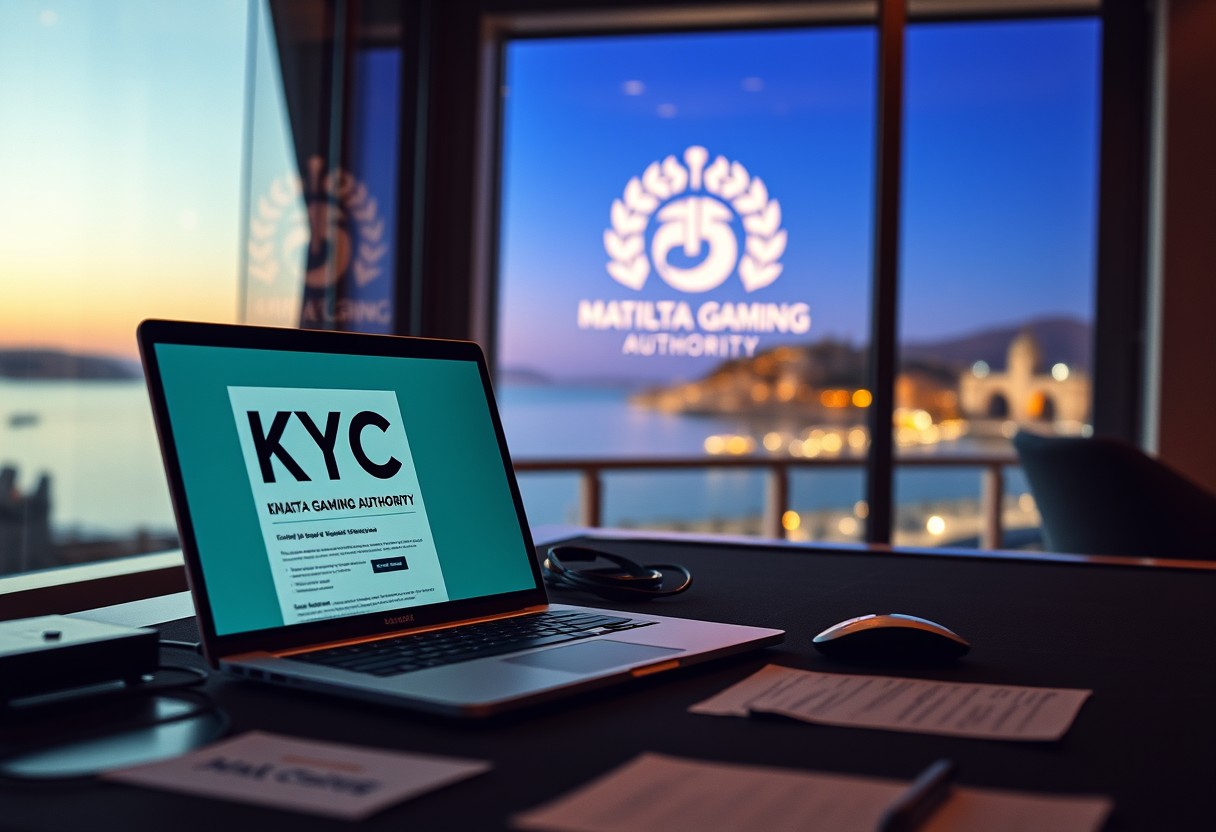
It's crucial for players to understand the significance of Know Your Customer (KYC) regulations in Malta's online casinos, as these protocols are designed to enhance transparency and security in the gaming industry. He, she, and they will find that the Malta Gaming Authority (MGA) has established best practices that not only comply with legal standards but also promote responsible gaming. This blog post researchs into the intricacies of KYC in Malta's online gambling sector, exploring whether MGA's practices are merely basic protocols or truly exemplary guidelines for the industry.
Importance of KYC in Online Casinos
The implementation of Know Your Customer (KYC) protocols is vital in online casinos, as it ensures the integrity of the gaming environment and fosters a culture of trust. By verifying the identity of players, casinos can not only enhance the gaming experience but also comply with regulatory mandates, thus safeguarding both operators and players from potential risks.
Protecting Players
An effective KYC process plays a crucial role in protecting players by ensuring that only individuals of legal age participate in online gaming activities. This adherence to legal requirements acts as a protective barrier against underage gambling, allowing a safe and responsible environment for adult players to enjoy their gaming experiences.










Preventing Fraud and Money Laundering
Fraud and money laundering present considerable challenges within the online gaming sector, necessitating robust measures to combat these risks. KYC protocols help mitigate such threats by verifying the identities of players and monitoring financial transactions, thereby creating an environment resistant to illicit activities.
It is through the implementation of comprehensive KYC measures that online casinos in Malta can effectively deter fraud and money laundering. By thoroughly screening players' identities and monitoring their transactions, they not only prevent illegal activities but also ensure compliance with international regulations. These practices safeguard revenue streams, protect the brand's reputation, and promote a healthier gaming landscape where players can engage without fear of fraud or financial malpractice.
Regulatory Framework in Malta
While Malta has established itself as a leading jurisdiction for online gambling, its regulatory framework is designed to ensure fair play, transparency, and consumer protection. The country's laws govern various aspects of gaming operations, including licensing, taxation, and compliance, thus providing a secure environment for both operators and players. Through a comprehensive legal structure, Malta promotes responsible gaming and establishes strict guidelines on player identification and KYC processes.
Role of the Malta Gaming Authority (MGA)
Malta serves as the hub for online gaming regulation, with the Malta Gaming Authority (MGA) being the principal regulatory body overseeing the sector. The MGA implements and enforces policies that protect players while also facilitating the growth of the gaming industry. By ensuring compliance with stringent regulations, the MGA plays a crucial role in maintaining trust and integrity within the Maltese gaming ecosystem.
Compliance Requirements
With stringent compliance requirements in place, online casino operators in Malta must adhere to various guidelines aimed at preventing fraud and ensuring user safety. These include implementing robust KYC procedures to accurately verify player identities and assess potential risks associated with their accounts.
Plus, compliance demands that operators regularly monitor their processes and report any suspicious activity. They must establish thorough KYC protocols, including collecting identification documents and proof of funds from players. Additionally, the MGA mandates operators to conduct regular training for personnel involved in KYC processes to ensure they remain knowledgeable about the latest regulations and best practices. By maintaining these compliance standards, operators not only fulfill legal requirements but also contribute to a safe and responsible gaming environment for their users.
Best Practices for KYC Procedures
If online casinos in Malta are to achieve compliance with the Malta Gaming Authority (MGA), they must adopt best practices for Know Your Customer (KYC) procedures. These practices ensure that player identities are verifiable while promoting a safe and secure gaming environment. Robust KYC processes foster trust and responsibility among operators and players alike, ultimately enhancing the integrity of the online gambling industry in Malta.
Identity Verification Techniques
Practices for identity verification may include collecting government-issued identification, proof of address, and even biometric verification methods. Online casinos are encouraged to implement multi-layered verification systems that effectively assess the legitimacy of player accounts while minimizing the risk of fraud and identity theft.
Data Protection and Privacy Considerations
Identity protection is paramount when handling sensitive customer information. Online casinos need to comply with GDPR regulations and other applicable data protection laws to ensure that players' personal data is secure and used appropriately.
Plus, operators must adopt encryption technologies, secure data storage solutions, and regular audits to manage and protect player information effectively. They should also implement clear privacy policies to inform players about how their data will be used, stored, and shared, ensuring transparency and building trust with their customer base.
Differences Between Best Practices and Basic Protocols
To understand the differences between best practices and basic protocols in KYC processes, one must recognize that best practices encompass a proactive and thorough approach to compliance, ensuring the highest levels of player safety and fraud prevention. In contrast, basic protocols often represent the minimum legal requirements that operators must fulfill, which may vary among jurisdictions, including Malta. It is vital for players and operators alike to comprehend these distinctions, as adherence to best practices can significantly enhance the overall gaming experience and trustworthiness of online casinos.
Comprehensive vs. Minimal Compliance
For players and operators, the distinction between comprehensive and minimal compliance in KYC processes is crucial. Comprehensive compliance aims to establish a robust identity verification framework that goes beyond the basic requirements, providing greater security and assurance. Conversely, minimal compliance involves a limited set of identity checks, often sufficing to meet legal obligations but potentially increasing risks of fraud and identity theft. Therefore, a deeper understanding of these approaches is vital for all involved in the online gaming landscape.
Implications for Players and Operators
To achieve effective KYC compliance, players must understand their rights and the protections afforded to them, while operators need to recognize the enhanced reputational risks associated with inadequate compliance practices. The implications of adhering to best practices are significant; they foster trust between players and operators, leading to a more secure and enjoyable gaming environment. Conversely, minimal compliance may expose both parties to various risks, from fraudulent activities to regulatory penalties.
Compliance with best practices ensures that operators not only meet legal obligations but also cultivate a secure environment for players, instilling confidence in their operations. When players are assured of their safety through comprehensive KYC measures, they are more likely to engage and remain loyal to an online casino. Conversely, if operators adhere only to minimal compliance, they risk undermining player trust and facing negative repercussions, such as loss of clientele and potential fines. Hence, understanding the implications of compliance is vital for sustaining a positive gaming ecosystem.
Challenges in Implementing KYC
Not every online casino in Malta finds it easy to implement robust KYC processes. Various challenges arise, including regulatory compliance, resource allocation, and the need for continuous updates to systems. Moreover, operators often grapple with the balance between meeting regulatory requirements and maintaining a user-friendly experience, as ongoing adjustments can lead to operational complexities and customer dissatisfaction.
Technological Limitations
Any operator may encounter technological limitations that hinder the implementation of effective KYC processes. Many existing systems are outdated or incompatible with newer software solutions, making it challenging to collect and analyze customer data efficiently. As a result, casinos may struggle to keep pace with evolving regulations while ensuring that their systems remain secure and effective in preventing fraud.
Balancing Customer Experience with Compliance
The delicate balance between providing a seamless customer experience and adhering to compliance regulations is particularly daunting for online casinos. Striking this balance is crucial as overly stringent KYC processes can easily frustrate players, resulting in higher abandonment rates. Operators must carefully design their KYC procedures to ensure that they are both efficient and user-friendly, ultimately fostering a positive gaming environment.
With the increasing scrutiny on regulatory frameworks, he, she, or they must ensure that their KYC practices do not alienate customers while still meeting compliance requirements. Developing intuitive interfaces for document verification and customer interaction can enhance the experience without compromising security. Consequently, online casinos are encouraged to adopt innovative technologies that streamline KYC processes, such as biometric verification and automated identity checks, thereby maintaining regulatory compliance while offering a satisfying user experience.
Future Trends in KYC in Malta's Online Casinos
Unlike traditional methods, the future of KYC in Malta's online casinos will likely emphasize technological integration and enhanced user experience, resulting in more efficient and safer processes for both operators and players. As the industry matures, proactive measures will be prioritized to address emerging challenges, balancing regulatory compliance with seamless customer engagement.
Innovations in Verification Processes
To stay competitive, operators are expected to adopt innovative verification processes, leveraging advanced technologies such as artificial intelligence and machine learning. These innovations will streamline KYC procedures, allowing casinos to quickly and accurately verify user identities while enhancing overall security and user satisfaction.
Evolving Regulatory Landscape
Verification methods must adapt to the constantly changing landscape of regulation. Malta's online casinos will have to stay ahead of legislative developments to ensure compliance with KYC standards that may evolve over time.
Understanding the evolving regulatory landscape is crucial for Malta's online casinos as they navigate the complexities of KYC compliance. Authorities are increasingly focusing on consumer protection and anti-money laundering measures, necessitating that operators stay informed of legislative changes. This adaptability not only aids in maintaining compliance but also builds trust with players who prioritize security and transparency in their gaming experience.
Summing up
Following this, it is evident that KYC practices in Malta's online casinos, governed by the MGA, span a spectrum from stringent best practices to more basic protocols. He, she, and they must recognize that, while Malta strives for a robust regulatory framework to ensure player safety and integrity, the effectiveness of these measures can vary. Ultimately, the commitment to comprehensive KYC processes is crucial to uphold the nation's reputation as a leading hub for online gaming and to protect both operators and players in the digital gambling landscape.
FAQs
What is the purpose of KYC in online casinos?
KYC ensures the integrity of the gaming environment by verifying player identities, preventing fraud, and protecting against underage gambling.
How does KYC help protect players?
KYC processes ensure that only players of legal age can engage in online gaming, promoting a safe and responsible gaming environment.
What role does KYC play in preventing money laundering?
KYC helps mitigate fraud and money laundering by verifying player identities and monitoring financial transactions, ensuring compliance with regulations.
What is the regulatory framework for KYC in Malta?
Malta's legal structure requires online casinos to implement KYC protocols to comply with laws that protect consumers and ensure fair gaming practices.
Who enforces KYC regulations in Malta’s online casinos?
The Malta Gaming Authority (MGA) is responsible for enforcing KYC regulations to ensure that casinos adhere to legal and ethical gaming standards.
What are the best practices for KYC procedures in Malta’s online casinos?
Best practices include verifying player identities using government-issued IDs, proof of address, and adopting multi-layered verification systems.
How do Malta’s KYC processes differ from basic protocols?
Best practices involve proactive and comprehensive identity verification methods, while basic protocols only meet minimum legal requirements.
How does Malta protect player data under KYC regulations?
Online casinos must comply with GDPR and data protection laws to secure players' personal information through encryption and secure storage solutions.
What challenges do online casinos face with KYC implementation?
Casinos struggle with compliance, technological limitations, resource allocation, and balancing regulatory needs with a smooth user experience.
What future trends are expected in KYC for Malta’s online casinos?
The future of KYC will focus on technological advancements like AI and machine learning to improve verification processes and enhance security.

Lela
I have over 10 years' experience proofreading and editing where spelling and grammar were paramount. This includes newspaper publication and designing advertisements. I personally write all my articles.This allows me to do in-depth research and provide premium content.
Related Posts


Ms Wittmann celebrates Berlin ruling despite MGA hacking findings
October 11, 2026


