















Online Casino Regulations in the Netherlands
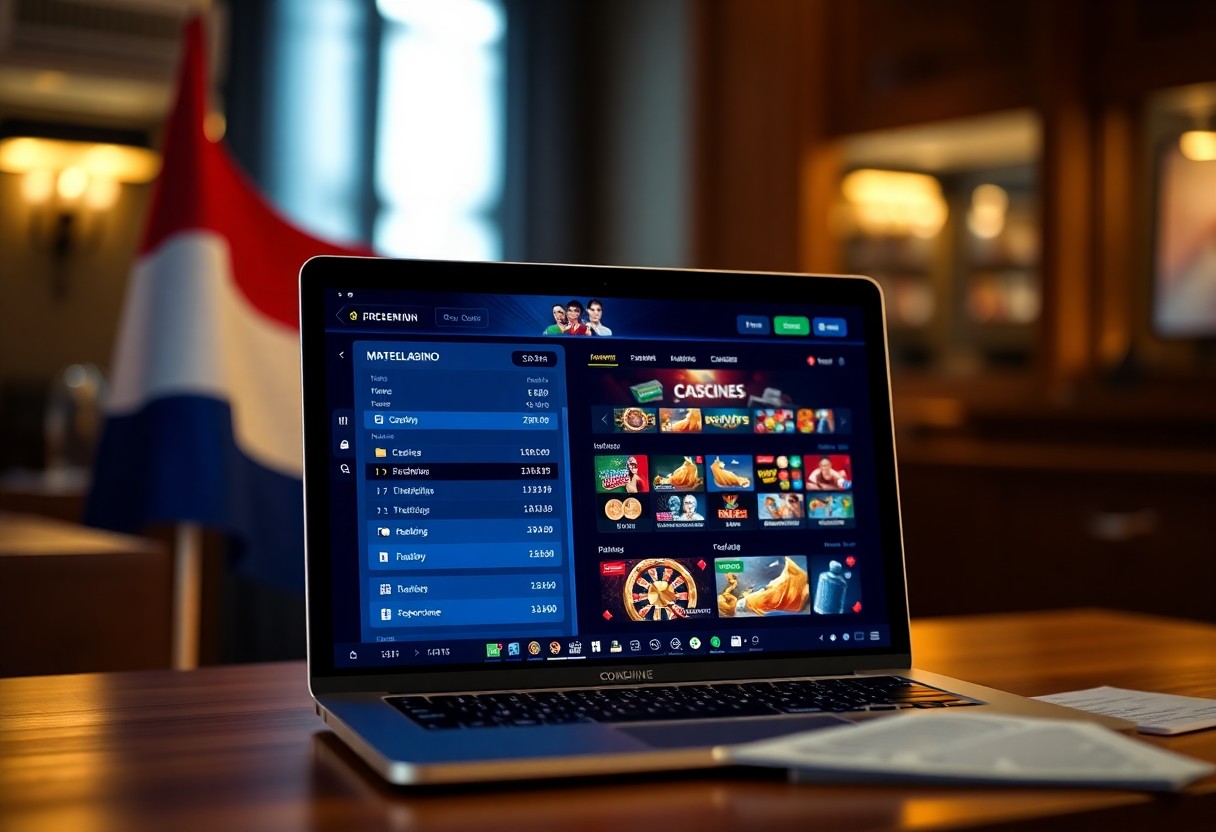
There's a growing interest in the regulations governing online casinos in the Netherlands, particularly as the market becomes increasingly competitive. She explores how these establishments must adhere to specific compliance obligations established by the Dutch Gaming Authority. He explores into the importance of licensing, player protection measures, and responsible gambling practices that they must implement to operate legally. By understanding these obligations, stakeholders can ensure they navigate the online gambling landscape effectively while maintaining the integrity of the industry.
Historical Context of Online Gambling in the Netherlands
While the landscape of online gambling in the Netherlands has evolved significantly over the years, it reflects broader changes in societal attitudes and legal frameworks. The journey began with a limited understanding and acceptance of gambling activities, but this has transformed into a more regulated environment, fostering both player protection and industry growth.
Evolution of Gambling Legislation
Context reveals that Dutch gambling legislation has undergone significant transformations since the early 20th century. The Betting and Gaming Act of 1964 marked a pivotal point, establishing a legal framework for land-based gambling. However, it wasn't until the late 1990s that discussions began to emerge about incorporating online gambling within this legal structure.










Key Milestones in Dutch Online Gambling
Across the years, several key milestones have shaped the online gambling narrative in the Netherlands. The first notable step was the establishment of the Dutch Remote Gambling Act in 2019, which allowed the licensing of online gambling operators. This act paved the way for a regulated market, with a focus on transparency and player protection.
Online licenses began to be issued in 2021, signaling the formal entry of regulated online casinos into the Dutch market. This comprehensive legislation aimed to integrate online gambling into existing laws, addressing both market demand and public health concerns regarding gambling addiction. The government’s commitment to combating illegal gambling and protecting consumers has driven continual improvements in oversight and compliance measures.
Sociocultural Attitudes Towards Gambling
One noteworthy aspect of the Dutch gambling landscape is the changing sociocultural attitudes towards gambling. Initially seen as a taboo, gambling has gradually become more accepted, particularly among younger generations who embrace online platforms.
Another factor influencing these attitudes is the increased accessibility of online gambling, which has normalized the experience. As digital spaces for gambling expand, there is also a growing emphasis on responsible gaming practices, educating players about the potential risks and promoting a healthier relationship with gambling activities.
The Remote Gambling Act (Wet Kansspelen op afstand)
Overview of the Legislation
It is important to highlight that the Remote Gambling Act is a key framework governing online gambling activities in the Netherlands. The legislation was enacted to regulate and oversee online casinos, ensuring they operate fairly and transparently while protecting consumers from potential harm.
Objectives and Goals of the Act
An imperative aim of the Act is to create a secure and reliable environment for online gambling. By establishing legal requirements, it seeks to mitigate risks associated with gambling addiction and fraud, while promoting responsible gaming practices.
Afstand focuses on several key objectives, including consumer protection, increased tax revenue for the government, and the establishment of a regulated market that limits illegal gambling operations. It emphasizes the necessity of licensing, which ensures that operators adhere to high standards of security and fairness in their offerings.
Major Changes from Previous Regulations
At its core, the Remote Gambling Act introduces significant revisions to previous laws governing gambling in the Netherlands. One major aspect is the opening of the market to licensed international operators, allowing them to offer services legally to Dutch players while imposing stringent conditions on their operations.
Consequently, this shift aims to transition players from unregulated platforms to safer, legal options, which will ultimately enhance consumer protection and allow the government to monitor the industry more effectively. The Act also emphasizes responsible gaming measures, ensuring that operators provide adequate support and resources to assist players in making informed decisions about their gambling activities.
Licensing Requirements for Online Casinos
After a thorough understanding of the regulatory landscape for online casinos in the Netherlands, it is imperative to identify the licensing requirements that govern their operations. The licensing framework ensures that online casinos adhere to established standards, promoting fairness and security for players.
Types of Licenses Available
Any online casino operating in the Netherlands must obtain specific licenses issued by the Dutch Gaming Authority (Kansspelautoriteit). The primary licenses include:
| Type of License | Description |
| Online Gambling License | For offering online gaming and gambling services. |
| Remote Betting License | For platforms providing sports betting options. |
| Casino License | For land-based casinos offering online services. |
| Lottery License | For conducting online lottery games. |
Thou must ensure compliance with local regulations to acquire these licenses.
Application Process for Obtaining a License
One crucial step for potential licensees is navigating the application process, which entails submitting comprehensive documents that demonstrate compliance with regulatory standards.
Plus, applicants are required to provide details about their business model, financial stability, and security measures. This process can be lengthy, involving thorough vetting by the authorities to ensure that all operators meet the stringent requirements set forth by the Dutch Gaming Authority.
Renewal and Compliance Obligations
With the initial issuance of a license, online casinos must remain vigilant about maintaining their compliance obligations to ensure that their licenses remain valid.
For instance, operators are mandated to conduct regular audits and report any significant changes to their operations to the Gaming Authority. Additionally, they must adhere to responsible gaming practices and ensure adequate player protection measures are in place, further cementing their commitment to a safe gaming environment.
Regulatory Authority: The Kansspelautoriteit (KSA)
Keep in mind that the Kansspelautoriteit (KSA) is the regulatory authority overseeing all forms of gambling in the Netherlands. He is tasked with ensuring that the gaming environment operates fairly, safely, and responsibly. Their main functions include licensing operators, monitoring gaming activities, and enforcing compliance with the Dutch Gambling Act.
Role and Functions of the KSA
Between its various responsibilities, the KSA acts as a guardian of public interests, safeguarding players from exploitation and ensuring that gambling remains a regulated and controlled activity. They implement measures to prevent illegal gambling and promote responsible gaming practices among both operators and players.
Powers of Enforcement
After identifying violations of the regulations, the KSA possesses significant enforcement powers to take necessary actions. These can range from issuing fines to revoking licenses, depending on the severity of the infringement. He ensures that operators adhere strictly to legal and ethical standards.
In addition, the KSA can conduct audits and investigations to ensure compliance and detect any irregularities. They have the authority to impose sanctions on non-compliant operators, which can serve as a deterrent to prevent future violations. This vigilance helps maintain the integrity of the online gambling sector in the Netherlands.
Interaction with Other Regulatory Bodies
At the same time, the KSA collaborates with various national and international regulatory bodies to enhance the framework of online gambling. They share information and best practices to address cross-border issues effectively, fostering a unified approach toward regulation and compliance.
Consequently, this cooperation is important in the fight against illegal gambling operations and fraud. By engaging with other regulatory authorities, the KSA strengthens its capacity to regulate the online gambling market comprehensively and effectively, ensuring a fair and transparent gaming environment for all stakeholders involved.
Compliance Obligations for Operators
For operators of online casinos in the Netherlands, compliance with industry regulations is vital for maintaining a legal and reputable business. They must adhere to specific requirements set forth by the Dutch Gaming Authority (Kansspelautoriteit) to ensure the integrity and security of their platforms while providing a fair gaming experience for players.
Technical Standards for Online Gaming Software
Software used by online casinos must meet stringent technical standards to ensure fair play and player safety. These standards include random number generation protocols, data encryption methods, and thorough testing of gaming products to confirm that they operate as intended.
Financial Responsibility and Tax Obligations
Operators are obliged to maintain financial integrity and fulfill tax obligations, ensuring transparency in their operations. This includes accurately reporting revenue and paying the appropriate taxes on gaming income, as stipulated by Dutch law.
Standards relating to financial responsibility extend beyond tax payments; operators must also demonstrate sound financial practices. They are required to maintain sufficient liquidity to cover payouts, and they must regularly audit their financial statements to reflect the true status of their financial operations. Failure to comply with these standards may result in penalties or loss of operating licenses.
Responsible Gambling Measures
To protect players, operators must implement responsible gambling measures that promote safe gaming practices and prevent gambling addiction. These measures include providing tools for self-exclusion, setting deposit limits, and offering resources for players seeking help.
Hence, operators must prioritize the development of comprehensive responsible gambling policies to foster a safe gaming environment. They should provide easily accessible information about responsible gambling practices and closely monitor player behavior to identify any signs of problem gambling. This proactive approach not only helps safeguard players but also bolsters the operator's reputation and compliance with regulatory requirements.
Player Protection Measures
Now, player protection measures are necessary components of compliance obligations for online casinos operating in the Netherlands. These measures are designed to promote responsible gaming and provide players with the resources they need to gamble safely.
Age Verification Protocols
The importance of age verification protocols cannot be overstated, as they are central to ensuring that individuals under the legal gambling age are not allowed to participate in online gaming activities. Online casinos must implement reliable methods for verifying the age of their players, typically by requiring official identification documentation during the registration process.
Self-Exclusion Programs
Among the many safeguards available, self-exclusion programs are vital for helping players manage their gambling habits. These programs allow individuals to voluntarily exclude themselves from accessing online casinos for a specified period, promoting healthier gambling behavior.
It is necessary for online casinos to establish clear self-exclusion processes that are easily accessible to players. Once a player opts for self-exclusion, the casino must ensure that they cannot access their gaming accounts or participate in gambling activities during the exclusion period. The goal of these programs is to support players in taking responsible steps toward managing their gambling habits effectively.
Gambling Addiction Resources
Below the surface of typical gaming activities, many players may struggle with gambling addiction. Therefore, online casinos in the Netherlands are required to offer resources and information about support options for individuals dealing with gambling problems.
SelfExclusion measures play a significant role in helping individuals who may be at risk of gambling addiction by connecting them to appropriate resources and support networks. These resources often include hotlines, counseling services, and support groups to address the challenges associated with gambling disorders. By providing this information, online casinos contribute to fostering a safe gambling environment and empowering players to seek help when needed.
Advertising and Promotion Guidelines
To ensure responsible gaming and protect consumers, the Netherlands imposes strict guidelines on the advertising and promotion of online casinos. Adhering to these regulations is necessary for operators to maintain compliance with local laws and foster a positive gaming environment.
Restrictions on Advertising Content
Advertising for online casinos must not contain misleading information or promote excessive gambling. They are prohibited from encouraging irresponsible behavior, particularly among vulnerable populations. Additionally, advertisements must avoid any depiction of gambling that implies it can solve financial difficulties or improve personal relationships.
Target Audience and Marketing Strategies
Between the various marketing strategies employed by online casinos, it is important that they define their target audience accurately. They should focus on promoting their services to adult users while avoiding content that appeals to minors or vulnerable groups, including those with gambling addictions.
Indeed, this necessitates a strategic approach in content planning, using responsible messaging that resonates with the intended adult audience. Online casinos should utilize platforms that guarantee the reach of their promotions to suitable demographics and implement rigorous age verification processes to ensure compliance. Additionally, maintaining transparency in promotions will help build trust with their players.
Compliance with EU Regulations
Strategies for online casinos operating in the Netherlands also require adherence to European Union regulations that govern advertising practices. They must ensure their campaigns align with broader EU standards related to consumer protection and fair competition.
With an increasing focus on consumer rights and protection across Europe, online casinos need to remain vigilant in their adherence to these rules. This includes ensuring that all promotional materials comply not only with national laws but also with EU directives. Failing to meet these standards can result in penalties or reputational damage, making ongoing compliance a priority for operators in the market.
Data Protection and Privacy Regulations
Once again, online casinos operating in the Netherlands must navigate the complexities of data protection and privacy regulations. These obligations are primarily centered around the General Data Protection Regulation (GDPR), which sets stringent standards for how personal data is collected, processed, and stored. Compliance with these regulations is vital to maintain consumer trust and avoid significant penalties.
Overview of GDPR Implications
Privacy is a fundamental aspect of GDPR, influencing how online casinos manage user data. They are required to obtain explicit consent from players before collecting any personal information and must provide transparency regarding how that data will be used. Additionally, they need to implement necessary security measures to protect this data from unauthorized access.
Data Handling and Storage Requirements
For online casinos, the handling and storage of player data must adhere to the specific guidelines outlined in GDPR. They need to ensure that personal information is only kept for as long as necessary for the purpose it was collected. This includes having robust data protection policies and procedures in place to safeguard the information stored in their systems.
The primary objective of these data handling and storage requirements is to minimize risks related to data breaches and unauthorized access. Online casinos are obligated to categorize the data they collect, ensuring that sensitive information is encrypted and stored securely. They should conduct regular audits and staff training to ensure compliance with current data protection standards.
Breach Notification Protocols
Among the various obligations set forth by GDPR are the breach notification protocols that online casinos must follow. In the event of a data breach, they must notify the relevant authorities, as well as affected individuals, within 72 hours of becoming aware of the breach.
Also, these protocols emphasize the need for online casinos to have an action plan prepared in case of a data breach. This plan should include procedures for investigating the breach, assessing its impact, and implementing corrective measures. By establishing clear communication channels and swift response strategies, online casinos can better protect their players and maintain compliance with regulatory requirements.
Taxation Framework for Online Casinos
Notably, the taxation framework for online casinos in the Netherlands is structured to ensure a fair contribution to the national economy while maintaining a healthy gambling environment.
Overview of Tax Rates Applicable
About the taxation framework, online gambling operators are subject to a tax rate of 30.1% on their gross gaming revenue (GGR). This rate aligns with the government’s objective of regulating the industry while generating revenue to support public services.
Implications of Taxation on Operators
An understanding of the implications of taxation is vital for online casino operators. The significant tax rate may impact their profit margins, prompting them to reassess their pricing structures and marketing strategies to remain competitive.
In fact, the high level of taxation can result in operators needing to carefully manage their operational costs and improve their efficiency. Consequently, they may adopt innovative technologies to enhance player engagement, potentially offsetting the tax burden while still providing an entertaining experience.
Tax Reporting and Compliance
Online casinos must adhere to strict tax reporting and compliance requirements set by Dutch authorities. This includes accurately reporting their gaming revenue and submitting regular tax returns.
Overview of compliance necessitates that operators invest in robust financial tracking systems to ensure precision in their reporting. It is imperative for them to maintain transparent records and engage with tax professionals to navigate the complexities of tax laws effectively, thus ensuring they meet their obligations without incurring penalties.
International Considerations and Cross-Border Issues
Many factors influence the regulatory landscape for online casinos in the Netherlands, particularly in relation to European Union (EU) regulations and international practices. These regulations not only shape the operational framework for domestic operators but also necessitate compliance with cross-border standards, affecting how they engage with players and other jurisdictions.
EU Regulations Impacting Dutch Online Casinos
After the introduction of the Remote Gambling Act, Dutch online casinos must align with various EU directives, which mandate strict adherence to consumer protection, anti-money laundering, and data privacy standards. These regulations ensure that operators maintain a responsible gaming environment, enhancing player trust and safeguarding their interests.
International Licensing Comparisons
Issues concerning international licensing for online casinos reveal several key differences between jurisdictions. Operators must understand the distinct requirements of jurisdictions such as Malta, the UK, and Curacao, in comparison to the new Dutch regulations. Below is a breakdown of these differences:
| Jurisdiction | Key Licensing Features |
|---|---|
| Netherlands | Strict regulations, significant consumer protection measures |
| Malta | Reputation for favorable tax laws, comprehensive regulations |
| UK | Licensing requirements that prioritize responsible gaming and transparency |
| Curacao | Simplified licensing process with less stringent regulations |
Casinos licensed in different countries must navigate varying regulatory landscapes that can impact their operations in the Netherlands. Understanding these international licensing frameworks is vital for online casinos as they aim to enter or expand within the Dutch market while maintaining compliance and operational integrity.
Cooperation with Foreign Regulatory Authorities
The collaboration between Dutch regulatory authorities and their foreign counterparts is vital in addressing compliance challenges related to online gambling. This cooperation promotes knowledge sharing and best practices, ensuring a more robust regulatory environment for online casinos operating in multiple jurisdictions.
Hence, to foster a secure online gaming environment, these authorities engage in joint initiatives, enabling exchanges that address issues such as cross-border advertising, data protection, and anti-fraud measures. This synergy not only reinforces the integrity of the online gambling sector but also enhances consumer confidence across borders.
Compliance Audits and Reporting
Unlike other industries, online casinos in the Netherlands must comply with stringent requirements that demand regular audits and transparent reporting. They are held accountable by the Kansspelautoriteit (KSA), the regulatory body overseeing these operations. Compliance audits are imperative for both maintaining their licenses and ensuring consumer protection.
Internal Compliance Audits
After they implement compliance measures, online casinos must conduct internal audits to assess their adherence to regulations. These audits help identify any potential gaps in compliance and ensure that all operational practices align with KSA requirements.
Reporting Obligations to the KSA
Internal audits alone are not sufficient; online casinos must also fulfill specific reporting obligations to the KSA. They are required to submit comprehensive reports that detail their financial transactions, customer data, and compliance measures conducted within a defined timeframe.
Also, these reports must highlight any anomalies or issues identified during the internal audits, detailing how they were addressed. This level of transparency is vital for maintaining the trust of both the KSA and the players, ensuring that operators are fully accountable for their activities.
Consequences of Non-Compliance
Along with rigorous audits and reporting, online casinos face significant repercussions if they fail to comply with regulations. Non-compliance can lead to hefty fines and even the revocation of their licenses, jeopardizing their operations.
In addition, non-compliance not only has financial implications but can also damage the reputation of the online casino. The KSA's strict stance on enforcement serves as a deterrent, ensuring that operators maintain integrity in their practices while also protecting consumers' interests.
Emerging Trends in Online Gambling Compliance
All stakeholders in the online gambling sector must stay informed about the evolving compliance landscape. As new technologies and regulations emerge, casinos must adapt their practices to ensure they remain compliant while offering a safe and reliable gaming environment for their players.
Adapting to Technological Advancements
At the forefront of online gambling compliance is the necessity for casinos to continuously adapt to technological advancements. Technology not only influences communication between operators and regulatory bodies but also shapes the monitoring and enforcement processes necessary for maintaining compliance.
Innovations in Player Protection
Below are some of the recent innovations in player protection that online casinos are implementing to enhance user confidence and safety. This includes the development of sophisticated algorithms to identify problematic gambling behavior, as well as robust identity verification processes aimed at preventing fraud and underage gambling.
Further, these innovations extend to responsible gaming tools that enable players to set limits on their betting, which are often mandated by regulatory authorities. Online casinos are investing in advanced AI systems to analyze player patterns, allowing them to intervene when they detect signs of gambling addiction or risky behaviors. This proactive approach aims to prioritize player safety and uphold industry standards.
Future Legislative Changes
Innovations in regulations are anticipated as authorities respond to the evolving nature of online gambling. Future legislative changes may include tighter restrictions on marketing practices, as well as enhanced requirements for transparency and responsible gaming initiatives.
It is necessary for operators to be prepared for these potential changes, as non-compliance could lead to significant penalties or loss of license. Compliance teams must stay alert to legislative updates and engage with regulatory agencies to ensure that they not only meet present requirements but also anticipate future regulatory trends that could impact their operations. Continuous education and adaptation will be key in navigating this complex and shifting landscape.
Challenges and Risks for Online Casinos
Despite the opportunities associated with operating online casinos in the Netherlands, there are significant challenges and risks that operators must navigate to ensure compliance and sustain their operations.
Addressing Fraud and Cybersecurity Risks
About 65% of online casinos face threats from cybercriminals seeking to exploit vulnerabilities in their systems. They must implement stringent cybersecurity measures to protect sensitive customer data and maintain trust, which involves regular audits, advanced encryption technologies, and employee training.
Managing Reputation and Public Perception
Addressing public perception is vital for online casinos as they work to foster a positive image in a crowded market. They must actively engage with their audience, respond to feedback, and showcase their commitment to responsible gaming practices to build trust and loyalty.
It is vital for online casinos to cultivate a strong brand identity that aligns with public values. They should prioritize transparency in their operations, offer educational resources about responsible gambling, and participate in community initiatives. By promoting these efforts, they enhance their reputation and can effectively counter negative narratives.
Navigating Regulatory Changes
With the dynamic nature of gambling regulations, online casinos must stay diligent in monitoring legal developments that could impact their business model. Operators need to adapt swiftly to comply with new rules regarding licensing, advertising, and responsible gambling.
And as legislation continues to evolve, online casinos should invest in legal counsel and compliance specialists to navigate the complexities of the regulatory landscape. This proactive approach allows them to anticipate changes and adjust their strategies accordingly, minimizing disruptions to their operations.
Final Words
Considering all points, understanding the compliance obligations of online casinos in the Netherlands is necessary for operators aiming to succeed in this regulated market. They must navigate complex regulations, adhere to rigorous licensing requirements, and implement robust responsible gaming measures. By doing so, they not only safeguard their business interests but also contribute to a safer gaming environment for players. As the landscape of online gambling continues to evolve, they must remain vigilant and adaptable to ensure ongoing compliance and sustainability.
FAQs
What is the Remote Gambling Act in the Netherlands?
The Remote Gambling Act, enacted in 2019, regulates online gambling in the Netherlands, focusing on licensing, player protection, and responsible gaming.
How does the Dutch Gaming Authority (KSA) oversee online casinos?
The KSA is responsible for licensing operators, monitoring activities, and enforcing compliance to ensure fair and safe gambling in the Netherlands.
What types of licenses are required for online casinos in the Netherlands?
Online casinos must obtain an Online Gambling License, Remote Betting License, Casino License, or Lottery License, depending on their services.
What are the licensing requirements for online casinos in the Netherlands?
Operators must submit detailed documents showing financial stability, security measures, and compliance with local regulations to obtain a license from the KSA.
What are the main goals of the Remote Gambling Act?
The act aims to protect players, prevent addiction, ensure transparency, and increase tax revenue by regulating online gambling and licensing operators.
How does the KSA enforce compliance in the gambling industry?
The KSA can issue fines, revoke licenses, conduct audits, and collaborate with other regulatory bodies to ensure operators follow the regulations.
What responsible gambling measures must online casinos implement?
Online casinos must offer self-exclusion options, deposit limits, and provide resources for players struggling with gambling addiction.
How does the KSA protect players from illegal gambling?
The KSA monitors the industry, ensures compliance with regulations, and works with other authorities to combat illegal gambling operations.
What is the role of age verification in online gambling?
Online casinos must verify the age of players during registration to prevent underage gambling, ensuring compliance with legal requirements.
What advertising guidelines must online casinos follow?
Online casinos must avoid misleading advertising, target adult audiences, and refrain from promoting excessive gambling or targeting vulnerable groups.

Lela
I have over 10 years' experience proofreading and editing where spelling and grammar were paramount. This includes newspaper publication and designing advertisements. I personally write all my articles.This allows me to do in-depth research and provide premium content.
Related Posts


Brazil shuts betting websites as new nationwide ban takes effect
October 6, 2026

