

















How DeFi is Changing the Payment Landscape
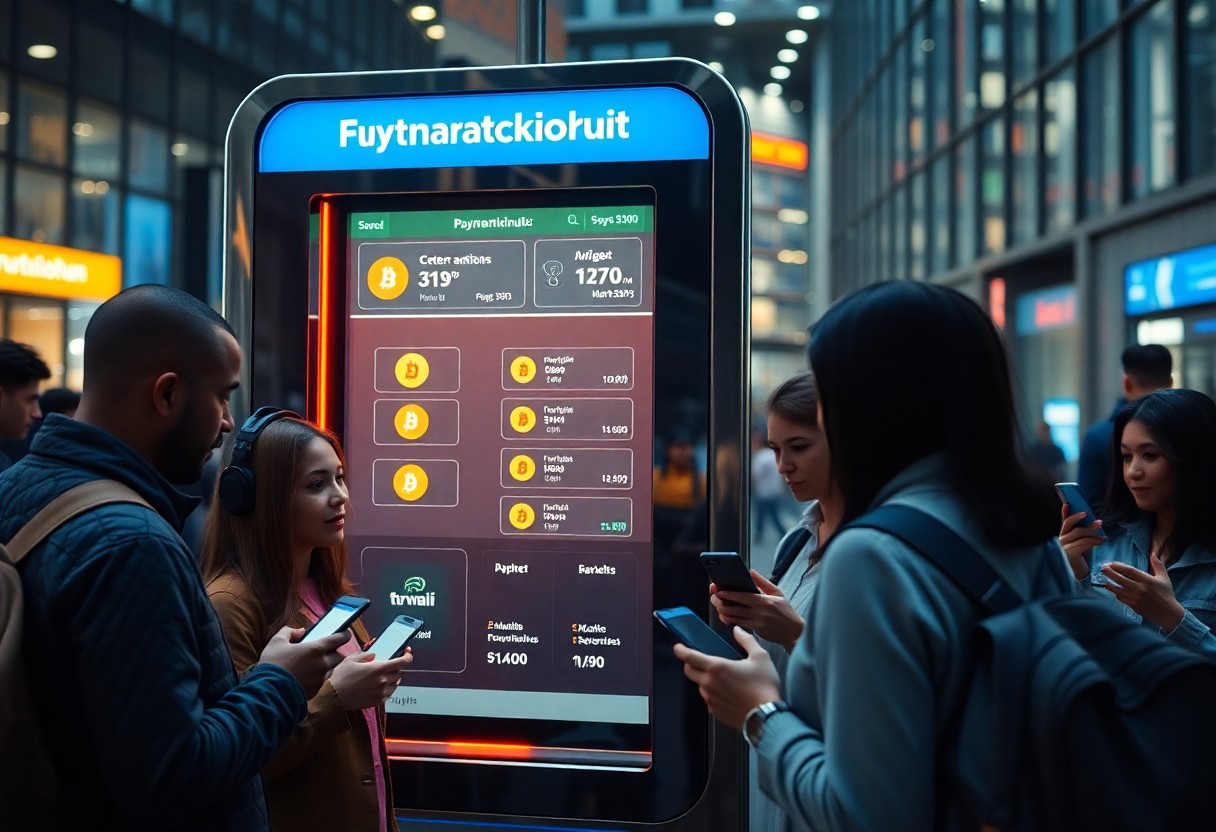
Many financial experts and technologists are observing a significant transformation in the payment landscape due to Decentralized Finance (DeFi). By leveraging blockchain technology and smart contracts, DeFi is redefining how individuals and businesses engage in transactions, offering faster, cheaper, and more transparent alternatives to conventional payment systems. As traditional financial institutions grapple with these innovations, it becomes increasingly important to understand how DeFi can provide added value, enhance efficiency, and promote financial inclusion, thereby reshaping the way we think about money and payment processes.
Understanding Decentralized Finance (DeFi)
To comprehend the impact of Decentralized Finance (DeFi) on traditional payments, it is crucial to explore its fundamental principles and technological foundations. By leveraging blockchain technology, DeFi eliminates intermediaries, allowing for peer-to-peer financial transactions that are transparent, secure, and accessible to anyone with an internet connection.
Definition of DeFi
Between traditional finance systems and the emerging landscape of digital assets lies Decentralized Finance (DeFi), a movement that aims to recreate and enhance financial services using blockchain technology. This innovative approach allows users to conduct transactions without intermediaries, resulting in increased efficiency, lower costs, and greater control over their assets.










Key Components of DeFi
Before delving deeper into the workings of DeFi, it is important to identify its key components, which include decentralized exchanges (DEXs), lending protocols, stablecoins, and automated market makers (AMMs). These elements function together to create a comprehensive financial ecosystem that operates independently of traditional banking systems.
Considering the key components of DeFi, each plays a significant role in shaping the overall landscape. Decentralized exchanges enable users to trade cryptocurrencies without a central authority, while lending protocols facilitate peer-to-peer lending and borrowing. Stablecoins serve as a bridge between volatile cryptocurrencies and fiat currencies, providing stability for transactions. Automated market makers utilize smart contracts to offer liquidity and pricing without needing human intervention, revolutionizing how individuals and institutions engage with financial services.
Traditional Payment Systems
Clearly, traditional payment systems encompass a range of methods used for exchanging goods and services, typically relying on central authorities like banks and financial institutions. The most common forms include credit and debit cards, wire transfers, and cash transactions. While these methods have served consumers and businesses for decades, they often involve multiple intermediaries, adding time and costs to each transaction.
Overview of Traditional Payments
Against the backdrop of an increasingly digital economy, traditional payment systems have remained focused on established protocols and infrastructures. These methods, while familiar, often necessitate lengthy processing times and multiple verification steps, which can slow down transactions and create inefficiencies.
Limitations of Traditional Payment Methods
Against this system's traditional framework, there are several limitations that impact both consumers and businesses. High transaction fees, currency exchange costs, and the need for intermediaries can complicate and prolong payment processes, stifling innovation and growth.
Another significant limitation is the lack of accessibility for underbanked populations. Many individuals around the world do not have access to traditional banking services, making it difficult for them to participate in the global economy. Furthermore, cross-border transactions can be fraught with delays and high fees, discouraging international trade and collaboration. As a result, these constraints highlight the need for more efficient alternatives, which is where decentralized finance (DeFi) comes into play.
How DeFi is Disrupting Payments
There's a notable shift in the way payments are being processed, thanks to decentralized finance (DeFi) technologies. Traditional payment systems often involve multiple intermediaries, resulting in delays and additional fees. DeFi platforms, however, streamline payment processes by leveraging blockchain technology, enabling peer-to-peer transactions that operate outside conventional banking frameworks. This disruption offers users greater control over their finances and paves the way for a more efficient financial ecosystem.
Smart Contracts and Automation
Beside reducing human intervention, smart contracts in DeFi automate transactions, ensuring they are executed precisely as programmed. This automation minimizes the risk of human error and speeds up processes, allowing for real-time settlements and enhancing user experience. Additionally, as these contracts are stored on the blockchain, they provide transparency and security that traditional payment systems struggle to offer.
Lower Transaction Costs
An appealing aspect of DeFi is its ability to lower transaction costs significantly. By eliminating intermediaries, users can send and receive payments with minimal fees, often only covering blockchain network costs. This low-cost structure not only benefits individuals but also businesses looking to optimize their payment processes.
This reduction in transaction costs is transformative, particularly for cross-border payments that traditionally incur hefty fees. Users can now engage in international transactions at a fraction of the cost via DeFi platforms. Furthermore, the decentralized nature of these systems means that users aren't beholden to the fluctuating fees of banks or payment processors, leading to substantial savings over time. As DeFi continues to grow, its capacity to minimize transaction expenses is likely to attract more users away from conventional financial systems.
Benefits of DeFi in Payments
For users seeking greater financial autonomy, decentralized finance (DeFi) offers groundbreaking benefits in payments. By utilizing blockchain technology, DeFi eliminates reliance on traditional financial intermediaries and enables peer-to-peer transactions, resulting in reduced costs and improved transaction transparency. Furthermore, DeFi platforms can operate 24/7, providing users with greater flexibility and control over their payments, thereby appealing to a more diverse range of consumers globally.
Accessibility and Inclusion
Beside traditional banking services, DeFi enhances financial accessibility for the unbanked and underbanked populations. By merely requiring an internet connection, individuals worldwide can engage in digital payments without the constraints of geographic limitations or the need for extensive documentation. This inclusivity fosters a more equitable financial landscape, allowing more people to participate in the global economy.
Speed and Efficiency
DeFi transactions significantly expedite payment processes, often completing in mere seconds as opposed to the lengthy waiting periods typical of banks. By removing middlemen and streamlining operations, DeFi reduces the time and costs associated with traditional financial systems.
Further, the efficiency of DeFi systems extends to their ability to facilitate cross-border transactions seamlessly. Unlike conventional methods that involve multiple intermediaries and can take days to settle, DeFi allows instant transfers and conversions of currencies at lower fees. This rapid transaction capability opens avenues for global commerce and microtransactions that were previously difficult to navigate, thus revolutionizing the way payments are made and received.
Challenges and Risks of DeFi
All the innovative benefits of decentralized finance (DeFi) come with a host of challenges and risks. These include regulatory uncertainties, security vulnerabilities, and high volatility. As the DeFi landscape evolves, it is imperative for users and investors to stay informed and vigilant about the potential pitfalls that could impact their financial endeavors.
Regulatory Considerations
With the rapid growth of DeFi, regulators are grappling with how to define and oversee these novel financial systems. The lack of clear guidelines raises concerns regarding compliance, consumer protection, and market integrity. As jurisdictions begin to establish frameworks, DeFi platforms may face regulations that could impact their operational model and innovation potential.
Security Vulnerabilities
Above all, security vulnerabilities in DeFi applications can lead to significant financial losses and undermine user trust. As decentralized platforms often utilize smart contracts, coding errors and exploitative attacks pose substantial risks to both investors and developers.
In addition, many DeFi projects have experienced hacks and exploits, resulting in loss of funds for users. The absence of a centralized authority means that there is little recourse for victims of these attacks, thereby amplifying the risk. Users are often responsible for securing their keys and assets, making education on security protocols imperative. As these vulnerabilities persist, the DeFi ecosystem must prioritize robust security measures to safeguard assets and maintain credibility within the financial landscape.
Future of Payments in a DeFi World
Keep an eye on how decentralized finance is shaping the future of payments. As blockchain technology matures, it will pave the way for faster, more secure, and cost-effective transactions. The ability to eliminate intermediaries will empower users with greater control, while innovative financial services will enhance accessibility and efficiency, effectively transforming the way we engage in daily commerce.
Trends and Predictions
Predictions suggest that the integration of DeFi protocols will streamline payment processes globally, leading to a rise in peer-to-peer transactions. The influx of decentralized applications will likely accelerate transaction speed and lower fees, reshaping consumer expectations and fostering wider adoption of digital currencies.
Integration with Traditional Systems
DeFi is poised to blend with traditional financial infrastructures, creating hybrid solutions that benefit both ecosystems. Financial institutions may begin to leverage DeFi's innovative capabilities, allowing for seamless transactions while retaining regulatory compliance and security. This partnership could lead to the evolution of payment methods, offering enhanced options to both consumers and businesses.
Systems that combine DeFi with traditional payment platforms could harness the strengths of both worlds. By adopting decentralized technologies, banks and payment processors can improve transaction efficiency and reduce costs. These collaborations could facilitate real-time cross-border payments and democratize access to financial services, ultimately leading to a more inclusive financial landscape. As regulators adapt, the seamless integration of DeFi could redefine the user experience and foster widespread acceptance of digital currencies.
To wrap up
Drawing together the key elements of Decentralized Finance (DeFi), it is clear that this innovative approach is fundamentally transforming traditional payment systems. By allowing peer-to-peer transactions without intermediaries, DeFi enhances speed, reduces costs, and increases accessibility for users globally. As adoption grows, the implications for conventional financial institutions are significant, prompting them to rethink their models and embrace digital transformation. The rise of DeFi not only challenges long-standing payment hierarchies but also paves the way for a more inclusive financial ecosystem.
FAQs
What is DeFi?
DeFi stands for Decentralized Finance, which refers to financial services built on blockchain technology, eliminating intermediaries like banks.
How does DeFi work in payments?
DeFi enables peer-to-peer financial transactions through blockchain technology, reducing reliance on traditional payment systems and minimizing transaction costs.
What are the key components of DeFi?
The main components include decentralized exchanges (DEXs), lending protocols, stablecoins, and automated market makers (AMMs).
How does DeFi reduce transaction costs?
By removing intermediaries, DeFi platforms offer transactions with lower fees, often only covering blockchain network costs.
Can DeFi help unbanked populations?
Yes, DeFi allows individuals without access to traditional banking services to engage in digital payments using only an internet connection.
What are the risks of using DeFi?
Risks include security vulnerabilities, high volatility, and regulatory uncertainties, making it important for users to be cautious.
How fast are DeFi transactions compared to traditional systems?
DeFi transactions are often completed in seconds, whereas traditional financial systems may take longer due to intermediaries.
What are smart contracts in DeFi?
Smart contracts are self-executing contracts with the terms of the agreement directly written into code, ensuring automation and reducing human intervention.
What is the future of payments in a DeFi world?
DeFi is expected to reshape the future of payments by offering faster, more secure, and cost-effective transactions, driving broader adoption of digital currencies.
Can DeFi integrate with traditional financial systems?
Yes, DeFi can be integrated with traditional financial infrastructures, creating hybrid solutions that combine the benefits of both systems.

Esther
I am a professional writer with 8 years of experience in this field and I can provide you with the best-written content you can find. Education B.A. - English, George Washington University, United States, Graduated 2011.
Related Posts

SiGMA World 2026 brings four industries together in Rome
October 6, 2026

OKTO PAYMENTS appoints Marcos Techera to lead LatAm operations and growth
September 22, 2026

Yaspa appoints Mandy Thompson as US marketing expansion gains momentum
September 14, 2026
OKTO Payments announces direct Yape integration for digital businesses
September 7, 2026





1win expands crypto prediction markets
July 17, 2026