ECB pressure mounts on banks linked to gambling operators
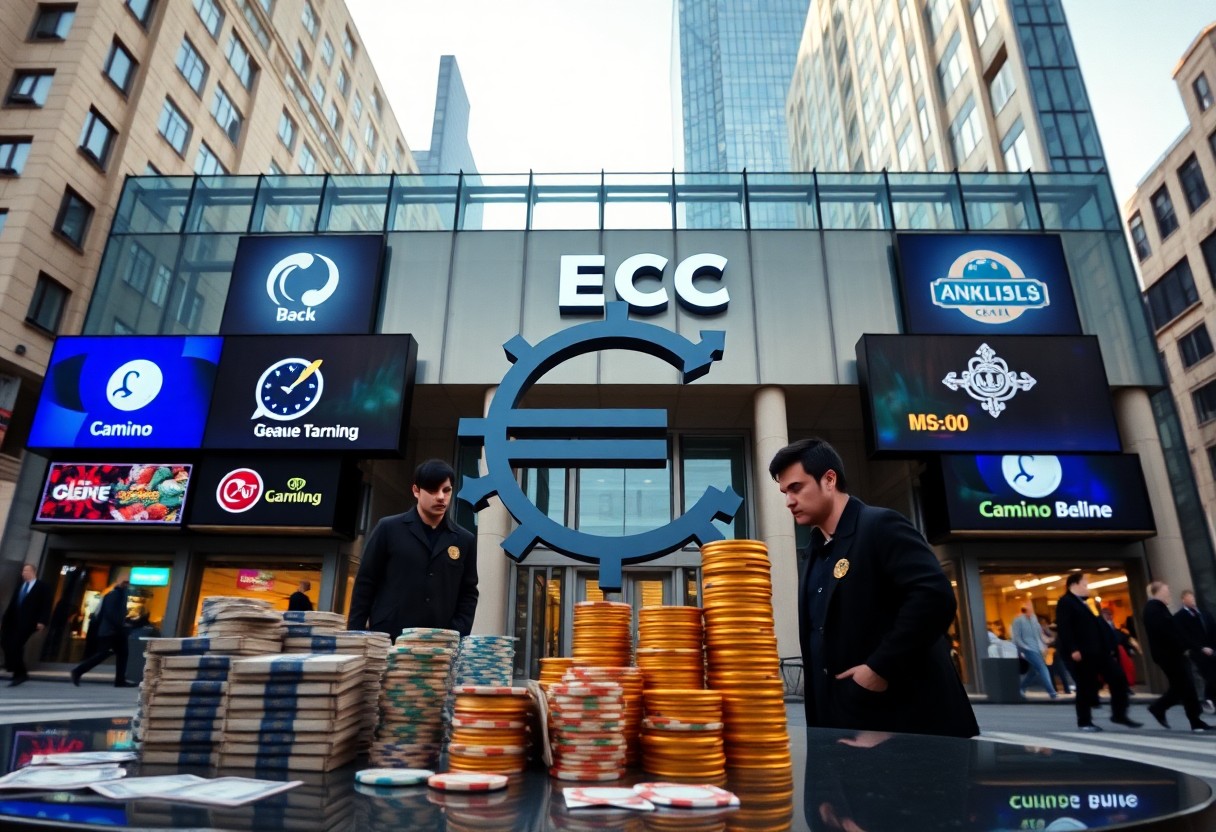
It's becoming increasingly evident that the European Central Bank (ECB) is intensifying scrutiny on financial institutions with ties to gambling operators. This heightened focus comes amid growing concerns about the potential risks these connections pose to financial stability and consumer protection. As regulatory pressures escalate, banks are being urged to evaluate their exposure to the gambling sector and implement stricter risk management practices. The implications of these actions are significant, impacting both the banking industry and gambling operators operating in the region.
The ECB's Stance on Gambling Financing
Regulatory Framework and Objectives
The ECB has established a robust regulatory framework aimed at addressing the financial stability risks posed by banks involved with gambling operators. This includes guidelines mandating increased scrutiny of lending practices and heightened capital requirements for institutions exposed to high-risk sectors, with the ultimate objective of safeguarding the financial system from potential shocks associated with gambling-related activities.
Recent Developments and Policy Statements
Recent statements from the ECB indicate a clear shift towards stricter oversight of banks' interactions with gambling operators. In 2023, the ECB highlighted the need for enhanced risk assessments and transparency regarding bank exposure to this sector, reinforcing its commitment to monitoring and mitigating the impacts of gambling on financial systems across the Eurozone.








In a notable policy statement released earlier this year, the ECB outlined specific measures for banks to adopt, including comprehensive evaluations of the economic and social risks associated with financing gambling businesses. This includes stress testing their portfolios to assess potential losses from a downturn in the gambling sector, signaling a proactive approach to ensure that banks operate within safe parameters while managing high-risk exposures. The ECB also called for collaborative efforts with national regulators to standardize practices, emphasizing the importance of a unified response to emerging challenges in the gambling financing landscape.
The Financial Connections: Banks and Gambling Operators
Overview of Bank Involvement in Gambling Financing
Banks play a significant role in the financial ecosystem of gambling operators, providing crucial funding and facilitating transactions. Many financial institutions have developed specialized services that cater directly to the needs of this sector, including credit lines, loans, and operational financing. These relationships can generate substantial profits for banks, yet they also bring heightened scrutiny and regulatory challenges as concerns over responsible gambling practices intensify.
Major Players in the Market
Deutsche Bank has been known to provide tailored financing solutions to large gambling operators, while Barclays has invested in various fintech companies that aim to integrate gambling with mobile payment systems. JP Morgan's strategic partnerships with leading gaming firms enhance their market position, demonstrating a mutual dependency where banks support gambling operators in exchange for lucrative fees and interest. These relationships have facilitated the expansion of the gambling sector, raising questions about the balance between financial gain and ethical responsibility.
Rising Concerns: The Social and Economic Impact of Gambling
Alcohol and Gambling Addiction Statistics
Studies indicate a significant overlap between alcohol and gambling addictions, with approximately 25% of problem gamblers experiencing alcohol use disorders. The National Council on Problem Gambling highlights that nearly 80% of individuals with gambling issues also report drinking problems, showing a concerning link between these two addictions that can exacerbate personal and societal challenges.
Economic Implications for Local Communities
The economic impact of gambling on local communities is multifaceted, affecting both local businesses and state revenues. While gambling can generate substantial tax income, the societal costs related to addiction, crime, and family disruption often outweigh the benefits and lead to increased state spending on social services.
For example, studies from various jurisdictions reveal that for every dollar generated in gambling tax revenue, communities see an estimated $3 in costs associated with problem gambling. Local businesses may initially benefit from the influx of visitors; however, the resultant social issues can lead to higher rates of bankruptcy and decreased community morale, ultimately pushing resources towards crisis management instead of development. This dynamic not only affects local economies but also places a strain on public health systems and law enforcement, reflecting a deeper cycle of financial and social disadvantage linked to gambling activities.
Navigating Regulations: How Banks Are Adjusting
Revising Lending Policies and Risk Assessments
Banks are re-evaluating their lending policies to mitigate risks associated with financing gambling operators. This includes tightening credit provisions and enhancing due diligence processes. Many institutions now categorize businesses linked to gambling as higher risk, leading to longer approval times and stricter criteria for loan applications. Additionally, risk assessments are increasingly incorporating factors such as the regulatory landscape and social responsibility metrics.
Creating Ethical Frameworks for Stakeholder Engagement
Developing ethical frameworks for stakeholder engagement enables banks to address concerns related to gambling financing. This includes fostering dialogue with regulators, community groups, and shareholders. By prioritizing transparency and accountability, banks can build trust and align their practices with social expectations. Creating clear guidelines for responsible lending not only aids compliance but also enhances reputation among stakeholders.
Ethical frameworks focus on maintaining open communication channels to understand the implications of gambling financing on communities. By proactively engaging with various stakeholders, banks can gather insights and feedback that inform their operational strategies. Collaboration with non-profits focused on gambling addiction, alongside participation in industry forums, helps banks navigate the complexities of their involvement in gambling sectors, ensuring their practices align with broader social values and responsibilities.
Voices of Dissent: Bank Executives Speak Out
Perspectives from Banking Leaders
Banking executives are expressing concern over the ECB's intensified scrutiny of their ties to gambling operators. Many argue that the risks associated with such relationships are overstated, citing robust internal compliance measures that are already in place. As leaders emphasize, responsible lending practices and customer protection remain top priorities, and the banking sector has historically maintained high standards to mitigate potential adverse effects related to gambling affiliations.
Challenges of Compliance versus Profitability
The tension between adhering to compliance regulations and maintaining profitability creates a precarious balance for banks. Executives face the dilemma of alienating lucrative segments of their client base while complying with stringent regulatory expectations. Recent reports indicate that institutions linked to gambling operators have either had to scale back services or increase oversight, leading to potential revenue losses while also managing reputational risk.
Intensifying regulations not only demand extensive monitoring and reporting but also require banks to allocate resources to fulfill compliance obligations, often at the expense of profitability. For instance, implementing enhanced due diligence processes can entail significant operational costs, and as banks navigate these challenges, the potential for revenue stagnation rises. Executives contend that this environment stifles innovation and investment in growth-oriented initiatives, forcing them to reevaluate their risk tolerance and business models to align with the evolving regulatory landscape.
The Broader Implications for the EU Financial Landscape
Efforts to Harmonize Regulations across Member States
Regulatory bodies within the EU are increasingly recognizing the need for a unified approach to gambling-related banking practices. Efforts are underway to standardize regulations across member states to minimize discrepancies that create competitive inequalities. Initiatives, such as the proposed EU Gaming Regulation, aim to establish cohesive guidelines that govern banking interactions with gambling operators, enhancing transparency and accountability while addressing the risks presented to financial stability.
The Impact on Future Banking Practices and Client Relationships
As regulators tighten the reins on banks linked to gambling, future banking practices will inevitably adapt to prioritize risk management and compliance. This shift will affect client relationships, with banks becoming more discerning about associations they maintain. Institutions might channel resources into thorough client vetting processes, emphasizing the importance of legal and ethical business operations to retain reputational integrity. Ultimately, a focus on responsible banking could redefine how banks engage with high-risk industries.
Changes in client relationships are likely to manifest in more stringent due diligence requirements and proactive risk assessments. Banks will adopt comprehensive frameworks to evaluate the legitimacy of businesses seeking financial services, especially those in gambling. This might lead to an increased reliance on data analytics to assess the long-term viability and compliance of clients. Furthermore, banks may foster closer ties with industry regulators, ensuring that their practices align with evolving legal standards. By doing so, they can safeguard their operations while catering to a client base that demands responsibility alongside profitability.
Innovations in Responsible Financing
First-Mover Banks: Leading the Way in Ethical Financing
Several banks are adopting innovative approaches to integrate ethical financing into their operations, setting industry standards. BNP Paribas and Deutsche Bank, for instance, have established criteria to evaluate clients based on their social responsibilities, opting to sever ties with operators that do not uphold these values. This proactive stance positions them as leaders in responsible banking, attracting customers who prioritize ethical considerations alongside financial performance.
Technology's Role in Monitoring Gambling-related Transactions
Advanced technologies are transforming how banks monitor transactions linked to gambling activities. Artificial intelligence and machine learning algorithms are capable of analyzing vast datasets in real time to flag potentially suspicious transactions, enhancing oversight capabilities. These tools not only identify patterns of problem gambling but also ensure compliance with regulatory requirements, promoting a safer financial ecosystem.
Innovative tech solutions empower banks to scrutinize gambling-related transactions effectively. For example, real-time transaction monitoring systems utilize AI to detect irregular spending behaviors, sending alerts to compliance teams for further investigation. The implementation of blockchain technology offers greater transparency, enabling banks to trace funds seamlessly through the financial system. As regulations intensify, these technologies will be vital in helping banks mitigate risks associated with gambling operators while promoting responsible financing practices.
The Stakeholder Landscape: Who's Watching?
The Role of European Authorities and NGOs
European authorities, including the European Central Bank (ECB) and local financial regulators, are intensifying scrutiny over banks with ties to gambling operators. Organizations such as the European Commission and various non-governmental organizations (NGOs) advocate for responsible banking practices, enhancing regulatory frameworks to mitigate financial risks. This collaborative scrutiny aims to ensure that banks adhere to ethical standards, promoting overall financial stability while safeguarding vulnerable communities from potential gambling-related harm.
How Public Sentiment Shapes Banking Policies
Public sentiment significantly influences banking strategies, particularly regarding sectors like gambling. Growing concern over gambling addiction and its socioeconomic impacts pressures banks to reassess their affiliations with gambling operators. Financial institutions are increasingly aware that their reputations hinge on community perception, leading to more cautious approaches toward funding and partnerships in this arena.
Recent surveys indicate that over 60% of the public supports stricter regulations on banks involved with gambling firms. In response, several banks have begun implementing policies aimed at distancing themselves from high-risk gambling operations. This shift not only aligns with public sentiment but also protects banks from potential fallout, such as a decrease in customer trust and regulatory penalties. By actively engaging with community concerns, banks seek to foster a reputation as socially responsible entities while navigating the complexities of their financial relationships.
Conclusion
Presently, pressure from the European Central Bank (ECB) is intensifying on banks with ties to gambling operators, reflecting growing concerns around financial stability and risk management. The ECB's scrutiny highlights the need for stringent compliance measures and prudent lending practices in the gambling sector. As regulatory frameworks evolve, financial institutions must adapt to mitigate risks associated with gambling-related activities, emphasizing sustainability and enhanced oversight to safeguard their operations and uphold stability in the financial system.
FAQ
Q: What actions is the ECB taking regarding banks linked to gambling operators?
A: The ECB is increasing scrutiny on banks with exposure to gambling operators, focusing on their risk management practices and financial health. This entails regular assessments and potential regulatory measures to mitigate risks associated with gambling-related lending.
Q: How do banking relationships with gambling operators impact financial stability?
A: Banking relationships with gambling operators may pose financial stability risks due to the volatile nature of the gambling sector. High levels of credit extended to these operators can lead to significant losses during downturns, thereby affecting the banks' overall solvency and liquidity.
Q: What should banks do to comply with ECB guidelines on gambling-related lending?
A: Banks should enhance their risk assessment frameworks, ensure robust due diligence processes when lending to gambling operators, and maintain adequate capital buffers to cover potential defaults. Additionally, they should regularly review and adjust their exposure limits in line with ECB recommendations.

Esther
I am a professional writer with 8 years of experience in this field and I can provide you with the best-written content you can find. Education B.A. - English, George Washington University, United States, Graduated 2011.
Related Posts


Vyking integrates Xtremepush CRM tools for global iGaming operators
September 23, 2026

Vyking builds its own sportsbook on FIRST.bet’s SportOS
September 21, 2026

Germany’s gambling blocking system struggles with obvious targets
September 19, 2026
Gambling Commission reports growth across Great Britain’s gambling market
September 18, 2026

GGL gambling enforcement raises questions over licence transparency
September 7, 2026

German gambling safeguards face test over cash-funded betting wallets
September 3, 2026