Beneficial ownership registries tested by court challenges
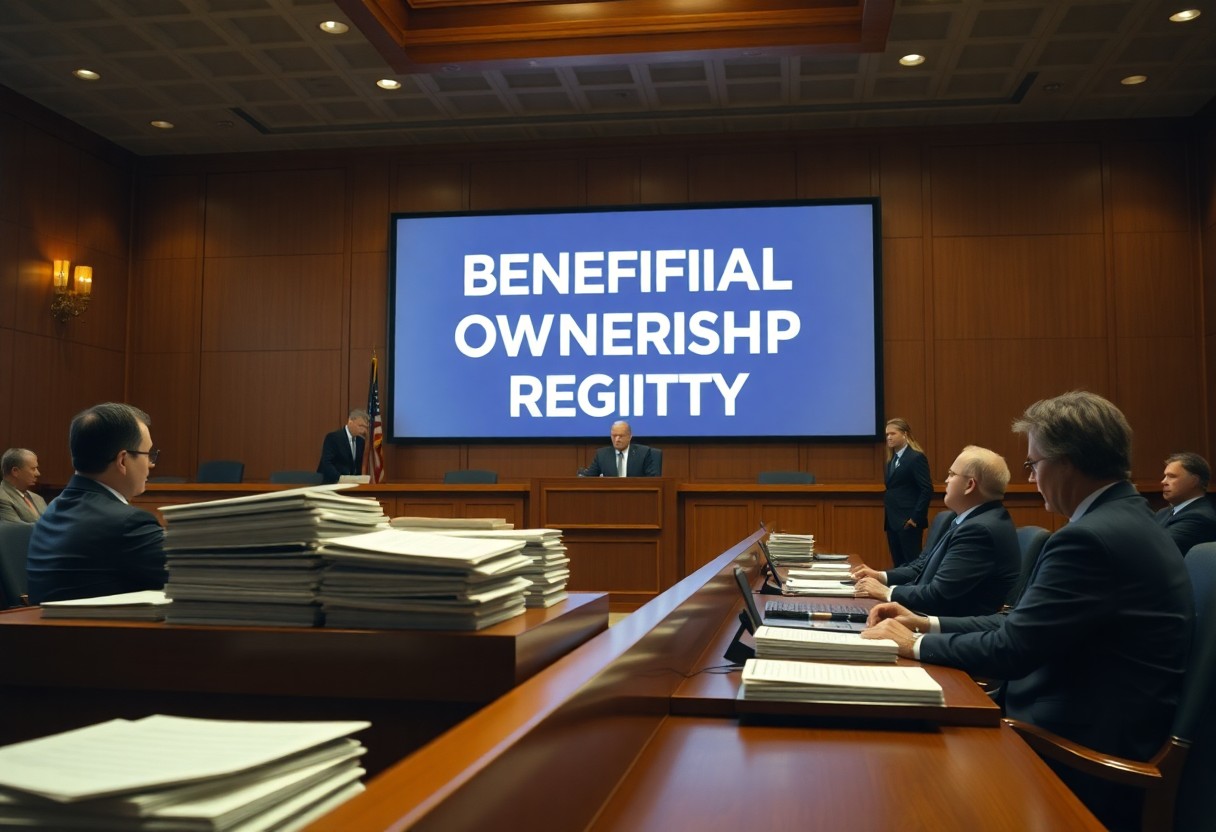
Many countries are implementing beneficial ownership registries to increase transparency in corporate structures and combat financial crimes. However, these registries are facing significant court challenges that question their legality and efficacy. As legal battles unfold, the implications for regulatory frameworks and data privacy rights remain paramount. This blog explores the nature of these challenges, their potential impact on global compliance efforts, and the future of beneficial ownership transparency in the fight against corruption.
The Rise of Beneficial Ownership Registries
Historical Context and Legislative Background
Historically, beneficial ownership has been obscured by layers of corporate structures, aiding tax evasion and money laundering. Legislative responses began to evolve in the early 2000s, particularly following the 2008 financial crisis, which highlighted the need for transparency. Countries initiated reforms, with the U.S. implementing the Bank Secrecy Act and the UK launching the Persons with Significant Control Register in 2016, aiming to shed light on the true owners behind corporate entities.
The Global Movement Towards Transparency
The global push for transparent beneficial ownership is gaining momentum, with over 100 countries committing to implement or enhance registries. Initiatives led by organizations such as the Financial Action Task Force encourage nations to adopt standards that improve corporate transparency, facilitating the identification of illicit financial flows. Initiatives have seen varying progress, with some countries pioneering legislation, while others face significant political resistance.









Concrete examples of this movement include the European Union's Fifth Anti-Money Laundering Directive, requiring member states to establish beneficial ownership registries by 2020. Additionally, countries like Canada are now exploring similar measures amid criticism for lacking transparency. The commitment to transparency often intersects with international treaties, exemplifying a collective acknowledgment of the need for accountability in global financial systems. As of 2023, this trend continues to reshape the regulatory landscape, compelling jurisdictions to address the underlying issues of anonymity in corporate ownership.
The Role of Courts in Scrutinizing Registries
Landmark Rulings Impacting Ownership Disclosures
Court decisions in countries like the UK and the EU have underscored the importance of transparency in beneficial ownership registries. For instance, the UK Supreme Court's ruling on the case regarding the legality of public access to ownership information emphasized the need for accountability, impacting how registries are structured and managed, subsequently leading to more stringent data protections and access guidelines.
Legal Challenges: Key Arguments from Opponents
Critics of beneficial ownership registries often argue that these systems threaten privacy rights and could deter investment. Concerns center around the potential misuse of personal data and the risk of exposing individuals to fraud or harassment. Cases challenging the legality of mandatory disclosure requirements are increasingly common, reflecting a broader debate over the balance between transparency and individual privacy.
Opponents hold that beneficial ownership registries disproportionately impact legitimate business owners by compromising their privacy. They point to instances where sensitive information regarding ownership structures has been exploited by malicious entities, resulting in identity theft or targeted harassment. Additionally, critics argue that the administrative burden placed on small businesses may lead to a chilling effect on entrepreneurship, affecting economic growth. These arguments have gained traction in litigation, prompting courts to carefully evaluate the implications of such registries on personal and corporate privacy rights.
Unpacking the Arguments for Beneficial Ownership Registries
Enhancing Financial Transparency and Accountability
Beneficial ownership registries provide a critical mechanism for improving financial transparency by identifying the individuals who ultimately own or control a company. This transparency forces businesses to disclose their true ownership, making it harder for illicit actors to hide behind anonymous entities. Countries with such registries report higher levels of compliance with international financial regulations, enabling stakeholders to hold companies accountable for their practices.
Tackling Corruption, Money Laundering, and Tax Evasion
Implementing beneficial ownership registries is a significant step towards fighting corruption and financial crimes, such as money laundering and tax evasion. By shedding light on who benefits from corporate structures, these registries enable authorities to trace illicit financial flows more effectively. In the UK, for instance, the public register has exposed previously hidden assets linked to corruption, resulting in criminal investigations and recovery of stolen funds.
The fight against corruption, money laundering, and tax evasion receives a major boost with the establishment of beneficial ownership registries. A study by Transparency International revealed that more than 70% of respondents in countries with such registries reported increased confidence in their financial systems. Countries like Norway and the UK have demonstrated that transparent ownership data not only deters corruption but also facilitates international cooperation in law enforcement. The clear identification of responsible parties enables swift regulatory action, significantly reducing the attractiveness of using shell companies for illicit purposes.
The Pushback: Industry Concerns and Implications
Privacy Issues and the Right to Confidentiality
Concerns surrounding privacy rights and confidentiality are at the forefront of the pushback against beneficial ownership registries. Critics argue that public access to sensitive ownership information could lead to unintended exposure of personal data, violating the right to confidentiality for investors and entrepreneurs. Lawsuits have emerged, challenging the legality of these disclosures under privacy legislation, highlighting the tension between transparency initiatives and individual privacy rights.
Potential Stigmatization of Foreign Investors
Foreign investors may face unintended consequences due to beneficial ownership registries, leading to potential stigmatization and bias in the market. This dynamic could deter legitimate investment flows, as investors might perceive a lack of welcome or security in markets that heavily scrutinize ownership details.
Data from the World Bank suggests a significant drop in foreign direct investment (FDI) in regions that implemented stringent ownership disclosure requirements. Such regulations can create a perception of risk, as foreign investors may worry that public visibility could expose them to scrutiny, harassment, or negative media portrayals. Countries that prioritize foreign capital may find themselves counteracting these perceptions by promoting more balanced approaches to transparency that do not alienate potential investors. The challenge lies in achieving transparency without compromising investor confidence or fostering discrimination against foreign enterprises.
Case Studies of Countries Implementing and Challenging Registries
- Sweden: Launched a beneficial ownership registry in 2014, achieving a 95% compliance rate among companies, enhancing accountability in the real estate sector.
- United Kingdom: The UK established its registry in 2016, leading to over 5,000 identified suspicious activities linked to concealed ownership within the first three years.
- Canada: Proposed a national registry in 2020 but faced legal pushback from industry lobbyists concerned about privacy, delaying its implementation.
- United States: The proposed Corporate Transparency Act in 2021 aimed to create a federal registry, but debates over privacy rights and business burdens have stalled progress.
- Australia: Implemented the registry in 2016, resulting in a 30% increase in reported beneficial ownership over three years.
- European Union: Mandated registries across member states starting in 2017, although compliance rates vary significantly, with some countries reporting less than 60% transparency.
Successful Models: Sweden and the UK
Sweden and the UK have successfully implemented beneficial ownership registries that have significantly improved financial transparency. Sweden's registry showed a remarkable 95% compliance rate, while the UK's initiative revealed over 5,000 suspicious ownership cases within three years, proving effective in identifying hidden assets and preventing financial crimes.
Controversial Attempts: The U.S. and its Legislative Battles
The U.S. has encountered substantial legal and legislative hurdles regarding beneficial ownership registries. Despite bipartisan support for the Corporate Transparency Act in 2021, significant opposition from business groups over privacy concerns and regulatory burdens has led to protracted delays and ongoing debates regarding its feasibility and implementation.
The multifaceted challenges in the U.S. reflect a broader reluctance to fully embrace transparency measures. Legal disputes have arisen questioning the balance between public accountability and personal privacy, with opponents arguing that such registries could disproportionately affect small businesses while failing to address larger issues of financial misconduct. The ongoing legislative battles underscore the complexities of reforming transparency laws in a nation with diverse business interests and a strong emphasis on individual privacy rights.
The Intersection of Technology and Compliance
Digital Solutions: Blockchain and Secure Registries
Blockchain technology offers a transparent and immutable ledger for beneficial ownership registries, enhancing data security and integrity. Several countries are exploring blockchain-based systems to streamline registration processes while ensuring compliance with regulations. For instance, the UK has initiated pilot projects to assess the feasibility of integrating blockchain into existing frameworks, aiming to reduce fraud and improve access to ownership data.
Challenges in Implementation and Data Management
Implementing digital solutions like blockchain in beneficial ownership registries presents significant hurdles such as system compatibility, data privacy concerns, and high initial costs. While the potential for real-time updates and audit trails is appealing, many jurisdictions struggle with legacy systems that may not easily integrate with new technologies. Additionally, ensuring the accuracy and completeness of data remains a challenge, as incomplete or incorrect information can undermine the efficacy of these digital solutions.
Transitioning to blockchain for beneficial ownership registries involves addressing various technical and regulatory challenges. Data privacy laws in different regions can conflict with the openness blockchain provides, leading to concerns over personal information protection. Furthermore, the varying levels of technological maturity across jurisdictions can impede uniform implementation. Training and educating stakeholders about the new systems is vital to ensure effectiveness and trust, especially when considering the involvement of multiple entities across public and private sectors. Early adopters have reported both success and setbacks, emphasizing the need for a comprehensive strategy that includes robust governance frameworks and ongoing stakeholder engagement.
Future Directions in Beneficial Ownership Transparency
Evolving Legal Landscapes: Predicting Trends and Changes
Legal frameworks surrounding beneficial ownership are increasingly dynamic, with countries adapting regulations to reflect global standards. Anticipated trends include stricter compliance measures, heightened penalties for non-disclosure, and the integration of advanced technologies for real-time monitoring. Changes in laws will likely converge towards uniformity as international bodies, like the Financial Action Task Force, recommend best practices.
The Role of International Collaboration and Support
International collaboration plays a pivotal role in enhancing the effectiveness of beneficial ownership registries. Various coalitions, such as the Global Forum on Transparency and Exchange of Information for Tax Purposes, are working to unify efforts across borders. Joint initiatives facilitate knowledge sharing and best practices, bolstering regulatory frameworks worldwide.
Support from international organizations enables nations to access resources and expertise in establishing and maintaining beneficial ownership registries. Collaborative platforms foster dialogue on evolving challenges and solutions in compliance, allowing countries to align their policies with global standards. These partnerships lead to more rigorous enforcement mechanisms and encourage the adoption of innovative technologies, promoting higher levels of transparency and accountability across jurisdictions.
The Broader Implications for Global Corporate Governance
Trust in Financial Markets and Investment Ecosystems
Clear and accessible beneficial ownership registries enhance trust among investors and stakeholders in financial markets. By revealing the true owners behind corporate entities, these registries foster greater transparency and reduce the risk of fraud and misconduct. A study by the World Bank showed that transparent ownership can lead to increases in foreign direct investment by up to 30%, as investors feel more confident in the integrity of the markets they enter.
Balancing Economic Growth with Ethical Standards
Promoting beneficial ownership registries presents a unique challenge: facilitating economic growth while ensuring ethical standards are maintained. Countries striving to attract investment must create an environment that emphasizes transparency, which can improve reputational standing. However, regulations must avoid stifling business innovation or driving firms toward jurisdictions with less oversight, thus complicating the balance between fostering an enticing business climate and upholding standards of corporate responsibility.
Expanding ethical standards in corporate governance while promoting economic growth requires nuanced regulations that do not deter investment. Countries with robust beneficial ownership registries can distinguish themselves as global leaders in transparency, ensuring that businesses operate fairly. By implementing graduated compliance measures tailored to different types of enterprises, nations can maintain a competitive edge. Furthermore, collaboration between regulatory bodies and businesses can cultivate an ecosystem where ethical practices become industry norms rather than exceptions, ultimately benefiting both economic development and social responsibility.
Conclusion
From above, it is evident that beneficial ownership registries face significant judicial scrutiny, impacting their implementation and effectiveness worldwide. Court challenges often highlight concerns regarding privacy, legal compliance, and the accuracy of ownership information. This environment underscores the necessity for legislative clarity and robust frameworks to support transparency while respecting individual rights. The outcomes of these challenges will significantly shape how beneficial ownership registries evolve and function as tools against financial crime and corruption in the future.
FAQ
Q: What are beneficial ownership registries?
A: Beneficial ownership registries are official databases that record the individuals who ultimately own or control a company, real estate, or other assets. These registries aim to increase transparency and prevent illicit activities, such as money laundering and tax evasion.
Q: How have court challenges impacted beneficial ownership registries?
A: Court challenges have raised various legal and privacy concerns regarding the implementation and accessibility of beneficial ownership registries. Issues such as the balance between public transparency and individual privacy rights, as well as compliance with existing laws, have been tested in court, influencing how these registries are structured and operated.
Q: What are the potential outcomes of legal disputes regarding these registries?
A: Potential outcomes of legal disputes can include the modification of registry regulations, increased security measures for personal data, or in some cases, the annulment of certain aspects of the registry if deemed unconstitutional. These outcomes may affect the effectiveness and public perception of beneficial ownership registries.

Ash
I like to keep it short. I am a writer who also knows how to rhyme his lines. I can write articles, edit them and also carve out some poetic lines from my mind. Education B.A. - English, Delhi University, India, Graduated 2017.