


Animal groups urge ban on Montekristo zoo licence
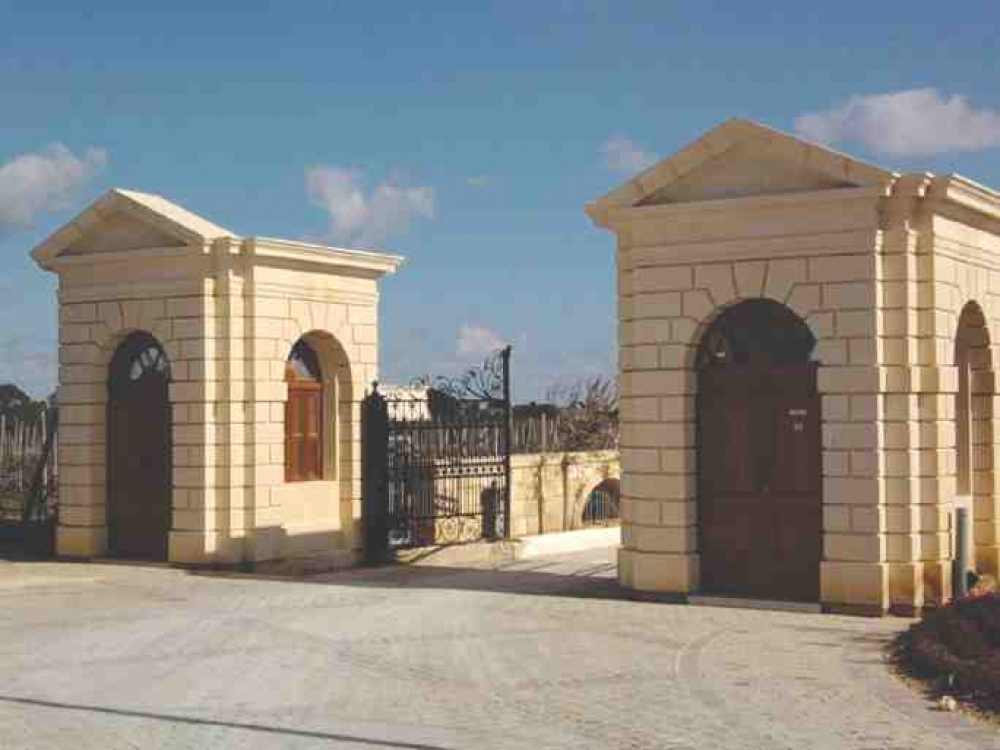
More than thirty Maltese and international organisations have jointly urged the authorities to deny Montekristo Estate any form of animal-related licence, citing longstanding concerns about animal welfare violations and regulatory breaches. In a detailed open letter addressed to the Director of the Animal Welfare Directorate, Joseph-John Vella, the coalition emphasised that granting a licence would risk setting a damaging precedent and potentially undermine the credibility of Malta’s regulatory framework.
Historical context of Montekristo’s operations
Montekristo Estate has operated for years on the margins of regulatory compliance, with documented instances of non-adherence to both animal welfare and environmental standards. The coalition’s letter referenced a ruling delivered in 2020 by the Criminal Court of Magistrates (case 91/2015), which found the Estate in breach of existing legal obligations related to animal care and safety.
Despite legal interventions and public scrutiny, the Estate has allegedly continued to keep and exhibit animals without securing a valid zoo licence under the Keeping of Animals in Zoos Regulations, as well as holding species deemed restricted under the Dangerous Animals Regulations. The coalition warned that this persistent defiance indicates a systemic disregard for the rule of law and endangers both animal welfare and public safety.


Legal foundations of opposition
Central to the coalition's argument is the recent subsidiary legislation, Legal Notice 199 of 2024, which outlines the criteria for licensing animal-related facilities. The regulation clearly states that applicants must not have been found guilty of any offence involving the mistreatment of animals or any violation of animal welfare legislation.
Given Montekristo’s track record, the signatories argue that the Estate is unequivocally disqualified under the law. The letter insists that previous convictions and ongoing non-compliance cannot be overlooked in any licensing process.
Planning permit does not equate to animal welfare clearance
One of the key legal distinctions made in the letter is between planning permits and operational licences. The coalition acknowledged that a planning permit may have been granted for certain developments at the Estate, but emphasised that this authorisation is strictly related to land use and construction and should not be interpreted as a green light for animal-related activities.
“Sanctioning by one authority does not, and must not, compromise the role and responsibility of another,” the letter asserts. “The Animal Welfare Directorate operates independently, and its decisions must be based on the welfare of animals.”
The campaigners warned that allowing a facility to circumvent animal protection laws by relying on planning approvals undermines the authority of the Animal Welfare Directorate and dilutes enforcement mechanisms intended to safeguard animals.
Ongoing enforcement concerns
According to the signatories, Montekristo Estate continues to operate in breach of zoo licensing regulations. According to the coalition, numerous police reports and official complaints have been submitted over time, calling on the authorities to take enforcement measures against the facility. These reports, some of which date back years, allegedly highlight instances of neglect, improper enclosures, unauthorised animal keeping, and failure to meet veterinary and welfare standards.
Critics of the Estate have expressed frustration that despite the accumulation of evidence and official findings, enforcement action has been inconsistent or incomplete. The letter calls for renewed efforts to bring the Estate into full compliance—or, failing that, to prevent it from operating at all.
Concerns about regulatory credibility and public trust
The coalition also raised broader concerns about the integrity of the regulatory system. They argue that if Montekristo Estate is permitted to obtain a zoo licence, despite its history of infractions, this could erode public confidence in Malta’s commitment to upholding animal welfare laws.
Such a move, they warn, may incentivise other facilities to flout regulations with the expectation that eventual compliance or political connections could retroactively legitimise illegal practices. “The law is clear, the evidence is ample, and public trust demands accountability,” the letter reads.
Pending legal proceedings and ethical obligations
The open letter explicitly states that no licence should be issued to Montekristo or any associated entity while criminal proceedings or administrative investigations remain unresolved. The coalition insists that the rule of law must be upheld not just procedurally, but also ethically.
They caution that issuing a licence at this stage could be perceived as tacit approval or indifference to past misconduct, which could have long-term implications for both legal precedent and moral accountability.
Signatories and public support
The letter bears the signatures of several well-known Maltese non-governmental organisations, among them BirdLife Malta, Friends of the Earth Malta, Nature Trust, and the MSPCA. These groups are joined by a wide array of smaller rescue organisations, animal shelters, and independent activists, creating one of the largest unified appeals in recent years on an animal welfare issue in Malta.
Among the individual signatories are well-known public figures such as Fabio Spiteri, Petra Bonello, and David Azzopardi Pace, who have actively campaigned for animal rights in the country.
Their collective voice lends considerable weight to the appeal and reflects a growing public demand for accountability in matters involving the treatment of animals.
Appeal to the Animal Welfare Directorate
The coalition concluded their letter by offering support to the Animal Welfare Directorate, urging the agency to prioritise legal integrity and ethical responsibility over external pressures or political considerations.
“We urge you to stand firm in defence of animal welfare,” the letter states. “No licence should be granted to Montekristo—now or in the future, no matter the pressure.”
This call places responsibility directly on the shoulders of Joseph-John Vella, the current Director of the Directorate, to ensure that the law is upheld in both spirit and practice.
Lack of official response
At the time this article was prepared, the Animal Welfare Directorate had yet to release any official public statement in response to the letter. It remains unclear whether a formal application for a zoo licence has been submitted by Montekristo or any related party. The absence of a public statement has only intensified speculation and concern among activists, who worry that a decision may be imminent.
In the meantime, the coalition has vowed to continue monitoring the situation closely and has not ruled out pursuing further legal avenues if a licence is granted contrary to regulatory standards.
Broader implications for animal welfare in Malta
This case has become emblematic of broader issues facing Malta’s animal welfare landscape. While the country has made significant progress in legislating for animal protection, critics argue that enforcement often lags behind the law. The Montekristo case, in their view, offers a critical opportunity to demonstrate that legal protections are not merely symbolic, but enforceable and effective.
If authorities choose to act decisively in line with the demands of the coalition, it could mark a turning point in how Malta enforces its animal welfare regulations. Conversely, a decision to grant a licence despite the documented concerns could trigger public outcry, reputational damage, and possible legal challenges.
Conclusion
The situation surrounding Montekristo Estate represents more than a localised licensing dispute—it encapsulates a broader challenge for Malta’s commitment to animal welfare, legal integrity, and regulatory accountability. The unified stance taken by over thirty animal welfare organisations and individual activists underscores the gravity of the concerns raised. With a documented history of non-compliance and an unresolved legal track record, the Estate’s continued operation without a valid licence raises fundamental questions about enforcement, precedent, and ethical governance.
Granting a zoo licence in this context would risk undermining years of progress in animal welfare legislation and could signal to the public that breaches of the law carry little consequence. The Animal Welfare Directorate, as an independent regulator, now stands at a crossroads. Its next decision will not only determine the future of Montekristo Estate but may also shape public confidence in the institutions charged with protecting vulnerable animals.
At its core, this case demands a decision rooted in law, ethics, and public interest—not political expediency or pressure. Upholding the legal framework, ensuring enforcement consistency, and safeguarding animal welfare must remain paramount. As the organisations behind the open letter have made clear, this is a moment for principled leadership and firm action in defence of those who cannot defend themselves.
FAQs
What is the Montekristo Estate and why is it controversial?
Montekristo Estate is a private venue in Malta that has been criticised for operating as an unlicensed zoo and allegedly violating animal welfare laws.
What specific laws has Montekristo allegedly breached?
It has allegedly violated the Keeping of Animals in Zoos Regulations and the Dangerous Animals Regulations, along with other animal welfare provisions.
What was the 2020 court ruling about Montekristo?
In 2020, a Maltese court ruled against Montekristo in case 91/2015 for breaches relating to animal care and regulatory compliance.
Has Montekristo applied for a zoo licence?
It is unclear whether an application has been formally submitted. However, campaigners are urging the authorities to deny any such licence proactively.
Why are planning permits not enough to justify animal licensing?
Planning permits relate only to land use and infrastructure. They do not assess compliance with animal welfare standards or ethical suitability.
Who is Joseph-John Vella?
Joseph-John Vella is the Director of Malta’s Animal Welfare Directorate, the authority responsible for issuing animal-related licences.
Why do campaigners believe Montekristo poses a risk?
They cite ongoing non-compliance, previous convictions, and the precedent it could set if allowed to operate legally despite these issues.
What organisations have signed the open letter?
Signatories include BirdLife Malta, Nature Trust, Friends of the Earth Malta, MSPCA, and numerous animal shelters and activists.
What actions are campaigners asking for?
They are calling for the outright denial of any animal-related licence for Montekristo and for pending enforcement actions to be concluded.
What happens if a licence is granted anyway?
The coalition warns that this would undermine public trust in Malta’s regulatory framework and could lead to further legal or public backlash.

Anna Amstill
I am an avid Blogger and Writer with more than 6 years of experience with Content Writing. An Online Marketing expert specializing in Blog writing, Article writing, Website content, SEO specific Keyword content and much more. Education B.A. - business management, York University, Canada, Graduated 2016.


