

















Are Global iGaming Operators Evading Regulation?
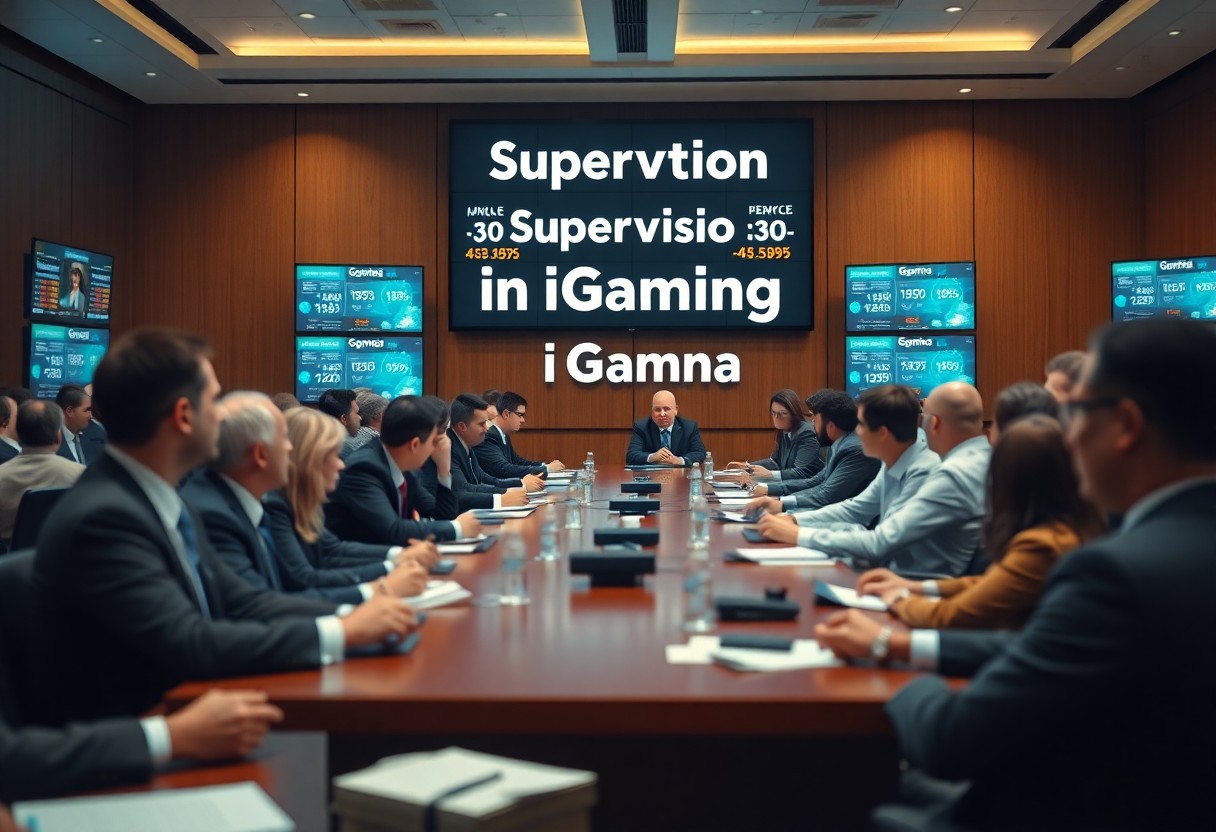
With the rapid expansion of the online gaming industry, questions arise regarding the regulatory frameworks overseeing global iGaming operators. This blog post researchs into the complexities of supervision in the sector, examining whether operators are effectively adhering to regulations or circumventing them to maximize profit. By scrutinizing the challenges and gaps in current oversight mechanisms, we aim to provide a comprehensive understanding of the implications for players, authorities, and the broader market. Join us as we uncover the state of regulation in the world of iGaming.
The Global iGaming Landscape: A Regulatory Maze
Major Markets and Their Regulatory Frameworks
Several regions have emerged as strongholds for iGaming, with the United Kingdom, Malta, and New Jersey leading the charge. The UK, under the UK Gambling Commission, mandates strict guidelines that focus on player protection and responsible gaming, requiring operators to conduct thorough background checks and ensure game fairness. Malta's regulatory framework, governed by the Malta Gaming Authority, also emphasizes transparency and accountability, attracting operators with its favorable tax rates and comprehensive licensing processes. New Jersey's Division of Gaming Enforcement has paved the way for online casinos in the U.S., implementing a robust regulatory environment that aims to protect consumers while fostering industry growth.
In contrast, markets in Asia and parts of Africa often lack well-defined regulations, creating a patchwork of oversight that can leave players vulnerable. Countries such as China and India exhibit a mixed approach to online gambling, with many platforms operating without a clear regulatory framework, exposing consumers to potential risks. The absence of uniformity in these jurisdictions complicates matters for global operators, who must navigate varying laws while attempting to establish a foothold in lucrative markets.










The Role of Licensing Authorities
Licensing authorities play a pivotal role in the iGaming sector, serving as gatekeepers to ensure compliance with established laws and regulations. These agencies assess operator applications meticulously, reviewing their practices, financial stability, and adherence to responsible gaming measures. The reputation of a licensing authority can significantly impact an operator's credibility and marketability. For instance, an operator licensed by the UK Gambling Commission often instills greater consumer confidence compared to those licensed in less established jurisdictions.
A noteworthy example includes the ongoing collaboration between the UK Gambling Commission and various international partners to enhance enforcement measures against unlicensed operators. This proactive stance aims to protect consumers and maintain the integrity of the market. However, the effectiveness of these licensing bodies can vary significantly. While some, like the Malta Gaming Authority, have developed a robust framework that other jurisdictions look to emulate, others may lack the resources or political support necessary to police the industry effectively. The inconsistent approach to regulation across different jurisdictions further complicates the landscape for legitimate operators, highlighting the need for greater harmonization in global standards.
Unveiling the Shadows: Are Operators Skirting the Law?
Common Tactics for Evading Oversight
Many global iGaming operators have developed a repertoire of tactics designed to navigate around regulation and oversight. This includes establishing operations in jurisdictions with lax legal frameworks or limited enforcement capabilities. For example, some operators may set up shop in countries where regulatory bodies lack the resources or authority to effectively monitor compliance, a strategy often referred to as “regulatory arbitrage.” As a result, these operators can take advantage of a light-touch approach to oversight, all while offering an enticing portfolio of games and betting options to attract players. Utilizing digital currencies for transactions is another avenue, as it complicates tracking and reporting requirements, allowing for increased anonymity and reduced regulatory scrutiny.
Moreover, a web of affiliate marketing schemes often obscures the true ownership of online gambling sites. Skilled at leveraging SEO and targeted advertising, affiliates can drive traffic to these sites while protecting the operators from direct oversight. A case study involving an operator in a questionable jurisdiction revealed that such practices enabled them to generate substantial revenues, despite operating outside any established legal or regulatory framework. Regular reporting on player activities, when existed, frequently contained misleading information, further muddying the waters of accountability.
The Grey Market: A Haven for Non-compliance
The grey market presents a significant challenge for regulatory bodies, functioning as a safe harbor for iGaming operators that defy local laws without falling under outright illegal status. Operators often exploit ambiguities in regulatory jurisdictions, offering services in regions where legislation is either outdated or poorly enforced. In Europe, for instance, some countries have outdated gaming laws that fail to account for technological advancements in the online space. This allows operators to cater to audiences in these areas without adhering to standard licensing or consumer protection measures, consequently creating a dangerous landscape for players.
In many instances, players are drawn to these grey market platforms due to better odds, attractive bonuses, or unique gaming offerings. However, this comes at a cost, as players lack the security and protections that licensed operators provide. Some studies estimate that the grey market represents upwards of 30% of the total global iGaming sector, highlighting its pervasive nature. Furthermore, as regulatory scrutiny increases in traditional markets, operators may continue to migrate to grey markets, compounding the challenge for policymakers attempting to enforce accountability and foster consumer safety.
The Illusion of Compliance: Misleading Licensing Claims
What ‘Licensed' Truly Means in Different Jurisdictions
‘Licensed' can carry vastly different implications depending on the jurisdiction in which an operator claims to hold a license. For instance, while some countries enforce rigorous standards and compliance checks, others may issue licenses with minimal oversight. A player might assume that a license from a well-known jurisdiction, such as the United Kingdom or Malta, guarantees a certain level of security and fairness. However, operators registered in less scrutinizing jurisdictions can make similar claims without corresponding checks or balances, potentially misleading users into believing they are playing in an entirely regulated environment. The absence of stringent requirements can lead to a landscape where companies exploit these lenient systems, often providing little more than a facade of compliance.
Furthermore, industry reports indicate that nearly 40% of offshore online gambling sites operate under licenses from jurisdictions with little to no active regulation. This disconnect fosters a breeding ground for unethical practices, such as delayed payouts or ambiguous terms, where players have scant recourse. As new operators flood the market seeking quick gains, the lure of ‘licensed' status becomes a powerful marketing tool. It can generate a false sense of security among players, obscuring the reality of what such licensing signifies and the varying degrees of consumer protection involved.
The Impact of Weak Licensing Bodies
Weak licensing bodies can profoundly affect the overall integrity of the gaming industry. In countries where regulators lack resources or authority, enforcement of standards becomes a significant challenge, leading to underprepared operators capitalizing on loopholes. Data from the Global Gaming and Gambling Report reveals numerous cases where licensing authorities failed to hold operators accountable, resulting in increased fraud and player dissatisfaction. Without robust oversight, licensed operators might cut corners, neglect responsible gaming practices, and ultimately compromise user experience.
The consequences of weak regulatory bodies extend beyond frustrated players. The entire iGaming ecosystem can suffer, with operators that prioritize compliance and responsible practices finding themselves competing against those willing to exploit relaxed standards. This undermines the credibility of established jurisdictions, prompting regulators in more stringent environments to adopt additional measures to protect their integrity. Ultimately, consolidating weak regulatory frameworks can erode the public's trust in licensed gambling and foster a culture of skepticism that taints even the most reputable operators.
Technology's Double-Edged Sword: Bolstering or Bypassing Regulation?
Innovations That Enhance Oversight
The advent of advanced technologies presents significant opportunities for regulatory bodies to enhance oversight capabilities within the iGaming sector. Modern analytics tools enable regulators to monitor vast amounts of gaming data in real-time, identifying suspicious behaviors that may indicate problem gambling, money laundering, or collusion. For instance, the implementation of machine learning algorithms can detect anomalies in player betting patterns that traditional methods might overlook. In 2022, the UK Gambling Commission reported a 30% increase in the detection of irregularities due to these technological advancements, leading to a more proactive approach in safeguarding consumer interests.
Additionally, blockchain technology has emerged as a noteworthy asset in creating transparent and tamper-proof records of transactions and player interactions. Operators that integrate blockchain can provide regulators with direct access to audits of activities without compromising player privacy. This innovation not only enhances operational transparency but also establishes a more collaborative relationship between operators and oversight entities. With these tools, regulators can better ensure compliance and foster a safer gaming environment.
Digital Tools as Instruments of Evasion
While technology bolsters oversight in many ways, it simultaneously offers tools for evasion that some operators leverage to circumvent regulations. Virtual private networks (VPNs), for instance, allow players to bypass geo-restrictions, enabling access to unauthorized markets and undermining local laws designed to protect consumers. Additionally, the rise of cryptocurrencies in transactions has introduced a layer of anonymity that complicates monitoring and regulatory enforcement. Operators can accept payments in various digital currencies, making it challenging for regulators to track flows of funds and identify illicit activities.
Recent analyses have uncovered that nearly 40% of online gambling transactions occur in cryptocurrencies, a statistic that highlights the growing divide between regulatory compliance and the methods used by operators to maintain anonymity. Furthermore, peer-to-peer betting platforms often operate outside traditional regulatory frameworks, enabling users to set their odds and directly wager against one another without oversight. This not only challenges existing regulatory models but also raises concerns regarding fair play and consumer protection in the rapidly evolving landscape of iGaming.
The Players' Perspective: Trust and Transparency in iGaming
Players' Experiences with Regulated vs. Non-regulated Sites
Experiences among players can vary drastically between regulated and non-regulated iGaming sites. Players frequenting licensed platforms often report higher levels of trust, as these establishments are subjected to stringent oversight by governing bodies. For instance, regulated platforms like those licensed in the United Kingdom or Malta are required to implement fair play policies, uphold responsible gaming measures, and ensure prompt payment of winnings, fostering an environment where players feel secure. A recent survey showed that 78% of players favored licensed sites due to greater transparency in product offerings and customer service, showing a strong preference for safety over mere entertainment.
Conversely, users on non-regulated platforms often face a minefield of unpredictability. With minimal accountability, many of these sites can engage in questionable practices, including hidden fees, complex withdrawal processes, and even outright abuse of player funds. For example, a study conducted by the Consumer Protection Agency highlighted that players at unregulated sites reported significantly higher instances of delayed withdrawals, with up to 65% facing challenges in retrieving their funds. This disparity in experiences not only threatens revenue streams for compliant operators but also places players at risk in what they believe to be a fair and entertaining environment.
The Role of Player Advocacy Groups
Player advocacy groups emerge as vital entities within the iGaming landscape, representing the interests and concerns of players. By providing information about regulatory standards and promoting safe gaming practices, these organizations help guide players towards securing their rights and enhancing their iGaming experiences. Collaborations with gambling regulators and operators enable these groups to address grievances, ensuring transparency and accountability in how games are offered. Furthermore, they often establish metrics to evaluate the performance and fairness of various platforms, empowering players to make informed choices about where to play.
Organizations like the Gambling Addiction Foundation or the International Center for Responsible Gaming have ramped up their efforts in recent years to educate players on distinguishing between safe and unsafe online environments. Campaigns they lead have resulted in increased awareness around issues like problem gambling and the importance of choosing licensed platforms. Their advocacy not only serves to improve player experiences but also holds operators to higher standards when it comes to ethical practices and consumer protection.
The Financial Dynamics: Profit Motives Behind Regulatory Avoidance
The Economic Incentives for Operators
Maximizing profitability often leads global iGaming operators to exploit regulatory grey areas, foregoing compliance costs. Many operators are drawn to unregulated markets where overhead is minimized, allowing them to increase margins significantly. In jurisdictions with stringent regulations, licensing fees and operational costs can amount to millions. Conversely, companies that venture into less-regulated regions can achieve higher returns, sometimes by circumventing established rules designed to protect consumers. This marginalization of compliance costs reflects a broader trend within the industry where short-term profit triumphs over ethical practices.
Many operators also recognize that the potential risk of penalties is outweighed by the allure of immediate financial gain. The limited enforcement capacity of regulatory bodies in some regions encourages this behavior. Operators often adopt a “catch me if you can” mindset, banking on the notion that the likelihood of repercussions is slim compared to potential earnings from unregulated activities. This opportunistic approach not only undermines the integrity of the industry but also raises alarm bells about player safety and data protection.
Consequences of Financial Irregularities in iGaming
The ramifications of financial irregularities can be profound, affecting not only the operators themselves but also the broader industry landscape. Instances of fraud or mismanagement can lead to significant monetary losses for players and create a ripple effect that damages trust in the sector. Moreover, individuals who sustain losses due to unethical practices are less likely to return to a platform that has shown signs of instability or dishonesty. This can lead to reduced customer retention and a tarnished brand reputation, particularly as regulatory bodies and consumers alike become more discerning and informed about their choices.
When financial irregularities come to light, they can often lead to increased scrutiny from regulators, media outlets, and watchdog organizations, resulting in a spiral of damage control efforts by operators. These consequences extend beyond financial repercussions; they shake the trust that players place in the entire iGaming ecosystem, prompting calls for tighter regulations and more robust oversight. Consumer advocacy groups will increasingly spotlight instances of malpractice, which only amplifies the pressure on regulators to enforce compliance and protect players' interests. In a market defined by competition, the negative fallout from financial misconduct can have lasting effects on an operator's viability and the reputation of the industry as a whole.
A Global Game of Whack-a-Mole: Law Enforcement Challenges
Jurisdictional Issues in Cross-border Regulation
Jurisdictional complexities arise from the global nature of iGaming, where operators often exploit the differing legal landscapes of various countries. For instance, a company licensed in a jurisdiction offering lenient regulations may target players in regions with strict gaming laws, which leads to a significant enforcement challenge. The principle of territoriality complicates matters further, as regulators find it difficult to claim authority over operators that are based abroad. This situation results in many companies prioritizing markets with minimal oversight, leaving players vulnerable and creating a grey area in regulation enforcement.
Additionally, attempts to enforce laws against cross-border operators often resemble a game of whack-a-mole, where efforts to shut down illegal sites are met with the immediate displacement of operations to new jurisdictions. For example, in 2020, the United Kingdom's Gambling Commission took action against several unlicensed platforms, only for those entities to quickly relocate to jurisdictions with relaxed regulations. The challenging task for law enforcement agencies becomes not just identifying these operators, but also responding effectively across diverse legal systems while maintaining pressure on bad actors.
The Limitations of International Cooperation
International cooperation between law enforcement agencies often falters due to diverse legal standards, differing priorities, and varied resources available across nations. For example, while some countries prioritize consumer protection in gaming, others focus on taxation or economic development, leading to conflicting regulations that complicate unified efforts to tackle illicit iGaming. Initiatives such as INTERPOL's Project CITADEL have aimed to foster cross-border collaboration, but tangible results remain limited. Languages, cultures, and operational norms further complicate coordination efforts, often delaying actions that could disrupt the operations of international iGaming operators.
Although cases of successful cooperation do exist, they represent a small fraction of the overall efforts required to manage the complex and dynamic landscape of global iGaming. The disparities in regulatory frameworks make it difficult for law enforcement to engage in unified actions without extensive negotiations, which can slow down immediate responses. The challenge is especially pronounced when agencies operate under national mandates that prioritize local issues or when dealing with operators that swiftly adapt to evade detection. Without a cohesive approach to regulation and enforcement, the trend of jurisdictional evasion by global iGaming operators is likely to continue.
Behavioral Economics: Why Gamblers Tolerate Risky Platforms
The Psychology of Trust in iGaming
Trust plays a pivotal role in the relationship between gamblers and iGaming operators, with psychological factors influencing players' decisions to engage with platforms that may lack regulatory oversight. Many punters are swayed by brand recognition, often equating established names with reliability, despite a lack of demonstrated commitment to ethical practices. For instance, large marketing budgets and flashy promotional campaigns can foster an illusion of security and legitimacy, causing players to overlook the potential risks associated with playing on unregulated sites.
Additionally, testimonials and peer endorsements can significantly impact a gambler's perception of trustworthiness. Players frequently rely on social networks, forums, or community reviews to form opinions about a platform. The phenomenon where one person's positive experiences can outweigh statistical probabilities of negative outcomes illustrates a cognitive bias—leading individuals to adopt a more optimistic outlook on the risks involved. This sense of trust, despite the underlying uncertainties, creates an environment where players might ignore red flags, believing they are engaging with a reputable operator.
Cognitive Dissonance Among Players
Cognitive dissonance arises when players' beliefs about the safety and integrity of iGaming platforms clash with their actual experiences or with evidence suggesting they might be at risk. Gamblers may rationalize their participation on such platforms by downplaying the likelihood of negative outcomes, a mental mechanism enabling them to justify their choices even when confronted with contradictory information. For example, a player may notice reports of a platform mishandling customer funds but choose to focus on the promotional incentives that attracted them to the site in the first place. This selective focus fosters a comfort level that can lead to continued engagement despite inherent risks.
Another aspect of cognitive dissonance in iGaming is the player's tendency to normalize losses. Even when faced with a series of unfortunate outcomes, the gambler may convince themselves that it's simply part of the game, leading to an acceptance of risk that overshadows their original intention to gamble responsibly. This distortion of reality can perpetuate continuous play on less-than-ideal platforms, as the player oscillates between recognizing warning signs and justifying their involvement due to past positive experiences—even if those experiences may have been anomalies within a larger pattern of risk.
Building Bridges: Proposed Solutions to Strengthen Regulation
Enhancing International Regulatory Collaboration
Effective regulatory oversight within the iGaming sector often falters due to varying standards and practices across jurisdictions. By fostering international cooperation, regulatory bodies can create a more harmonized framework that transcends borders. For instance, the formation of a coalition akin to the International Association of Gaming Regulators (IAGR) could lead to the establishment of standardized compliance measures and sharing of best practices. This initiative would not only facilitate the exchange of information related to fraudulent activities and compliance but also help in developing unified player protection protocols. As evidenced by the recent partnerships among EU regulatory agencies, cooperation has proven impactful in rolling out collective measures against unlicensed operators.
Joint regulatory audit programs could serve as another robust mechanism. By conducting cooperative audits that evaluate operator adherence to licensing standards across different jurisdictions, regulators can significantly elevate industry compliance levels. The cross-sharing of findings could also empower smaller jurisdictions with limited resources, enhancing their regulatory capacity and ensuring that players everywhere can enjoy a safer gambling environment.
Leveraging Technology for Better Oversight
The integration of advanced technologies into the iGaming regulatory landscape presents an opportunity to redefine accountability measures. Utilizing blockchain technology for transaction tracking could provide regulators with a transparent ledger of all operations, which offers both traceability and verification of claims made by operators regarding their practices. Additionally, artificial intelligence can aid in identifying irregular patterns that suggest fraudulent behavior or money laundering, thereby enabling timely interventions. Companies like Everi Holdings have already begun utilizing AI-based analytics in their compliance checks, setting a precedent for tech-driven oversight.
Beyond just monitoring, technology can enhance reporting mechanisms, allowing for real-time data transmission between operators and regulatory bodies. Implementing platforms that automatically relay operational data, financial transactions, and player activity could streamline compliance checks and rapidly highlight any discrepancies. By equipping regulators with real-time insights into operator performance, the effectiveness of oversight efforts can be significantly heightened, driving a culture of accountability while simultaneously enhancing player trust and security.
The Future of iGaming Regulation: Trends and Predictions
Predicting Regulatory Evolution Post-2024
The landscape of iGaming regulation is poised for significant transformation as the industry adapts to rapid technological advances and shifts in player behavior. By the end of 2024, a heightened emphasis on consumer protection is expected to emerge, fueled by the proliferation of new gaming platforms and the complex nature of digital currencies that facilitate online gambling. Authorities are likely to adopt more proactive regulatory measures, shifting from reactive enforcement to continuous monitoring. Regulators might implement AI-driven analytics to detect anomalies in player behavior, ensuring early intervention in cases of gambling addiction or fraud. Countries like Sweden have paved the way with real-time monitoring systems, offering a model that others may soon adopt.
Furthermore, the harmonization of regulatory standards will play an imperative role in establishing a unified approach to international iGaming oversight. Stakeholders can anticipate the formation of formal agreements among jurisdictions to streamline compliance processes, thereby reducing the burden on operators that currently navigate a convoluted regulatory environment. This approach promises to foster an ecosystem of accountability while maintaining competitive equity for operators across borders. As jurisdictions increasingly recognize the benefits of collaboration, we may see the establishment of an international regulatory body reminiscent of the Financial Action Task Force (FATF) for fintech and cryptocurrency.
The Role of Emerging Markets in Shaping Global Standards
Emerging markets are likely to drive regulatory advancements in the iGaming sector, as nations seek to capitalize on the economic potential of this burgeoning industry. Countries in regions such as Africa and Southeast Asia are rapidly developing their regulatory frameworks to attract international operators, leading to innovative approaches that may set new precedents for global standards. For instance, nations like Nigeria and the Philippines are already experimenting with regulations that prioritize technological integration, such as cashless transactions and blockchain-based identity verification, which could enhance player safety and transparency.
Additionally, the increasing number of online users in these markets underscores the importance of addressing specific cultural contexts and consumer behaviors when devising regulations. As emerging markets secure their foothold in the iGaming sector, international regulators must pay attention to these developments that balance consumer protection with the promotion of market growth. The strategies adopted by these nations may well serve as templates for more established markets grappling with entrenched regulatory challenges, demonstrating that standards can evolve in diverse and practical fashions. Ultimately, as these regions claim their stake in the global iGaming arena, they are poised to influence the regulatory dialogue and promote a future of increased accountability across the industry.
Is Self-regulation the Answer? Exploring Industry-led Initiatives
The Case for Self-regulatory Organizations
Self-regulatory organizations (SROs) have emerged as a potential solution to bridge the gap left by traditional regulatory frameworks in the iGaming sector. These organizations often consist of industry stakeholders who collaborate to establish guidelines and standards that promote fairness and transparency. This collective self-governance model allows for quicker responses to emerging issues, as operators can innovate within a shared set of ethical practices without waiting for legislative action. For instance, the Interactive Gaming Council operates to promote transparency and responsible gaming by establishing codes of conduct that members must adhere to, thus fostering a culture of accountability.
Moreover, SROs can enhance consumer protection by instituting practices that prioritize player welfare. By implementing stringent measures to ensure responsible gambling, such as self-exclusion programs and game fairness audits, these organizations can create a more trustworthy environment for players. This proactive approach not only helps to mitigate potential regulatory backlash but also builds consumer confidence, which is necessary for long-term sustainability in the iGaming market. The challenge remains, however, in ensuring that these self-regulatory frameworks are sufficiently robust and enforceable to prevent operators from bypassing their obligations.
Success Stories and Their Implications
Several successful examples of self-regulation within the iGaming industry illustrate its potential benefits. The Gibraltar Gambling Commission, for instance, has taken significant strides in self-regulatory practices by implementing a series of rigorous compliance checks for its operators. This has resulted in a 25% reduction in complaints from players and a notable improvement in player retention rates. Such outcomes highlight the effectiveness of self-regulatory measures in not only promoting better business practices but also enhancing the player experience.
The establishment of the UK Gambling Commission's industry-led initiatives has similarly shown promise. By fostering collaborations among gambling operators, the commission has created frameworks that support safer gambling practices while allowing for flexibility and innovation in business strategies. Evidence from recent studies indicates that operators complying with these self-imposed regulations have experienced operational efficiencies and improved community relations, suggesting that self-regulation can result in a win-win scenario for both businesses and consumers.
These success stories emphasize that self-regulation, when executed effectively, can serve as a viable alternative to traditional regulatory models. However, the persistence of these positive outcomes will depend on sustained commitment from industry leaders and the development of benchmarks that will keep self-regulatory standards high and effective. As the iGaming landscape continues to evolve, an emphasis on responsible practices and transparent operations will be vital to maintaining integrity and trust among all stakeholders involved.
Stakeholder Reactions: Voices from Regulators, Operators, and Players
Balancing Commercial Interests with Player Protection
Regulators often face the challenge of ensuring that commercial growth doesn't undermine player safety. The U.K. Gambling Commission, for instance, has voiced concerns about the increased risks associated with unregulated operators that can lure players through aggressive marketing tactics without sufficient oversight. Players have reported feeling overwhelmed by the sheer volume of advertising that seems to prioritize monetary gain over their well-being. In this climate, the responsibility falls heavily on established operators who must advocate for responsible gaming practices while navigating the competitive pressures of the market.
Operators, particularly those in regulated jurisdictions, stress that innovation and profitability can coexist with ethical practices. Companies like Kindred Group have publicly committed to reducing profits from problem gambling, showcasing a commitment to player protection even if it comes at a financial cost. Their “Focus on the Player” initiative seeks to create an environment where safeguarding gamers takes precedence, signaling a growing recognition of the interconnectedness of player trust, brand integrity, and long-term commercial success.
The Call for Reform: Perspectives from the Industry and Wrapping it Up
Within the industry, a chorus for reform is emerging, with regulators and operators agreeing on the need for standardized practices that prioritize player welfare. This call has been echoed in various forums, where stakeholders from both sides convey the need for a unified approach to consumer protection. The International Association of Gaming Regulators reported that a significant number of its members are considering innovative policy measures aimed at greater compliance and transparency. Notably, operators like Bet365 have highlighted the effectiveness of recent reforms in the jurisdictions where they operate, advocating for a broader adoption of similar frameworks.
As discussions grow louder, the need for an agile regulatory environment becomes clear. Legislative bodies are urged to consider enacting harmonized rules that reflect both the realities of a global market and the necessity of ethical operations. Furthermore, ongoing dialogues among regulators, operators, and advocacy groups will be crucial in shaping sustainable solutions. With the industry's future hanging in a delicate balance, the collective push for comprehensive reform could set the foundation for a more accountable and player-centric landscape, ultimately benefiting all stakeholders involved.
Potential Legal Repercussions for Evasive Operators
Case Law and Penalties for Non-compliance
Legal repercussions for iGaming operators that choose to evade proper regulation can be severe, often involving hefty fines and in some instances, criminal sanctions. For example, the UK Gambling Commission has imposed multi-million-pound fines on operators found lacking in compliance, highlighting the consequences of neglecting responsible gambling measures and licensing requirements. A notable case involved a prominent online casino which faced a £2 million fine due to failings that included inadequate customer verification processes and insufficient measures to protect problem gamblers. Such rulings create precedents that reinforce the importance of adhering to statutory guidelines and reveal the determination of regulators to enforce compliance, regardless of a company's revenue size or international presence.
Apart from fines, the implications of legal non-compliance can extend to business operations, potentially leading to license revocations or limitations in market access. The situation in Denmark serves as a cautionary tale; after multiple breaches by an operator, the Danish Gambling Authority not only imposed financial penalties but also limited the operator's marketing capabilities, severely hampering its ability to attract new customers. As a result, companies must weigh the financial incentives of operating without oversight against the high stakes associated with potential regulatory penalties.
The Impact of Legal Action on Company Sustainability
Legal action stemming from regulatory evasion poses significant risks to the long-term viability of iGaming operators. In addition to financial penalties, companies may face escalating legal costs, as they are forced to engage in protracted legal battles to defend their actions. The reputational damage that accompanies regulatory action can deter players and partners alike, leading to reduced revenue streams and diminished market standing. A previously reputable operator facing scrutiny may find its customer base eroded by competitors more committed to compliance.
Furthermore, the fallout from legal repercussions can restrict access to important services such as banking and payment processing. Payment processors often shy away from working with companies embroiled in legal controversies, considering them high-risk clients. Such exclusions can lead to operational hardships, restricting an operator's ability to conduct business effectively and, ultimately, threatening their very existence in a highly competitive market. The need for independent review and regulatory auditing becomes paramount, serving as a potential safeguard against the pitfalls of evasive operational tactics.
Conclusion
With these considerations, it becomes evident that the extent to which global iGaming operators are navigating around real supervision warrants careful scrutiny. Regulatory frameworks vary significantly across jurisdictions, leading to a patchwork of enforcement that often leaves gaps in oversight. Operators may exploit these discrepancies to operate more freely, prioritizing profit margins over compliance and responsible gaming practices. This not only puts players at risk but can also undermine the integrity of the wider gaming industry.
Ultimately, the challenge lies in establishing a comprehensive global regulatory approach that ensures accountability and transparency in the iGaming sector. Collaboration between jurisdictions, the adoption of best practices, and stronger enforcement mechanisms will be crucial in addressing these inconsistencies. By doing so, the industry can create a safer environment for players while maintaining its legitimacy on a global scale.
FAQs
What is iGaming and why is regulation important?
iGaming refers to online gambling activities such as sports betting, online casinos, and poker. Regulation is vital to ensure fair play, prevent fraud, and protect players.
Which countries have strong iGaming regulations?
The United Kingdom, Malta, and New Jersey (USA) are known for their stringent iGaming regulations and robust licensing bodies.
What is regulatory arbitrage in the iGaming industry?
Regulatory arbitrage involves operators setting up in countries with lax regulations to avoid strict oversight and maximize profits.
What risks do players face on unregulated platforms?
Players may face unfair game outcomes, loss of funds, delayed withdrawals, and lack of dispute resolution mechanisms.
How do licensing bodies impact the credibility of iGaming operators?
Operators licensed in reputable jurisdictions gain consumer trust, while weak licensing undermines accountability and increases player risk.
What is the grey market in online gambling?
The grey market consists of operators offering services in regions where laws are unclear or unenforced, often without proper licensing.
How is technology used to evade iGaming regulation?
Operators use tools like VPNs and cryptocurrencies to bypass geographical restrictions and hide financial transactions from regulators.
What are misleading licensing claims?
Some operators claim to be licensed in recognized jurisdictions but actually hold licenses from regions with minimal oversight, misleading players about their legitimacy.
Are there international efforts to regulate iGaming?
Some cooperation exists, but differing national laws, priorities, and enforcement capabilities make global regulation difficult.
Why do players continue using risky gambling platforms?
Psychological factors like brand trust, peer influence, and cognitive dissonance lead players to overlook or rationalize risks on unregulated sites.

Lisa
Welcome. I am an experienced writer and I am ready to help you with all forms of writing needs you require. Education B.A. - linguistics, University of Wisconsin-Whitewater, United States, Graduated 2006.
Related Posts


PopOK Gaming Announces Partnership with Bitville Gaming
October 9, 2026


