















Is Austria’s Gambling Law at Odds with EU Treaties?
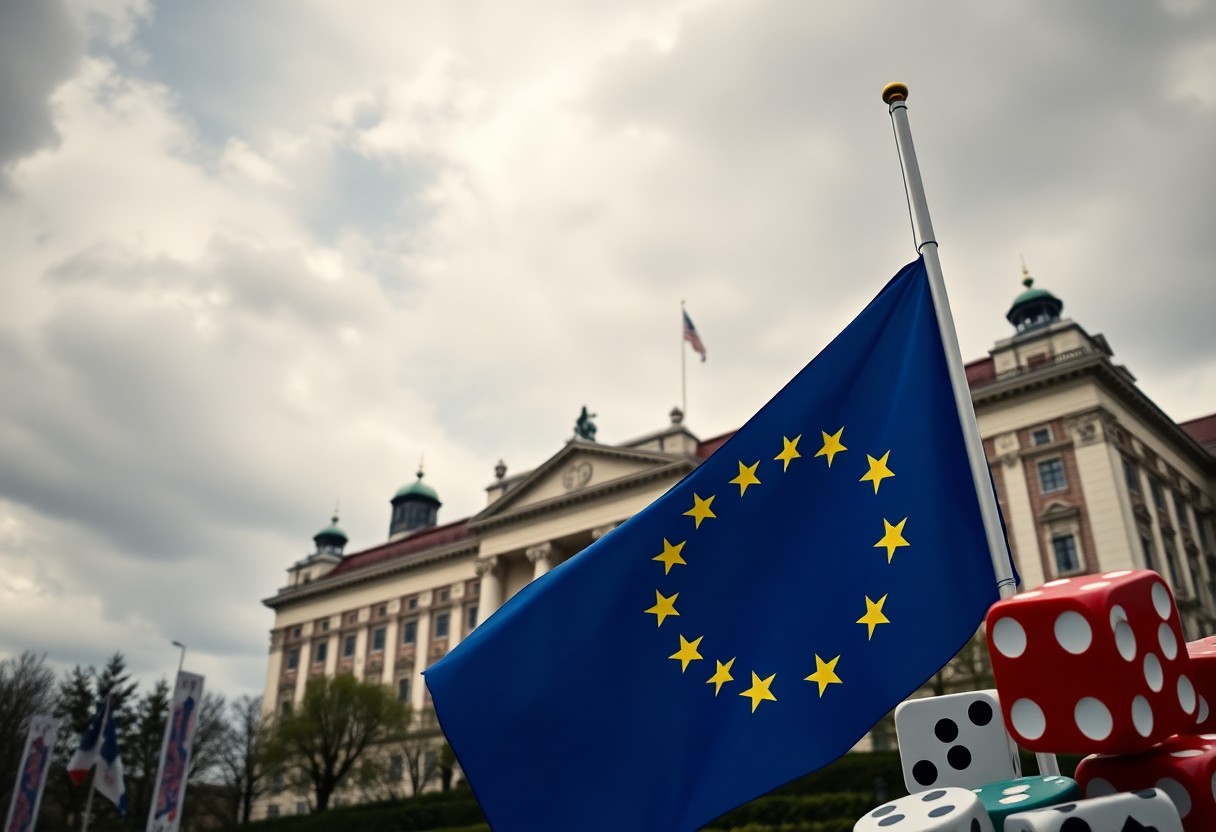
Gambling regulations in Austria have sparked significant debate regarding their compatibility with European Union treaties. This complex landscape involves numerous factors, including consumer protection, market access, and legal harmonization within the EU framework. As Austria maintains strict gambling laws aimed at preventing addiction and ensuring fairness, the question arises whether these regulations inadvertently conflict with the principles of free movement and competition established by the EU. This article explores into the intricacies of Austria's gambling legislation and its implications for EU law, seeking to clarify the ongoing tensions and potential repercussions.
The Evolution of Austria's Gambling Regulation Landscape
Historical Context of Gambling Legislation
Austria's relationship with gambling has deep historical roots, tracing back to the medieval period when games of chance were predominantly organized on an informal basis. The first official mention of gambling can be found in the 18th century when lotteries were recognized by the state as a legitimate source of revenue. Fast forward to the early 20th century, the Austrian government began to more systematically regulate gambling activities, which culminated in the establishment of the “Lotteries Act” in 1921. This act marked a significant shift, transitioning some aspects of gambling under state control, aimed at both consumer protection and revenue generation.
The post-World War II era saw an expansion in gambling availability alongside a growing public interest in casinos. In 1989, Austria established its first legally sanctioned casino in Vienna under the auspices of the Casino Tirol, setting the foundation for a regulated gambling industry. Since then, an intricate framework of regulations has developed, aligning with cultural shifts toward favoring legalized gambling while attempting to balance economic interests and social responsibility.










Key Legislative Milestones in Austria
In 2005, significant reforms brought forth the Glücksspielgesetz (Gambling Act), replacing previous legislation and structuring the landscape of gambling rights and regulations in Austria. This act not only formed a legal basis for casino operations, it also laid down strict guidelines regulating online gambling establishments. The introduction of licensing systems aimed to reduce unlicensed gambling activities while providing safety measures for players. This legislative overhaul reflected Austria's commitment to ensure responsible gambling practices and to align with the EU's regulatory goals.
Another important development occurred in 2017 with the implementation of the updated regulations under the Glücksspielgesetz, which sought to address issues related to advertising and responsible gambling measures. The key takeaway from these legislative milestones is the overall framework aims to balance state revenue interests from gambling taxation with increased efforts to prevent gambling addiction and protect consumers. Such adjustments show Austria's responsiveness to emerging gambling trends and the need to maintain compliance with both domestic and EU-level standards.
Navigating the Complex Web of EU Treaties
Core Principles of EU Law
At the heart of EU law are several core principles that govern the legal framework within which member states operate. One of the fundamental norms is the principle of free movement, which allows goods, services, capital, and people to move freely across borders. This principle is often reinforced by the idea of mutual recognition, where a service or product legally marketed in one EU country can typically be sold in another without additional hurdles. In the context of gambling, these principles emphasize that any regulatory frameworks established by individual countries, such as Austria, must align with the overarching EU laws and doctrines that promote market access and competition among European providers.
The principles of non-discrimination and proportionality are also important. Non-discrimination prohibits member states from imposing discriminatory rules that favor domestic operators over those from other states. Proportionality dictates that any restrictions imposed by national laws should be necessary, appropriate, and not excessively burdensome. Consequently, Austria's gambling regulations must be evaluated not only for their intent to promote public safety but also for their adherence to these EU principles, posing a complex challenge for lawmakers and regulators.
Directives Impacting National Gambling Laws
Multiple EU directives directly influence the way member states craft their gambling laws, creating a patchwork of regulations that can lead to tension between national policies and International obligations. The Services Directive 2006/123/EC, for instance, aims to simplify the provision of services across borders and contains important provisions that affect gambling operations. It emphasizes the necessity for member states to facilitate market entry for service providers while maintaining minimal restrictions. As a result, these directives serve as a foundation against which Austria's gambling regulations can be scrutinized, raising questions about their compliance with wider EU rules.
A notable case demonstrating the impact of EU directives on national gambling regulations is the decision in the “C-129/14, Da Costa” case, where the Court of Justice of the European Union underscored that restrictive national gaming legislation could contravene EU law if it does not adequately safeguard public policy interests without being unnecessarily obstructive. This mandate places a spotlight on Austria's current gambling framework, urging lawmakers to adapt their legislation to remain consistent with EU directives while still achieving their public objectives.
Austria's Current Gambling Framework: A Detailed Examination
The Role of the Austrian Federal Ministry of Finance
The Austrian Federal Ministry of Finance plays a pivotal role in overseeing the country's gambling landscape. Responsible for the formulation and enforcement of gambling regulations, the Ministry ensures that gambling operations align with national interests, particularly concerning public welfare and consumer protection. The Ministry's involvement extends to licensing, taxation, and monitoring of gambling activities, which are crucial to maintaining integrity within the industry. Given the multifaceted nature of gambling—ranging from sports betting to online casinos—the Ministry acts as a central authority to harmonize these operations, working closely with other governmental and non-governmental organizations in the process.
Furthermore, the Ministry is tasked with the establishment and maintenance of safeguards against problem gambling. By creating awareness campaigns and funding responsible gambling initiatives, it underscores the importance of protecting vulnerable populations while allowing adults to engage in recreational betting. In its oversight capacity, the Ministry also adapts regulations in response to new challenges arising from technological advancements and changing market dynamics, exemplifying a proactive approach in a rapidly evolving landscape.
Licensing and Regulation of Gambling Activities
Licensing of gambling activities in Austria is a structured process, managed by the Federal Ministry of Finance to ensure compliance with stringent regulatory standards. Gambling operators must acquire licenses, which are typically categorized based on the type and scale of gambling being offered. For instance, land-based casinos are distinct from online gaming platforms and require different licenses due to the varied risks associated with each format. Currently, only a limited number of licenses are issued for land-based casinos, as stipulated by the Austrian Gambling Act, ensuring a tightly controlled market where fewer operators can legally provide services.
The regulatory framework also delineates the licensing process for online gambling, allowing operators to apply for remote gaming licenses under specific conditions. These licenses come with a range of obligations, including reporting requirements and adherence to taxation policies. Additionally, the licensing regime promotes competition while maintaining consumer protection standards. Failure to comply with these regulations can result in severe penalties, including hefty fines and revocation of licenses, thereby incentivizing operators to operate transparently and responsibly.
The Question of Compatibility: Austria vs. EU Treaties
Legal Opinions from EU Institutions
Legal opinions from key EU institutions highlight the tensions between Austria's national gambling law and EU law. The European Court of Justice (ECJ) has repeatedly ruled that regulations governing gambling must be compliant with internal market freedom principles, specifically Articles 45 to 49 of the Treaty on the Functioning of the European Union (TFEU). For instance, in the landmark case *Placanica and Others v. Italy*, the Court established that restrictions on cross-border gambling services must be justified by concrete and public interest reasons, such as the need to combat fraud or protect consumers. Austria's monopoly on state-operated gambling services raises questions about whether it effectively meets these requirements, as consistent enforcement remains ambiguous.
Additionally, the European Commission has expressed concerns about the lack of transparency and consistency in Austria's gambling regulations. The Commission's critique centers on potential discrimination against foreign operators, arguing that such barriers prevent effective competition within the single European market. For example, operators from other EU member states seeking to enter the Austrian market have often faced hurdles, and legal battles have frequently centered on the compatibility of these barriers with EU obligations.
Conflicts Between National Law and EU Directives
Conflicts between Austria's gambling law and EU directives present a complex challenge, as the compatibility of national legislation with EU law hinges on the principles of free movement. The enforcement of regulations that permit exclusive licenses granted solely to Austrian entities seems to contradict EU regulations promoting free trade and competition. As a result, many foreign operators question the legality of the Austrian system, prompting calls for reforms that align domestic policies with EU frameworks.
Some observers argue that the protectionist nature of Austria's monopolistic approach not only undermines the principles of free movement but can also hinder consumer welfare. By limiting the market to specific state-run entities, potential benefits from increased competition—such as improved services, innovation, and better consumer protection—are lost. For instance, an expanded pool of operators could likely offer diverse gaming options and enhanced security protocols. However, such changes would require a substantial reevaluation of Austria's legal position and possible amendments to align with EU standards.
Consumer Protection vs. Market Access: A Balancing Act
Safeguarding Players in Austria
Austria's gambling regulations prioritize consumer protection through a comprehensive framework designed to ensure that players are shielded from the potential harms associated with gambling. The regulations include strict age verification processes to prevent minors from accessing gambling services, as well as measures to promote responsible gambling, such as self-exclusion programs and the provision of resources for addiction treatment. Additionally, licensed operators are required to contribute to public awareness campaigns aimed at educating players about the risks associated with gambling. This multifaceted approach not only aims to safeguard players but also seeks to foster a safer gaming environment that can withstand scrutiny from both local and international stakeholders.
In 2020, the Austrian Gambling Authority noted a decline in gambling-related issues, attributed largely to these protective measures. This decline showcases the effectiveness of regulations that prioritize player well-being while ensuring that gambling remains a controlled and enjoyable form of entertainment. Despite international criticisms regarding restrictive market access, the Austrian model emphasizes the necessity of prioritizing consumer safety above unchecked market expansion.
The Challenge of Ensuring Fair Competition
Ensuring fair competition within the gambling market becomes a significant challenge under Austria's heavily regulated system. While the legal framework aims to maintain consumer protection, it inadvertently creates barriers for foreign operators who wish to enter the market. Many international companies argue that the stringent licensing requirements and the limited number of licenses available serve to protect domestic monopolies, such as the state-run Österreichische Lotterien GmbH. This has resulted in a marketplace where competition is stifled, leading to concerns about higher prices and fewer options for consumers. Without a more inclusive licensing process, the potential benefits of a more competitive market will continue to elude Austria.
As the EU continues to advocate for free movement of services, Austria's regulations may come under increasing scrutiny. The European Court of Justice has issued rulings that favor a balanced approach to consumer protection and market access. For instance, rulings have suggested that overreaching restrictions may not align with EU principles, emphasizing the need for harmony between protecting players and fostering a competitive marketplace. Analyzing the effectiveness of Austria's regulations in light of these developments is vital to understand the future landscape of gambling within the EU.
The Role of The European Court of Justice (ECJ)
Landmark Rulings Affecting Gambling Legislation
The European Court of Justice (ECJ) has been instrumental in shaping gambling laws across EU member states through its landmark rulings. One of the most significant cases was the 2003 Zenatti ruling, which emphasized the necessity for national regulations on gambling to align with the principles of free movement within the EU. The court determined that while member states could impose restrictions on gambling to protect consumers, such measures must be justified, proportional, and non-discriminatory. This precedent lays the groundwork for challenges to Austria's strict regulations, suggesting that they may conflict with EU freedoms if not adequately justified.
Another pivotal case was the 2010 Stoß decision, where the ECJ reaffirmed that member states must ensure that their national legislation does not create arbitrary barriers to cross-border gambling services. The court highlighted that overly restrictive regulations can impede competition and limit consumer choice, which has direct implications for Austria's approach. These rulings underscore the court's commitment to keeping a balance between protecting consumers and maintaining a competitive internal market, raising questions about the sustainability of Austria's protective measures amidst pressures from the ECJ and competing interests of EU regulations.
Implications of Recent ECJ Decisions
Recent ECJ decisions have set a clear precedent for how gambling laws in Austria must adapt to align with EU treaties. The court's insistence on proportionality and non-discrimination highlights that Austria may need to reform its gambling laws to avoid potential legal confrontations with the EU. If the regulations are viewed as excessively constraining or unjustified, Austria risks facing legal actions that could compel a reevaluation of its gambling framework. For instance, if an Austrian operator is barred from offering services to players in other EU countries, it could lead to disputes regarding market access and competition rights established by EU law.
The need for Austria to reconcile its gambling regulations with ECJ rulings has become increasingly urgent. As the EU continues to prioritize an integrated digital market and adaptable regulatory frameworks, Austria's entrenched consumer protectionist stance may lead to conflicts with EU principles. This environment suggests that the Austrian government will have to examine its legislation closely—potentially opening avenues for greater market access for foreign operators and fostering a more competitive landscape for domestic entities while balancing consumer safety concerns.
Economic Impact of Gambling Regulations in Austria
Contribution of the Gambling Sector to the National Economy
The gambling sector in Austria plays a significant role in the national economy, contributing billions of euros to the GDP annually. Reports indicate that in recent years, the industry generated approximately €3 billion in total revenue, with a sizeable portion derived from betting, casinos, and lotteries. This robust economic footing provides employment opportunities for thousands, with jobs ranging from croupiers in casinos to regulatory professionals who ensure compliance with stricter laws aimed at maintaining safe gambling practices.
Moreover, the sector's ripple effect extends beyond immediate revenues and employment. Local businesses benefit from the influx of visitors to gambling establishments, stimulating hospitality and service industries. Cities that host major casinos often see increased tourist traffic and associated spending, showcasing the intertwined nature of gambling and broader economic vitality in Austria.
Tax Revenues and their Allocation
Austria's gambling regulations have established a structured tax regime that ensures a steady flow of revenues to the government. Taxation on gambling activities is estimated to generate around €400 million annually, which significantly contributes to local and federal budgets. The allocation of these tax revenues reflects a commitment to public welfare, with funds directed toward social programs, education, and responsible gambling initiatives. This provides a win-win scenario where the state cultivates a sustainable gambling environment while simultaneously promoting social responsibility.
Governments at both regional and national levels strategically allocate gambling tax revenues to address various social issues. For instance, funding is often earmarked for addiction prevention programs, educational initiatives, and community health services. This dual approach not only creates economic benefits but also fosters a culture of responsible gaming, aiming to mitigate the potential negative impacts of gambling on society.
Case Comparisons: Austria and Other EU Member States
| Country | Gambling Law Framework |
|---|---|
| Germany | Restrictive framework with specific federal legislation allowing states to regulate their gambling markets. |
| Sweden | State monopoly on gambling with a robust licensing system for online operators to ensure player protection. |
| United Kingdom | Highly permissive framework that promotes a competitive market overseen by the UK Gambling Commission. |
| France | Hybrid model allowing both state monopolies and licensed commercial operators, focusing on player safety. |
Successful Models of Legal Gambling Frameworks
Sweden's gambling legislation exemplifies a successful approach by integrating a state monopoly with effective licensing for both land-based and online operators. This model prioritizes player safety, ensuring that operators adhere to strict regulations, which includes responsible gambling measures and contributions to public funding for addiction treatment. The system also fosters competition among licensed operators, enhancing market efficiency while safeguarding consumers.
In the UK, the Gambling Act of 2005 established a well-regulated environment that encourages a diverse range of gambling activities. Central to this framework is the UK Gambling Commission, which operates with a focus on consumer protection, crime prevention, and the promotion of fair gambling practices. This extensive regulatory environment not only increases player trust but also ensures that operators remain accountable, with substantial penalties for non-compliance.
Lessons Learned from Regulatory Approaches
The varying approaches to gambling regulation across Europe reveal significant lessons for policymakers. First, a clear distinction between state control and private enterprise can establish a balanced marketplace that serves both consumer interests and state objectives. Legalizing a competitive gambling environment while enforcing strict regulations can mitigate the risks associated with unregulated online gambling, as evidenced by the mixed frameworks in countries like France and Germany.
Monitoring and enforcement mechanisms are equally imperative. Successful regulations often include real-time tracking systems to monitor gambling activities, ensuring compliance with responsible gambling policies. For instance, Sweden uses a centralized database to supervise its licensed operators, facilitating better intervention methods for problem gambling. Austria could benefit from integrating similar measures to enhance its existing frameworks.
The Future of Gambling Legislation in Austria
Proposed Reforms and Legislative Changes
Recent discussions among Austrian lawmakers have highlighted the need for significant reforms in the gambling sector. Proposed changes aim to modernize existing regulations, with suggestions including the establishment of a transparent licensing process that aligns more closely with EU standards. The introduction of an online gambling framework is being considered, which would permit a wider range of digital betting options, catering to the growing demand among tech-savvy consumers. This move would not only allow for better regulation of online activities but also potentially increase tax revenues, estimated at several million euros annually, by capturing the current illegal market that thrives in the absence of official regulations.
Another reform under consideration is the enhancement of player protection measures. Lawmakers are proposing stricter regulations on advertising, with emphasis placed on responsible gambling campaigns. This approach stems from growing concerns regarding gambling addiction and its associated societal impacts. By requiring operators to invest in responsible gambling initiatives as part of their licensing conditions, Austria could take significant steps towards ensuring a safer gambling environment for all players.
Anticipated Challenges and Opportunities
As Austria navigates potential reforms in the gambling sector, stakeholders are aware that numerous challenges lie ahead. One primary concern is the resistance from existing operators who might feel threatened by an influx of new competitors and the necessity to comply with updated regulations. These operators may lobby against the proposed changes to protect their market share, leading to protracted disputes that could delay the implementation of a new legislative framework. Furthermore, aligning national laws with EU requirements may provoke opposition from states that prefer maintaining their monopolistic structures, which could complicate negotiations at both national and EU levels.
Opportunities also abound within this evolving landscape. Adopting a more inclusive regulatory framework could substantially enhance consumer trust in the gambling system, making it more appealing to legitimate operators. The introduction of regulated online gambling could open up lucrative avenues for innovation and partnerships with technology firms, expanding the sector's overall footprint. Embracing these advancements might not only improve compliance rates but also bolster Austria's economy by attracting foreign investment into the gambling sector.
Public Perception and Social Implications of Gambling
Attitudes Towards Gambling in Austrian Society
Gambling in Austria evokes a range of opinions that reflect deep cultural and social values. A significant portion of the population participates in various forms of gambling, from state-run lotteries to betting on sports events. According to a survey conducted by the Austrian Institute for Family Studies, approximately 60% of Austrians believe that gambling can be a form of entertainment when approached responsibly. However, this perspective is tempered by valid concerns about addiction and social harm. Reports indicate that around 1% of the adult population struggles with gambling addiction, prompting many to advocate for stricter regulations and effective support systems for affected individuals.
The stigma associated with gambling remains, particularly among the older demographics, who frequently express apprehension about its potential for leading to financial ruin or family problems. Younger generations, on the other hand, tend to view gambling more casually, often linking it to leisure activities and socializing with friends. This generational divide showcases how rapidly attitudes can shift and the importance of tailoring regulatory approaches that resonate with both concerns of addiction and the desire for recreational gambling options.
The Role of Media in Framing Gambling Issues
Media narratives play a pivotal role in shaping public discourse around gambling in Austria. Coverage tends to oscillate between highlighting the economic benefits of the gambling industry—such as tax revenues and job creation—and exposing the dark side, including addiction rates and related societal costs. Investigative reports have often drawn attention to the lives ruined by gambling and the strategies employed by operators to entice vulnerable gamblers, such as aggressive marketing practices and the proliferation of online betting platforms. This polarized representation influences how citizens perceive gambling and may lead to increased calls for regulatory reform.
High-profile cases of gambling-related crimes or significant incidents of addiction often provoke a flurry of media attention, resulting in a heightened public debate around gambling's place in society. Coverage of successful initiatives—such as awareness campaigns promoting responsible gambling practices—also contributes to the dialogue. Such initiatives aim to mitigate the negative social implications while promoting a safe environment for those who gamble recreationally. The ongoing debate provided by the media illustrates the need for balanced reporting that doesn't solely romanticize gambling or demonize it, reflecting the nuanced realities of its societal impact.
The Digital Landscape: Online Gambling Regulations
The Rise of Online Gambling Platforms
The explosion of online gambling platforms has changed the gambling landscape dramatically over the past decade. In Austria, as well as in other EU member states, the proliferation of digital options has led to an increase in accessibility and consumer engagement. A report from the European Gaming and Betting Association revealed that in 2021, online betting and gaming generated a staggering €23 billion in revenue across Europe, reflecting a growing trend in consumer preference for virtual platforms over traditional brick-and-mortar casinos.
This surge has been supported by advancements in technology, including mobile applications and live dealer games, allowing users to enjoy a diverse array of gambling activities from the comfort of their own homes. Moreover, the COVID-19 pandemic accelerated this trend, prompting many to shift from physical venues to online experiences, resulting in a predicted continued growth trajectory for online gambling sites.
Challenges in Regulating Online Gambling Activities
The rapid growth of online gambling has presented significant regulatory challenges for Austria. The existing framework, which has primarily focused on land-based operations, struggles to effectively oversee the vast and sometimes borderless nature of online platforms. One of the main issues is the distinction between authorized and unauthorized operators, complicating enforcement against illegal gambling sites that often operate from outside Austria's jurisdiction. With players increasingly drawn to these unregulated platforms, the potential for harm—both financially and socially—grows, making it imperative for lawmakers to reevaluate current laws.
Another regulatory hurdle involves the harmonization of laws within the EU. Austria, like many other nations, faces pressure to align its policies with broader European regulations while safeguarding public interests and upholding consumer protections. The challenge is how to integrate online gambling regulations that remain cohesive with EU treaties, which promote free movement of services across borders, without compromising on the safety and regulation of players within Austrian territory.
Stakeholder Perspectives: Voices from the Industry
Insights from Gambling Operators
Gambling operators in Austria have expressed strong concerns regarding the current legislative framework, arguing that it stifles competition and innovation. Many businesses feel constrained by strict licensing requirements that favor state-owned companies while limiting private operators' ability to engage with the market effectively. For example, the Austrian Gambling Act mandates that only a handful of licensed companies can provide online gaming options, creating a monopolistic structure that hampers growth and consumer choice. Operators argue that this situation not only leads to financial losses but also drives consumers towards unregulated, black-market platforms that pose greater risks.
Moreover, operators highlight the inconsistencies in the enforcement of regulations. A study by the European Gaming and Betting Association noted that while larger international brands comply with licensing laws, smaller, local businesses often find themselves entangled in legal hurdles that preclude them from fully capitalizing on the market. It's evident that operators advocate for a more balanced regulatory environment that can adapt to the dynamic landscape of online gaming and betting. They believe that EU standards should inform these regulations to foster fair competition and protect consumer interests simultaneously.
Feedback from Consumer Advocacy Groups
Consumer advocacy groups have also weighed in on Austria's gambling laws, raising red flags about the potential for gambling addiction and its societal impacts. These organizations argue that the current regulatory framework does not do enough to safeguard vulnerable populations. They highlight a disturbing increase in gambling-related issues among young adults and disadvantaged communities, correlating strongly with the rise of online gambling platforms. According to data from the Austrian Institute of Health, approximately 250,000 people in Austria experience problematic gambling behavior, with advocacy groups calling for more robust measures to prevent addiction.
Furthermore, consumer advocates have called for more transparency regarding gambling operators' marketing practices, which they claim often target vulnerable individuals. They emphasize the need for clearer labeling and responsible gambling reports to help consumers make informed choices. Regulatory changes that require operators to invest in addiction prevention programs and provide comprehensive support services for affected individuals are also strongly supported by these groups. The overarching sentiment is that while gambling can be an entertaining pastime, an effective regulatory framework must prioritize consumer protection to mitigate the associated risks.
Preparing for a Transformative Era in Gambling Law
Potential Changes in EU Legislation
The evolving landscape of online and land-based gambling across Europe could lead to significant reforms in EU legislation. As digital platforms continue to gain popularity, the European Commission is assessing the need for regulatory frameworks that promote consumer protection, fairness, and responsible gambling while also fostering market competition. Proposed initiatives may focus on harmonizing licensing requirements across member states, which could directly impact how Austria formulates its gambling laws. Changes in EU legislation could also address issues related to cross-border gambling, ensuring that Austrian regulations comply with broader European standards while retaining the nation's ability to protect public interests.
The dialogue around digital innovation in gambling emphasizes the importance of adapting regulatory approaches to align with the rapid growth of the industry. Stakeholders, including operators and consumer advocates, are pushing for clearer guidelines that prioritize transparency and responsible practices, underlining the necessity for legislative evolution. The success of gambling markets in other EU nations that have embraced reform could serve as a model for Austria, demonstrating that aligning with EU directives can lead to more robust economic benefits while maintaining regulatory integrity.
Strategies for Alignment with EU Standards
Austria's path toward reconciling its gambling regulations with EU standards will require comprehensive strategies that embrace both domestic and European perspectives. Establishing collaborative frameworks among relevant governmental bodies, industry stakeholders, and EU representatives will be key in crafting regulations that not only meet national objectives but also align with EU laws safeguarding free movement and competition. Continuous dialogue and consultations with EU legal experts will help clarify the boundaries and expectations set forth by European treaties, ensuring that Austrian regulations do not conflict with overarching EU principles.
To refine its gambling legislation, Austria can adopt a more proactive approach by conducting thorough market analysis and stakeholder engagement. By assessing the regulatory practices of successful EU member states, Austria can identify best practices that enhance compliance while addressing the unique challenges faced within its domestic market. The establishment of a dedicated task force or regulatory body focusing exclusively on these changes could facilitate ongoing adaptation, ensuring that Austria remains at the forefront of progressive gambling legislation. By integrating feedback from both consumers and industry operators, Austria can craft a regulatory framework that is transparent, competitive, and aligned with EU standards.
To wrap up
Considering all points, Austria's gambling law presents a complex intersection of national regulation and EU obligations, raising significant legal questions regarding its alignment with EU treaties. The restriction of licenses and the dominance of the state-run monopoly impact not only consumer choice but also the internal market principles upheld by the European Union. The ongoing legal disputes and pending cases relating to the compatibility of these regulations with EU laws highlight the tension between maintaining national control over gambling activities and ensuring compliance with EU legislation that promotes free movement and equality of access for service providers across member states.
As Austria continues to navigate these legal challenges, the outcomes of both domestic and EU court rulings will have far-reaching implications for the gambling landscape in the country and across Europe. Stakeholders, including private operators and policymakers, must carefully consider the evolving legal framework as it pertains to both national interests and EU directives. This balancing act will determine how Austria's gambling practices will adapt in the face of scrutiny and potential reform, ultimately shaping the future of gambling regulation within the EU context.
FAQs
What is the core conflict between Austria's gambling laws and EU regulations?
Austria’s strict gambling laws often conflict with EU principles like free movement and market access, creating legal tensions with EU treaties.
How does Austria regulate online gambling?
Online gambling in Austria is tightly regulated, requiring operators to obtain specific licenses and comply with consumer protection measures.
Which EU principles challenge Austria's gambling monopoly?
Key EU principles like non-discrimination, proportionality, and free movement challenge Austria’s monopolistic approach to gambling regulation.
What role does the Austrian Federal Ministry of Finance play in gambling?
It oversees licensing, taxation, and compliance, ensuring gambling activities align with national interests and consumer safety.
Are foreign operators allowed to offer gambling services in Austria?
Foreign operators face significant legal and procedural barriers, making market access difficult under Austria's current legal framework.
What are some major EU court rulings affecting Austrian gambling laws?
Cases like Zenatti, Stoß, and Da Costa emphasize that restrictions must be justified, non-discriminatory, and not excessively burdensome.
Has the EU Commission raised concerns about Austria’s laws?
Yes, the European Commission has criticized Austria’s lack of transparency and the potential discrimination against non-domestic operators.
How does Austria ensure consumer protection in gambling?
Austria mandates age checks, self-exclusion programs, and addiction resources to ensure gambling remains safe and socially responsible.
Why is the licensing process in Austria so restricted?
To control market saturation and ensure compliance, Austria issues a limited number of licenses, especially for land-based casinos.
Could Austria’s laws be forced to change?
Yes, continued legal pressure from EU institutions may compel Austria to reform its gambling laws to comply with EU treaties.

Lisa
Welcome. I am an experienced writer and I am ready to help you with all forms of writing needs you require. Education B.A. - linguistics, University of Wisconsin-Whitewater, United States, Graduated 2006.
Related Posts



Vyking integrates Xtremepush CRM tools for global iGaming operators
September 23, 2026

Vyking builds its own sportsbook on FIRST.bet’s SportOS
September 21, 2026

Germany’s gambling blocking system struggles with obvious targets
September 19, 2026
Gambling Commission reports growth across Great Britain’s gambling market
September 18, 2026

Stake blocks Irish access as GRAI steps up unlicensed betting enforcement
September 14, 2026

GGL gambling enforcement raises questions over licence transparency
September 7, 2026