















European Gambling Tax Rates and Licensing Jurisdictions
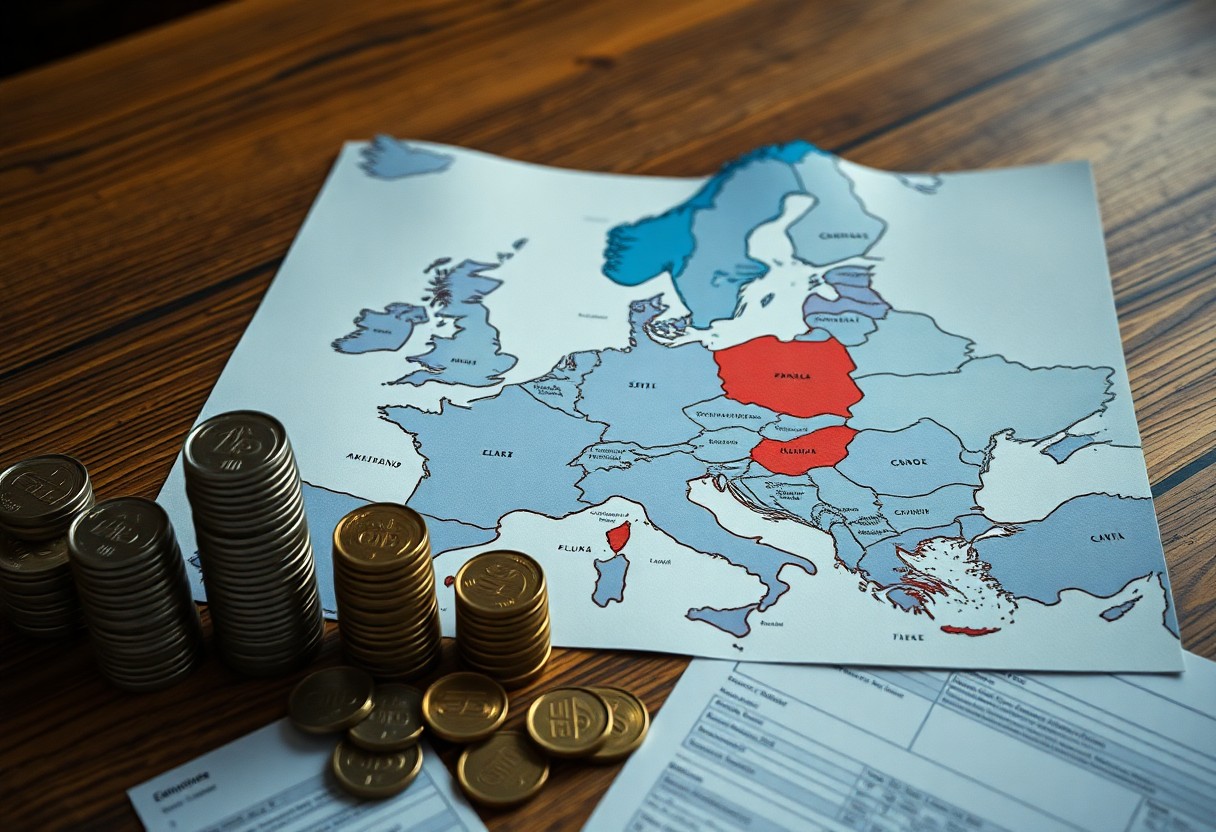
European gambling tax rates and licensing
European gambling tax rates differ by jurisdiction, product and licensing model, so headline comparisons require careful context. This guide separates general information from professional tax advice. The Malta Gaming Authority, relevant national tax authorities and related Malta Media analysis provide further context.
They conduct thorough research to understand the varying tax rates imposed on gambling operators across Europe. She analyzes the differences in taxation policies, highlighting the distinct approaches taken by each licensing jurisdiction. He notes that these tax rates significantly impact the industry, influencing operator profitability and consumer affordability. They aim to provide a comprehensive overview, enabling readers to grasp the complexities of European gambling taxation and its effects on the market….
Overview of European Licensing Jurisdictions
To understand the nuances of gambling tax rates across Europe, it is imperative to examine the various licensing jurisdictions that govern the industry. They have established distinct regulatory frameworks, which impact the way gambling operators conduct business within their borders. The European continent is home to a diverse range of jurisdictions, each with its unique set of rules and regulations. They have been developed to ensure a safe and fair environment for both operators and players, while also generating revenue for the respective governments. As a result, the European licensing jurisdictions have become a vital component of the continent's gambling landscape.










To probe deeper into the complexities of these jurisdictions, it is necessary to analyze their individual characteristics and requirements. They have been designed to promote responsible gambling practices, protect vulnerable individuals, and prevent illicit activities. By doing so, the jurisdictions have created a framework that allows for the coexistence of various gambling operators, ranging from small, local businesses to large, international corporations. They have also established mechanisms for resolving disputes, handling complaints, and enforcing regulations, which helps maintain the integrity of the industry as a whole.
Description of key jurisdictions
Typically, the key jurisdictions in Europe are categorized based on their regulatory approaches and licensing requirements. They include the likes of the United Kingdom, Malta, Gibraltar, and Alderney, among others. These jurisdictions have established themselves as major hubs for gambling operators, offering a range of benefits, including favorable tax rates, robust regulatory frameworks, and access to a vast market. They have also developed a reputation for being strict and vigilant, ensuring that operators comply with the highest standards of integrity and fairness. As a result, the key jurisdictions have become the go-to destinations for gambling operators seeking to establish a presence in the European market.
Similarly, other jurisdictions, such as Italy, Spain, and France, have implemented their own set of regulations, which are tailored to their specific needs and goals. They have introduced measures to control the market, protect players, and generate revenue for the government. By doing so, these jurisdictions have created a unique environment that caters to the demands of both local and international operators. They have also fostered a sense of cooperation and collaboration, allowing for the sharing of best practices and the development of common standards.
Licensing requirements and regulations
Against the backdrop of a rapidly evolving industry, the licensing requirements and regulations in European jurisdictions have become increasingly complex. They have been designed to address the challenges posed by new technologies, changing player behaviors, and emerging trends. As a result, the requirements and regulations have become more stringent, with a greater emphasis on player protection, anti-money laundering, and responsible gambling practices. They have also introduced stricter controls on advertising, marketing, and sponsorship, which has significant implications for operators seeking to promote their services.
Against this complex regulatory landscape, operators must navigate a multitude of rules and regulations, which can be time-consuming and costly. They must demonstrate their commitment to responsible gambling practices, ensure the integrity of their games and systems, and comply with the highest standards of transparency and accountability. By doing so, they can obtain the necessary licenses and permits to operate in the various European jurisdictions, which is imperative for accessing the vast and lucrative market.
Jurisdictions with well-established regulatory frameworks have seen significant growth in their gambling industries, with many operators seeking to obtain licenses and operate within these markets. They have implemented measures to ensure the integrity of the industry, protect players, and generate revenue for the government. As the industry continues to evolve, it is likely that the licensing requirements and regulations will become even more complex, with a greater emphasis on innovation, player protection, and responsible gambling practices. They will need to balance the need for regulation with the need for flexibility and adaptability, ensuring that the industry can continue to thrive and innovate in the years to come.
Tax Rates Across Jurisdictions
Even a cursory examination of Europe's licensing jurisdictions reveals significant variations in tax rates. These differences are a result of the unique regulatory frameworks and policies implemented by each country. The tax rates applicable to gambling operators can have a substantial impact on their profitability and, by extension, their ability to operate successfully within a given market. As such, a thorough understanding of these tax rates is imperative for operators looking to expand their presence across Europe.
The comparison of tax rates across different jurisdictions is a complex task, given the diverse nature of the regulatory environments. However, by analyzing the tax rates imposed by each jurisdiction, operators can make informed decisions about where to focus their efforts. Furthermore, this information can also be useful for policymakers, as it allows them to evaluate the competitiveness of their tax regimes and make adjustments as necessary.
Comparative analysis of tax rates
Behind the varying tax rates lies a complex web of regulatory frameworks and policies. The following table provides a comparison of tax rates across several European jurisdictions:
| Country | Tax Rate |
|---|---|
| United Kingdom | 15%-21% |
| Germany | 5%-20% |
| France | 6.8%-45% |
| Italy | 20%-47% |
Tax Rates in European Jurisdictions. They can use this information to determine which jurisdictions offer the most favorable tax environments.
Besides the tax rates themselves, the table also highlights the wide range of tax rates that exist across Europe. This diversity reflects the different approaches that countries have taken to regulating the gambling industry, with some opting for a more permissive environment and others taking a more restrictive stance. He notes that these differences can have significant implications for operators, who must carefully consider the tax implications of operating in a given jurisdiction.
Factors influencing tax rates
Before delving into the specifics of tax rates, it is helpful to consider the factors that influence them. These factors include:
- the type of gambling activity being taxed
- the revenue generated by the activity
- the regulatory environment in which the activity takes place
After analyzing these factors, they can gain a deeper understanding of the tax rates imposed by each jurisdiction.
Prior to making any decisions, they should carefully evaluate the tax rates and regulatory environments in different jurisdictions. Considering the potential impact of tax rates on their operations, they can make informed decisions about where to focus their efforts. They should also be aware of any changes to tax rates or regulatory environments, as these can have significant implications for their business.
- the level of taxation imposed on gambling operators
- the complexity of the tax regime
- the level of regulatory oversight
After considering these factors, they can determine which jurisdictions offer the most favorable tax environments for their operations.
Considering the complexities of the tax rates and regulatory environments, they should approach the issue with caution. They can use the information provided to make informed decisions about their operations and to navigate the complex web of tax regimes that exist across Europe.
- the type of tax imposed
- the tax rate
- the regulatory environment
After evaluating these factors, they can develop a strategy that takes into account the tax rates and regulatory environments in different jurisdictions.
Country-Specific Tax Rates
The taxation of gambling activities varies significantly across European countries, with each jurisdiction having its own set of rules and regulations. They have implemented different tax rates and structures to regulate the industry and generate revenue. The tax rates applicable to gambling operators in Europe range from a few percent to over 50% of their gross gaming revenue. He notes that these rates can be influenced by various factors, including the type of game, the mode of operation, and the target market. She observes that understanding these tax rates is necessary for operators looking to expand their business into new markets.
The complexity of the tax landscape in Europe can be challenging for operators to navigate, and they often require specialized guidance to ensure compliance with the relevant laws and regulations. They must consider the tax implications of their operations in each jurisdiction, including the tax rates, payment terms, and any applicable exemptions or deductions. He highlights that a thorough understanding of the tax rules and regulations in each country is vital to avoid penalties, fines, or even license revocation.
Tax rates in major European countries
Generally, the tax rates in major European countries are relatively high, with some jurisdictions imposing taxes of up to 50% on gross gaming revenue. One of the highest tax rates can be found in Portugal, where online gambling operators are subject to a tax rate of between 15% and 30% of their gross gaming revenue. They note that this rate applies to all types of online gambling, including sports betting, casino games, and poker. Similarly, in Germany, the tax rate for online gambling is 5% of the stake, which can result in an effective tax rate of over 20% of gross gaming revenue.
One notable example of a country with a relatively low tax rate is Malta, where online gambling operators are subject to a tax rate of 0.5% to 5% of their gross gaming revenue. They observe that this low tax rate, combined with a favorable business environment, has made Malta a popular jurisdiction for online gambling operators. He notes that other countries, such as the UK and France, have tax rates ranging from 15% to 50% of gross gaming revenue, depending on the type of game and the mode of operation.
Notable exceptions and special cases
At the same time, there are several notable exceptions and special cases in Europe, where the tax rates and regulations differ significantly from those in other jurisdictions. They include countries with highly favorable tax environments, such as Gibraltar and Isle of Man, which offer tax rates of 1% to 5% of gross gaming revenue. At present, these jurisdictions are popular among online gambling operators due to their low tax rates and business-friendly environments. He highlights that these exceptions can have a significant impact on the overall tax burden of operators and can influence their decision when choosing a jurisdiction to operate in.
And furthermore, some countries have special cases and exemptions that can reduce the tax burden on operators. And in some cases, operators may be eligible for tax exemptions or reductions if they meet specific criteria, such as investing in responsible gaming initiatives or contributing to the local community. And he notes that these exemptions can provide operators with a competitive advantage and help them to reduce their tax liability, and they can also have a positive impact on the local community and the gaming industry as a whole.
Impact of Tax Rates on the Gambling Industry
For the gambling industry, tax rates play a significant role in determining the profitability and sustainability of operations. They analyze the tax rates imposed by various European jurisdictions and adjust their strategies accordingly. The tax rates can influence the revenue generated by the industry, and they have a profound impact on the overall growth and development of the sector. The industry is subject to various tax rates, ranging from a few percent to over 50% in some jurisdictions, which affects their bottom line. They must navigate these complex tax landscapes to remain competitive and compliant.
They consider the tax rates when deciding where to operate and how to structure their businesses. The tax rates can affect the industry's ability to invest in new technologies, hire staff, and expand their operations. Moreover, the tax rates can influence the industry's reputation and social responsibility initiatives, as high tax rates can limit the funds available for responsible gaming measures. The industry is constantly monitoring the tax rates and advocating for fair and reasonable tax regimes that balance the needs of governments with the needs of the industry.
Effects on operators and revenue
Rates of tax on gambling operators can significantly impact their revenue and profitability. They can adjust their pricing and product offerings to mitigate the effects of high tax rates, but this can also affect their competitiveness. The industry is sensitive to tax rates, and even small changes can have a significant impact on their operations. They must carefully consider the tax rates when entering new markets or expanding their existing operations. The tax rates can also affect the industry's ability to offer competitive bonuses and promotions, which can impact player acquisition and retention.
Raising tax rates can lead to a decrease in revenue for operators, as players may be deterred by higher costs. They may also be forced to reduce their investment in marketing and advertising, which can further reduce revenue. The industry is subject to a range of tax rates, and they must be able to adapt to these changes to remain competitive. They are constantly seeking ways to minimize the impact of tax rates on their operations and to maximize their revenue.
Consequences for players and the economy
Among the most significant consequences of tax rates on the gambling industry is the impact on players. They can be affected by high tax rates, which can lead to higher costs and reduced bonuses and promotions. The industry's tax rates can also have a broader impact on the economy, as they can influence employment and investment in the sector. They can also affect the government's revenue, as high tax rates can lead to a decrease in revenue from the industry. The industry is an important contributor to the economy, and the tax rates can have a significant impact on its ability to contribute to the economy.
Plus, the tax rates can also affect the industry's ability to provide funding for socially responsible initiatives, such as responsible gaming programs and problem gambling support services. They can also impact the industry's ability to invest in research and development, which can lead to innovative products and services. The industry is committed to providing a safe and responsible gaming environment, and the tax rates can affect their ability to achieve this goal. They are working to ensure that the tax rates are fair and reasonable, and that they can continue to provide a high level of service to their customers.
Regulatory Environment and Taxation
Your understanding of the regulatory environment and taxation in European licensing jurisdictions is necessary for navigating the complexities of the gambling industry. They have implemented various regulatory frameworks to ensure fair play, protect consumers, and generate revenue. He notes that these frameworks often involve licensing requirements, technical standards, and tax obligations. She observes that the regulatory environment can significantly impact the taxation of gambling operations, as different jurisdictions impose varying tax rates and structures. They point out that a thorough understanding of these regulations is vital for operators to maintain compliance and minimize potential risks.
The regulatory environment in European licensing jurisdictions is characterized by a mix of national and EU-level regulations. They have established bodies such as the European Gaming and Betting Association (EGBA) to promote responsible gaming practices and advocate for a consistent regulatory framework. He emphasizes that the EU's regulatory framework provides a foundation for national regulations, while allowing member states to implement their own specific rules and tax rates. She highlights that this framework has led to a diverse range of taxation models, ranging from revenue-based taxes to turnover-based taxes, with varying rates and exemptions.
Relationship between regulation and taxation
For instance, the relationship between regulation and taxation in European licensing jurisdictions is deeply intertwined. They have implemented regulations that directly impact tax revenues, such as licensing fees, taxes on gross gaming revenue, and value-added taxes. He notes that these regulations can influence the tax burden on operators, affecting their profitability and competitiveness. She observes that, in turn, tax revenues can shape regulatory policies, as governments seek to balance revenue generation with the need to protect consumers and maintain a level playing field.
For the most part, the regulatory environment in European licensing jurisdictions is designed to ensure a fair and transparent tax system. They have established clear guidelines and procedures for tax compliance, including reporting requirements and auditing procedures. He emphasizes that operators must navigate these regulations carefully to avoid non-compliance and potential penalties. She points out that regulatory bodies, such as the Malta Gaming Authority, have implemented measures to prevent tax evasion and ensure that operators contribute to the public purse.
Emerging trends and future developments
An examination of emerging trends and future developments in European licensing jurisdictions reveals a shift towards greater regulatory convergence. They are adopting more consistent and harmonized approaches to regulation and taxation, driven by EU-level initiatives and international cooperation. He notes that this trend is likely to continue, with a focus on enhancing consumer protection, preventing money laundering, and ensuring fair competition. She highlights that the growth of online gambling and new technologies, such as blockchain and artificial intelligence, will also shape the regulatory and tax landscape in the coming years.
An analysis of the current regulatory environment suggests that European licensing jurisdictions will continue to evolve and adapt to new challenges and opportunities. They are exploring innovative regulatory approaches, such as sandbox environments and regulatory sandboxes, to foster innovation and experimentation. He emphasizes that these developments will require operators to be agile and responsive to changing regulatory requirements, while maintaining a commitment to responsible gaming practices and tax compliance.
Further examination of emerging trends and future developments reveals that the regulatory environment in European licensing jurisdictions will be shaped by a range of factors, including technological innovation, changing consumer behavior, and shifting public policy priorities. They will need to balance the need for revenue generation with the need to protect consumers and maintain a level playing field, while also addressing concerns around problem gambling, money laundering, and terrorist financing. He notes that as the industry continues to evolve, it is likely that we will see greater convergence of regulatory approaches, with a focus on enhancing consumer protection, preventing harm, and ensuring fair competition. She points out that this will require ongoing collaboration and cooperation between regulators, operators, and other stakeholders to ensure that the regulatory environment remains effective, efficient, and proportionate to the risks and challenges posed by the gambling industry.
Regional Variations and Exceptions
Now that the general framework of gambling tax rates across Europe's licensing jurisdictions has been established, it is imperative to examine the regional variations and exceptions that exist. They vary significantly, reflecting the diverse regulatory approaches and economic conditions of different countries. The European continent is home to a multitude of licensing jurisdictions, each with its unique set of rules and tax rates. He notes that understanding these variations is vital for operators seeking to navigate the complex landscape of European gambling regulations.
They are aware that regional variations can have a significant impact on the profitability of gambling operations. She suggests that operators must carefully consider these factors when deciding where to establish their operations. The differences in tax rates and regulatory requirements can be substantial, and they can affect the bottom line of gambling businesses. He emphasizes the importance of thorough research and planning to ensure compliance with local regulations and to optimize tax liabilities.
Differences in tax rates across regions
Between the various regions, tax rates can differ significantly, ranging from a few percent to over 50% of gross gaming revenue. They observe that these differences are often a result of the specific economic and social conditions of each country. For instance, some jurisdictions impose higher tax rates to generate revenue for public services, while others opt for lower rates to attract more operators and stimulate economic growth. He points out that operators must carefully evaluate these factors when selecting a licensing jurisdiction.
They note that the differences in tax rates can also be influenced by the type of gambling activity. She explains that some jurisdictions impose different tax rates for different types of games, such as slots, poker, or sports betting. He adds that operators must be aware of these nuances to ensure they are in compliance with local regulations and to minimize their tax liabilities.
Special considerations for specific regions
About certain regions, there are special considerations that operators must take into account. They are aware that some jurisdictions have specific regulations or tax rates that apply to particular types of operators or games. She notes that, for example, some countries have introduced special tax regimes for online gaming operators, while others have established specific regulations for land-based casinos. He emphasizes the importance of understanding these special considerations to avoid non-compliance and potential penalties.
With regard to special considerations for specific regions, operators must also be aware of the potential for changes in regulations or tax rates. They note that jurisdictions often review and update their regulations to reflect changing market conditions or social attitudes. She suggests that operators must stay informed about these developments to ensure they can adapt their operations accordingly. He advises operators to work closely with local experts and regulatory bodies to ensure they are always up-to-date with the latest developments and requirements.
Final Words
Conclusively, they have analyzed the various gambling tax rates across Europe's licensing jurisdictions, and the findings suggest that each jurisdiction has its unique approach to taxation. He has identified that some countries, such as Malta and Gibraltar, offer relatively low tax rates to attract online gaming operators, while others, like the UK and Spain, impose higher tax rates to generate significant revenue. She has also observed that the tax rates can vary depending on the type of game, with some jurisdictions taxing lottery and sports betting differently than casino games. They have noted that these differences in tax rates can significantly impact the profitability of online gaming operators and their decision to operate in a particular jurisdiction.
They have concluded that understanding the gambling tax rates across Europe's licensing jurisdictions is important for online gaming operators to make informed decisions about their business strategy. He has emphasized that operators must carefully consider the tax implications of operating in a particular jurisdiction and weigh the benefits of lower tax rates against other factors, such as regulatory requirements and market demand. She has also highlighted the importance of monitoring changes in tax rates and regulations, as they can have a significant impact on the online gaming industry. By doing so, they can navigate the complex landscape of European gambling taxation and ensure compliance with the relevant laws and regulations, ultimately contributing to the growth and development of the online gaming industry in Europe.
FAQs
What are European gambling tax rates?
European gambling tax rates vary significantly between countries. They can range from as low as 0.5% in Malta to over 50% in some countries like France and Italy, depending on the jurisdiction and type of gambling activity.
Which European jurisdictions have the lowest gambling tax rates?
Jurisdictions like Malta, Gibraltar, and the Isle of Man offer some of the lowest gambling tax rates, ranging from 1% to 5% of gross gaming revenue.
How do tax rates impact gambling operators?
Tax rates significantly impact gambling operators’ profitability and operations. Higher tax rates can reduce revenue, while lower tax rates can attract more operators to a jurisdiction.
What is the relationship between regulation and taxation in European gambling?
The regulatory environment in European jurisdictions directly affects taxation policies, with licensing fees, taxes on gaming revenue, and value-added taxes shaping the operators' tax obligations.
How do licensing requirements differ across European jurisdictions?
Each jurisdiction has its unique licensing framework designed to promote responsible gambling, protect consumers, and generate government revenue. Some countries have strict requirements, while others are more lenient.
What factors influence gambling tax rates in Europe?
Tax rates are influenced by factors such as the type of gambling activity, revenue generated, the regulatory environment, and the level of oversight imposed by the jurisdiction.
Which countries in Europe have the highest gambling tax rates?
Countries like France and Italy have some of the highest gambling tax rates, with rates ranging from 20% to 50% on gross gaming revenue.
What are some notable exceptions in gambling tax rates?
Gibraltar and the Isle of Man are exceptions, offering extremely low tax rates of 1% to 5%, making them attractive locations for gambling operators.
How do tax rates affect the gambling industry and players?
High tax rates can increase operational costs for operators and reduce bonuses for players, affecting their overall gaming experience and the industry's growth.
What are the emerging trends in European gambling regulation?
There is a trend towards regulatory convergence, with greater harmonization of tax policies and regulations, driven by EU-level initiatives and the adoption of new technologies such as blockchain and AI.

Michael Schmitt
Michael Schmitt is the founder of TRIDER.UK and Editor of Malta Media. He writes about iGaming, gambling regulation, corporate structures, financial services and market integrity, combining investigative journalism with nearly three decades of experience in corporate services and international business.
Related Posts


1xBet at SBC Summit Lisbon: Why Face-to-Face Still Matters for iGaming
September 28, 2026

Germany’s gambling blocking system struggles with obvious targets
September 19, 2026
Gambling Commission reports growth across Great Britain’s gambling market
September 18, 2026

Stake blocks Irish access as GRAI steps up unlicensed betting enforcement
September 14, 2026

Grupo Codere delivers stronger Q2 as online growth drives profitability
September 12, 2026

GGL gambling enforcement raises questions over licence transparency
September 7, 2026