Payment routing that respects national bans and blocks
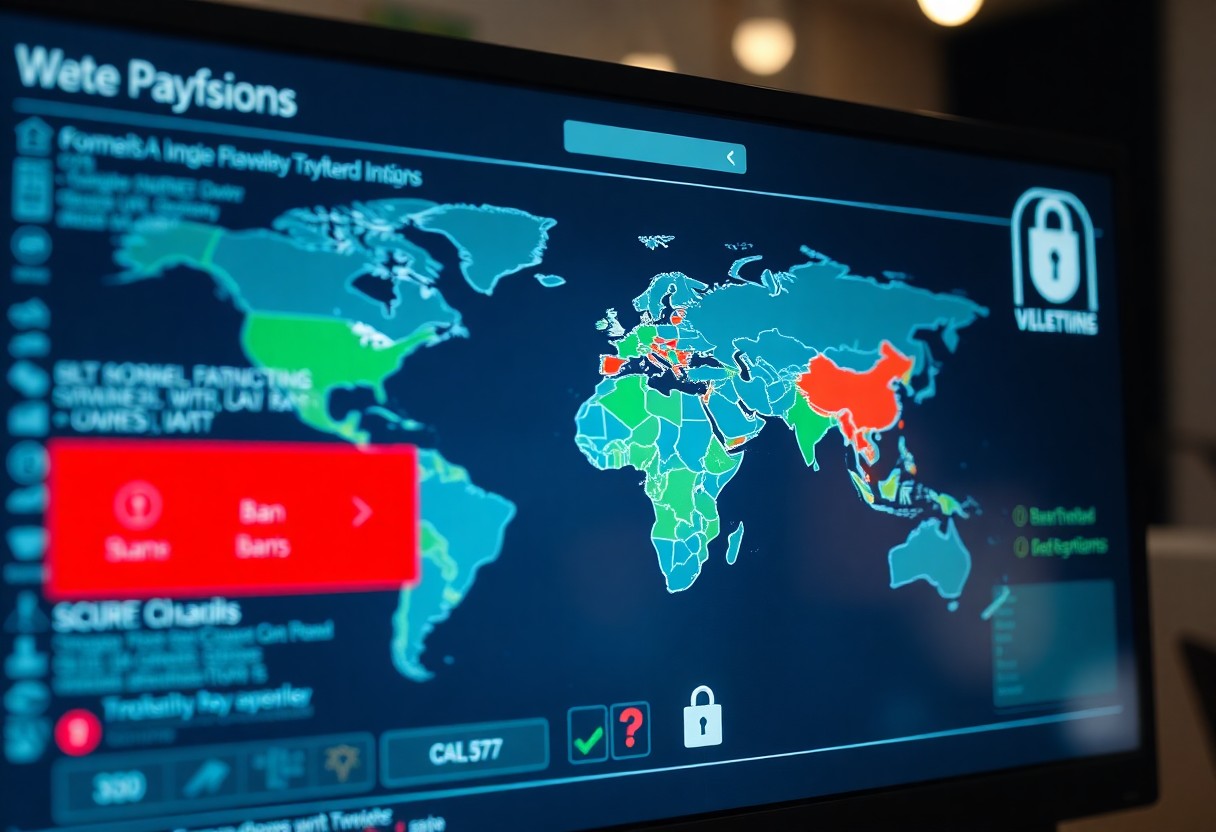
It's crucial for businesses operating internationally to understand and implement payment routing strategies that adhere to national bans and blocks. With varying regulations across countries, improper handling of payment transactions can lead to significant legal repercussions and financial losses. This blog post explores effective methods for ensuring compliance while maintaining seamless payment processing, enabling organizations to navigate the complexities of global commerce responsibly.
Key Takeaways:
- Payment routing must comply with national regulations to avoid legal penalties.
- Implementation of geo-blocking technologies can help manage transactions effectively across borders.
- Regular updates on national bans and blocks are crucial for maintaining service reliability.
Understanding Payment Routing
Definition of Payment Routing
Payment routing refers to the process of directing a financial transaction through a series of pathways, ensuring that funds reach their intended destination securely and efficiently. This involves selecting the optimal network based on various parameters, such as cost, speed, and compliance with legal requirements.
Importance of Payment Routing in Financial Transactions
Effective payment routing enhances transaction efficiency, reduces costs, and ensures compliance with regulatory standards. It allows businesses to navigate complex multi-jurisdictional landscapes while minimizing the risk of fraud and errors, ultimately improving customer experiences.










In today's interconnected economy, payment routing plays a vital role in streamlining cross-border transactions. Businesses can save up to 3% on transaction fees by utilizing specialized payment routing providers. For example, a company that operates in both Europe and Asia can leverage local payment gateways to optimize transaction costs while adhering to local regulations, thereby enhancing customer trust and satisfaction.
Overview of Global Payment Networks
Global payment networks consist of interconnected systems facilitating the seamless transfer of funds between individuals and businesses across different regions. Key players in this landscape include Visa, MasterCard, and various digital wallet providers, which offer various services to accommodate diverse transaction needs.
With the rise of e-commerce, global payment networks have expanded rapidly, processing over 65 billion transactions in 2021 alone. These networks not only facilitate traditional credit and debit card transactions but also support cryptocurrencies and other alternative payment methods, reflecting the dynamic nature of modern trade. Such flexibility enables businesses to reach broader markets and cater to diverse consumer preferences, ultimately driving growth.
National Bans and Blocks
Definition of National Bans and Blocks
National bans and blocks refer to regulations that prohibit or restrict certain financial transactions within a country. These measures can stem from various political, economic, or security concerns, affecting cross-border payment pathways and limiting market access for foreign businesses.
Reasons Behind National Bans and Blocks
Governments impose national bans and blocks for various reasons, including national security, economic sanctions, and protection of local industries. By restricting foreign financial activities, countries aim to combat illegal transactions, support domestic markets, and assert control over their economic environments.
For instance, the U.S. has implemented sanctions against specific countries to deter funding for terrorism and human rights abuses. Furthermore, protecting local economies from foreign competition is often a driving factor, as seen in countries that limit foreign investment in strategic sectors. These regulations can also arise from geopolitical tensions, where the enforcement of bans reflects broader diplomatic relations.
Impact of Bans on Payment Processing
National bans and blocks significantly complicate payment processing for businesses. Companies face not only the challenge of compliance with local laws but also disruptions in transaction flows, increased costs, and the need for alternative payment solutions.
For example, businesses utilizing conventional payment methods may find their transactions declined or delayed due to restrictions, forcing them to seek more innovative solutions. The reliance on peer-to-peer payment platforms or cryptocurrency has seen a rise in these scenarios to bypass traditional banking channels, highlighting the adaptive nature of the industry amidst regulatory constraints.
Compliance and Regulatory Framework
Compliance Requirements for Payment Processors
Payment processors must adhere to various compliance requirements to ensure legal operation within different jurisdictions. These include Know Your Customer (KYC) regulations, Anti-Money Laundering (AML) protocols, and adherence to Payment Card Industry Data Security Standards (PCI DSS). Failure to meet these obligations can result in significant penalties and operational challenges.
Regulatory Bodies Involved in Payment Routing
Several regulatory bodies oversee payment routing compliance, including the Financial Action Task Force (FATF), the Central Banks of individual nations, and international financial regulatory organizations. Each entity plays a role in setting standards and ensuring that payment processing adheres to both global and local regulations.
The FATF, for instance, sets standards to combat money laundering and terrorist financing, influencing policies worldwide. Meanwhile, national central banks enforce regulations tailored to their economies, which can include restrictions on cross-border transactions or mandates for transaction monitoring. These bodies collaborate to maintain financial integrity and security across borders.
Consequences of Non-Compliance
Non-compliance with regulatory standards can lead to severe repercussions for payment processors, including hefty fines, restrictions on operations, and even criminal charges. Entities may also experience reputational damage that can undermine customer trust and partnerships.
For example, in 2020, a prominent payment processor faced a $110 million fine for failing to comply with AML regulations. This incident not only affected its finances but also strained relations with banks and consumers. Consistent non-compliance can result in the revocation of licenses, further limiting the processor's ability to operate effectively in the market.
Strategies for Respecting National Bans
Geolocation Technology in Payment Routing
Geolocation technology allows payment processors to determine the geographic location of users, ensuring that transactions comply with regional regulations. By analyzing the IP addresses or GPS data of users, companies can either permit or block payments based on the user's location. This provides a layer of security that aligns with national laws, reducing the risk of facilitating prohibited activities.
User Verification and Identification
Implementing robust user verification processes strengthens compliance with national bans. By requiring documentation such as government-issued IDs or biometric data, payment platforms can accurately identify users and confirm their residency, diminishing the chances of unauthorized transactions across borders.
Furthermore, layering verification methods—such as combining knowledge-based questions with two-factor authentication—enhances security. For example, financial institutions may require a user to enter codes sent to their mobile device while simultaneously validating personal information. This multifaceted approach is crucial in maintaining trust and adhering to legal frameworks and obligations across different jurisdictions.
Multi-currency and Regional Payment Solutions
Utilizing multi-currency and regional payment solutions ensures that transactions align with local regulations and currency restrictions. By integrating payment gateways that accommodate local currencies, businesses can reduce friction in the customer experience while maintaining compliance with national bans.
Companies like PayPal and Stripe exemplify effective strategies by offering localized payment options that cater to both merchants and consumers. This not only reduces the risk of facing penalties but also enhances acceptance rates, driving more successful transactions in regions where specific currencies are mandated. Adopting these solutions is crucial for any business aiming to navigate the complexities of international payment routing effectively.
Case Studies
- Case Study 1: A European fintech company successfully integrated a payment routing system that adhered to GDPR regulations, resulting in a 30% increase in user retention due to improved trust and security.
- Case Study 2: An Asian e-commerce platform faced a national block on cryptocurrency transactions. They rerouted payments through compliant fiat options, leading to a 15% growth in transaction volume within three months.
- Case Study 3: A North American remittance service implemented a localized payment method in regions with national bans, maintaining a compliance rate of 95%, which drove a 50% increase in new user sign-ups.
- Case Study 4: A multinational corporation had to halt payment services in a region due to regulatory changes, resulting in a 12% decline in overall revenue until a compliant alternative was found.
Successful Implementation of Compliant Payment Systems
Several organizations have navigated complex regulatory landscapes effectively by adopting compliant payment systems tailored to specific regional requirements. By leveraging local payment methods and streamlining processes, these systems often lead to significant revenue boosts and enhanced customer trust.
Failures and Lessons Learned
Many businesses have encountered pitfalls in payment routing, often leading to costly regulatory breaches. Misunderstanding local laws or relying on outdated payment methods resulted in severe penalties and operational disruptions.
For instance, a well-known global payment provider neglected to comply with specific regional requirements in Asia, incurring fines amounting to $5 million and losing a market share of 20%. This highlighted the importance of continuous education about varying regulations, investing in local partnerships, and adapting swiftly to changes in national policies.
Comparative Analysis of Different National Approaches
National Approaches to Payment Routing
| Country | Regulatory Approach |
|---|---|
| United States | Decentralized, state-specific regulations |
| European Union | Unified regulations through PSD2 |
| China | Strict national controls and favored state-owned entities |
| India | Regulatory clarity with a focus on digital payments |
The contrasting strategies among nations significantly affect payment routing practices. While the U.S. operates under a decentralized regulatory model, the EU promotes unified compliance, which greatly influences how businesses establish their systems. Understanding these differences is vital for companies looking to optimize their payment solutions in specific markets.
Technological Innovations in Payment Routing
Role of Blockchain Technology
Blockchain technology has emerged as a game-changer in payment routing, offering unparalleled transparency and security. By facilitating peer-to-peer transactions without intermediaries, blockchain can reduce costs and streamline compliance with national bans and blocks. The immutable nature of blockchain records also enhances transaction tracking, making it easier for companies to navigate complex regulatory environments.
AI and Machine Learning in Compliance
AI and machine learning are integral to enhancing compliance in payment routing. These technologies analyze vast datasets to identify patterns and preemptively flag transactions that may violate national bans or regulations. This proactive approach not only mitigates risks αλλά also increases operational efficiency in navigating compliance landscapes.
Leveraging AI and machine learning allows organizations to automate compliance checks in real-time, significantly reducing manual oversight and human error. For instance, financial institutions can use algorithms trained on historical transaction data to discern normal versus suspicious activity. This capability enables them to adapt quickly to evolving regulatory requirements while maintaining robustness in their payment routing processes.
Future Trends in Payment Routing Technologies
The future of payment routing technologies will likely focus on enhanced interoperability and real-time processing capabilities. Emerging standards and frameworks aim to unify disparate payment ecosystems, allowing for seamless routing across borders, regardless of regulatory differences. Innovations such as digital currencies and decentralized finance (DeFi) are also expected to shape the landscape significantly.
As payment routing technologies evolve, the integration of quantum computing may offer next-level computational power, allowing for more complex transaction analyses and faster processing times. Additionally, regulatory technologies (RegTech) will continue to evolve, helping businesses automatically adapt to emerging legal landscapes and ensuring compliance without extensive manual intervention. This synergy could lead to a more resilient and adaptive payment routing framework that respects national regulations while promoting efficiency.
Final Words
With this in mind, implementing payment routing that adheres to national bans and blocks is necessary for maintaining compliance and fostering trust within the financial ecosystem. By prioritizing legal regulations and geographic restrictions, businesses can optimize transaction flows while minimizing the risk of penalties and disruptions. As digital commerce continues to expand globally, establishing robust payment routing strategies that are both adaptive and compliant will enable organizations to enhance their operational efficiency and strengthen their reputation in the market.
FAQ
Q: What is payment routing that respects national bans and blocks?
A: Payment routing that respects national bans and blocks involves directing financial transactions in a manner that complies with specific legal restrictions imposed by different countries. This ensures that payments are not processed through countries or regions where they are prohibited.
Q: How do payment service providers ensure compliance with national bans?
A: Payment service providers use advanced algorithms and geolocation technology to assess the origin and destination of transactions. They maintain updated databases of countries with bans and apply these regulations to prevent unauthorized processing.
Q: What are the challenges of implementing compliant payment routing?
A: Challenges include maintaining up-to-date knowledge of changing laws in multiple jurisdictions, integrating compliance checks into payment systems, and balancing the need for transaction speed with regulatory requirements.
Q: Can businesses operate internationally while respecting payment bans?
A: Yes, businesses can operate internationally by choosing payment providers that specialize in compliance. These providers can help navigate complex regulations and establish payment routes that adhere to national laws.
Q: What are the consequences of non-compliance with payment routing regulations?
A: Non-compliance can lead to legal penalties, including fines and restrictions on business operations. It can also damage a company's reputation and result in loss of access to necessary payment processing services.

Anna Amstill
I am an avid Blogger and Writer with more than 6 years of experience with Content Writing. An Online Marketing expert specializing in Blog writing, Article writing, Website content, SEO specific Keyword content and much more. Education B.A. - business management, York University, Canada, Graduated 2016.
Related Posts

Pay.io launches crypto payment gateway for B2B iGaming operators worldwide
September 24, 2026

MERKUR Casino UK appoints Dan Whitlam to strengthen compliance leadership
September 22, 2026
OKTO Payments announces direct Yape integration for digital businesses
September 7, 2026