
















Digitain secures South African National Manufacturer Licence to expand operations
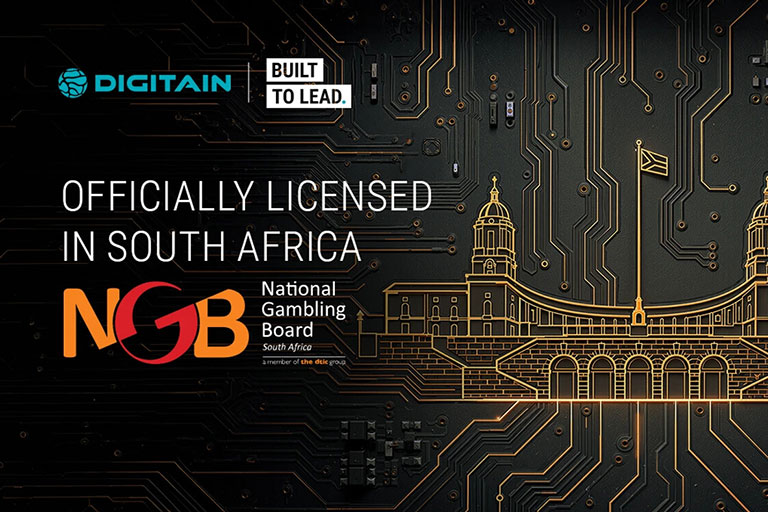
Digitain has secured a South African National Manufacturer Licence, marking another important step in the company's international growth strategy. The approval allows the leading iGaming technology provider to strengthen its presence in one of Africa's most established regulated gambling markets while opening the door for commercial discussions with licensed operators across the country.
The latest regulatory approval reflects Digitain's continued focus on operating within licensed jurisdictions and demonstrates its long-term commitment to compliance, responsible business practices and sustainable growth. As more jurisdictions introduce stricter licensing requirements and regulatory oversight, obtaining recognised approvals has become increasingly important for technology providers seeking to expand internationally.
The South African National Manufacturer Licence represents another significant milestone in Digitain's regulatory journey and reinforces the company's strategy of delivering certified technology solutions in regulated markets worldwide.







Licence supports expansion into South Africa
South Africa has become one of Africa's most significant regulated gambling markets with established licensing frameworks across several provinces and national regulatory requirements for gaming manufacturers and suppliers. As demand for modern sportsbook and casino technology continues to increase, suppliers with recognised regulatory approvals are well positioned to develop partnerships with licensed operators.
With the National Manufacturer Licence now secured, Digitain can formally engage in commercial discussions with prospective partners operating within South Africa's regulated gaming sector. The approval also strengthens confidence among operators seeking technology partners that meet recognised compliance and regulatory standards.
The licence aligns with Digitain's broader international expansion strategy, which has seen the company continue growing across Europe, Latin America Africa and other regulated jurisdictions. Rather than focusing solely on market expansion, the company has consistently prioritised obtaining the necessary licences and certifications before entering new territories.
This approach reflects the changing regulatory landscape of the global gaming industry where compliance has become one of the most important factors for long-term business success.
Regulatory compliance remains a strategic priority
For technology suppliers serving licensed gaming operators, regulatory approval extends beyond a legal requirement. It also demonstrates an organisation's ability to meet technical standards security requirements operational procedures and responsible gambling expectations established by regulators.
Digitain has continued investing in regulatory compliance as part of its long-term corporate strategy. By obtaining licences in regulated markets, the company strengthens its reputation among operators looking for reliable technology partners capable of supporting fully compliant gaming operations.
Arshak Muradyan, Group Chief Compliance Officer at Digitain, said:
“Receiving our National Manufacturer Licence in South Africa is another significant milestone in Digitain’s regulatory journey. Entering regulated markets has always been a key priority for us and this milestone demonstrates our ongoing commitment to compliance, operational excellence and responsible business practices.
“South Africa is an important and fast-growing market and we look forward to building strong partnerships while delivering trusted, market-leading technology to licensed operators.”
The comments underline Digitain's objective of combining regulatory compliance with technology innovation while supporting operators in competitive licensed markets.
Growing demand for regulated gaming technology
The global iGaming industry continues to experience steady regulatory development as governments seek to improve consumer protection market integrity and tax collection through licensed gambling frameworks.
This trend has increased demand for certified technology providers capable of supplying compliant sportsbook casino platform and gaming management solutions. Operators entering regulated markets often prefer working with suppliers that already possess recognised licences and proven regulatory experience.
Digitain has positioned itself within this environment by expanding its portfolio while simultaneously increasing its regulatory footprint. The South African licence further strengthens that strategy and provides additional opportunities to support local operators seeking advanced gaming technology.
For African markets in particular regulatory certainty has become increasingly valuable as more jurisdictions modernise their gambling legislation and establish clearer licensing requirements.
Technology portfolio strengthens market position
Digitain has built its reputation by offering a comprehensive range of technology solutions for licensed operators around the world. Its portfolio extends beyond sportsbook technology and includes complete platform services designed to support both online and retail gaming operations.
Among its flagship offerings is the company's award-winning sportsbook, which provides extensive sports coverage, betting markets real-time trading capabilities and risk management tools.
Digitain also offers the Centrivo iGaming platform, an integrated solution that enables operators to manage player accounts payments content management customer engagement and operational reporting through a unified system.
In addition, the company's wider gaming ecosystem includes casino aggregation payment integrations bonus management customer relationship management tools analytics solutions and various engagement features designed to help operators improve customer experiences while maintaining regulatory compliance.
The availability of a complete technology ecosystem allows operators to work with a single provider for multiple operational requirements while simplifying platform management and regulatory reporting.
Investment in the African market continues
Africa remains one of the most dynamic emerging regions within the global gaming industry. Increasing internet access smartphone adoption digital payment infrastructure and growing consumer interest in sports betting continue supporting market expansion across numerous countries.
South Africa has long been regarded as one of the continent's most mature regulated gaming environments making it an attractive destination for international technology providers seeking sustainable long-term growth.
Digitain has indicated that it intends to continue investing in local partnerships market expertise and technology development throughout the region. Such investment can help ensure that products are adapted to local regulatory requirements while meeting the operational needs of licensed operators.
Building relationships with regional businesses also allows technology suppliers to better understand local consumer preferences regulatory expectations and market conditions.
Importance of compliance in modern iGaming
Compliance has become a defining characteristic of successful technology providers operating within today's gaming industry. Regulators increasingly expect suppliers to demonstrate robust security measures transparent operational processes technical integrity and responsible gambling capabilities.
For operators selecting technology partners regulatory credentials often play an important role alongside product quality scalability customer support and platform functionality.
By securing recognised approvals such as the South African National Manufacturer Licence, Digitain strengthens its ability to compete in regulated jurisdictions where licensing standards continue to evolve.
As governments introduce additional oversight and licensing frameworks across international markets, suppliers that proactively invest in compliance are likely to remain well positioned for future expansion opportunities.
Conclusion
Digitain's acquisition of the South African National Manufacturer Licence represents another important achievement in the company's international growth strategy. Beyond enabling commercial discussions with licensed operators, the approval demonstrates the company's continuing commitment to regulatory compliance operational excellence and responsible business practices.
South Africa offers significant opportunities for technology providers serving licensed gaming operators and the new licence provides Digitain with a strong foundation for future expansion within one of Africa's leading regulated markets. Supported by its award-winning sportsbook, Centrivo iGaming platform and broad portfolio of gaming technologies, the company continues strengthening its presence across regulated jurisdictions while investing in long-term partnerships and sustainable growth throughout the African region.
FAQs
What is Digitain?
Digitain is an international iGaming technology provider that offers sportsbook solutions, casino platforms, payment integrations and gaming software for licensed operators.
What does the South African National Manufacturer Licence allow Digitain to do?
The licence enables Digitain to engage in commercial discussions and provide approved gaming technology to licensed operators within South Africa's regulated market.
Why is this licence important?
The approval strengthens Digitain's regulatory credentials and supports its strategy of expanding into regulated gaming markets while maintaining compliance with local requirements.
Who announced the significance of the new licence?
Arshak Muradyan, Group Chief Compliance Officer at Digitain, commented on the importance of the licence and the company's commitment to regulated markets.
What products does Digitain provide?
Digitain offers an award-winning sportsbook, the Centrivo iGaming platform, casino aggregation, payment solutions, CRM tools, bonus management systems and other gaming technologies.
Why is South Africa an attractive gaming market?
South Africa has one of Africa's most established regulated gambling sectors with a mature licensing framework and growing demand for advanced gaming technology.
How does regulatory compliance benefit gaming operators?
Working with licensed technology providers helps operators meet legal requirements while supporting secure operations responsible gambling and regulatory reporting.
What is the Centrivo iGaming platform?
Centrivo is Digitain's integrated gaming management platform that combines player management payments reporting content management and operational tools.
Does Digitain continue expanding internationally?
Yes. The company continues pursuing licences and regulatory approvals across multiple jurisdictions as part of its global expansion strategy.
How does this licence support Digitain's future growth?
The approval creates opportunities to establish partnerships with licensed operators in South Africa while reinforcing the company's reputation as a compliant technology provider.

Paula Nancy
Hello and Welcome to my profile. I'm a UK based entrenched full-time Blogger, Journalist, columnist and a certified writer with many years of sound writing experience. If you need a high-quality and original content, I'm here to provide you with the best writing services.
Related Posts

PopOK Gaming Launches Prag by PopOK Studio for Classic Slots
August 4, 2026




Felix Gaming Announces New Partnership with efbet
August 4, 2026