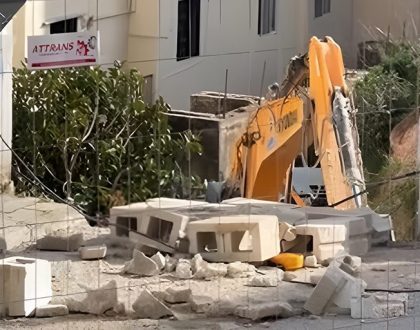
Empire Cinema site in Malta to become hotel complex
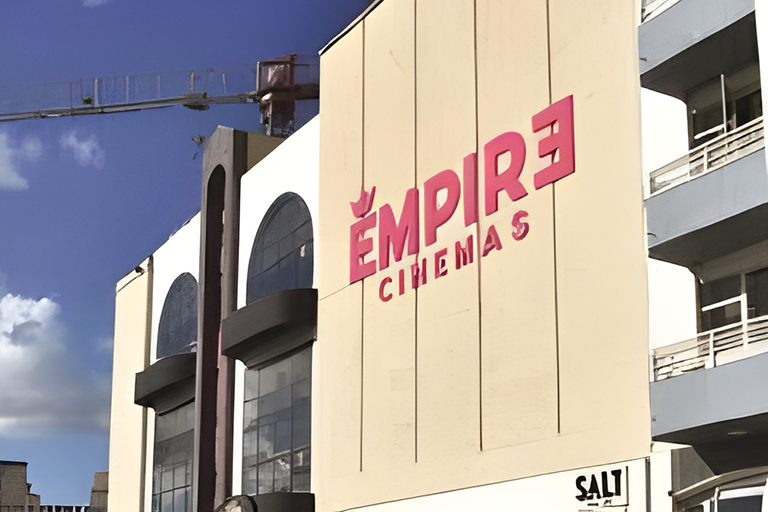
The iconic Empire Cinema in St Paul’s Bay, Malta, is poised for demolition to make way for a new 11-storey hotel development, awaiting final approval from the Planning Authority. The project application, submitted by construction tycoon Carmel Polidano—commonly known as iċ-Ċaqnu—has already received a positive recommendation from the Planning Authority’s case officer, who advised that the permit be granted.
This proposed redevelopment signals a significant shift in the urban landscape of the seaside town, replacing a cultural landmark with a contemporary structure designed to bolster the island’s tourism infrastructure.
A vision for tourism and commercial growth
If approved, the project will introduce a substantial hospitality and commercial facility into St Paul’s Bay. The new complex will include a 167-room hotel spread across 11 above-ground floors and five underground levels dedicated to parking. Also planned for the site are a supermarket, a restaurant, and three small cinema halls, aiming to retain a nod to the location’s past.





















The ground floor will house a 682-square-meter supermarket, while a semi-basement level will accommodate a restaurant and storage areas. The first level will serve as a hub for public activity, featuring a hotel lobby, a restaurant, a cinema lobby, the three cinema halls, a small cinema restaurant, four office spaces, and a conference room.
Compact cinemas to preserve entertainment tradition
While the larger cinema complex that defined the Empire site for over two decades will disappear, the developers have incorporated three modest cinema halls into their plans. The largest two halls will each seat 70 people, and the smallest—measuring just 36 square meters—will host up to 19 patrons. This move appears to be a symbolic gesture to maintain the site’s cinematic legacy.
The Empire Cinema originally opened its doors in 1997 and featured seven cinema halls with a total seating capacity of around 1,200. However, its operations came to a halt in 2020 following the outbreak of the COVID-19 pandemic, and the venue never reopened.
Extensive hotel facilities for modern travelers
The hotel is planned with a diverse range of guests in mind. Starting from the second floor, the upper levels will primarily house accommodations. Floors three through nine are each set to feature 23 guest rooms, bringing the overall room count to 167.
Of these, 48 are designated as standard rooms, while 119 are self-catering units, collectively offering accommodation for up to 334 guests. This flexible mix is intended to appeal to both short-stay visitors and long-term tourists.
The second floor will also include amenities such as a gym, boardroom, lounges, and an office space, ensuring a comprehensive experience for both leisure and business travelers.
On the 10th floor, a secondary hotel restaurant, a roof bar, and a swimming pool are planned, enhancing the leisure offering. The topmost 11th floor will serve as a rooftop deck, equipped with tables, chairs, and deckchairs to provide guests with scenic views of the surrounding area.
Revisions to original application increase scale
The original application envisioned a slightly more modest development, proposing a 10-storey hotel with 144 rooms. However, during the planning process, an additional floor was added, along with 23 more guest rooms. These revisions were submitted to enhance the commercial viability and attractiveness of the hotel offering, ultimately bringing the proposal to its current scale.
Planning policies and height limitation considerations
Located in the Bugibba and Qawra region, the site is subject to the 2006 North-West Local Plan, which limits building heights to a maximum of five floors. However, the case officer evaluating the project cited the 2014 Height Limitation Adjustment Policy, which allows for increased building heights for hotel developments that contribute positively to tourism and meet specific criteria.
According to the report, the proposed hotel satisfies these conditions. The officer highlighted that the upper floors are entirely devoted to guest accommodation and ancillary services, rather than residential or commercial space. This adherence to policy ensures that the proposed height expansion serves the public interest by fostering high-quality tourism infrastructure.
The officer concluded that the development would provide “high-quality tourism accommodation” and that its design would “make a positive contribution to the tourism industry.”
Adequate parking and minimal impact on infrastructure
A significant aspect of the planning application was ensuring that the development would not strain local infrastructure. To this end, five levels of basement parking will provide a total of 161 parking spaces, a number deemed sufficient to accommodate the expected influx of hotel guests, staff, and supermarket patrons.
Transport Malta was consulted throughout the application process and conducted a Transport Scoping Study. The results showed that the proposed development is expected to have fewer traffic impacts than the previously approved projects for the site. As a result, Transport Malta did not object to the application.
The Planning Authority’s report also noted that the proposal would “not affect the capability of local infrastructure,” addressing potential concerns about the burden on public utilities and services.
No objections from heritage and tourism bodies
Crucially, the development did not raise objections from key national bodies. The Environment and Resources Authority (ERA) expressed no reservations about the project. Similarly, the Malta Tourism Authority offered no opposition, in line with its mandate to support developments that enhance the nation’s tourism offering.
The Superintendence of Cultural Heritage also provided a favorable assessment. The agency stated that the Empire Cinema complex does not hold any cultural heritage value and that the surrounding area is already “highly committed with vertical development.” Accordingly, the project was not seen as a threat to Malta’s historical fabric.
Public response and urban transformation
While the case officer's recommendation brings the project one step closer to approval, the redevelopment has sparked conversations about the direction of urban planning in St Paul’s Bay. Some residents and cultural commentators have voiced concern over the loss of yet another iconic venue in favor of large-scale tourist infrastructure.
However, proponents argue that the transformation is part of Malta’s broader shift toward tourism-driven economic growth. With rising demand for quality accommodation and modern amenities, especially in prime coastal locations, such projects are becoming increasingly common.
Final decision pending by Planning Commission
The final approval of the project rests with the Planning Commission, which is expected to consider the application shortly. If granted, construction is likely to begin within months, permanently altering the landscape of the area and ushering in a new chapter for the site once known for film and family entertainment.
FAQs
What is replacing the Empire Cinema in St Paul’s Bay?
A new 11-storey hotel with 167 rooms, a supermarket, restaurant, and three small cinema halls will replace the Empire Cinema complex.
Who submitted the planning application for the redevelopment?
The application was submitted by construction magnate Carmel Polidano, also known as iċ-Ċaqnu.
Why did the Empire Cinema close?
The cinema shut down in 2020 due to the COVID-19 pandemic and has not reopened since.
How many cinema halls will be included in the new project?
Three smaller cinema halls will be part of the new development, preserving a link to the site's entertainment legacy.
How many parking spaces are included in the plan?
The development includes 161 parking spaces across five basement levels.
What will the hotel offer in terms of guest accommodations?
The hotel will have 167 rooms, including 48 standard rooms and 119 self-catering units, accommodating up to 334 guests.
Was the original plan different from the final proposal?
Yes, the original plan included 10 floors and 144 rooms; a revised version added an extra floor and 23 more rooms.
Does the project comply with local height regulations?
While the area is usually limited to five storeys, the project qualifies for an exemption under the 2014 Height Limitation Adjustment Policy for hotels.
Did any public bodies object to the project?
No, key organizations including Transport Malta, the Environment and Resources Authority, and the Superintendence of Cultural Heritage raised no objections.
When will the final decision on the project be made?
The Planning Commission is expected to review and decide on the application soon, following the case officer's recommendation for approval.

Claire
A highly motivated, results-driven, enthusiastic and ambitious writer. I can offer you well researched and high-quality article writing on any topic for your website or blog and can as well re-write your existing web content.