EU kid-tech rules and loot box mechanics in 2025

You will need to understand the upcoming EU regulations on kid-tech and loot box mechanics set to take effect in 2025. These new laws aim to protect young gamers from potentially exploitative practices associated with loot boxes, classifying them under stricter gambling regulations. As game developers and publishers prepare for these changes, the impact on the gaming industry and the experiences of children and teens will be significant. This post will explore the key aspects of these regulations and their implications for both developers and players.
Key Takeaways:
- The EU aims to implement stringent regulations on kid-tech, focusing on protecting children's data and privacy.
- New rules may require clearer disclosures and restrictions on loot box mechanics in games targeted at minors.
- Developers will need to adapt to compliance measures, affecting game design and monetization strategies in the EU market.
Background on EU Kid-Tech Regulations
Evolution of Children's Online Protection
The evolution of children's online protection has accelerated in response to the rapid growth of digital interactions among minors. From the early days of the internet, where regulations were minimal, to the establishment of comprehensive policies, the landscape has dramatically shifted. Key milestones include the Children's Online Privacy Protection Act (COPPA) in the U.S. and the General Data Protection Regulation (GDPR) in Europe, which introduced stringent measures to safeguard children's data and online experiences.
Key Legislative Frameworks
Several significant legislative frameworks underpin the EU's kid-tech regulations, notably the General Data Protection Regulation (GDPR) and the Audiovisual Media Services Directive (AVMSD). These frameworks emphasize the necessity of consent for processing children's personal data and ensure content is appropriate for young audiences. Together, they aim to create a safer digital environment for children across the EU.










GDPR mandates parental consent for children's data use under the age of 16, while the AVMSD sets strict content guidelines, addressing harmful material and promoting positive portrayals of children. Recent developments have further emphasized the need for transparency in targeted advertising to minors and parental control features. As member states adapt these regulations, a more uniform standard for protecting minors online emerges across the EU.
Stakeholders in the Kid-Tech Ecosystem
The kid-tech ecosystem involves multiple stakeholders, including technology companies, regulators, educators, and parents. Each group plays a vital role in shaping how children engage with digital content, influencing policies and practices to safeguard their interests.
Technology companies are tasked with compliance and innovation while regulators ensure laws are upheld. Educators help children navigate this landscape safely, and parents are increasingly vigilant about their children's online behaviors. Collaboratively, these stakeholders can create a robust framework that prioritizes safety without stifling the opportunities that digital interactions provide for learning and development.
Understanding Loot Box Mechanics
Definition and Functionality
Loot boxes are in-game items that players can purchase or earn, containing randomized rewards. They function as a gameplay mechanic, enticing players to spend money for the chance to receive valuable in-game items, characters, or bonuses, often enhancing the gaming experience. The unpredictability of the contents contributes to their appeal, making players more likely to engage with the system repeatedly.
Popularity and Trends Among Gamers
In recent years, loot boxes have skyrocketed in popularity, accounting for a significant revenue stream for many gaming companies. A 2022 report indicated that the global loot box market reached approximately $15 billion, with mobile games leading the charge. The trend is especially prevalent among younger demographics, as titles like “FIFA” and “Fortnite” integrate these mechanics into their gameplay.
This surge in popularity aligns with broader gaming trends where microtransactions are increasingly common. Gamers often express mixed feelings about loot boxes; some enjoy the excitement and possibility of rare items, while others criticize the notion of gambling mechanics permeating gaming. Streaming platforms and social media further amplify trends, as content creators showcase their loot box openings, attracting more players to participate in the phenomenon.
Psychological Impacts on Children
Children's engagement with loot boxes raises concerns regarding their psychological effects, particularly as these mechanisms share similarities with gambling. The uncertain reward structure can foster impulsive spending habits and lead to addictive behaviors, with studies indicating that children may struggle to distinguish between luck and skill in gaming.
Research has shown that children exposed to loot boxes are more likely to develop a preference for instant gratification, reinforcing a cycle of dependency on the immediate rewards that these systems offer. The excitement generated from opening loot boxes can create a dopamine response similar to gambling, making children vulnerable to over-spending, anxiety related to loss, and unrealistic expectations about earning rewards through gameplay. These factors highlight the growing need for regulations to protect younger audiences in an evolving gaming landscape.
The Intersection of Kid-Tech and Loot Boxes
Regulatory Concerns Over Loot Boxes
Regulators are increasingly scrutinizing loot boxes due to their potential to exploit vulnerable players, particularly children. In 2025, EU laws are expected to mandate clearer disclosures regarding the odds of winning items, aiming to minimize deceptive practices. Countries like Belgium and the Netherlands have already deemed some loot boxes as gambling, prompting discussions on how to effectively classify and regulate these digital mechanics within games targeted at younger audiences.
Implications for Child Gamers
The presence of loot boxes in games targeted at children raises significant concerns about financial literacy and addiction. Young gamers may lack the understanding of in-game purchases and their impact on real-world finances. With the risk of spending significant amounts of money on randomized rewards, these mechanics can lead to unhealthy gaming habits and financial strain on families.
Studies indicate that the more children are exposed to loot box mechanics, the more likely they are to develop a compulsion to spend. The randomized nature of rewards can create an addictive loop, where children chase the excitement of new items, often leading to overspending. The influence of peer pressure in gaming communities can amplify this behavior, as children feel compelled to obtain exclusive items to keep up with friends. Parents may struggle to regulate these purchases, highlighting the need for greater awareness and potential parental control options.
Research on Loot Box Spending Patterns
Recent studies show that children and adolescents are significant contributors to loot box spending, with reports indicating that minors account for a startling share of the total expenditure on in-game purchases. As gaming becomes a predominant form of entertainment for younger audiences, understanding their spending patterns illuminates the need for more robust consumer protection policies.
An analysis of loot box spending patterns reveals that younger players are more likely to spend impulsively, often driven by peer influences and the allure of rare in-game rewards. Data indicates that players aged 18 and under are willing to spend an average of $30 per month on loot boxes, a figure that can escalate rapidly. This frequent spending, combined with a lack of budgeting skills, underscores a significant risk for financial mismanagement among child gamers, emphasizing the urgency for regulatory intervention and educational initiatives focused on responsible gaming practices.
The 2025 EU Kid-Tech Compliance Landscape
Overview of New Regulations
In 2025, the EU plans to implement comprehensive regulations specifically targeting kid-tech, focusing on safeguarding children from manipulative gaming practices, including loot boxes. These regulations will likely mandate transparency in monetization practices, requiring developers to disclose odds of obtaining items and implement age verification mechanisms. The goal is to create a safer digital environment for children, aligning with broader European digital policy goals.
Impact on Game Developers
Game developers will face significant adjustments in their business models and operational practices due to the new regulations. Compliance will demand a robust understanding of legal requirements and may necessitate modifications to game design, potentially impacting revenue streams from loot boxes.
As developers adapt, they may need to shift away from traditional monetization approaches, exploring alternative revenue models such as subscription services or cosmetic microtransactions that do not involve chance-based mechanics. Additionally, the necessity for transparency can affect user engagement strategies, requiring developers to implement user-friendly interfaces that clearly communicate gaming odds. This transition could strike a balance between protecting minors and maintaining profitability in a rapidly evolving industry.
Potential Penalties for Non-Compliance
Failure to comply with the new EU regulations can result in severe penalties for game developers, including substantial fines and potential bans on product distribution within EU member states. Such penalties are aimed at upholding child protection standards and deterring negligence in regulatory adherence.
For instance, fines could reach up to 4% of a company's annual global turnover, reflecting both financial loss and reputational damage. In extreme cases, repeat offenders may face enforcement actions that prohibit future game releases in the EU market, highlighting the necessity for developers to prioritize compliance and adapt to new legal landscapes efficiently. This robust regulatory framework aims not only to deter malpractice but also to foster a more responsible gaming environment for young audiences.
Strategies for Game Developers
Designing Kid-Friendly Games
Creating kid-friendly games requires understanding child development and integrating educational elements. Developers should prioritize age-appropriate content, enhance positive social interactions, and foster creativity through gameplay. Emphasizing fun while maintaining user safety can lead to engaging experiences that resonate with young players and meet regulatory standards.
Incorporating Ethical Loot Box Practices
Ethical loot box practices involve transparency and consent. Developers should clearly communicate the probability of receiving items, ensuring that parents are informed about potential spending. By implementing limits on in-game purchases and offering non-monetized pathways to acquire loot, companies can promote fair play while enhancing user trust.
Additionally, offering non-random rewards for kids, such as guaranteed items for completing challenges, cultivates a sense of achievement and keeps engagement healthy. Developers could also consider requiring explicit parental approval for any loot box purchases, fostering accountability and involvement from guardians in their child's gaming experience. This builds a responsible gaming environment that complies with upcoming regulations.
Engaging Parents and Guardians
To enhance parental involvement, developers should create informative resources that explain game mechanics and monetization practices. Frequent updates and communication can foster trust and provide peace of mind regarding children's gaming habits.
Developers can initiate programs that invite parents to participate in testing phases, ensuring that families feel valued and supported. Regular newsletters or webinars can also educate guardians about gameplay and monetization, allowing them to guide their children's gaming experiences more effectively. These initiatives not only promote transparency but also build a community around child-centric gaming.
Future Implications of EU Rules
Potential Global Influence on Kid-Tech
The EU's kid-tech regulations set a precedent that could inspire similar frameworks worldwide. Nations like the UK and Australia may adopt comparable rules, emphasizing child protection in digital environments. Observing the EU's approach could lead to a unified international standard, impacting how tech companies, including major gaming developers, design products intended for children.
Long-Term Effects on Gaming Industry Standards
As the EU establishes more stringent guidelines, gaming companies may adapt by creating products that prioritize consumer protection and transparency. This shift could foster a new wave of ethical gaming practices, including better representation of loot box odds and age-appropriate content, enhancing the overall gaming experience. Additionally, companies may invest in compliance teams and educational initiatives to meet these regulations effectively.
Implementing EU rules will likely lead to a more family-friendly gaming atmosphere. Companies might shift away from exploitative practices, focusing on engagement rather than revenue through microtransactions. As consumer expectations evolve, developers could prioritize fairness and fun, fostering a gaming culture that respects both players and their spending. Adapting to these emerging standards may spark innovation in monetization strategies, ultimately benefiting both industry and consumers alike.
The Evolving Role of Technology in Child Development
The regulatory landscape will significantly shape how technology impacts child development. Tools designed for education and creative expression may gain traction as safe and engaging alternatives. The focus on healthy tech consumption urges developers to innovate with social responsibility, ensuring digital interactions bolster developmental milestones rather than hinder them.
As technology continues to permeate daily life, its role in child development will increasingly focus on enriching experiences. Interactive learning platforms can harness gamification to enhance skills such as problem-solving and collaboration. Parents and educators may seek out tech that aligns with developmental goals, promoting products with proven benefits. Emphasizing thoughtful design and ethical considerations will be paramount, encouraging tech companies to develop tools that align with positive developmental outcomes for children.
Final Words
Hence, the forthcoming implementation of EU kid-tech rules in 2025 will significantly reshape the landscape of loot box mechanics, aiming to enhance consumer protection and address concerns regarding youth engagement with digital games. These regulations are poised to introduce clear guidelines on transparency and fairness, enforcing rigorous standards that developers must adhere to. As the industry adapts, the focus will likely shift towards more responsible gaming practices, ensuring that young players can enjoy an entertainment experience devoid of exploitative monetization tactics.
FAQ
Q: What are the EU kid-tech rules set for 2025?
A: The EU kid-tech rules aim to enhance the protection of children in digital environments, focusing on data privacy, consent, and safe online interactions. These regulations will set stricter guidelines for companies interacting with child users, ensuring transparency and accountability in data collection and use.
Q: How will these rules impact game developers?
A: Game developers will need to comply with new regulations regarding age verification, parental consent for data processing, and in-game purchases. This may require changes to game design to ensure that the experiences are not exploitative and are safe for children.
Q: What are loot boxes and how might they be affected by these rules?
A: Loot boxes are virtual items that players can purchase or earn, containing random rewards. Under the new regulations, loot boxes may be classified as a form of gambling if they can result in real money value, leading to stricter restrictions and mandatory disclosures about the odds of receiving specific items.
Q: Will parental controls be enhanced under the new regulations?
A: Yes, the EU kid-tech rules will promote the development and implementation of enhanced parental control features in games and apps, allowing parents to manage their children's gaming habits, spending, and data privacy settings more effectively.
Q: What penalties will companies face for non-compliance with these rules?
A: Companies failing to comply with the EU kid-tech rules may face significant fines, legal action, and restrictions on their ability to operate within the EU markets. The enforcement mechanisms will be designed to ensure that companies prioritize children's safety and rights in digital services.

Anna Amstill
I am an avid Blogger and Writer with more than 6 years of experience with Content Writing. An Online Marketing expert specializing in Blog writing, Article writing, Website content, SEO specific Keyword content and much more. Education B.A. - business management, York University, Canada, Graduated 2016.
Related Posts
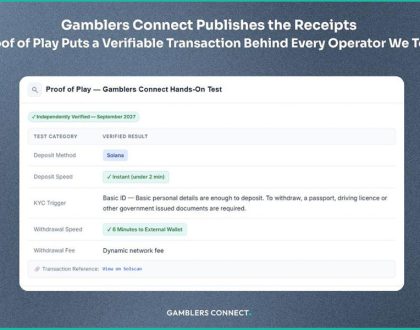
Gamblers Connect launches Proof of Play for transparent operator reviews
September 21, 2026

Ygam reports stronger impact as youth gambling harm prevention expands
September 14, 2026


Kongebonus launches complaints centre for Norway’s online casino players
September 8, 2026


Sweden launches gambling harm inquiry focused on children and young men
September 5, 2026

Mindway AI partners with Gaming1 to advance responsible gambling in NL
September 3, 2026