FinCEN’s Scrutiny of Malta’s Payment Networks
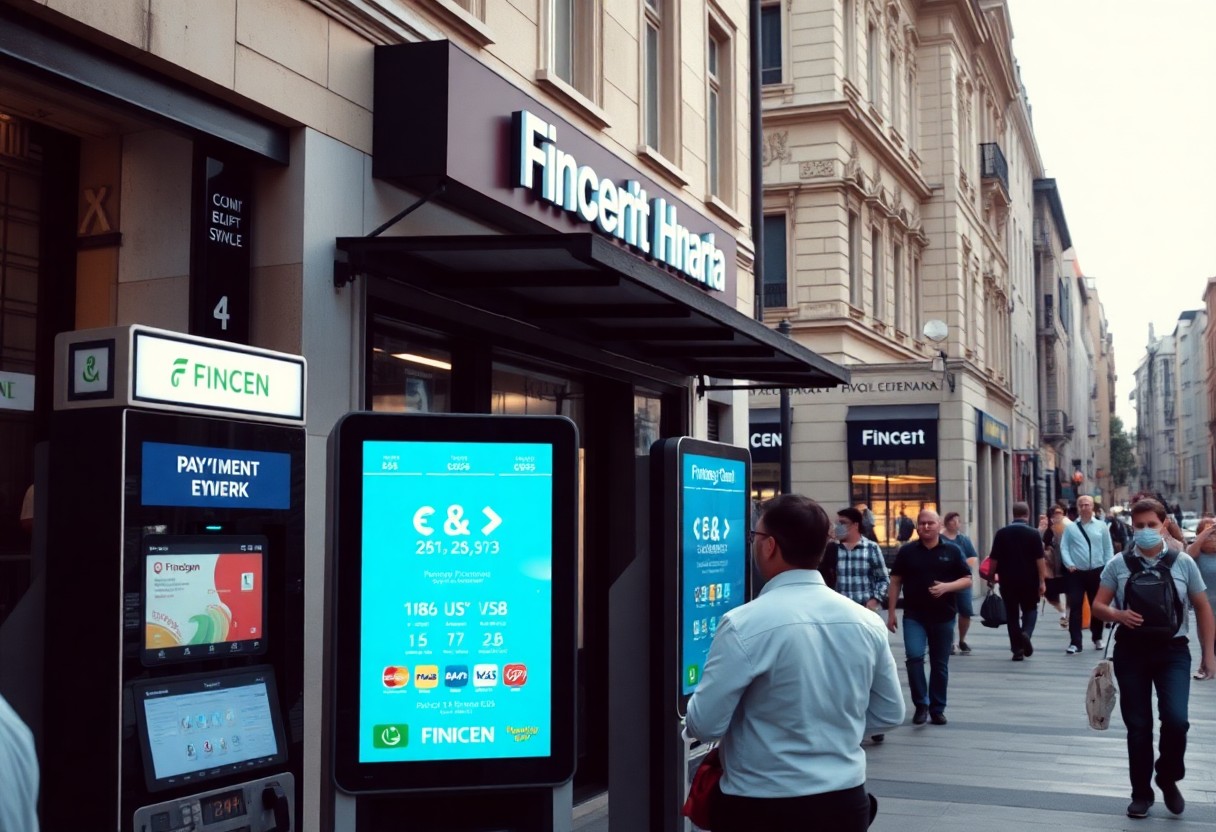
Over the past few years, Malta has emerged as a significant hub for cryptocurrency and online payment processing, drawing the attention of various regulatory bodies. In light of recent developments in global financial policies, the Financial Crimes Enforcement Network (FinCEN) is expected to scrutinize Malta's payment networks closely. This post probes into the reasons behind FinCEN's interest, exploring the potential implications for Malta's financial landscape and how these changes could impact businesses and consumers alike.
Overview of FinCEN
To understand the relationship between FinCEN and Malta's payment networks, it is crucial to first define what FinCEN is and the role it plays in financial regulation. The Financial Crimes Enforcement Network (FinCEN) is an agency of the United States Department of the Treasury charged with combating financial crimes, such as money laundering and terrorist financing. Established in 1990, FinCEN's primary responsibility is to safeguard the financial system from illicit activities by enforcing compliance with the Bank Secrecy Act (BSA) and other applicable regulations. It serves as a central repository for financial intelligence and disseminates critical information to law enforcement, regulatory agencies, and foreign governments to aid in the detection and prevention of financial misconduct.
Definition and Role of FinCEN
With its oversight authority, FinCEN plays a significant role in shaping the compliance landscape for financial institutions, including banks and non-bank entities. The agency issues regulatory guidance and requires these institutions to report suspicious activities that could indicate money laundering or other financial crimes. By collecting and analyzing data on financial transactions, FinCEN aims to develop a clearer picture of trends associated with criminal financial activity, reinforcing the integrity of the U.S. financial system and its global counterparts.








Background on FinCEN's Regulatory Oversight
Behind FinCEN's inception lies the growing need for enhanced monitoring of financial transactions in the post-Cold War era. Originally designed to address the emerging threats of drug trafficking and organized crime, the agency has evolved to address a broad range of financial crimes that include cyber fraud and terrorist financing. Over the years, FinCEN has expanded its regulatory framework to include various forms of financial institutions like money service businesses, virtual currency exchanges, and casinos, ensuring that they adhere to stringent anti-money laundering (AML) protocols.
In addition to establishing rules and reporting requirements, FinCEN actively collaborates with both domestic and international partners. This cooperation enhances the capacity to monitor and investigate cross-border financial activities. Furthermore, through the issuance of advisories and the imposition of penalties on non-compliant entities, FinCEN maintains its mandate to foster accountability and transparency within the financial system. As the financial landscape evolves, particularly with the rise of digital currencies and global payment networks, FinCEN's watchdog role becomes increasingly critical in mitigating potential financial crimes.
The Payment Networks in Malta
Clearly, Malta's payment networks play a significant role in the country's financial landscape, especially as it continues to position itself as a leading hub for fintech and digital financial services. The intricate web of payment systems facilitates both local and international transactions, driving economic growth and enhancing the overall efficiency of financial transactions. With regulatory frameworks evolving alongside technological advancements, the payment networks are adapting to include various forms of payment, including digital currencies and other innovative solutions.
Structure of Malta's Payment Systems
By examining the structure of Malta's payment systems, it becomes evident that they are organized to support a wide range of financial activities. The Central Bank of Malta oversees the core aspects of the payment infrastructure, ensuring the safety and reliability of transactions. Various payment service providers operate within this framework, offering solutions tailored to both individual consumers and businesses. This structured approach not only fosters competition but also enables the continuous optimization of services offered in the market.
Key Players in Malta's Payment Ecosystem
Maltas payment ecosystem comprises a diverse array of participants, including banks, fintech companies, payment processing firms, and regulatory bodies. Each of these players contributes to a robust network that encourages seamless and efficient transaction processes. The presence of several major banks and innovative startups enhances competition, leading to improved services and solutions tailored to the demands of the market.
Players like the Central Bank of Malta, established banks, and multiple emerging fintech entities work collaboratively to innovate and maintain the integrity of payment systems. Additionally, the Maltese government's commitment to a regulatory environment that fosters growth encourages the integration of advanced technologies such as blockchain and artificial intelligence in payment processing. This collaborative effort among the players highlights Malta's ambition to be at the forefront of payment technology and innovation
Recent Developments and Innovations
Maltas payment networks have seen a surge in recent developments and innovations, driven in part by the global shift towards digital payment solutions. The implementation of contactless payment systems and the expansion of mobile payment apps have become more prevalent, reflecting consumer preferences for convenience and speed. Furthermore, Malta's proactive regulatory stance has encouraged a number of startups to experiment with blockchain and cryptocurrency, aiming to revolutionize traditional payment methodologies.
To further substantiate its position as a fintech leader, Malta has launched initiatives aimed at fostering innovation within its payment systems. The collaboration between government agencies and private sectors is imperative in developing a framework that not only supports the existing ecosystem but also anticipates future trends in the payment landscape. Examples include efforts towards enhancing cybersecurity measures and improving the integration of artificial intelligence for monitoring transactions, positioning Malta for continued evolution in the space of digital payments.
Regulatory Compliance Challenges
Once again, Malta finds itself under scrutiny when it comes to its regulatory compliance in the financial sector. With the increasing involvement of international payment networks and the looming oversight from FinCEN, understanding the challenges surrounding Anti-Money Laundering (AML) and Know Your Customer (KYC) regulations has become paramount. The regulatory landscape is complex and creates a precarious environment for payment providers aiming to operate both transparently and efficiently.
Overview of AML and KYC Regulations
Against this backdrop, AML and KYC regulations are designed to prevent illegal activities, such as money laundering and terrorist financing, by requiring financial institutions to verify the identities of their customers and monitor transactions for suspicious behavior. These regulations are crucial components in enhancing the integrity of the global financial system. Compliance involves implementing rigorous procedures, employee training, and maintaining an ongoing relationship with regulatory bodies to ensure adherence to legal standards.
Current Compliance Landscape in Malta
Regulations surrounding AML and KYC have been evolving in Malta, particularly as the island nation positions itself as a significant player in the fintech ecosystem. The Maltese government and the Financial Intelligence Analysis Unit (FIAU) oversee compliance by setting stringent guidelines aimed at aligning the country with European Union standards. This has included ongoing revisions to regulatory frameworks, which are intended to bolster the country's reputation and enhance the security of its financial transactions.
In fact, Malta's compliance landscape still faces challenges despite its strategic initiatives. The convergence of fintech innovation and rapid digitization necessitates that payment providers remain agile and vigilant in updating their procedures while ensuring customer onboarding processes comply with AML and KYC requirements. The pressure to meet these obligations can lead to operational difficulties, particularly as non-compliance can result in significant fines and damage to reputations.
Challenges Facing Maltese Payment Providers
Beside the evolving nature of regulations, Maltese payment providers encounter a myriad of challenges when it comes to compliance. From adapting to new regulatory thresholds to competing with international standards, the need for robust compliance frameworks remains a pressing issue. Many providers struggle to keep pace with the ongoing changes in legislation and the high cost associated with maintaining compliance can also inhibit growth and innovation.
But building an effective compliance strategy is not solely about meeting legal requirements; it is also about fostering trust with customers and partners in an increasingly scrutinized financial landscape. Failure to address these compliance challenges may not only result in sanctions but also in a long-term impact on the viability of Malta's payment networks, which can affect the country's ambition to become a leading fintech hub in Europe. Thus, it is imperative for stakeholders to engage in proactive measures to identify and mitigate potential compliance risks ahead of time.
Implications of Increased Scrutiny
For many stakeholders in the financial sector, the potential for increased scrutiny from FinCEN regarding Malta's payment networks could bear significant implications. This heightened scrutiny may lead to a more stringent regulatory environment, with expectations for compliance and transparency that align with international standards. As regulatory bodies align with global best practices, financial institutions operating in or with Maltese entities may need to overhaul their compliance frameworks to avoid penalties or reputational damage. The ramifications of such regulatory changes could reshape the operational landscape of payment networks significantly, compelling many to adapt quickly or risk falling behind.
Potential Regulatory Changes
Among the key issues that may arise from FinCEN's increased interest are the potential regulatory changes to anti-money laundering (AML) policies and know-your-customer (KYC) practices. With tackling financial crime becoming a priority, Malta may be urged to implement more rigorous measures that would necessitate entities to enhance their verification processes and reporting obligations. These regulatory adjustments could also surround transaction monitoring and data sharing protocols, requiring payment providers to invest in advanced technological solutions to meet the new demands.
Impact on Maltese Payment Networks
About the effect on Maltese payment networks, the anticipated scrutiny could lead to an evolution in service delivery and operational models. As expectations rise, companies may need to reassess their risk assessments and business strategies to align with stricter regulatory requirements. This recalibration could both stabilize and disrupt current payment processes, depending on how well these networks adapt to the emerging compliance landscape. A more transparent operational approach might enhance trust among international clients; in contrast, failure to comply could yield significant penalties and reputation loss.
Maltese payment networks may find themselves in a position where they need to develop partnerships with compliance technology providers and legal advisors to navigate the shifting landscape effectively. The financial ecosystem within Malta could grow increasingly integrated with international compliance standards, positioning local providers as responsible, trustworthy players in the global market; on the contrary, any lapses in compliance could hinder their competitiveness.
Long-Term Effects on International Relations
With the prospect of increased scrutiny from FinCEN looming, the long-term effects on Malta's international relations could become apparent as countries assess Malta's commitment to financial probity. If Malta successfully navigates potential regulatory changes and enhances its compliance practices, it might strengthen its standing among global financial hubs. Conversely, if the Maltese authorities falter in their regulatory responses, it may face diplomatic friction with the United States and other nations that prioritize financial integrity.
Also, a failure to adhere to international compliance standards could lead to sanctions or trade restrictions, adversely impacting Malta's economy. The reactions from other countries may influence not just Maltese financial institutions, but also its broader economic ties, as potential foreign investors may reevaluate their participation in Malta's markets due to the perceived risks. Thus, how Malta responds to increased scrutiny will likely have lasting implications on its diplomatic and economic engagements globally.
Case Studies
Notably, a number of significant case studies illustrate the concerns surrounding payment networks, especially in jurisdictions like Malta. The data gathered from these instances lays the groundwork for understanding why FinCEN may consider heightened scrutiny for Maltese payment platforms. Here are some key examples:
- Case 1: Pilatus Bank – In 2018, Malta-based Pilatus Bank was linked to suspicious transactions amounting to $1 billion. The European Banking Authority (EBA) determined that the bank's anti-money laundering controls were inadequate, leading to its eventual closure.
- Case 2: 1Broker – A cryptocurrency trading platform operating out of Malta, 1Broker, was shut down by the SEC in 2018 due to allegations that it was facilitating illegal activities without proper licensing, raising questions about the regulatory oversight of payment networks in the region.
- Case 3: BitBay – This cryptocurrency exchange faced accusations of hosting illicit transactions amounting to $41 million, leading to its exit from Poland. Although it moved operations to Malta, the association with prior illicit activities has cast a shadow over its operations.
- Case 4: The Dubai Gold Ring Scandal – Involving Maltese nationals, this case revealed a scheme that facilitated money laundering through the gold trade, totaling over $10 million. Malta's payment networks were exploited as intermediaries in this illicit trade.
- Case 5: VGrowth – An investment firm based in Malta that drew the attention of regulators after filing for bankruptcy, revealing $70 million in losses due to mismanagement and failure to comply with financial regulations. This raised alarms over payment systems used for such high-risk investments.
Historical Precedents of FinCEN Intervention
Against the backdrop of global financial crime, FinCEN has historically intervened in jurisdictions where a notable lack of oversight exists. For instance, in 2019, the agency imposed significant fines on European banks linked to the Danske Bank scandal, which facilitated over $230 billion in suspicious transactions through a single Estonian branch. This case not only underscored the vulnerabilities present in European financial ecosystems but also highlighted regulatory gaps and the need for enhanced compliance protocols.
Another example can be seen in the case of the Bank of Valletta, which faced scrutiny from FinCEN in 2017 due to alleged violations of the Bank Secrecy Act. This intervention prompted a wider acknowledgment of Malta's regulatory issues, asserting that such breaches could lead to ramifications affecting the entire region's reputation regarding financial transparency and integrity.
Analysis of Similar Jurisdictions
After examining historical cases, one must consider Malta's standing alongside similar jurisdictions that have faced scrutiny. Regions like Cyprus and the British Virgin Islands have previously been scrutinized for facilitating illicit activities through lax regulatory environments. In 2017, the European Union flagged Cyprus due to lax compliance measures, leading to a rapid implementation of reforms. Financial institutions in Cyprus were reported significant penalties for failing to adhere to anti-money laundering (AML) regulations, totaling upwards of €30 million within a year.
Plus, as jurisdictions attempt to reform and respond to scrutiny, Malta may find itself at a crossroads regarding its regulatory framework. Neighboring regions with similar financial structures have implemented stricter AML laws and better compliance oversight, setting a precedent for what exists as necessary in today's digital and interconnected financial world. A thorough comparison indicates that Malta may need to intensify its regulatory measures to avoid facing similar sanctions and challenges in future interactions with FinCEN and other international regulatory bodies.
Perspectives from Stakeholders
Now, as the conversation around FinCEN's increasing scrutiny of Malta's payment networks gains momentum, it is imperative to gather insights from various stakeholders involved in the financial landscape. These perspectives can illuminate how different entities perceive the potential regulatory shift and its implications for Malta's economy and payment systems.
Opinions of Maltese Financial Institutions
The Maltese financial institutions express a mixed bag of sentiments regarding FinCEN's potential examination of local payment networks. On one hand, some institutions emphasize the importance of robust compliance frameworks to fend off any negative connotations associated with financial transactions in Malta. They advocate for transparency and heightened due diligence as means to strengthen the sector's reputation, ensuring it remains competitive on the international stage.
On the other hand, there are concerns about the cascading effects stringent regulations may have on innovation and growth within Malta's burgeoning fintech ecosystem. Financial institutions are wary that intense scrutiny may deter new players from entering the market, ultimately stifling competition and diminishing Malta's appeal as a favorable fintech hub.
Insights from Industry Experts
An imperative part of the discussion comes from industry experts who specialize in regulatory compliance and financial crime prevention. Various experts suggest that while increased scrutiny from agencies like FinCEN is warranted considering the global nature of financial fraud, there must be a balanced approach that encourages healthy industry growth without compromising security. These specialists advocate for proactive measures, such as enhancing risk management and compliance tools within payment networks, to align with best practices observed in other jurisdictions.
At the same time, experts point to the need for an ongoing dialogue between regulators and the industry. This communication can provide valuable insights for policymakers as they adapt their frameworks to modern financial technologies, allowing Malta to maintain its competitive edge while adhering to international compliance standards. By fostering an environment of trust and collaboration, Malta can navigate the changing landscape of financial regulation more effectively.
Consumer Perspectives in Malta
Institutions are not the only stakeholders in this discussion—consumers also play a pivotal role in shaping the narrative surrounding Malta's payment networks. Many Maltese consumers are increasingly aware of the significance of secure payment methods and are willing to prioritize their financial safety over convenience. This trend signifies rising expectations for payment networks to be not just innovative but also compliant with regulatory standards that safeguard users' interests.
However, there are also voices among the consumer base that express concerns about potentially disruptive changes to payment services. A cohort of consumers relies on fintech solutions for their daily transactions, and any shift in regulatory focus could inadvertently complicate their user experiences, leading to depreciated trust in local payment providers.
Industry reports show that consumer confidence can significantly sway the direction of payment innovations. The demand for secure and transparent handling of financial transactions is becoming a clear consumer priority in Malta, setting expectations for payment networks to adapt swiftly and ensure their frameworks resonate with the public's desire for both safety and practicality.
Summing up
Ultimately, the increasing scrutiny from FinCEN towards Malta's payment networks reflects a broader trend of regulatory vigilance in the evolving financial landscape. As concerns regarding anti-money laundering (AML) practices and potential financial misconduct grow, Malta's role as a hub for online gaming and blockchain technology has placed it under the microscope. The ability of FinCEN to monitor and implement effective compliance measures in such sectors is vital to mitigating risks associated with illicit financial activities, which may have widespread implications for both domestic and international markets.
Moreover, with Malta's regulatory framework adapting to align with global standards, it is imperative for stakeholders within the jurisdiction to ensure robust compliance protocols are in place. This ongoing relationship between FinCEN and Maltese payment networks may enhance transparency, bolster confidence among investors, and ultimately contribute to a more stable financial system. As FinCEN continues to evaluate potential risks, the developments in Malta's financial sector warrant close attention from all entities operating within or engaging with this dynamic market.
FAQs
What is FinCEN and what does it do?
FinCEN (Financial Crimes Enforcement Network) is a U.S. agency that combats financial crimes such as money laundering and terrorist financing by enforcing compliance with laws like the Bank Secrecy Act.
Why is FinCEN interested in Malta's payment networks?
FinCEN is focusing on Malta due to its growing role as a fintech hub and concerns over regulatory compliance, especially in light of increased global scrutiny over digital financial systems.
What are AML and KYC regulations?
AML (Anti-Money Laundering) and KYC (Know Your Customer) are regulatory frameworks designed to detect and prevent financial crimes by verifying customer identities and monitoring transactions.
How does Malta regulate its payment systems?
Malta’s payment systems are overseen by the Central Bank of Malta and regulated by the Financial Intelligence Analysis Unit (FIAU), with frameworks aligning to EU standards.
Who are the main players in Malta’s payment ecosystem?
Key players include traditional banks, fintech startups, payment processors, and regulatory bodies like the Central Bank of Malta and the FIAU.
What innovations are transforming Malta’s payment networks?
Innovations include contactless payments, mobile apps, blockchain-based solutions, and AI-driven monitoring systems aimed at enhancing transaction efficiency and security.
What challenges do Maltese payment providers face?
They face challenges such as meeting evolving regulatory demands, maintaining compliance, handling high operational costs, and adapting to global standards.
How could FinCEN scrutiny impact Maltese financial institutions?
It could lead to tighter regulations, the need for advanced compliance systems, increased costs, and potential reputational risks if non-compliance is found.
What might change in Malta’s regulatory framework due to FinCEN?
Potential changes include stricter AML/KYC practices, enhanced transaction monitoring, better data sharing protocols, and collaboration with international compliance agencies.
Could FinCEN scrutiny affect Malta’s international relations?
Yes, Malta’s global financial standing and relations with countries like the U.S. could improve or deteriorate depending on how well it responds to regulatory expectations.

Ash
I like to keep it short. I am a writer who also knows how to rhyme his lines. I can write articles, edit them and also carve out some poetic lines from my mind. Education B.A. - English, Delhi University, India, Graduated 2017.
Related Posts

OKTO PAYMENTS appoints Marcos Techera to lead LatAm operations and growth
September 22, 2026

Yaspa appoints Mandy Thompson as US marketing expansion gains momentum
September 14, 2026
OKTO Payments announces direct Yape integration for digital businesses
September 7, 2026




SBC Summit adds Global Payment Compliance track for 2026
August 13, 2026