

















How Finland’s Monopoly Model Will Shift in 2026
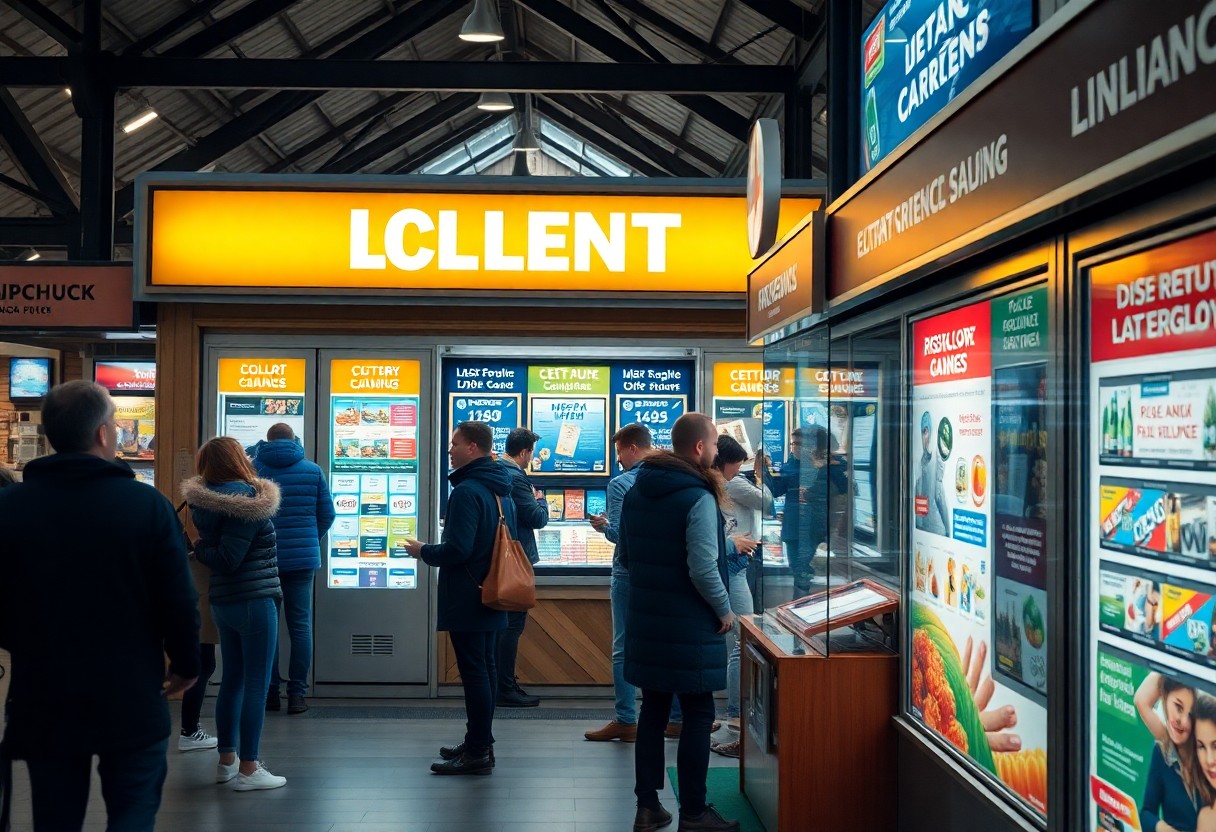
Shift in policy is on the horizon for Finland's gambling landscape as the government plans to overhaul its long-standing monopoly model by 2026. This transition aims to enhance consumer protection, promote responsible gambling, and increase competition in the market. As the government introduces new regulations, understanding the implications for operators and players alike becomes necessary. In this blog post, we will explore into the specifics of the upcoming changes, exploring what they mean for the future of gambling in Finland and how stakeholders can prepare for this significant transformation.
The Foundations of Finland's Current Monopoly Model
Finland's monopoly model, particularly in areas such as alcohol, gambling, and retail trade, has deep historical roots and economic implications. Established to consolidate power under state control, this framework emerged post-World War II, aiming to manage consumption patterns and optimize revenue generation for public welfare. Essential for ensuring uniformity and government oversight, the model has shaped various sectors, providing stability and predictability in Finland's market landscape.
Historical Context: The Birth of State Control
The origins of Finland's monopoly model date back to the post-war era when the government sought to regulate industries that were deemed socially sensitive. With the goal of curbing excessive consumption and fostering responsible behavior, the state took control of alcohol distribution through the Alko company in 1932. This initiative laid the groundwork for a broader monopoly strategy, ultimately extending to gambling and other sectors, underscoring the state's commitment to safeguarding public welfare.








Economic Stability: How Monopoly Has Protected the Market
Finland's monopoly model has served as a pillar for economic stability, effectively managing social behavior and preventing market volatility. By centralizing industries such as gambling and alcohol under state control, Finland has shielded itself from the pitfalls of market fluctuations. For instance, the state monopoly on alcohol has resulted in reduced access to substances deemed problematic, which in turn has led to lower alcohol-related harm. In terms of fiscal benefits, the monopoly generates healthy revenues; in 2021 alone, Alko reported sales of approximately €1.2 billion, contributing significantly to public services.
Furthermore, this model contributes to a stable job market, with over 2,000 employees working under Alko, while ensuring that profits are reinvested into society rather than private interests. The predictability offered by such monopolies reduces competitive pressures, which can lead to price wars and market instability. The comprehensive regulatory framework allows the government to fine-tune policies based on public health concerns, making it easier to address emerging challenges while maintaining a balanced economy.
The Tipping Point: Legislative Changes on the Horizon
Finland's gambling landscape stands on the brink of transformation as the government prepares to unveil substantial legislative changes aimed at redefining the existing monopoly framework. As public sentiment shifts toward embracing competition in the gaming sector, lawmakers are set to debate various proposals in 2025. These changes, driven by evolving consumer preferences and economic considerations, will play a pivotal role in shaping the architecture of Finnish gambling regulation before the anticipated 2026 rollout.
The 2026 Reform Agenda: Key Legislative Drivers
The 2026 reform agenda is shaped by several key legislative drivers, including the need to foster safer gaming environments and expand consumer choice. Lawmakers are exploring models that facilitate a more diverse gaming landscape while addressing issues surrounding responsible gaming practices and revenue generation for public welfare. Enhanced regulatory frameworks and taxes on newly introduced operators are also under consideration to ensure financial benefits remain within the country.
Stakeholder Reactions: Anticipation and Opposition
As the reform discussions gain momentum, a mixed bag of reactions from stakeholders emerges, characterized by both anticipation and opposition. Established entities, such as Veikkaus, express concerns over potential competition and revenue losses, while newcomers advocate for a more open market aiming for innovation and consumer engagement.
Veikkaus has voiced apprehensions that the influx of new operators might dilute the national brand and divert funds from public initiatives, as the company plays a crucial role in funding education and healthcare. Conversely, advocates for reform emphasize the importance of catering to an audience that increasingly engages with offshore gaming options, arguing that a regulated environment could promote responsible gambling and retain revenue within Finland. These polarized stances reveal a critical juncture for Finnish gambling policy, highlighting the delicate balance policymakers must strike between regulation and competition while addressing the underlying concerns of various stakeholders.
Disruptive Forces Shaping the Future
The landscape of Finland's gaming industry is being reshaped by numerous disruptive forces that will redefine its operations post-2026. As external pressures mount and internal dynamics evolve, both the players and regulatory bodies are being pushed to adapt to new paradigms that challenge traditional monopolistic structures.
Technological Innovations: The Digital Landscape's Impact
Rapid technological advancements are transforming Finland's gaming sphere, with innovations like virtual reality, artificial intelligence, and blockchain paving the way for novel engagement models. These technologies facilitate enhanced user experiences and provide operators with tools for personalized offerings, leading to a competitive edge in a market that demands constant evolution.
Consumer Expectations: Shifting Norms and Behavior
Consumer behavior is shifting towards a demand for greater transparency, flexibility, and community-driven interactions in gaming. Players are increasingly seeking immersive experiences that prioritize user agency and personalized content tailored to their preferences, forcing operators to rethink engagement strategies.
This shift is not just anecdotal; surveys reveal that 75% of players favor platforms that offer transparent practices regarding data usage and game algorithms. Additionally, increased access to information has raised expectations for customer service, with instant feedback channels becoming a norm. Operators in Finland must consider these evolving consumer norms, implementing features like real-time chat support and customizable gaming experiences to retain and attract users in a saturated market.
Preparing for Transition: Strategies for Stakeholders
Stakeholders must prepare strategically for the 2026 transition by embracing collaboration, innovation, and adaptability. Building partnerships across sectors, enhancing consumer engagement, and developing adaptable business models will be vital. Stakeholders can leverage insights from global transitions while considering Finland's unique cultural and regulatory landscape. Emphasizing transparency in operations will also nurture consumer trust, setting the stage for a thriving, competitive market.
Practical Steps for Businesses to Adapt
Businesses should begin by diversifying product and service offerings to cater to a broader audience, aligning with market trends and consumer preferences. Investing in technology and data analytics will enable companies to gain insights into customer behavior and market demands. Additionally, forming alliances with local enterprises can enhance resilience and foster a competitive edge in the new environment.
Policy Recommendations for Regulators and Lawmakers
Policymakers should focus on creating robust regulations that encourage competition while safeguarding consumers. They can implement frameworks that promote innovation, transparency, and fair practices among market participants. Initiating public consultations can help understand stakeholder concerns and assist in crafting laws that reflect societal values and economic realities.
To enhance the regulatory landscape, Finland's lawmakers could consider establishing a phased implementation plan, allowing stakeholders to adjust progressively to changing market dynamics. Introducing incentives for innovation and establishing clear guidelines for fair competition would also be beneficial. Moreover, ongoing education and support initiatives for businesses transitioning into a competitive market could ease the shift and promote sustainable growth. A balanced approach that prioritizes consumer protection while enabling entrepreneurship is vital for fostering a healthy post-monopoly ecosystem.
Lessons from Global Models: What to Expect
Finland's anticipated shift from a monopoly model invites comparisons with similar transitions in other nations. Observing how other countries navigated their monopoly reforms can provide insights into potential pitfalls and opportunities as Finland begins on this transformative journey.
Comparative Analysis: Other Nations' Experiences with Monopoly Reforms
Comparison of Global Monopoly Models
| Country | Key Changes and Outcomes |
|---|---|
| Sweden | Allowed private operators in alcohol sales in the 2000s, leading to increased competition and product variety. |
| Canada | Shifted from a provincial monopoly on liquor to a mixed model, which improved revenue but raised public health concerns. |
| New Zealand | Reformed gambling laws to introduce competitive markets, resulting in a 20% increase in gaming revenues with more responsible gaming measures. |
Potential Outcomes: Different Scenarios for Finland's Economy
Scenarios for Finland's post-2026 economy range from enhanced market efficiency to increased competition-induced challenges. Positive outcomes might include a surge in innovation and consumer choice, while potential drawbacks could involve market fragmentation and regulatory hurdles as new players enter the field.
Adopting a competitive model could invigorate sectors previously stifled by monopoly, as evidenced in Sweden's alcohol market. However, Finland must prepare for regulatory complexities, particularly concerning taxation and public health. The introduction of multiple operators might lead to a diversification of products and services, but it could also strain resources or disrupt established practices. Comparing these outcomes with global reforms emphasizes the need for Finland to remain steadfast in balance—nurturing competition while ensuring consumer safeguards are well maintained.
To wrap up
So, as Finland prepares to transition from its traditional monopoly model in 2026, the landscape of gambling is expected to undergo significant changes. The move towards a more competitive framework may enhance consumer choice and potentially improve revenue channels for the government. However, it will require careful regulation to maintain responsible gaming practices and ensure player protection. Stakeholders will need to adapt to this new environment, balancing innovation with social responsibility, to sustain Finland's reputation as a leader in responsible gambling initiatives.

Ash
I like to keep it short. I am a writer who also knows how to rhyme his lines. I can write articles, edit them and also carve out some poetic lines from my mind. Education B.A. - English, Delhi University, India, Graduated 2017.
Related Posts


Brazil betting tax revenue rises 47% in February 2026
March 26, 2026

BHA criticises UK move to keep betting levy unchanged
March 26, 2026


BGC raises alarm over tax plans and rise of illegal betting sites
February 27, 2026

EU iGaming tax debate in Brussels puts operators on alert
February 16, 2026

Colombia court suspends VAT changes on online gambling
February 2, 2026

Bosnia and Herzegovina to end gambling VAT exemption in 2026
January 22, 2026