















France’s Tightened Gambling Regulations
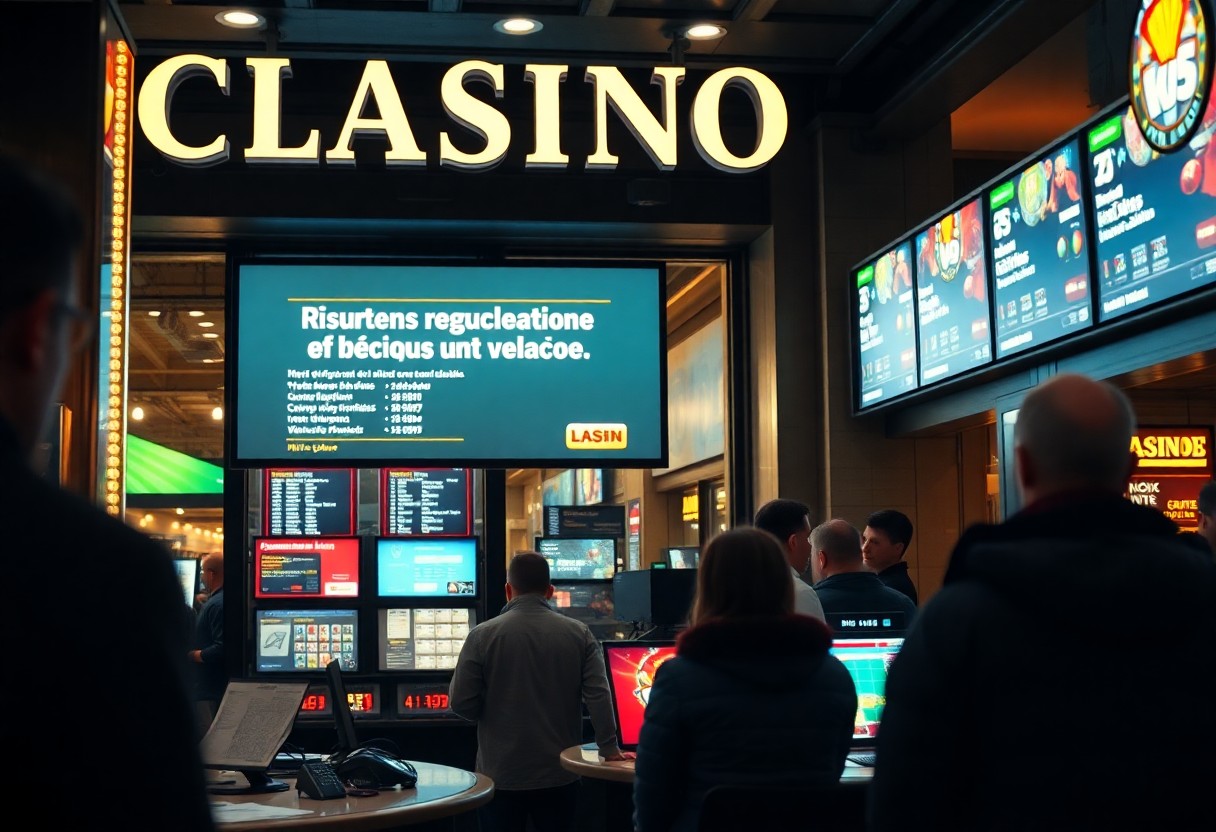
They are witnessing a significant shift in France's gambling landscape as the country implements stricter regulations. She notes that these changes present both opportunities and challenges for operators. He observes that the new rules aim to enhance player protection and reduce problem gambling. They will need to adapt to these changes to remain competitive in the market, and the outcome will be closely watched by industry experts.
Regulatory Framework
For the French gambling industry, a robust regulatory framework is vital to ensure fair play, protect consumers, and prevent fraudulent activities. They have established a set of rules and guidelines that operators must adhere to in order to offer their services in the country. The regulatory framework is designed to promote responsible gambling and prevent problem gambling, while also generating revenue for the government.
Overview of France's gambling regulations
Beneath the surface of France's gambling industry lies a complex regulatory framework that governs all aspects of gambling, from online betting to land-based casinos. They have implemented a licensing system, which requires operators to obtain a license from the regulatory authority, Autorité de régulation des jeux en ligne (ARJEL), in order to operate in the country. The regulatory authority is responsible for enforcing the rules and regulations, as well as monitoring operators to ensure they are complying with the law.





















Below the licensing system, there are specific regulations governing different types of gambling activities, such as sports betting, poker, and casino games. They have also established rules for advertising and marketing, as well as guidelines for responsible gambling practices. The regulatory framework is regularly reviewed and updated to ensure it remains effective in protecting consumers and preventing problem gambling.
Key changes and updates
Across the French gambling industry, there have been significant changes and updates to the regulatory framework in recent years. They have introduced new regulations governing online gambling, including rules for online betting and poker. The regulatory authority has also increased its efforts to crack down on illegal gambling operators, with a focus on protecting consumers and preventing fraudulent activities.
Even as the regulatory framework continues to evolve, operators are adapting to the new rules and guidelines. They are investing in compliance and regulatory affairs, in order to ensure they are meeting the requirements of the regulatory authority. The changes and updates to the regulatory framework are designed to promote a safe and fair gambling environment, and operators are working to ensure they are contributing to this goal.
Market Impact
Any changes to France's gambling regulations are likely to have a significant impact on the market, and the recent tightening of these regulations is no exception. The new rules aim to promote responsible gambling and protect vulnerable individuals, but they also pose challenges for operators. They will need to adapt to the new requirements, which may involve investing in new technology and procedures to ensure compliance. This could lead to increased costs and potentially reduced revenues, at least in the short term.
The impact of the regulations will be felt across the industry, and operators will need to carefully consider their strategies to remain competitive. They will need to balance the need to comply with the new rules with the need to attract and retain customers. The regulations may also lead to a reduction in the number of operators in the market, as some may decide that the costs of compliance are too high. This could lead to a more consolidated market, with a smaller number of larger operators dominating the industry.
Effects on existing operators
For existing operators, the new regulations present a number of challenges. They will need to review their current practices and procedures to ensure that they are compliant with the new rules. This may involve making significant changes to their operations, such as introducing new age verification procedures or implementing stricter controls on betting limits. They will also need to invest in new technology and training to ensure that their staff are aware of the new regulations and can implement them effectively.
For many existing operators, the new regulations will require a significant shift in their approach to customer protection. They will need to prioritize responsible gambling and take steps to prevent problem gambling. This may involve working more closely with problem gambling charities and organizations, and providing customers with more information and support to help them gamble responsibly. By taking a proactive approach to customer protection, existing operators can demonstrate their commitment to responsible gambling and build trust with their customers.
Opportunities for new market entrants
Existing market conditions may create opportunities for new market entrants to establish themselves in the French gambling industry. They can learn from the experiences of existing operators and develop strategies that are tailored to the new regulatory environment. New entrants can focus on developing innovative products and services that meet the changing needs of customers, while also ensuring that they are compliant with the new regulations.
Existing knowledge of the industry is not a prerequisite for success in the French gambling market, as new entrants can bring fresh perspectives and ideas to the industry. They can leverage new technologies and approaches to customer protection to differentiate themselves from existing operators and attract customers who are looking for a more modern and responsible gambling experience.
This opportunity for new market entrants is significant, as it allows them to enter the market with a clean slate and establish themselves as responsible and innovative operators. They can take advantage of the trends towards online gambling and mobile betting, and develop products and services that are tailored to the needs of modern customers. By doing so, new market entrants can establish themselves as major players in the French gambling industry and challenge the dominance of existing operators.
Licensing and Compliance
While France's gambling regulatory framework has undergone significant changes, the licensing and compliance process remains a key aspect of the industry. They have introduced stricter regulations to ensure operators meet certain standards, providing a safe and fair environment for players. The regulatory body, responsible for overseeing the industry, has implemented measures to prevent money laundering, protect minors, and promote responsible gaming. Operators must adhere to these regulations to obtain and maintain a license, allowing them to offer their services in the French market. They must demonstrate compliance with the regulatory requirements, which include technical standards, player protection measures, and anti-money laundering protocols.
The licensing process involves a thorough evaluation of the operator's application, including their business plan, financial resources, and technical capabilities. They must provide detailed information about their operations, management structure, and marketing strategies. The regulatory body assesses the application to ensure the operator meets the necessary requirements, and a license is granted if they comply with the regulations. Operators must also pay a licensing fee, which varies depending on the type of license and the scope of their operations. They are required to renew their license periodically, which involves reassessing their compliance with the regulatory requirements.
Application process and requirements
For operators seeking to enter the French market, the application process involves submitting a detailed application to the regulatory body. They must provide extensive documentation, including financial statements, business plans, and technical specifications. The regulatory body evaluates the application to ensure the operator meets the necessary requirements, including technical standards, player protection measures, and anti-money laundering protocols. They must also demonstrate compliance with the regulatory requirements, including responsible gaming measures and age verification processes.
For example, operators must implement measures to prevent minors from accessing their services, such as age verification checks and parental controls. They must also provide players with tools to manage their gaming activity, including deposit limits and self-exclusion options. The regulatory body assesses the operator's application to ensure they meet these requirements, and a license is granted if they comply with the regulations. They are required to pay a licensing fee, which varies depending on the type of license and the scope of their operations.
Consequences of non-compliance
Between the regulatory body and operators, there is a clear understanding of the consequences of non-compliance. They face significant penalties, including fines and license revocation, if they fail to meet the regulatory requirements. The regulatory body monitors operators' activities, and any non-compliance is addressed promptly. They may impose fines, suspend licenses, or revoke them altogether, depending on the severity of the non-compliance. Operators must ensure they comply with the regulations to avoid these consequences and maintain their license.
Between the regulatory body and operators, there is an ongoing dialogue to ensure compliance with the regulations. They work together to address any issues, and operators are encouraged to report any suspicious activity or concerns. The regulatory body provides guidance and support to operators, helping them to comply with the regulations and maintain their license. They also conduct regular audits and inspections to ensure operators meet the necessary requirements.
Due to the severity of the consequences, operators take compliance very seriously, investing significant resources in ensuring they meet the regulatory requirements. They implement robust systems and processes to prevent money laundering, protect players, and promote responsible gaming. The regulatory body's efforts to prevent non-compliance have been successful, with most operators taking a proactive approach to compliance. They work closely with the regulatory body, reporting any issues or concerns and seeking guidance and support when needed. As a result, the French gaming market is considered one of the most regulated and safest in the world.
Player Protection
All French gambling operators are required to adhere to strict regulations aimed at protecting players from the risks associated with gambling. They must ensure that their platforms are secure, transparent, and fair, providing players with a safe environment to place their bets. The French authorities have implemented various measures to prevent problem gambling, and operators must comply with these regulations to maintain their licenses. They are also expected to provide resources and support to players who may be experiencing gambling-related problems.
They have introduced measures such as deposit limits, self-exclusion programs, and reality checks to help players manage their gambling habits. Operators are also required to display responsible gambling messages and provide access to support services for players who may be struggling with addiction. The goal of these regulations is to promote responsible gambling practices and reduce the risk of problem gambling among players.
Measures to prevent problem gambling
Before allowing players to access their platforms, operators must conduct thorough age verification checks to ensure that only adults are able to gamble. They must also provide players with tools to track their spending and set limits on their deposits. Additionally, operators are required to monitor player behavior and intervene when they suspect that a player may be experiencing problems with gambling. They must also provide players with information about responsible gambling practices and the risks associated with excessive gambling.
Before players can start gambling, they must be aware of the risks involved and the measures in place to protect them. Operators must provide clear and concise information about their responsible gambling policies and procedures. They must also ensure that their advertising and marketing materials are not misleading or targeted towards vulnerable individuals. By taking these steps, operators can help prevent problem gambling and promote a safe and responsible gambling environment.
Responsible gambling initiatives
Behind the scenes, operators are working to develop and implement responsible gambling initiatives that promote healthy gambling habits. They are using advanced technology to monitor player behavior and identify early signs of problem gambling. They are also collaborating with experts in the field to develop effective treatment programs for players who are struggling with addiction. Furthermore, operators are investing in research and education to better understand the causes of problem gambling and develop more effective prevention strategies.
Behind the efforts to promote responsible gambling, operators are driven by a desire to protect their players and maintain a positive reputation. They understand that responsible gambling practices are imperative to the long-term sustainability of their business and the well-being of their customers. By prioritizing player protection, operators can build trust with their players and create a safe and enjoyable gaming experience.
It is worth noting that responsible gambling initiatives are an ongoing process that requires continuous monitoring and evaluation. Operators must regularly review their policies and procedures to ensure they are effective in preventing problem gambling and promoting responsible gambling practices. They must also be willing to adapt to changing circumstances and emerging trends in the industry. By taking a proactive and committed approach to responsible gambling, operators can help create a safer and more responsible gambling environment for all players.
Taxation and Revenue
After the introduction of France's tightened gambling regulations, the taxation and revenue landscape for operators has undergone significant changes. They have been forced to adapt to new tax rates and structures, which have impacted their revenue and profitability. The French government has implemented these changes to ensure a more regulated and responsible gambling environment, while also generating revenue for the state. The new regulations have created both opportunities and challenges for operators, and they must navigate these changes to remain competitive in the market.
The taxation and revenue implications of the new regulations are complex and multifaceted. They require operators to carefully manage their finances and make strategic decisions about their operations. The French government has established a framework for taxation that is designed to promote responsible gambling and generate revenue, while also ensuring that operators are able to operate profitably. As a result, operators must be aware of the tax rates and structures that apply to their operations, as well as the impact of these taxes on their revenue and profitability.
Tax rates and structures
By examining the tax rates and structures imposed by the French government, it becomes clear that they are designed to encourage responsible gambling and generate revenue. They have established a range of taxes, including taxes on gaming revenue, betting taxes, and taxes on poker and other games. These taxes vary depending on the type of game and the operator's revenue, and they are designed to promote a level playing field for all operators. They have also introduced measures to prevent tax evasion and ensure that operators are complying with the regulations.
By understanding the tax rates and structures, operators can better navigate the regulatory environment and make informed decisions about their operations. They can also identify opportunities to minimize their tax liability and maximize their revenue. However, the complexity of the tax system can be challenging for operators, and they may need to seek professional advice to ensure that they are complying with the regulations.
Impact on operators' revenue and profitability
At the heart of the taxation and revenue implications of the new regulations is the impact on operators' revenue and profitability. They must carefully manage their finances to ensure that they are generating sufficient revenue to cover their costs and comply with the regulations. The new taxes and regulations have increased the costs of operating in France, and operators must adapt to these changes to remain competitive. They have also created opportunities for operators to innovate and differentiate themselves from their competitors.
At the same time, the regulations have also created challenges for operators, particularly smaller operators who may struggle to comply with the new taxes and regulations. They may need to invest in new systems and processes to manage their finances and comply with the regulations, which can be costly and time-consuming. However, the opportunities created by the new regulations can also help to drive growth and innovation in the industry.
Rates of taxation can have a significant impact on operators' revenue and profitability, and they must carefully consider the tax implications of their operations. They may need to adjust their pricing and revenue models to ensure that they are generating sufficient revenue to cover their costs and comply with the regulations. By doing so, they can minimize the impact of the taxes and regulations on their revenue and profitability, and remain competitive in the market. They can also identify opportunities to innovate and differentiate themselves from their competitors, and drive growth and innovation in the industry.
Future Outlook
Despite the tightened regulations, the French gambling market is expected to continue growing, albeit at a slower pace. The new regulations aim to promote responsible gambling and protect players, which is likely to lead to a more stable and sustainable market in the long run. They anticipate that the market will adapt to the new rules and find ways to innovate and thrive within the new framework. The future of the French gambling market will likely be shaped by the ability of operators to balance their business needs with the requirements of the new regulations.
The regulatory changes will also lead to increased transparency and accountability, which will help to build trust among players and the general public. They expect that this, in turn, will lead to increased participation and engagement in the market, driving growth and revenue for operators. The operators who are able to navigate the new regulatory landscape effectively will be well-positioned to capitalize on the opportunities presented by the French market.
Prospects for the French gambling market
Prospectively, the French gambling market is expected to undergo significant changes in the coming years. They foresee a shift towards online gambling, with more players turning to digital platforms to place their bets. This will create new opportunities for operators who are able to provide high-quality online experiences and adapt to the changing preferences of players. The market is also expected to become more competitive, with new entrants and established players vying for market share.
Potentially, the French market will become a model for other European countries to follow, as they seek to balance the need to protect players with the need to promote a vibrant and competitive gaming industry. They anticipate that the French regulatory framework will be closely watched by other countries, and its effectiveness will be carefully evaluated. If successful, it could lead to a new era of cooperation and coordination among European regulators, shaping the future of the industry as a whole.
Challenges and potential hurdles
About the challenges that lie ahead, they are numerous and complex. The new regulations will require operators to make significant investments in compliance and player protection, which will be a major challenge for some. They will need to balance the need to protect players with the need to provide an attractive and competitive offering, which will be a delicate balancing act. The risk of non-compliance is high, and the consequences of getting it wrong will be severe.
In addition, the French market will face challenges from illegal operators who seek to exploit loopholes and weaknesses in the regulatory framework. They will need to be vigilant and proactive in detecting and preventing such activities, which will be a significant challenge. The authorities will need to work closely with operators and other stakeholders to ensure that the regulations are effective in preventing illegal activity and protecting players, while also allowing the legitimate industry to thrive.
To wrap up
Ultimately, France's tightened gambling regulations present a complex landscape for operators, filled with both opportunities and challenges. They view these regulations as a means to ensure a safer and more responsible gambling environment, which can lead to increased trust and loyalty from players. She notes that operators who adapt effectively to these regulations can differentiate themselves from competitors and establish a strong reputation in the market. However, he also acknowledges that the increased regulatory burden can be a significant challenge, particularly for smaller operators who may struggle to comply with the new requirements.
They consider the regulations as a catalyst for innovation, driving operators to develop more sophisticated and player-friendly platforms. He believes that operators who prioritize transparency, fairness, and player protection will be well-positioned to succeed in the French market. Moreover, she observes that the regulations can also lead to increased collaboration between operators, regulators, and other stakeholders, ultimately resulting in a more sustainable and responsible gaming industry. As the regulatory landscape continues to evolve, operators must remain vigilant and proactive in their approach, leveraging the opportunities presented by France's tightened gambling regulations while navigating the associated challenges.
FAQs
What is the regulatory framework for gambling in France?
The regulatory framework ensures fair play, protects consumers, and prevents fraudulent activities, with a licensing system and guidelines for different gambling activities.
Why is France tightening its gambling regulations?
The new regulations aim to enhance player protection, reduce problem gambling, and ensure responsible gambling practices while generating revenue for the government.
What types of gambling activities are regulated in France?
Sports betting, poker, casino games, and online gambling are all regulated in France with specific guidelines for each.
How does the French government enforce gambling regulations?
The Autorité de régulation des jeux en ligne (ARJEL) monitors operators and ensures compliance with the regulatory framework through audits and penalties.
What are the challenges for operators under the new regulations?
Operators need to adapt to new technology, ensure compliance with stricter rules, and invest in responsible gambling measures while managing increased costs.
Can new market entrants benefit from France's new gambling regulations?
Yes, new entrants can capitalize on innovative products and services, ensuring compliance with the latest regulations, and establishing themselves as responsible operators.
What is the licensing process for gambling operators in France?
Operators must submit detailed documentation, including financial plans and business details, to obtain a license from the French regulatory authority.
What are the consequences of non-compliance with French gambling regulations?
Operators face fines, license suspension, or revocation if they fail to comply with the regulations.
How does France protect players from problem gambling?
Operators are required to implement responsible gambling measures like deposit limits, self-exclusion, age verification, and provide access to support services.
What is the future outlook for the French gambling market?
The market is expected to grow steadily with a shift towards online gambling, increased transparency, and a more competitive landscape for operators.

Michael
With nearly 30 years in corporate services and investigative journalism, I head TRIDER.UK, specializing in deep-dive research into gaming and finance. As Editor of Malta Media, I deliver sharp investigative coverage of iGaming and financial services. My experience also includes leading corporate formations and navigating complex international business structures.
Related Posts





Onlyplay launches Hot Dunk basketball slot with free spins
April 10, 2026



Italy reconsiders gambling ad ban to boost football funding
April 10, 2026