Gamification – Beyond the Casino
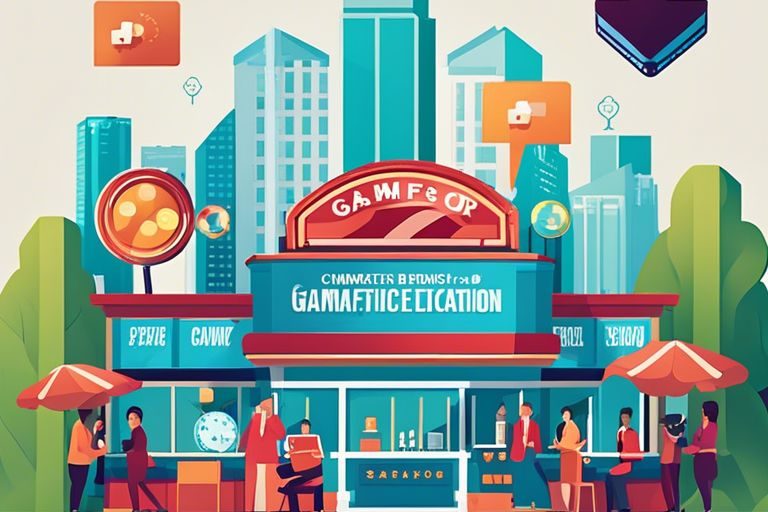
There's a growing trend in various industries to incorporate #gamification into their strategies, extending far beyond #casinos. This innovative approach uses #game design elements to engage, motivate, and reward users, resulting in increased customer interactions, brand loyalty, and #business success. Gamification has proven to be a powerful tool for companies looking to enhance user experience and drive meaningful behavior change.
The Psychology of Gamification
Before delving into the applications of gamification, it's vital to understand the psychological principles that make gamification so effective. By tapping into fundamental human motivations, gamification has the power to engage users on a deeper level and drive desired behaviors.
Motivation and Reward Systems
On a fundamental level, gamification leverages intrinsic and extrinsic motivators to encourage user engagement. Intrinsic motivators, such as a sense of accomplishment or self-improvement, can be enhanced through gamified elements like progress bars or achievement badges. Extrinsic motivators, such as rewards or competition with others, can be harnessed through leaderboards, points systems, or virtual rewards. By strategically combining these motivators, gamification can effectively drive user behavior and keep them coming back for more.





















Behavioral Reinforcement and Retention
To understand the importance of behavioral reinforcement and retention in gamification, it's crucial to recognize that human behavior is largely driven by rewards and consequences. By consistently rewarding desired behaviors and providing feedback on progress, gamification can reinforce positive actions and increase user engagement. Additionally, the element of competition and social interaction in gamification can further enhance retention by fostering a sense of community and accountability.
With a deep understanding of the psychology behind motivation, reward systems, behavioral reinforcement, and retention, businesses and organizations can effectively leverage gamification to drive user engagement, influence behaviors, and achieve desired outcomes.
Gamification in Education
Enhancing Learning through Gamified Systems
Some of the most significant advancements in education have come from the integration of gamification into learning environments. By incorporating game elements such as points, rewards, and levels into educational activities, students are more engaged and motivated to complete tasks. Gamified systems provide immediate feedback, personalized learning paths, and a sense of achievement that can significantly enhance the learning experience.
Challenges and Opportunities
Challenges arise when implementing gamified systems in education, as not all students may respond positively to the gaming elements. Additionally, designing effective gamified learning experiences that align with educational objectives can be complex. However, the benefits of gamification in education are numerous, offering a unique opportunity to revolutionize traditional teaching methods and cater to diverse learning styles.
Opportunities: The integration of gamification in education opens up opportunities for educators to create interactive and immersive learning experiences that can cater to individual student needs. By harnessing the power of gamified systems, teachers can inspire creativity, critical thinking, and collaboration among students, leading to improved academic performance and a deeper understanding of complex subjects.
Gamification in the Workplace
Employee Engagement through Game Mechanics
To enhance employee engagement, many organizations are turning to gamification to infuse fun and competition into everyday tasks. Gamification involves incorporating game elements such as points, leaderboards, badges, and rewards into work processes to motivate employees and make their work more interactive. By implementing game mechanics, employees are more likely to feel a sense of accomplishment, drive, and enjoyment in completing tasks.
Impact on Productivity and Workforce Satisfaction
Workforce productivity and satisfaction can see significant improvements through the introduction of gamification in the workplace. Studies have shown that gamification can lead to a boost in productivity as employees are more motivated to achieve personal and team goals set within the game framework. Furthermore, by fostering a sense of competitiveness and collaboration through gamified tasks, organizations can create a more engaged workforce that feels valued and recognized for their efforts.
This innovative approach to work not only enhances employee engagement but also contributes to improved productivity and workforce satisfaction. Organizations that effectively implement gamification in the workplace can expect to see a positive impact on employee performance and overall business success.
Gamification and Health
Promoting Healthy Behavior with Gamification
Health is not something to be taken lightly – it impacts every aspect of our lives. As far as promoting healthy behavior, gamification has emerged as a powerful tool. By integrating game mechanics such as points, badges, levels, and leaderboards into health and wellness activities, individuals are motivated to engage in positive behaviors. Whether it's encouraging physical activity, promoting proper nutrition, or ensuring medication adherence, gamification can make healthy choices more appealing and rewarding.
Gamified Health Apps and Their Efficacy
Apps play a pivotal role in the gamification of health. These applications leverage the ubiquitous presence of smartphones to deliver personalized and engaging experiences that drive behavior change. Studies have shown that gamified health apps can improve user engagement, adherence to treatment plans, and overall health outcomes. These apps provide users with real-time feedback, progress tracking, and social support, creating a holistic approach to health management.
Gamification in health apps is not just about making healthy behaviors fun; it's about empowering individuals to take control of their well-being. By tapping into intrinsic motivators such as curiosity, mastery, and social connection, gamified health apps have the potential to revolutionize the way we approach healthcare. As more research is conducted and technology continues to evolve, the impact of gamification on health outcomes is only expected to grow.
Gamification in Marketing
The Role of Gamification in Customer Loyalty
For companies looking to build lasting relationships with their customers, gamification is proving to be a powerful tool. By integrating game elements such as points, badges, and leaderboards into their loyalty programs, businesses can create a more engaging and rewarding experience for their consumer base. Customer loyalty is strengthened through gamification, as it provides users with a fun and interactive way to interact with the brand, ultimately leading to increased retention rates.
Interactive Campaigns: Case Examples and Outcomes
Gamification has been successfully utilized in various marketing campaigns to drive customer engagement and participation. Brands like Nike and Starbucks have incorporated gamified elements into their mobile apps, encouraging users to interact with the brand on a deeper level. Interactive campaigns using gamification have shown to increase brand awareness, customer engagement, and loyalty, resulting in a positive impact on sales and overall brand perception.
Interactive Campaigns: Case Examples and Outcomes – In recent years, we have seen a rise in interactive marketing campaigns that integrate gamified elements to captivate audiences and drive results. Brands are leveraging gamification techniques to create personalized and immersive experiences for their customers, ultimately leading to increased brand loyalty and customer retention.
Technology and Gamification
Despite gamification being widely associated with casinos and gaming, its applications extend far beyond entertainment. Technology plays a crucial role in shaping the landscape of gamified experiences, pushing the boundaries of what is possible.
Advances in Gamified Apps and Platforms
Technology has revolutionized the way businesses engage with their customers through gamified apps and platforms. Companies across various industries are incorporating game elements such as points, badges, and leaderboards to drive user engagement and motivate desired behaviors. These apps leverage the latest advancements in AI, data analytics, and mobile technology to create personalized and immersive experiences that keep users coming back for more.
The Intersection of VR, AR, and Gamification
For companies looking to take gamification to the next level, the integration of Virtual Reality (VR), Augmented Reality (AR), and gamification offers a powerful combination. The ability to immerse users in interactive worlds where they can earn rewards, complete challenges, and collaborate with others opens up new possibilities for engagement and learning. However, as with any emerging technology, there are risks and challenges that need to be addressed to ensure a positive user experience.
Ethical Considerations in Gamification
The Balance between Engagement and Exploitation
Your gamification strategies should always be designed with ethical considerations in mind. One critical aspect to keep in check is the balance between engagement and exploitation. While gamification techniques can be highly effective in capturing and maintaining user interest, there is a fine line between engaging users and exploiting their time, money, or personal information. It is vital to ensure that your gamified experiences are designed to enhance user engagement positively without crossing into manipulation or coercion.
Privacy and Data Security Concerns
One of the most pressing ethical considerations in gamification revolves around privacy and data security concerns. Collecting personal data through gamified interactions can lead to potential breaches and misuse if not handled carefully. It is crucial to establish clear guidelines on how user data will be collected, stored, and used within your gamification system. Additionally, ensuring that users are fully informed about the data being collected and obtaining their explicit consent is paramount to maintaining trust and transparency. Implementing robust security measures to protect user data is also vital to prevent any unauthorized access or breaches.
One of the concerns is the potential for data collected through gamification to be shared with third parties without user consent, leading to privacy violations. Organisations must prioritize the protection of user data by complying with data protection regulations and adopting secure data handling practices. By addressing these privacy and data security concerns proactively, you can ensure that your gamification efforts promote ethical user engagement while safeguarding user privacy.
Future Trends in Gamification
The Role of Artificial Intelligence in Personalized Gamification
Artificial intelligence is revolutionizing the world of gamification by enabling personalized experiences tailored to each individual user. AI algorithms analyze behavioral patterns and preferences to deliver customized game dynamics, challenges, and rewards that resonate with users on a deeper level. This level of personalization increases user engagement and motivation, ultimately driving desired actions and outcomes.
Predictions for Gamification in Various Industries
With the continuous advancement of technology, gamification is set to make a significant impact across various industries in the near future. Healthcare is one sector that will benefit greatly from gamification, as it has the potential to motivate patients to adhere to treatment plans and lead healthier lifestyles. Additionally, education is another field where gamification will play a crucial role in enhancing learning experiences and fostering student engagement.
Industries across the board are recognizing the power of gamification to drive behavior and achieve business objectives. As companies seek innovative ways to engage customers and employees, gamification will continue to be at the forefront of digital transformation strategies. By integrating game elements into their processes, organizations can increase productivity, foster loyalty, and drive positive outcomes.
Final Words
Following this exploration of gamification beyond the casino, it becomes evident that the concept's applications extend far beyond gaming and entertainment. By incorporating game elements in various industries such as education, marketing, and employee engagement, organizations can harness the power of motivation and engagement to achieve desired outcomes.
As the digital landscape continues to evolve, the potential for gamification to revolutionize how we learn, work, and interact with brands is limitless. By understanding the fundamental principles of gamification and implementing tailored strategies, businesses can create immersive experiences that drive results and foster long-term customer loyalty. Embracing gamification is not just about playing games, but rather about leveraging the power of play to drive innovation, engagement, and success in a variety of contexts.
FAQs
What is gamification and how does it work?
Gamification integrates game elements like points, badges, and rewards into non-game contexts to enhance user engagement and motivation.
What are the benefits of gamification in business?
Gamification can boost customer interactions, foster brand loyalty, and drive meaningful behavior change by tapping into intrinsic and extrinsic motivators.
How does gamification impact education?
Gamification in education enhances learning by making educational activities more engaging, providing immediate feedback, and personalizing learning paths.
What role does gamification play in employee engagement?
In the workplace, gamification motivates employees through game mechanics like leaderboards and rewards, leading to increased productivity and job satisfaction.
How does gamification promote healthy behaviors?
Gamified health apps use game elements to encourage positive behaviors such as physical activity and medication adherence, improving overall health outcomes.

Michael
With nearly 30 years in corporate services and investigative journalism, I head TRIDER.UK, specializing in deep-dive research into gaming and finance. As Editor of Malta Media, I deliver sharp investigative coverage of iGaming and financial services. My experience also includes leading corporate formations and navigating complex international business structures.
Related Posts


SBC Summit Malta to help affiliates unlock new growth
April 9, 2026

Vyking Launches Real-Time Rebate & Cashback Engine
April 9, 2026