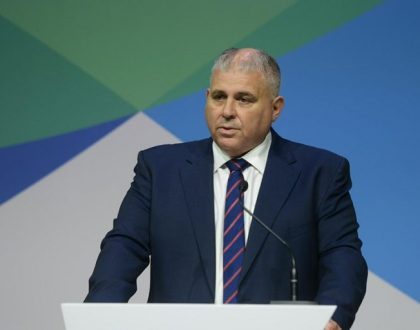
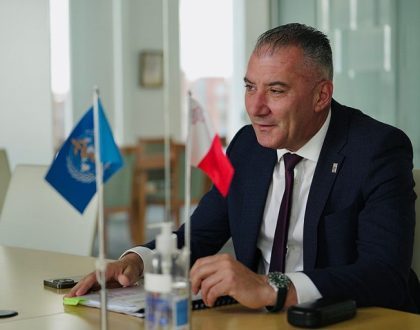
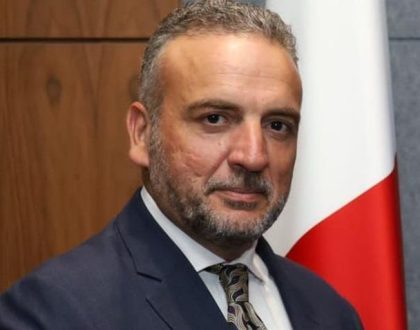
Health Minister’s brother received €42K government contract
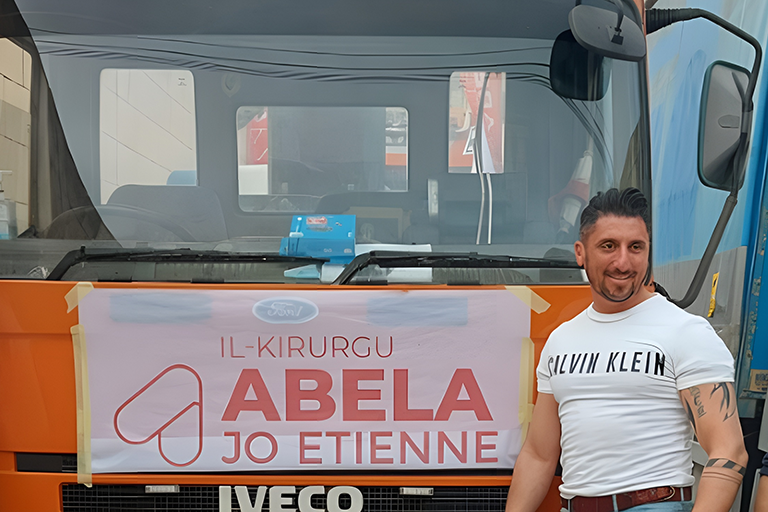
The Maltese government has come under fresh criticism following disclosures that Ino Abela, a transport operator from Gozo and sibling of Health Minister Jo Etienne Abela, was paid €42,000 in public funds over a span of nine months for delivering farm produce to the Pitkalija market in Ta’ Qali. The service was granted through a direct order by the Malta Food Agency, raising questions over transparency, favoritism, and the use of taxpayer money.
Agriculture Minister Anton Refalo, who is also from Gozo, confirmed that a direct order had been issued to Abela for the service, which involved transporting fruit and vegetables from Gozo to Malta. However, the minister did not provide details on the criteria used to select Abela for the role or explain why the contract was not subjected to a public tender from the outset.
Details of the contract
According to information released through a Freedom of Information (FOI) request submitted by The Shift, Ino Abela was paid €4,500 per month between May 2024 and January 2025 for the transport service. His job was to collect fresh produce from a pickup point in Xewkija, Gozo, and deliver it to the Pitkalija market in Ta’ Qali, Malta, twice weekly.





















The arrangement was designed to assist some 250 Gozitan farmers, helping them access a wider market in Malta. While the objective of supporting agriculture and easing logistics for farmers is commendable, the lack of transparency in the allocation of the contract has prompted serious concerns, particularly given Abela’s familial connection to a sitting cabinet minister.
Tender issued after controversy
The government discontinued the direct order to Abela after criticism emerged and eventually issued a public tender for the same service. Despite submitting a bid, Ino Abela was not selected. His proposal of €166,000 for a two-year contract was significantly higher than the winning bid submitted by George Vella, who secured the contract at a total cost of €95,000.
The significant cost difference raises further concerns about whether the original contract with Abela offered value for money. Critics argue that the original monthly payment of €4,500 appears excessive when compared to the newly agreed service rate under the tendered contract.
Political context and parliamentary questioning
The matter surfaced in Parliament after Nationalist Party MP Chris Said questioned Minister Anton Refalo about whether the government had engaged the Health Minister’s brother to carry out the publicly funded transport service. Refalo confirmed the information but failed to provide further details, such as how Abela was chosen or the nature of the agreement that bypassed competitive procurement procedures.
While Refalo emphasized that the direct order had since ended, he refrained from clarifying the process that led to the initial appointment, nor did he explain why competitive bidding was not employed from the start. The opacity surrounding the decision has sparked criticism from both opposition politicians and civil society watchdogs.
Broader concerns about nepotism
This is not the first time the Abela family has come under the spotlight for receiving government appointments. Since Jo Etienne Abela was appointed Health Minister in 2022, several of his relatives have been placed in government positions, fueling allegations of nepotism.
The most notable of these is Mariella Abela, the minister’s sister-in-law and wife of Ino Abela. She was appointed as the Health Minister’s personal secretary shortly after his elevation to the Cabinet. According to Health Ministry sources, Mariella Abela wields significant influence within the ministry and is often referred to as “the power behind the throne.” Her involvement in politics has also extended to local governance, as she successfully contested the Victoria local council election on the Labour Party ticket last year.
Lack of transparency in public spending
The Abela case is part of a broader pattern of concern regarding the allocation of public funds without adequate transparency or accountability. Direct orders, while legal under specific circumstances, are generally considered exceptions to the rule of open competition. Their use is often justified in cases of urgency or uniqueness, but critics argue that they are increasingly being used to circumvent fair tendering procedures.
Transparency advocates and financial watchdogs have repeatedly urged the government to tighten regulations around direct orders, especially when they involve individuals with political connections. The National Audit Office and civil society organizations have stressed the need for public procurement to follow clear, competitive processes to ensure public trust and avoid wasteful spending.
The role of the Malta Food Agency
The direct order granted to Ino Abela was issued by the Malta Food Agency, an entity operating under the authority of the Ministry for Agriculture. The agency’s rationale for choosing him has not been made public, and it remains unclear whether any formal criteria or selection processes were applied.
Given that the same service was later provided at a much lower cost through a competitive tender, questions remain about the agency’s decision-making process and whether due diligence was performed prior to the initial appointment. As a government entity tasked with managing agricultural logistics and ensuring market efficiency, the agency’s transparency is vital for maintaining public confidence.
Opposition response and calls for accountability
Opposition members have seized on the issue as a clear example of mismanagement and favoritism. MP Chris Said and others from the Nationalist Party have demanded a formal explanation from the Agriculture Minister and the Health Minister, insisting that taxpayers deserve to know how their money is being spent.
They have also called for an independent investigation into all direct orders issued under the current administration, particularly those involving individuals with familial or political ties to ministers. The opposition argues that such practices erode trust in democratic institutions and give rise to a culture of entitlement among politically connected families.
Public reaction and implications for governance
The revelation of this contract has sparked debate among citizens and commentators, with many expressing frustration over perceived cronyism and a lack of meritocracy in public sector appointments. The case has been widely discussed on social media and in local news outlets, with critics highlighting how such incidents contribute to a broader sense of political disillusionment.
As Malta continues to grapple with issues of good governance and transparency, cases like that of Ino Abela underscore the urgent need for systemic reforms. While the government’s eventual transition to a public tender is a step in the right direction, the initial failure to ensure transparency has left a stain that will not be easily removed.
Conclusion
The case involving Ino Abela’s government contract has reignited debates over transparency, nepotism, and accountability within Malta’s public administration. While the need to support Gozitan farmers through logistical services is unquestionable, the manner in which the initial contract was awarded—via direct order to the Health Minister’s brother—raises serious concerns about the integrity of procurement practices.
Though the government eventually replaced the direct order with a competitively tendered contract at a significantly lower cost, the damage to public trust has already been done. The lack of clear explanation for the original selection process and the involvement of politically connected individuals has only deepened perceptions of favoritism and a lack of meritocracy.
For Malta to move forward and reinforce its commitment to good governance, reforms in public procurement processes must be implemented to ensure transparency and fairness. Every taxpayer euro must be accounted for, and every contract—regardless of size or sector—must be awarded based on open competition and merit, not political ties.
This case is a clear reminder that public trust is fragile and must be preserved through consistent, ethical, and transparent decision-making at all levels of government.
FAQs
Who is Ino Abela?
Ino Abela is a haulage operator from Gozo and the brother of Health Minister Jo Etienne Abela. He was paid by the government to transport produce from Gozo to Malta.
What service did Ino Abela provide?
He transported fruit and vegetables from Xewkija, Gozo, to the Pitkalija market in Ta’ Qali, Malta, twice a week under a government contract.
How much was Ino Abela paid?
He received €42,000 over a nine-month period, averaging €4,500 per month.
Was the contract publicly tendered?
No, the initial contract was awarded through a direct order. A public tender was issued only after public scrutiny.
Who won the contract after the tender process?
George Vella won the contract with a bid of €95,000 for two years, significantly lower than Abela’s €166,000 bid.
Why is the contract controversial?
It is controversial due to the familial connection between Ino Abela and the Health Minister, raising concerns about favoritism and lack of transparency.
What has the Agriculture Minister said about the contract?
Minister Anton Refalo confirmed the direct order but did not explain why or how Abela was selected.
Did Ino Abela receive the new contract?
No, his bid for the two-year contract was not selected. A different provider won the tender.
Is this the only family member of the Health Minister employed in government?
No, his sister-in-law, Mariella Abela, is also employed as his personal secretary and holds influence within the ministry.
What is being done to improve transparency in such cases?
Opposition MPs and civil society groups are calling for tighter controls and greater transparency in the use of direct orders and government contracts.

Claire
A highly motivated, results-driven, enthusiastic and ambitious writer. I can offer you well researched and high-quality article writing on any topic for your website or blog and can as well re-write your existing web content.