

















How Payment Gateways Identify Linked Wallet Networks?
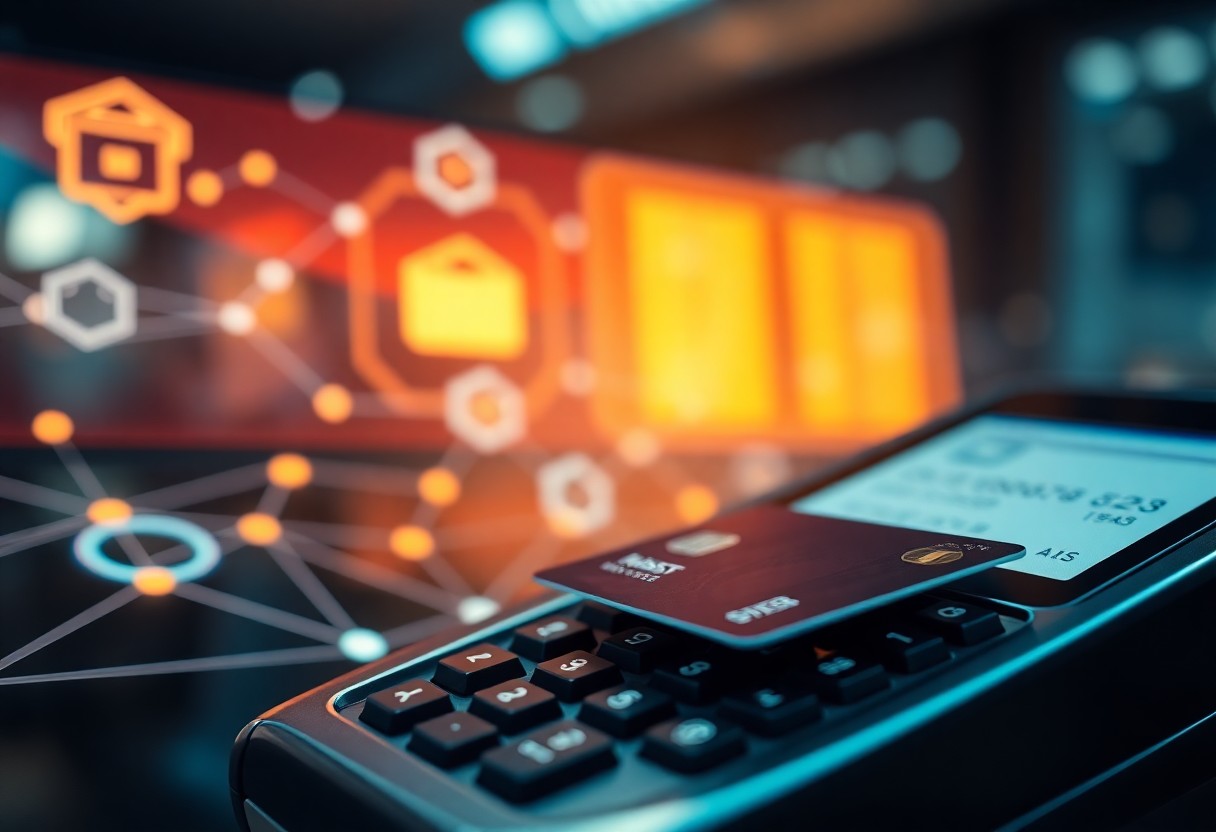
Payment gateways utilize advanced algorithms and protocols to identify and authenticate linked wallet networks. By analyzing transaction data, user behaviors, and network connections, they ensure secure and seamless transactions between merchants and consumers. This process involves multi-layered verification techniques that include tokenization and real-time fraud detection, all aimed at safeguarding users' financial information. Understanding how these systems operate enhances awareness of digital transaction safety and improves users' confidence in online payments.
Key Takeaways:
- Payment gateways employ transaction metadata to link wallets by analyzing user patterns and transaction histories.
- They utilize cross-referencing algorithms to identify common account information across different wallets within a network.
- Advanced machine learning techniques enhance detection capabilities, reducing fraud risk by identifying unusual transaction relationships.
Understanding Payment Gateways
Definition of Payment Gateways
Payment gateways are technology solutions that facilitate the transfer of payment information between a customer and a merchant, acting as an intermediary in online transactions. They ensure secure processing of credit card and electronic payments by encrypting sensitive data, thus minimizing the risk of fraud.
Importance in Online Transactions
Payment gateways are pivotal in the e-commerce ecosystem, enabling seamless transactions for businesses and consumers alike. They provide the security and speed required for processing payments, fostering consumer trust while ensuring merchants receive payment quickly.








Types of Payment Gateways
Payment gateways can vary significantly in their operational specifics. They can be categorized based on their integration with websites and payment methods.
| Hosted Payment Gateways | Redirects users to the gateway's platform for payment processing. |
| Self-Hosted Payment Gateways | Integrates payment processing directly on the merchant's website. |
| API Payment Gateways | Utilizes APIs to facilitate transactions within the business's user interface. |
| Mobile Payment Gateways | Optimized for mobile transactions, often through apps or mobile sites. |
| Cryptocurrency Payment Gateways | Processes transactions using cryptocurrency rather than traditional currencies. |
Different payment gateways serve unique business needs. For instance, hosted gateways enhance security but may redirect users, while self-hosted solutions provide a more seamless experience. Each type has distinct advantages based on transaction volume and intended customer interaction.
- The right choice depends on the business model and customer preference.
Further Analysis of Payment Gateways
Factors influencing the choice of a payment gateway include fees, security measures, and customer service availability. Businesses must closely evaluate these aspects to align with their operational requirements.
| Transaction Fees | Varies by provider, impacting cost for the merchant. |
| Security Features | Include encryption, PCI compliance, and fraud detection. |
| Geographical Availability | Certain gateways may be limited to specific regions or countries. |
| User Experience | Can affect customer satisfaction and checkout completion rates. |
| Integration Capabilities | Compatibility with existing systems is critical for functionality. |
- The integration process can significantly impact the efficiency of online transactions.
The Concept of Wallet Networks
Definition of Wallet Networks
Wallet networks refer to interconnected digital or mobile wallets that allow users to store, send, and receive funds across various platforms seamlessly. These networks facilitate transactions by linking different wallets, enabling users to transact with multiple merchants and services without needing to convert currencies or transfer funds manually.
Types of Wallets (Mobile, Digital, etc.)
Wallets can be categorized based on their functionality and platforms, such as mobile wallets, digital wallets, and cryptocurrency wallets. Mobile wallets are applications on smartphones that enable users to make payments and manage funds on-the-go. Digital wallets operate primarily online and can be accessed via web browsers, while cryptocurrency wallets specifically manage digital currencies like Bitcoin and Ethereum.
- Mobile wallets store payment information on devices.
- Digital wallets support online transactions and e-commerce.
- Cryptocurrency wallets hold private and public keys.
- Hardware wallets provide offline security for digital assets.
- Web wallets are accessible through browsers.
The combination of these wallet types creates diverse opportunities for transactions across various sectors.
| Wallet Type | Feature |
|---|---|
| Mobile Wallet | Smartphone application |
| Digital Wallet | Web-based access |
| Cryptocurrency Wallet | Stores digital currency keys |
| Hardware Wallet | Physical device for security |
| Web Wallet | Accessible via browser |
Popular Wallet Networks Globally
Several wallet networks have gained significant traction worldwide, such as PayPal, Venmo, Alipay, WeChat Pay, and Apple Pay. These networks are widely used across various regions, with each offering unique features tailored to local markets and user preferences.
The diversity in wallet networks allows them to cater to different financial needs and enhance user experience through innovative features. For instance, PayPal provides buyer protection, while Alipay integrates social payments into its platform, reflecting user trends and preferences. With increasing adoption, wallet networks are becoming indispensable in the digital payment landscape.
- PayPal supports numerous currencies and regions.
- Venmo focuses on peer-to-peer transactions.
- Alipay dominates the Chinese market.
- WeChat Pay integrates social media with payments.
- Apple Pay offers seamless transactions across Apple devices.
The growth of these wallet networks signifies a shift towards more convenient and efficient payment solutions globally.
| Wallet Network | Region |
|---|---|
| PayPal | Global |
| Venmo | USA |
| Alipay | China |
| WeChat Pay | China |
| Apple Pay | Global |
Mechanisms of Payment Processing
Transaction Initiation
The payment process begins with transaction initiation, where a customer selects products or services and proceeds to the payment interface. At this stage, the payment gateway collects necessary data, including credit card details or digital wallet credentials, ensuring a seamless transition from shopping to payment.
Payment Authentication
Once the transaction is initiated, payment authentication verifies the legitimacy of the buyer. This includes methods such as two-factor authentication, one-time passwords, or biometric recognition to ensure that the transaction is valid and that the user has sufficient funds.
Payment authentication is vital in preventing fraud and maintaining security in online transactions. For instance, incorporating biometric verification, such as fingerprint or facial recognition, has seen a rise in adoption since it reduces reliance on easily compromised passwords. Studies indicate that transactions with added authentication layers can decrease chargeback rates by significant percentages, thus serving both merchants and consumers effectively.
Fund Transfer Process
After successful authentication, the fund transfer process initiates, where the payment gateway securely communicates with the acquiring bank. This process includes checking account balances, processing the credit or debit, and ultimately transferring funds from the buyer's bank to the merchant's account.
The fund transfer process typically involves multiple stakeholders, including the payment gateway, acquiring bank, issuing bank, and possibly intermediary networks. A standard transaction can take anywhere from a few seconds to a couple of days, depending on the bank protocols and transaction types, such as domestic or international payments. Advances in fintech have reduced transfer times significantly, influencing overall user satisfaction and trust in digital payment systems.
Identifying Linked Wallet Networks
Data Linking Techniques
Payment gateways employ various data linking techniques to identify linked wallet networks. By analyzing user behavior, transaction patterns, and meta-data exchange, these systems can associate multiple wallets under a single user. Techniques such as hashing user identifiers and cross-referencing transaction history allow for the detection of relationships among wallets, helping to streamline payment processes and improve security measures.
Role of APIs in Wallet Integration
APIs play a pivotal role in wallet integration by allowing seamless communication between payment gateways and various wallet providers. Through standardized API calls, payment gateways can access imperative wallet data, enabling transactions without compromising security. This integration ensures that users enjoy a smooth payment experience while companies maintain control over sensitive user information.
APIs facilitate not just communication but also enhance functionality by enabling real-time data sharing. For instance, APIs allow payment gateways to instantly verify wallet balances or transaction statuses, which is vital for preventing fraud and enhancing user trust. By leveraging RESTful or SOAP APIs, developers can integrate numerous wallets into a single platform, enabling compatibility and expanding the reach of payment services across diverse financial ecosystems.
Machine Learning in Transaction Analysis
Machine learning algorithms are increasingly integrated into transaction analysis to identify linked wallet networks. By examining vast amounts of transaction data, these algorithms can uncover hidden patterns and connections that manual methods might miss. This helps payment gateways to detect anomalies, recognize user relationships, and enhance fraud detection capabilities.
Utilizing supervised and unsupervised machine learning models, payment gateways analyze transaction histories to identify commonalities among wallets. For example, clustering algorithms can group wallets based on transaction frequency and amount, revealing potential links. As machine learning models improve through continuous training on new data, they become more adept at recognizing evolving fraudulent behaviors, thereby enhancing the integrity of payment systems and fostering consumer confidence in digital wallets.
Security Measures in Payment Gateways
Encryption Techniques
Payment gateways utilize advanced encryption techniques, such as AES (Advanced Encryption Standard) and TLS (Transport Layer Security), to protect sensitive data during transactions. These methods ensure that information like credit card details and personal data are securely transmitted, rendering it unreadable to unauthorized users. Adopting industry-standard protocols is vital for maintaining the confidentiality and integrity of transaction information.
Fraud Detection Systems
Robust fraud detection systems are integral to payment gateways, employing a combination of algorithms and machine learning to monitor transaction patterns and identify suspicious activities. These systems leverage data analytics to assess risk levels associated with transactions in real-time, helping to mitigate potential financial losses.
These fraud detection systems analyze various factors such as transaction location, historical behaviors, and user profiles to flag anomalies. For instance, if a user typically makes small purchases in one geographic area and suddenly attempts a large transaction from a different part of the world, the system may trigger alerts. This proactive approach is important in reducing fraudulent activities, safeguarding both consumers and businesses.
Regulatory Compliance
Payment gateways must adhere to various regulatory standards, including PCI DSS (Payment Card Industry Data Security Standard) and GDPR (General Data Protection Regulation), to ensure safe handling of financial data. Compliance with these regulations not only protects consumers but also mitigates legal risks and reinforces trust in payment systems.
For example, PCI DSS compliance necessitates stringent security measures like regular security assessments, maintaining a secure network, and encrypting sensitive data. Non-compliance can lead to hefty fines or loss of the ability to process payments, underlining the importance of stringent adherence to these regulations. By implementing comprehensive compliance measures, payment gateways enhance their reliability and integrity in the market.
Challenges in Identifying Wallet Networks
Variability Across Wallets
The vast diversity in wallet structures poses significant challenges for payment gateways. Different wallets utilize various protocols, transaction types, and user interfaces, complicating standardization efforts. For instance, cryptocurrency wallets may employ different algorithms for transaction verification compared to mobile payment wallets, leading to discrepancies in data interpretation and network linkage.
Data Privacy Concerns
Data privacy issues arise as payment gateways attempt to access and analyze sensitive user information. Compliance with regulations, such as GDPR and CCPA, mandates that gateways exercise caution in data handling to protect user rights. Striking a balance between data utilization for identifying linked networks and respecting users' privacy remains a complex challenge.
This complexity is heightened by the potential repercussions of any mishandling of personal information. Payment gateways must implement stringent data protection mechanisms while ensuring transparency in their operations. E-commerce providers and wallet services face increasing scrutiny from consumers and regulatory bodies, making it crucial to navigate these concerns adeptly to maintain trust and compliance.
Technological Barriers
Technological constraints also impede the effective identification of wallet networks. Variations in system compatibility and the adoption of outdated infrastructure can hinder data exchanges and analytical processes. Legacy systems may lack the advanced analytics capabilities needed to effectively process multifaceted data from diverse wallets.
Many payment gateways find themselves grappling with integration issues due to these technological barriers. Incompatibilities between modern blockchain solutions and traditional payment systems exacerbate the problem, as legacy platforms often struggle to accommodate the rapid evolution of digital payment technologies. Investment in upgrading systems and developing robust APIs is critical for enhancing interoperability and enabling seamless data flow across wallet networks.
Conclusion
Presently, payment gateways utilize advanced algorithms and secure protocols to identify and link wallet networks effectively. By analyzing transaction data, user behaviors, and integrating APIs, these gateways ensure seamless connectivity between various wallet systems. This identification process enhances security and facilitates smoother transactions, thereby increasing consumer confidence and adoption of digital payment methods. As technologies evolve, the integration of machine learning and artificial intelligence will further refine the accuracy and reliability of wallet network identification within payment gateways.
FAQ
Q: How do payment gateways recognize linked wallet networks?
A: Payment gateways utilize unique identifiers, such as wallet addresses and public keys, to establish connections with linked wallet networks. When a transaction is initiated, these identifiers are matched against existing records to validate the linked wallet.
Q: What role do APIs play in identifying wallet networks?
A: APIs facilitate communication between payment gateways and wallet networks. They enable the exchange of necessary data, allowing gateways to retrieve information on linked wallets efficiently during transaction processing.
Q: How does transaction history help in identification?
A: Transaction history provides insights into previous interactions between the payment gateway and linked wallets. This data helps in establishing trust and ensuring that repeated transactions from a specific wallet are recognized and processed swiftly.
Q: Can payment gateways determine wallet balances?
A: Yes, payment gateways can query the balance of linked wallets through integrations with blockchain explorers or wallet service APIs. This allows them to check if sufficient funds are available before completing a transaction.
Q: What security measures are in place for wallet identification?
A: Payment gateways implement multi-layer security protocols, including encryption, tokenization, and two-factor authentication. These measures protect user data and ensure the integrity of the identification process with linked wallet networks.

Ash
I like to keep it short. I am a writer who also knows how to rhyme his lines. I can write articles, edit them and also carve out some poetic lines from my mind. Education B.A. - English, Delhi University, India, Graduated 2017.
Related Posts

The real cost of nominee networks for banks
January 14, 2026

Why Swiss Banks Are Courting Maltese Fund Managers
January 10, 2026

How Malta’s Banks Screen High-Risk Clients in 2025
January 10, 2026

Open banking for KYC in Malta’s casinos – what works today
January 9, 2026

Why Payment Providers Are Becoming De Facto Regulators?
January 8, 2026

Is the Banking Union Really Helping Small Jurisdictions
January 2, 2026

Why Crypto Firms Still Struggle with Banking in the EU
December 31, 2025

How EU Banks Detect Risk in Complex Holding Structures
December 27, 2025

How Regulatory Arbitrage Shapes Europe’s Banking Map
December 24, 2025