Infrastructure Malta Faces Scrutiny Over €22.5M Direct Orders

In the first half of 2025, Infrastructure Malta—the government agency responsible for developing and maintaining Malta’s road infrastructure—approved over €22.5 million in direct orders, equivalent to nearly half of its total annual budget. The unusually high volume of direct orders, particularly within such a brief period, has raised serious concerns regarding public procurement practices, governance standards, and adherence to national and European Union legal frameworks.
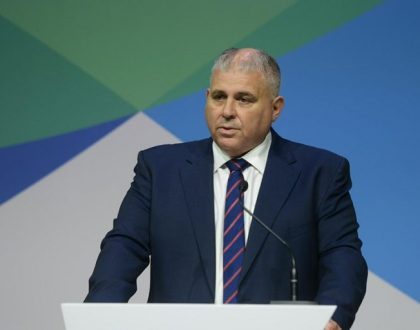
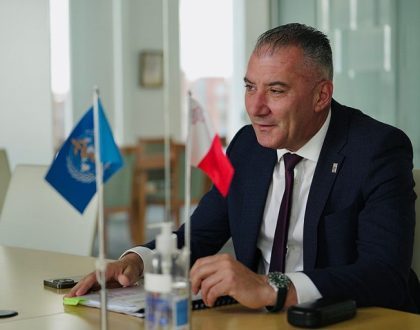
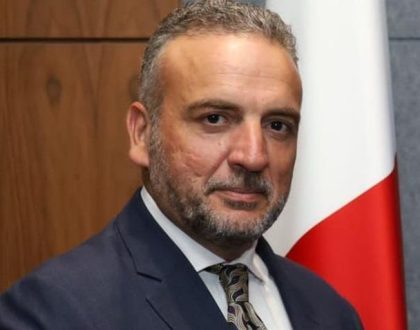
The information, which was disclosed in the Government Gazette, indicates that 121 separate direct orders were issued between January and June 2025. These were authorised during the tenure of Chief Executive Officer Steve Ellul, a former Labour Party candidate for the European Parliament. Infrastructure Malta operates under the political portfolio of Transport Minister Chris Bonett.
The volume and nature of these direct orders have triggered growing alarm among procurement experts, civil society watchdogs, and segments of the public administration. While direct orders are not illegal per se, they are legally sanctioned only under exceptional or urgent circumstances and are subject to stringent controls. Their use is intended to be sparing and strictly justified. However, the pattern emerging from this six-month snapshot suggests that Infrastructure Malta may be bypassing competitive tendering procedures on a systemic basis.





















Lack of public justification and unanswered questions
Despite repeated efforts by journalists and independent observers to seek clarification, Steve Ellul has not provided any public explanation for the high number of direct orders. Questions specifically relating to why relatively routine and non-urgent purchases—such as the procurement of office furniture or refurbishment of toilets—required direct order processes have gone unanswered. Equally concerning is the fact that several of these contracts appear to have been awarded repeatedly to the same contractors, thereby raising potential red flags about fairness, market competition, and value for money.
One company, Cubed Turnkey Projects, which is reportedly controlled by the owner of a Manoel Island fuel station, was awarded four separate direct orders with a combined value exceeding €100,000. These included:
- €73,000 for toilet refurbishments
- €5,500 for office furniture
- €11,000 for waterproofing works
- €16,000 for general office refurbishments
Such expenditure, particularly when carried out outside of open public tendering, has prompted calls for an independent audit or investigation.
Public procurement standards and legal obligations
Under Maltese public procurement law, and in line with EU directives, public authorities are required to issue open calls for tenders unless exceptional and clearly documented circumstances justify a deviation. This framework exists to ensure transparency, prevent collusion, and promote cost-efficiency. The systemic use of direct orders risks undermining this legal infrastructure, potentially exposing the agency—and, by extension, the state—to reputational and financial liability.
Experts in procurement law have noted that while direct orders are permissible for emergency works or cases where only one supplier can deliver a unique service, the sheer volume and nature of the orders in question at Infrastructure Malta suggest a deviation from these principles.
In addition, oversight bodies and transparency advocates have stressed the importance of thorough scrutiny by institutions like the National Audit Office (NAO) and the Public Contracts Review Board (PCRB). They argue that these entities should carefully investigate the procurement procedures in question and ensure that their conclusions are made public promptly and with full transparency.
Use of funds for non-infrastructure-related sponsorships
In addition to contracts relating to construction and maintenance, several direct orders were found to be issued for sponsorship of entertainment programming. These included:
- €15,000 for the local edition of Big Brother
- €6,000 in support of Malta’s Eurovision entry
- €8,000 for The Mask Singer
Such expenditures have raised eyebrows due to their tenuous connection to Infrastructure Malta’s statutory remit. Public agencies are typically required to demonstrate a direct link between spending and their organisational mission. Legal experts have warned that, absent clear and rational justification, such spending could breach not only national financial regulations but also the broader principle of public interest stewardship.
Large-scale infrastructure contracts without competition
Infrastructure Malta awarded significant direct orders for large-scale infrastructure projects. One such contract, valued at €1.2 million, was granted to Central Asphalt Ltd for road construction in Mellieħa. Additionally, Universal Cement Ltd received over €2 million through a direct order for the provision of cement materials. These contracts are particularly significant because there are other suppliers within Malta that could potentially provide the same materials or services, and who may have offered more competitive pricing had an open call for tenders been issued.
This raises questions not only about value for money but also about whether procurement rules were deliberately circumvented to favour particular firms. Although no specific wrongdoing has been legally established at this time, the patterns invite greater scrutiny, particularly in light of Malta’s obligations under EU procurement standards.
Broader performance concerns and policy context
Infrastructure Malta has, over the years, come under considerable public and political criticism for various operational shortcomings. The agency has faced widespread criticism for inadequate planning, uneven execution of road infrastructure initiatives, and its inability to effectively address Malta’s growing traffic congestion problem. Despite hundreds of millions of euros having been spent over successive years, data from the Transport Authority and independent mobility researchers suggests that congestion and road safety incidents continue to increase.
Public confidence in the agency's effectiveness has been further eroded by a perceived lack of accountability and limited public communication. Transparency advocates argue that Infrastructure Malta must not only improve its procurement practices but also overhaul its governance framework to ensure better delivery of public value.
Calls for legislative and administrative reform
The revelations have reignited discussions within civil society and political circles about the adequacy of Malta’s procurement enforcement mechanisms. Proposals have been made for stronger oversight by the Public Contracts Directorate and for mandatory pre-clearance of large-value direct orders by the Attorney General or a central procurement review board.
Some have also called for the introduction of whistleblower protections within agencies such as Infrastructure Malta to encourage internal reporting of irregularities. Without such reforms, critics warn, systemic vulnerabilities will persist and continue to erode trust in public institutions.
Government and political response
As of this writing, neither Transport Minister Chris Bonett nor Prime Minister Robert Abela has commented directly on the matter. The absence of a clear public stance from government leadership has fuelled further speculation and unease. Opposition parties have demanded full disclosure of all direct orders issued over the past three years and have requested a parliamentary inquiry into Infrastructure Malta’s procurement policies.
Meanwhile, stakeholders within the construction industry have expressed frustration over what they perceive as an uneven playing field. Several mid-sized contractors have publicly lamented their inability to compete fairly for government contracts, citing a lack of transparency and preferential treatment for certain firms.
Risk management and legal considerations
From a legal standpoint, the publication of procurement data in the Government Gazette offers some level of procedural transparency. However, the underlying concern is whether this data reflects compliance with the substantive requirements of procurement law. Failure to adhere to these principles may expose the agency to judicial review, procurement litigation, or intervention by regulatory authorities at the EU level.
Legal analysts suggest that, in order to mitigate liability, Infrastructure Malta and the Ministry for Transport should initiate a proactive internal audit and cooperate fully with oversight bodies. Doing so would demonstrate good faith, help identify procedural weaknesses, and provide a foundation for policy correction moving forward.
Conclusion
The developments at Infrastructure Malta point to what may be a broader systemic problem within parts of the public administration. While the agency’s mandate remains essential to national infrastructure development, its practices must adhere to the highest standards of legality, transparency, and fiscal responsibility. Direct orders, when used extensively and without clear justification, jeopardise public trust and expose the government to potential legal and financial repercussions.
Unless addressed swiftly through comprehensive reform, this situation risks damaging both the credibility of Infrastructure Malta and the broader public procurement system on which the country relies.
FAQs
What is a direct order in public procurement?
A direct order is a procurement method where a contract is awarded without an open tender, typically used only in exceptional circumstances.
Are direct orders legal in Malta?
Yes, but they are strictly regulated and meant for urgent or exceptional cases where open competition is not feasible.
Why are Infrastructure Malta’s direct orders under scrutiny?
The volume and nature of the direct orders—totalling €22.5 million in just six months—suggest potential misuse of this exceptional procurement method.
Who is Steve Ellul?
Steve Ellul is the current CEO of Infrastructure Malta and a former Labour Party candidate for the European Parliament.
Which company received multiple direct orders from Infrastructure Malta?
Cubed Turnkey Projects, owned by a Manoel Island fuel station operator, received four contracts worth over €100,000.
Why did Infrastructure Malta fund entertainment programmes?
The agency allocated funds to shows like Big Brother and The Mask Singer, but the rationale behind these expenditures remains unclear.
What are the legal implications of excessive direct orders?
Excessive use of direct orders could breach national and EU procurement laws, potentially leading to legal challenges or sanctions.
Has the government responded to the controversy?
As of now, there has been no official comment from Transport Minister Chris Bonett or the Prime Minister.
What reforms are being proposed in response?
Calls have been made for stronger oversight, including audits, whistleblower protections, and tighter controls on large-value direct orders.
Is there a risk of litigation or EU action?
Yes, if procurement rules are systematically ignored, Malta could face legal action domestically or from the European Commission.

Ash
I like to keep it short. I am a writer who also knows how to rhyme his lines. I can write articles, edit them and also carve out some poetic lines from my mind. Education B.A. - English, Delhi University, India, Graduated 2017.