

Is a Pan-European Gambling Licence Even Possible?

With the ongoing evolution of the gambling industry across Europe, the concept of a pan-European gambling licence has garnered significant attention. This post explores the feasibility of such a licence, examining regulatory frameworks, legal challenges, and the diverse landscapes of national laws. Understanding these elements is vital for stakeholders aiming to navigate the complexities of a fragmented market while addressing the potential benefits and drawbacks of standardized licensing across multiple jurisdictions.
Key Takeaways:
- The complexities of differing national regulations impede the establishment of a unified Pan-European Gambling Licence.
- Compliance with various member states' legal frameworks remains a significant barrier for operators seeking a streamlined licensing process.
- Potential benefits include increased market access and consumer protection, but challenges in harmonizing policies create uncertainty.
The Current Landscape of Gambling Regulation in Europe
Overview of National Gambling Laws
National gambling laws across Europe vary widely, with each country adopting its own approach to regulation, licensing, and enforcement. For instance, the UK operates under a framework that allows for both online and land-based gaming, while countries like Germany have stricter controls that often limit access to foreign operators. These differences result in a fragmented market, where operators must navigate complex legal landscapes to remain compliant across borders.
The Role of the European Union
The European Union plays a significant role in shaping gambling regulations among member states, primarily through directives focused on consumer protection and fair competition. EU law aims to harmonize certain aspects of gambling law, but due to the principle of subsidiarity, member states retain the authority to regulate gambling as they see fit, leading to diverse outcomes across the region.










One key EU principle affecting gambling is the Treaty on the Functioning of the European Union, which mandates freedom of establishment and provision of services. As a result, while the EU encourages member states to adopt more uniform regulations, enforcement is ultimately localized. This complex interplay between EU directives and national laws creates challenges for the establishment of a unified gambling framework across Europe.
Key Regulatory Bodies and Their Functions
Several regulatory bodies oversee gambling activities within Europe, each with distinct jurisdictions and responsibilities. For example, the UK Gambling Commission is tasked with licensing and regulating all forms of gambling in the UK, while the Malta Gaming Authority oversees operations in Malta, one of the leading jurisdictions for online gaming. These agencies ensure compliance with legal standards and promote responsible gambling practices within their territories.
Regulatory bodies not only enforce laws but also facilitate market entry for new operators, ensuring they meet strict licensing criteria. Many authorities conduct regular audits and assessments of licensed entities to mitigate risks associated with problem gambling and financial misconduct. Inter-agency cooperation is also crucial, as these bodies often collaborate on cross-border operations to tackle issues like illegal gambling and money laundering, further illustrating the complexities of establishing a pan-European regulatory framework.
The Concept of a Pan-European Gambling Licence
Definition and Scope
A Pan-European Gambling Licence refers to a regulatory framework that would allow operators to legally offer gambling services across multiple European countries under a single licence. This concept aims to streamline compliance processes, creating uniform standards and regulations that can significantly reduce administrative burdens for operators while ensuring consumer protection across borders.
Historical Attempts at Harmonisation
Over the years, there have been several efforts to harmonise gambling regulations across Europe, notably through directives from the European Union such as the Directive on electronic commerce (2000) and the Services Directive (2006). These initiatives aimed to establish a framework for cross-border services but often fell short of addressing the complexities inherent in national regulations.
For instance, the European Commission has attempted to create a more integrated online gambling market, but differing national laws often lead to fragmented approaches. In 2011, the Commission launched a public consultation to examine potential frameworks for online gambling, but the initiative did not yield a formal proposal for a unified licence, revealing the ongoing challenges in balancing member states' rights with the need for harmonised regulations.
Benefits of a Pan-European Licence
A Pan-European Gambling Licence could provide several advantages, including reduced regulatory costs, greater market access for operators, and enhanced consumer protection. By having a unified licence, companies could navigate fewer bureaucratic hurdles and offer their services across borders more efficiently.
Furthermore, a single regulatory framework could lead to improved oversight and enforcement of gambling laws, fostering a safer environment for players. This could also drive innovation within the industry as operators invest more in technology and responsible gambling practices, knowing they can compete on a level playing field across multiple jurisdictions.
Challenges to Implementing a Pan-European Gambling Licence
Legal Obstacles
One primary legal challenge involves the differing gambling regulations across EU member states. Each country has its own laws governing online and land-based gambling, often influenced by cultural values and historical precedents. These discrepancies complicate the establishment of a unified framework that can be accepted across all jurisdictions.
National Sovereignty and Regulatory Differences
National sovereignty in gambling regulation poses a significant challenge to a pan-European licence. Each nation retains the right to regulate its gambling industry according to its laws and priorities, resulting in a fragmented landscape. This resistance can stem from concerns about consumer protection, taxation rights, and the preservation of local gambling markets.
The variation in regulations can include licensing requirements, age restrictions, advertising rules, and responsible gambling measures. For instance, some countries strictly limit advertising to protect vulnerable populations, while others promote it to stimulate economic growth. These differing approaches create hurdles for a harmonised licence, as member states are unlikely to compromise their regulatory frameworks without clear incentives or assurances regarding the integrity of their local markets.
Stakeholder Resistance and Industry Perspectives
Resistance from various stakeholders presents another hurdle for a pan-European gambling licence. Regulatory bodies, local operators, and public advocacy groups may oppose centralisation due to fears of losing control over a vital sector of the economy. Additionally, larger international operators may self-advocate for single licences for efficiency, yet smaller local businesses often worry about competition intensifying in a uniform landscape.
Industry perspectives vary widely; while multinational companies may favour streamlined regulations to lower operational costs and enter new markets more easily, smaller firms often express concern that such a system could lead to monopolisation. The diverging interests reveal a complex landscape of stakeholder dynamics that complicates any push for a uniform licensing approach across Europe.
Case Studies of Existing Licensing Models
- United Kingdom: Over 3,000 licensed operators, generating £14.3 billion in gross gambling yield in 2020, overseen by the UK Gambling Commission.
- Malta: More than 1,000 licensed companies, with a significant contribution of €1.2 billion to the economy in 2020, regulated by the Malta Gaming Authority.
- Sweden: 1,200 operators licensed since the market opened in 2019, with a regulated gambling market valued at approximately €800 million.
- Gibraltar: About 30 licensed operators, contributing £1.5 billion to GDP, under the jurisdiction of the Gibraltar Gambling Commissioner.
- New Jersey, USA: 30 licensed online gaming operators, with revenues exceeding $1 billion since 2013, regulated by the New Jersey Division of Gaming Enforcement.
The UK Gambling Commission
The UK Gambling Commission (UKGC) regulates all gambling activities in Great Britain, ensuring fairness and integrity. Its comprehensive approach includes enforcing compliance among operators and consumer protection, with approximately 3 million active online gambling accounts registered as of 2020.
The Malta Gaming Authority
The Malta Gaming Authority (MGA) oversees remote and land-based gaming operations, boasting an extensive licensing framework that fosters innovation. With a robust regulatory environment and strategic partnerships, the MGA has seen continuous growth in the gaming sector, attracting major operators and contributing significantly to Malta's economy.
The Malta Gaming Authority has issued more than 1,000 licenses, making it one of the most sought-after jurisdictions in the gaming industry. In 2020 alone, the sector's growth led to an economic contribution of €1.2 billion, driven by a streamlined application process and a reputation for reliability. The MGA's focus on responsible gaming aligns with its commitment to protect players while fostering a competitive marketplace.
The Sweden Gambling Authority
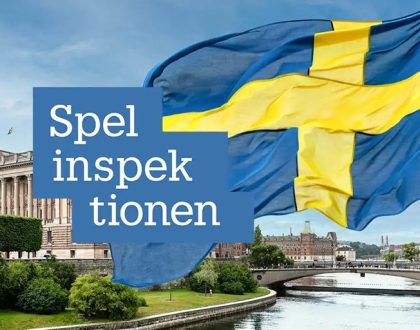
The Sweden Gambling Authority (Spelinspektionen) regulates an expanding market since the 2019 re-regulation, which opened the industry to various operators. It prioritizes consumer protection while ensuring a safe gambling environment, with a marked increase in licensed operators and market transparency.
The Sweden Gambling Authority has seen over 1,200 operators obtain licenses since the market was restructured. This significant increase has generated approximately €800 million in revenue, reflecting a strong public interest and compliance with regulatory mandates. The authority is focused on addressing gambling addiction and enhancing player protections, showcasing a balanced approach to regulation and consumer welfare.
Potential Framework for a Pan-European Gambling Licence
Proposed Regulatory Standards
To create an effective Pan-European Gambling Licence, regulatory standards must encompass player protection, responsible gaming practices, anti-money laundering controls, and fair play mechanisms. These standards should harmonize existing national regulations while addressing unique regional market conditions, ensuring a uniform yet flexible approach across member states. Clear guidelines will enhance consumer trust and promote integrity within the gambling sector.
Licensing Process and Compliance Measures
An efficient licensing process is vital for the success of a Pan-European Gambling Licence. It should involve rigorous evaluation of operators' business models, financial stability, and technological capabilities, alongside ongoing compliance checks to ensure adherence to established regulations.
Furthermore, this process would require collaboration among various national regulatory bodies to share best practices and streamline applications. Operators must demonstrate robust safeguards for user data and implement effective measures for responsible gambling. Ongoing audits and reporting systems will ensure compliance, allowing for swift enforcement actions against non-compliant operators.
Technology and Digital Integration
In an increasingly digital world, technology integration is necessary for the Pan-European Gambling Licence framework. Advanced data analytics and blockchain technology can enhance transparency, security, and player trust.
Emphasizing technology throughout the licensing framework can also facilitate real-time monitoring of gambling activities and effective fraud detection. Solutions such as AI-driven responsible gaming tools and blockchain-based transaction systems will streamline operations while ensuring compliance. This tech-forward approach will enable operators to innovate while maintaining regulatory standards, effectively addressing the unique challenges posed by an evolving digital landscape in the gambling industry.
Stakeholder Perspectives on a Pan-European Gambling Licence
Government and Regulatory Views
Governments across Europe hold diverse perspectives regarding a pan-European gambling licence, often reflecting national interests and regulatory philosophies. While some regulators see potential in harmonizing standards for consumer protection and taxation, others remain cautious about the loss of local control. The European Commission has been exploring the feasibility of a unified regulatory framework, yet faces resistance from member states wanting to protect their sovereignty.
Industry Opinions and Concerns
The industry displays a complex array of opinions concerning a pan-European gambling licence. Many operators advocate for uniform regulations, citing reduced compliance costs and improved market access. However, others express concerns about the potential for increased regulatory burdens, particularly from jurisdictions with stricter rules. The fear of losing competitive advantage can also lead some operators to resist such proposals.
Industry voices often highlight that disparities in regulatory requirements could render a pan-European licence inefficient. For instance, companies operating in jurisdictions with stringent advertising guidelines worry that harmonization might impose regulations that diminish their marketing strategies. Furthermore, operators emphasize the need for flexibility and adaptability in regulations, especially in response to rapid technological advances within the gambling landscape.
Player Impact and Consumer Advocacy
From a player perspective, the notion of a pan-European gambling licence promises enhanced protections and a more streamlined experience across borders. Advocates argue that it could lead to increased transparency and fairer play, as universal standards in responsible gambling practices are implemented. However, concerns linger regarding the adequacy of oversight, particularly in addressing regional differences in consumer needs.
Consumer advocacy groups emphasize that a pan-European licence could improve player protections substantially by requiring operators to adhere to uniform guidelines for player welfare and responsible gambling. They argue that this would mitigate risks associated with gambling, such as problem gambling and financial exploitation. Nonetheless, they warn that any move towards uniformity must be approached with caution to ensure that local consumer concerns are addressed adequately and that protections are not diluted in the pursuit of efficiency.
Final Words
Upon reflecting, the feasibility of a Pan-European Gambling Licence remains uncertain amid varying national regulations and cultural attitudes towards gambling. While the idea promotes uniformity and regulatory efficiency, current legal frameworks often impede such integration. Collaboration among European nations and careful consideration of diverse gambling landscapes are imperative for progress. The pursuit of a cohesive regulatory environment could eventually streamline operations for operators while ensuring player protection and responsible gaming practices across Europe.
FAQ
Q: What is a Pan-European Gambling License?
A: A Pan-European Gambling License would allow operators to legally offer gambling services across multiple European countries under a single regulatory framework.
Q: Why do operators seek a Pan-European Gambling License?
A: Operators seek this license to streamline operations, reduce regulatory costs, and simplify compliance with diverse national laws when providing services in different countries.
Q: Are there existing frameworks for Pan-European gambling regulation?
A: Currently, there is no unified Pan-European Gambling License. Each country has its own regulations, making it challenging for operators to obtain a single license for the entire European market.
Q: What are the potential benefits of a Pan-European Gambling License?
A: Benefits could include increased market access, improved consumer protection, unified taxation policies, and enhanced player safety across jurisdictions.
Q: What challenges prevent the establishment of a Pan-European Gambling License?
A: Challenges include differing national laws, varying regulatory standards, concerns about responsible gambling, taxation disparities, and political resistance among member states.

Lisa
Welcome. I am an experienced writer and I am ready to help you with all forms of writing needs you require. Education B.A. - linguistics, University of Wisconsin-Whitewater, United States, Graduated 2006.
Related Posts


Finland receives 75 applications for gambling licenses ahead of 2027 launch
September 25, 2026
Germany’s gambling blocking system struggles with obvious targets
September 19, 2026
Gambling Commission reports growth across Great Britain’s gambling market
September 18, 2026

Blurify updates Openora with new iGaming licenses compliance checklist
September 9, 2026

GGL gambling enforcement raises questions over licence transparency
September 7, 2026

German gambling safeguards face test over cash-funded betting wallets
September 3, 2026