















Exploitation in New Zealand’s Gambling Laws
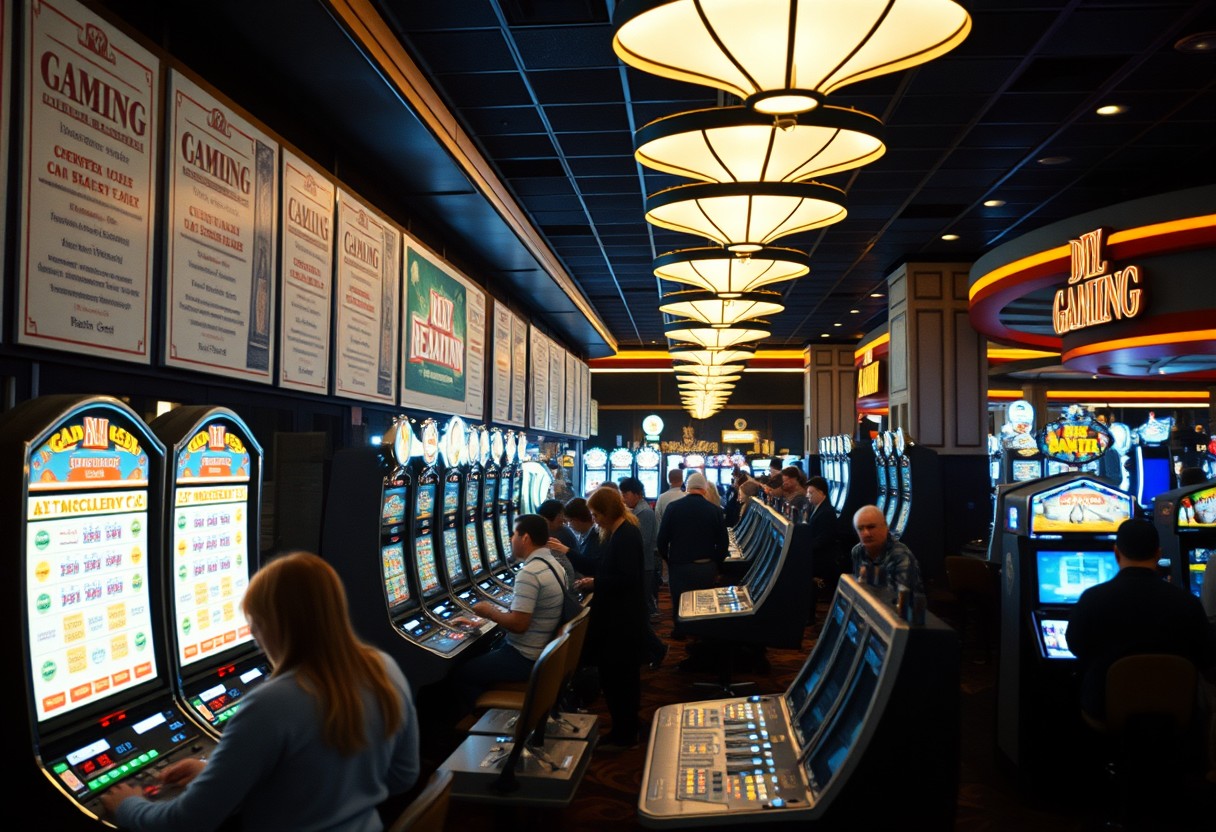
Exploitation can occur in various forms, and in New Zealand, there is a growing concern over the effectiveness of current gambling laws. As a responsible citizen, it's necessary for you to understand how these regulations are designed to protect you and the community while also recognizing potential loopholes that may be taken advantage of. This blog post will explore the intricacies of New Zealand's gambling legislation, examine any challenges that may arise, and discuss whether these laws truly safeguard your interests against exploitation.
Overview of New Zealand's Gambling Legislation
To understand New Zealand's gambling landscape, it's crucial to look at its legal framework. Over the years, legislation has been established to regulate various forms of gambling, ensuring that they operate fairly and responsibly. This chapter outlines the historical context, key legislation, and the overarching objectives behind these laws, giving you insight into how the system is designed to protect consumers while allowing for regulated gambling activities.
Historical Context of Gambling Laws
Zealands gambling laws have evolved significantly since the first legal betting forms were introduced in the 19th century. The Gaming and Lotteries Act of 1979 marked a notable shift towards more structured regulations, paving the way for the comprehensive Gambling Act of 2003, which governs most gambling activities today.





















Key Legislation and Regulatory Framework
An integral component of New Zealand's gambling landscape is the Gambling Act 2003. This legislation was enacted to oversee the operation of gambling activities, ensuring they are conducted responsibly while minimizing harm to individuals and communities.
Legislation under the Gambling Act 2003 includes provisions that regulate casinos, gaming machines, and sports betting, among other gambling forms. The Act mandates licenses and operational standards for gambling providers, requiring them to meet specific responsible gambling measures. Additionally, the Department of Internal Affairs oversees compliance and enforcement, ensuring that all operators adhere to the established laws.
Objectives of the Gambling Act 2003
Overview of the Gambling Act's objectives emphasizes harm minimization, ensuring that gambling does not lead to social issues or economic distress. The act aims to promote responsible gambling practices and protect vulnerable groups.
Understanding these objectives is necessary, as they frame the entire regulatory approach taken by New Zealand authorities. The Act is designed not only to facilitate a regulated gambling environment but also to prevent gambling-related harm, safeguard public health, and ensure that the benefits of gambling are maximized for New Zealand communities. By focusing on these principles, you gain clarity on how New Zealand seeks to balance the enjoyment of gambling activities with the need for protection against their potential risks.
Types of Gambling in New Zealand
If you're looking to understand the various forms of gambling that exist in New Zealand, you'll find several popular types. Here's a quick overview:
- Casino Gambling
- Sports and Racing Betting
- Online Gambling
- Lottery Games
- Pokies and Electronic Gaming Machines
Any of these types of gambling can pose risks, and it's imperative to be informed about each one.
| Type of Gambling | Description |
|---|---|
| Casino Gambling | Includes various games like blackjack and roulette offered in licensed establishments. |
| Sports and Racing Betting | You can place bets on various sports, including horse racing and rugby. |
| Online Gambling | Includes various gambling activities conducted over the Internet. |
| Lottery Games | Offers a chance to win cash prizes through random draws. |
| Pokies | Electronic gaming machines found in pubs and clubs. |
Casino Gambling
For many people, casino gambling provides an exciting atmosphere filled with opportunities to win big. New Zealand hosts several licensed casinos where you can experience games like poker, blackjack, and roulette. Each casino offers a unique environment, enhancing the overall gambling experience.
Sports and Racing Betting
Types of sports and racing betting allow you to wager on a wide range of sporting events. This can include anything from rugby to cricket and even international events. You can make bets on outcomes, specific player performances, or game scores.
It is important to note that sports and racing betting can become quite competitive, and understanding the odds and statistics can give you an edge. New Zealand has platforms in place, like the TAB, which ensure that your betting is conducted legally and fairly, promoting responsible gambling practices.
Online Gambling
Gambling online has become increasingly popular due to its convenience and variety. You can access various platforms offering casinos, sports betting, and poker tables from the comfort of your home.
The ease of online gambling means you must be cautious about your choices and the sites you use. New Zealand has regulations to ensure that online gambling is carried out safely, but being informed can help you avoid potential scams and ensure a positive experience.
Lottery Games
Betting on lottery games can be an exhilarating way to try your luck. In New Zealand, lotteries such as the Powerball and Strike offer substantial jackpots that attract many players.
Another advantage of lottery games is that they are accessible and relatively easy to play. Check the official lottery websites to understand the rules, odds, and responsible gaming practices before participating. By educating yourself, you enhance your chances of making informed decisions while engaging in this type of gambling.
Regulatory Bodies and Their Roles
All gambling activities in New Zealand are overseen by various regulatory bodies designed to ensure compliance with the law and protect the interests of the public. Together, these organizations play crucial roles in maintaining the integrity of gambling operations and preventing exploitation within the industry.
Department of Internal Affairs
Any gambling operator must adhere to the regulations set forth by the Department of Internal Affairs (DIA). The DIA is responsible for overseeing licensing, compliance, and policy development in the gambling sector, ensuring that operators follow the established legal framework and uphold community standards.
New Zealand Gambling Commission
For those seeking to challenge decisions made by the DIA, the New Zealand Gambling Commission serves as an appellate body. It plays a vital role in reviewing appeals related to gambling licenses, ensuring that due process is followed and that the public interest is upheld in all decisions made.
Roles of the New Zealand Gambling Commission are pivotal in maintaining a fair gambling landscape. As an independent authority, it not only addresses appeals but also assesses the suitability of operators and contributes to policy recommendations. Their oversight helps ensure that gambling activities align with New Zealand's regulatory framework, safeguarding both your interests and the broader community.
Local Authorities and Their Responsibilities
Their responsibilities extend to licensing gambling venues and monitoring their compliance with local regulations. Local authorities play a key role in managing the impact of gambling on their communities, ensuring that operators contribute positively to the local environment.
Affairs related to local authorities emphasize their importance in the regulatory ecosystem. They have the authority to impose conditions on gambling operations and determine the distribution of funds generated by these activities, ensuring that the benefits of gambling are returned to the community. This layer of oversight helps you remain confident that local interests are prioritized in the gambling landscape.
Risks and Concerns Associated with Gambling
Despite New Zealand's robust gambling regulations, there are significant risks and concerns that arise from gambling activities. These issues affect not only the individuals involved but also the wider community. Understanding these risks is crucial for creating a safer environment for everyone.
Problem Gambling in New Zealand
Zealand has identified problem gambling as a growing public health concern. It impacts many individuals and families, leading to severe emotional and financial distress. The prevalence of gambling-related problems highlights the need for increased awareness and preventive measures.
Vulnerable Populations Affected by Gambling
With certain communities bearing the brunt of gambling harms, vulnerable populations often include those with lower socio-economic status, mental health issues, and cultural minorities. These groups may face higher risks of addiction, exacerbating existing challenges in their lives.
Another critical aspect to consider is how these vulnerable populations often lack access to the necessary resources for support and recovery. These individuals may not only face barriers to seeking help due to stigma but may also be entangled in cycles of poverty, making it all the more difficult to break free from gambling addiction.
Economic Impact of Gambling Addiction
Associated with various societal costs, gambling addiction can lead to significant economic consequences. Families often suffer financial instability, and the broader community bears the burden of increased healthcare and social services related to gambling issues.
With the economic ramifications extending beyond individual players, gambling addiction can contribute to lost productivity, increased criminal activity, and heightened strain on healthcare resources. This reality underscores the urgent need for effective intervention strategies to mitigate the adverse effects on both individuals and the economy as a whole.
Exploitation of Gambling Laws
Now, as gambling becomes more accessible, concerns over the exploitation of New Zealand's gambling laws have emerged. Various loopholes and regulatory challenges pose significant risks for the integrity of the gambling environment. In this chapter, we will examine into the areas most susceptible to exploitation, examining online gambling, non-profit gaming provisions, international operators, and advertising practices.
Online Gambling and Regulatory Challenges
Laws governing online gambling in New Zealand can present challenges when it comes to enforcement. While local operators are regulated, offshore websites often bypass these restrictions, leading to significant revenue loss for the government and potential harm to players. You may find that these unregulated platforms operate outside your protection or offer unfair terms.
Misuse of Non-Profit Gaming Provisions
With the rise of gaming trusts and non-profit gambling licenses, there is a growing concern about the misuse of these provisions. You might be surprised to learn that some organizations leverage these licenses for profit-driven motives rather than community benefit, diverting funds that could support charitable causes.
Gambling funds that are meant to assist local communities can end up lining the pockets of unscrupulous operators. These entities often fail to meet the required transparency and accountability measures, leading to a trust deficit amongst the public. You may feel that organizations claiming to promote goodwill are, in fact, exploiting the system for personal gain, which raises ethical questions about the integrity of non-profit gaming licenses.
Infringements by International Operators
One of the significant challenges facing New Zealand's gambling laws is the infringement by international operators. You might notice that many online gambling platforms are based overseas, allowing them to skirt local regulations and attract New Zealand players without adhering to responsible gambling practices.
It is imperative to understand that these international operators may provide enticing offers and promotions that lack any regulatory oversight. This can lead to an increase in gambling-related harm among your peers, as you may also find that the support systems in place for local operators are not available for those participating in offshore gambling activities. It ultimately puts you at greater risk and poses challenges for law enforcement in monitoring these potentially harmful practices.
Advertising Practices and Their Impact
Provisions surrounding gambling advertising are crucial in shaping public perception and behavior. You should be aware that aggressive marketing tactics can create unrealistic expectations about gambling, potentially leading you or someone you know to develop addictive behaviors.
Understanding the implications of these advertising practices is vital. It can be easy to overlook the responsible gambling messages overshadowed by enticing promotions. You may discover that regulations surrounding advertising often fail to adapt to the evolving landscape of digital marketing, leaving you vulnerable to misleading advertisements and encouraging risky betting practices among your peers. Raising awareness about these issues can empower you to make healthier choices when engaging with gambling platforms.
Measures to Combat Exploitation
Once again, the importance of effective measures to combat exploitation in New Zealand's gambling sector cannot be overstated. The government and regulatory bodies are continuously working to implement strategies aimed at reducing the negative impacts associated with gambling, ensuring a safer environment for players and vulnerable individuals alike.
Policy Reforms and Legislative Changes
The landscape of gambling laws in New Zealand has seen significant policy reforms and legislative changes aimed at tightening regulations and closing loopholes that could lead to exploitation. These reforms focus on enhancing player protection, ensuring that gambling remains a form of entertainment rather than a source of financial hardship.
Public Awareness Campaigns
For effective prevention of exploitation, public awareness campaigns play a crucial role. These campaigns educate individuals about the risks associated with gambling and promote responsible gaming practices that empower you to make informed decisions.
Legislative initiatives have launched various public awareness campaigns designed to inform you about the potential dangers of gambling. These campaigns often include resources for understanding gambling addiction, highlighting the importance of setting limits and recognizing when to seek help. By increasing visibility around these issues, the aim is to foster a culture of responsibility within gambling communities.
Enhanced Regulatory Oversight
Policy measures are also in place to ensure enhanced regulatory oversight of gambling operations and activities. This oversight aims to detect any irregularities or signs of exploitation, while ensuring compliance with established guidelines and best practices.
Public scrutiny and regulatory bodies have ramped up their efforts in maintaining high standards within the gambling industry. Regular audits and assessments are performed to ensure that operators are following responsible gambling practices. This ensures that your rights as a player are protected and that necessary interventions can be employed swiftly if any exploitation is identified.
Support Services for Problem Gamblers
One key component of combating exploitation is the provision of support services for problem gamblers. These services are designed to offer you assistance if you or someone you know is struggling with gambling addiction, ensuring that help is accessible when needed.
Exploitation of the vulnerable can be curtailed through effective support services. Many organizations in New Zealand provide counseling and support for individuals dealing with gambling-related issues. These services not only offer immediate help but also work towards long-term recovery, enabling you to regain control and make healthier choices regarding gambling. By fostering a supportive environment, the aim is to reduce harm and create a safer gambling landscape for everyone.
International Comparisons and Lessons Learned
Many countries grapple with similar challenges in regulating gambling activities. Learning from international examples can help refine New Zealand's approach to its gambling laws. In this section, we will analyze various international gambling laws and their effectiveness.
| Country | Key Features of Gambling Laws |
|---|---|
| Australia | State-based regulations, robust consumer protection measures, and responsible gambling initiatives. |
| United Kingdom | Gambling Act 2005 provides comprehensive regulations, a strong focus on player safety, and licensing for operators. |
| Canada | Legalized gambling with provincial oversight, emphasis on betting integrity, and advertising regulations. |
Gambling Laws in Australia
On examining Australia's gambling laws, you'll find a system characterized by state-based regulations that prioritize consumer protection. Each state governs its own laws, leading to diverse practices across the country. Moreover, Australia implements strong responsible gambling initiatives aimed at minimizing negative social impacts.
Comparison with European Gambling Regulations
Comparison of European gambling regulations unveils a complex landscape where individual countries adopt varied approaches. Countries such as Sweden and Denmark have implemented a licensing system focusing on player protection, whereas others like Malta offer an attractive regulatory environment for operators. This variation influences how effectively these nations manage gambling activities.
| Country | Regulatory Approach |
|---|---|
| Sweden | Strict online licensing with a focus on player safety and responsible gambling. |
| Denmark | Comprehensive regulation encouraging safe gaming practices while promoting taxation. |
| Malta | Flexible licensing attracting international operators, yet facing challenges in consumer protection. |
Another factor worth considering in your assessment is how different European countries manage gambling advertising and sponsorship. Countries like Sweden impose strict regulations on advertising to protect vulnerable populations, while others have more lenient rules, leading to higher risks of gambling-related harm.
Successful Strategies from Other Countries
Laws in various countries offer valuable strategies that New Zealand could adopt to boost its gambling regulations. Examples include heightened public awareness campaigns, extensive research on gambling behaviors, and strict penalties for non-compliance that support consumer safety and desktop integrity in gaming practices.
A comprehensive review of successful strategies reveals that countries with effective systems prioritize both prevention and intervention. Adapting these methods can strengthen your understanding of gambling issues and pave the way for improved regulations in New Zealand, balancing commercial interests with social responsibility.
Final Words
Considering all points, it is evident that New Zealand's gambling laws may have vulnerabilities that could be exploited. As you navigate this complex landscape, it is crucial to stay informed about the regulations and their enforcement, recognizing that while the systems are designed to protect consumers, gaps can still exist. Staying aware of responsible gambling practices and advocating for ongoing improvements in legislation will empower you to participate thoughtfully in this sector. Your understanding can play a key role in fostering a safer gambling environment in New Zealand.
FAQs
What forms of exploitation can occur in gambling?
Exploitation can manifest in various forms, including problem gambling, misleading advertising, and unregulated online gambling platforms.
How has New Zealand's gambling legislation evolved over time?
New Zealand's gambling laws have progressed since the 19th century, culminating in the comprehensive Gambling Act of 2003.
What is the primary objective of the Gambling Act 2003?
The primary objectives include harm minimization, promoting responsible gambling, and protecting vulnerable groups.
Which regulatory bodies oversee gambling in New Zealand?
The Department of Internal Affairs and the New Zealand Gambling Commission are key bodies overseeing gambling regulations and compliance.
What types of gambling are popular in New Zealand?
Popular types include casino gambling, sports betting, online gambling, lottery games, and pokies (electronic gaming machines).
What challenges do online gambling regulations face in New Zealand?
Regulations struggle to enforce compliance on offshore gambling sites, which can operate outside local protections.
How do local authorities contribute to gambling regulations?
Local authorities license gambling venues and monitor compliance with regulations, ensuring community interests are upheld.
What are the risks associated with problem gambling in New Zealand?
Problem gambling leads to emotional and financial distress for individuals and families, impacting broader societal health.
How can the public be educated about responsible gambling?
Public awareness campaigns inform citizens about the risks of gambling and promote responsible gaming practices.
What international examples can New Zealand learn from regarding gambling laws?
Countries like Australia and the UK have implemented robust consumer protection measures and responsible gambling initiatives that could enhance New Zealand's approach.

Michael
With nearly 30 years in corporate services and investigative journalism, I head TRIDER.UK, specializing in deep-dive research into gaming and finance. As Editor of Malta Media, I deliver sharp investigative coverage of iGaming and financial services. My experience also includes leading corporate formations and navigating complex international business structures.
Related Posts



Italy reconsiders gambling ad ban to boost football funding
April 10, 2026


KSA flags Unibet operator Optdeck for AML non‑compliance
April 10, 2026

PopOK Gaming Announces Major Partnership with Stake
April 9, 2026