















Italy strengthens gambling sector with online growth
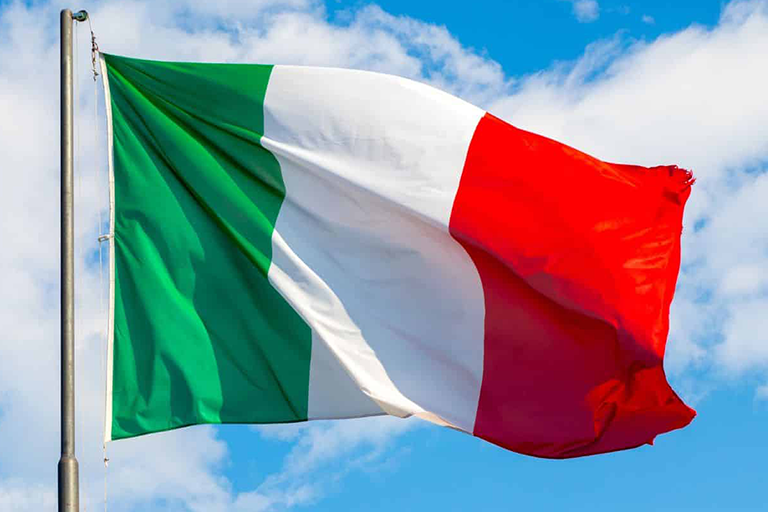
The European gambling industry entered 2024 with a strong performance, continuing its upward trajectory in both land-based and digital formats. Industry data confirmed that the global gambling market expanded by 4.8% during the year, with Europe maintaining its position as one of the most mature and competitive regions worldwide.
Much of this growth was attributed to the rapid rise of online casinos and digital sports betting platforms, which have become the cornerstone of the sector’s revenues. While traditional land-based casinos remain important in several countries, the digital shift is becoming increasingly evident as consumers seek more accessible and technologically advanced forms of gambling entertainment.
Within Europe, five countries dominated the market in terms of revenue and operational scale: the United Kingdom, Germany, France, Spain, and Italy. Each market demonstrated distinct strengths, ranging from lottery revenues and physical casino infrastructure to the rapid adoption of online gambling.





















United Kingdom retains leading position
The United Kingdom continued to stand out as the top-performing gambling jurisdiction in Europe in 2024, achieving a score of 9.71 out of 10 in comparative rankings. Its dominance stems from a diversified gambling ecosystem supported by well-established regulations, advanced online infrastructure, and a long-standing consumer culture of betting and gaming.
In terms of financial breakdown, the UK generated more than $14.7 billion from casinos and casino games. Lotteries contributed approximately $6.8 billion, while sports betting added nearly $6 billion in revenue. This distribution underlines the balanced nature of the UK gambling sector, where no single vertical entirely overshadows the others.
Furthermore, the United Kingdom remains one of the most significant land-based casino markets in Europe, hosting 144 operational casinos. This figure places it second only to France, demonstrating that physical casinos continue to have a strong role despite the shift toward online platforms.
Germany consolidates its second-place ranking
Germany ranked second in the European gambling market with an overall score of 9.37. Its revenue figures highlighted the country’s robust regulatory framework and diverse gambling offerings. In 2024, Germany generated over $22 billion in gambling income, making it one of the largest single contributors to Europe’s gambling economy.
The breakdown included $13.2 billion from casino operations, $5.7 billion from lotteries and bingo, and $3.1 billion from sports betting. Germany’s performance was further reinforced by ongoing modernization of its gambling regulations, designed to address the rise of online platforms while preserving state control over lotteries and specific gambling activities.
France remains a strong land-based casino hub
France secured third place with a score of 9.19, highlighting the central role of its physical casino industry. The country hosts 205 casinos, the highest number across the European continent. This extensive land-based infrastructure continues to attract domestic players and tourists alike.
Revenue in France exceeded $14.8 billion in 2024, with $8.3 billion generated by casino operations. Lotteries and sports betting added to the overall performance, although casinos remained the dominant source of income. The French gambling market illustrates the importance of physical venues in complementing digital platforms, particularly in regions with a strong cultural heritage of casino gaming.
Spain strengthens its presence in European gambling
Spain ranked fourth with a score of 8.60. Its gambling industry generated close to $9 billion in 2024, underlining the country’s gradual but consistent growth in both physical and digital segments.
Casino operations accounted for $5.6 billion of this figure, while lotteries brought in $2.2 billion. Sports betting generated around $1.1 billion, reflecting the popularity of betting on football and other national sports. The Spanish market has benefited from regulatory reforms introduced in recent years, which have encouraged greater transparency and competitiveness among licensed operators.
Italy confirms its position among Europe’s top five
Italy rounded out the top five European gambling markets with a score of 8.40. Despite operating only six physical casinos, Italy recorded a turnover surpassing $13 billion in 2024. The limited number of brick-and-mortar establishments has not prevented Italy from securing a significant share of the European gambling economy, largely due to the success of its online casino platforms and national lottery offerings.
Revenue distribution in Italy included $8.3 billion from casinos, $3 billion from lotteries, and $1.8 billion from sports betting. These figures reveal that online gambling and lottery participation have become the primary engines of growth in the Italian market, compensating for the country’s relatively small land-based casino sector.
Italy issues new online gambling licenses in 2025
In 2025, Italy’s regulatory authority, the Agenzia delle Dogane e dei Monopoli (ADM), concluded its most recent tender for remote gambling concessions. This process marked a significant milestone in the evolution of Italy’s online gambling landscape, as it resulted in the issuance of 46 new licenses to domestic and international operators.
Several prominent industry names were included among the successful applicants. These included Betfair, Snaitech, Sisal, 888 Italia, Bet365, LeoVegas, and William Hill, all of which are recognized as leading players in the global and European gambling sector. Their approval is expected to strengthen Italy’s competitive positioning by ensuring that internationally established companies can offer their platforms under a regulated framework.
Other approved operators included Betsson, Admiral Sport, Winamax, Marathonbet, and Eurobet Italia, each bringing a unique set of offerings to the Italian market. Collectively, the licensing round reflects Italy’s commitment to promoting a transparent, competitive, and regulated gambling environment while safeguarding consumer interests.
The broader significance of Italy’s regulatory reforms
The latest concessions granted by ADM are not merely administrative; they symbolize a broader strategy aimed at maintaining Italy’s place in the evolving European gambling industry. By opening opportunities to both local and international operators, the Italian government aims to:
- Encourage responsible gambling practices through strict regulatory oversight.
- Increase competition, thereby driving innovation and improved services.
- Generate higher tax revenues from licensed operators.
- Limit the presence of unregulated platforms that may pose risks to consumers.
This balanced approach has been welcomed by many within the industry, as it seeks to align Italy’s gambling market with European best practices while ensuring that consumer protection remains a priority.
The role of technology in shaping gambling trends
A critical driver of the gambling industry’s growth across Europe, and particularly in Italy, is technological innovation. The adoption of mobile gaming platforms, live dealer casinos, and advanced sports betting features has created new opportunities for operators to engage with players.
Artificial intelligence and data analytics are increasingly being used to monitor player behavior, identify potential risks, and tailor personalized gaming experiences. These technologies also support regulatory objectives by enhancing tools for responsible gambling and fraud prevention.
Italy’s latest round of online gambling licenses is expected to further accelerate the adoption of such technologies, as licensed operators seek to differentiate themselves in a competitive environment.
Outlook for Europe’s gambling industry
Looking ahead, the European gambling sector is poised for continued expansion, though challenges remain. The rise of digital platforms demands ongoing regulatory adjustments, particularly concerning responsible gambling safeguards, anti-money laundering measures, and taxation policies.
Italy’s licensing developments illustrate how national regulators are adapting to these challenges by embracing structured frameworks that welcome reputable operators while discouraging unlicensed competition. Meanwhile, markets such as the UK, Germany, France, and Spain continue to refine their own approaches, ensuring that Europe remains a global leader in gambling regulation and innovation.
Conclusion
The European gambling market in 2024 reaffirmed its resilience and capacity for growth, despite broader economic uncertainties. The United Kingdom, Germany, France, Spain, and Italy remained the central pillars of the industry, each demonstrating unique strengths.
Italy’s decision in 2025 to grant 46 new online gambling licenses through ADM represents a pivotal moment for its domestic sector. By welcoming major international and local operators under a regulated system, Italy is positioning itself for sustainable growth while reinforcing its commitment to consumer protection and legal clarity.
As Europe enters a new phase of digital transformation, the balance between technological innovation, regulatory oversight, and market competitiveness will define the industry’s trajectory in the years ahead.
FAQs
What was the growth rate of the global gambling market in 2024?
The gambling market grew by 4.8% worldwide in 2024, largely driven by online casinos and sports betting.
Which country led the European gambling market in 2024?
The United Kingdom led the market with a score of 9.71 out of 10 and revenues exceeding $27 billion.
How much revenue did Germany generate from gambling in 2024?
Germany reported revenues of more than $22 billion, including $13.2 billion from casinos and $5.7 billion from lotteries.
Why is France considered significant in the European gambling sector?
France operates 205 casinos, the highest in Europe, and generated over $14.8 billion in revenue in 2024.
How did Spain perform in the gambling industry in 2024?
Spain recorded revenues close to $9 billion, with $5.6 billion from casinos, $2.2 billion from lotteries, and $1.1 billion from sports betting.
What position did Italy hold in the European gambling market?
Italy ranked fifth, reporting more than $13 billion in turnover despite having only six physical casinos.
What role did lotteries play in Italy’s gambling sector?
Lotteries contributed approximately $3 billion to Italy’s overall gambling revenue in 2024.
What changes occurred in Italy’s gambling sector in 2025?
Italy’s ADM granted 46 new online gambling licenses to local and international operators.
Which major companies received online gambling licenses in Italy?
Operators such as Betfair, Snaitech, Sisal, 888 Italia, Bet365, LeoVegas, and William Hill were among those approved.
What is the outlook for the European gambling industry?
The industry is expected to continue growing, supported by digital innovation and regulatory reforms aimed at consumer protection.

Esther
I am a professional writer with 8 years of experience in this field and I can provide you with the best-written content you can find. Education B.A. - English, George Washington University, United States, Graduated 2011.
Related Posts



Onlyplay launches Hot Dunk basketball slot with free spins
April 10, 2026



Italy reconsiders gambling ad ban to boost football funding
April 10, 2026