How legal threats in Malta chill regulatory complaints
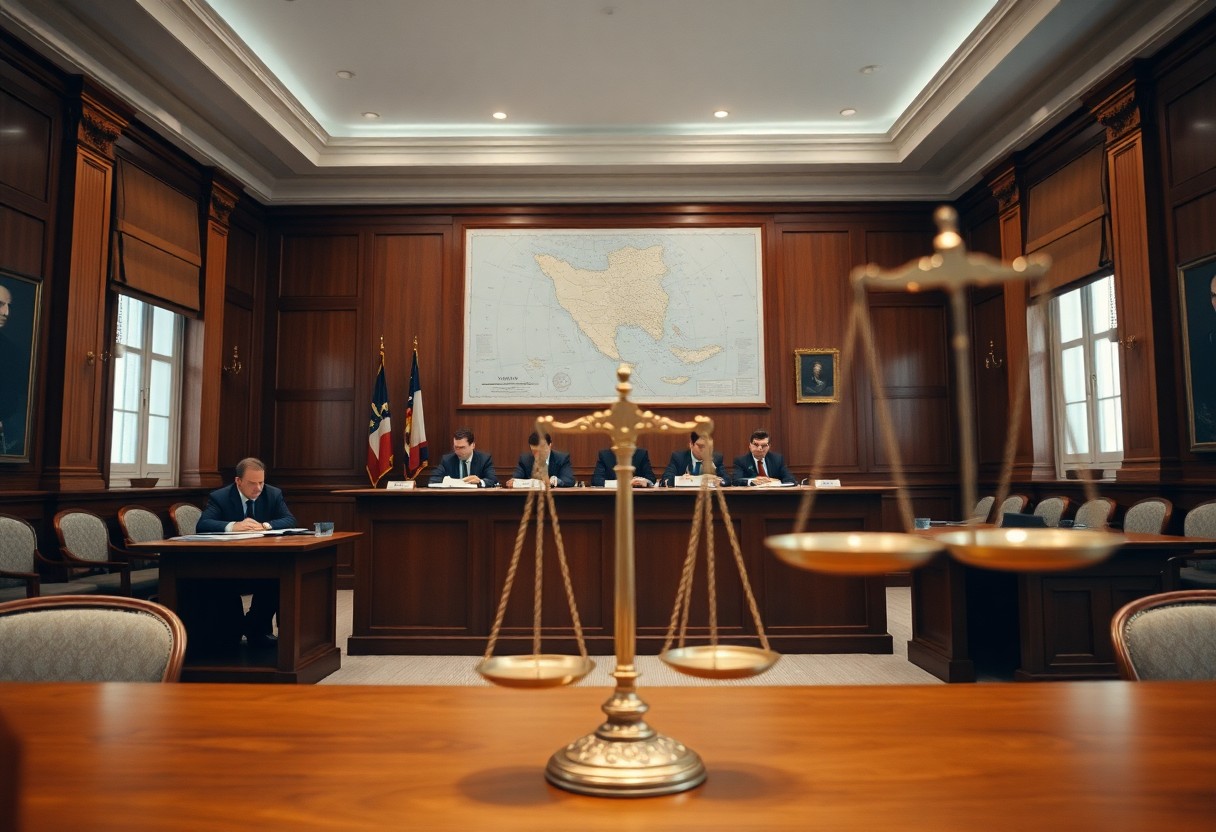
Most individuals and organizations in Malta face increasing apprehension when contemplating regulatory complaints due to the looming potential of legal retribution. This environment creates a chilling effect that discourages whistleblowing and the reporting of misconduct, leaving regulatory bodies with limited insight into violations. By examining the impact of legal threats on the complaint process, we can better understand the implications for accountability, governance, and public interest in Malta.
Understanding Regulatory Complaints in Malta
Overview of Regulatory Framework
Your understanding of the regulatory framework in Malta is crucial for navigating the complex landscape of legal compliance and oversight. The regulatory environment is governed by various authorities, which oversee a range of sectors, including financial services, gaming, and consumer protection. Each authority has established guidelines and protocols designed to address issues that arise within their respective domains. These frameworks ensure that entities operating within Malta are held to standard practices, although their effectiveness may vary depending on the specific regulatory body involved.
Your approach to regulatory compliance should not only take into account regulations but also the processes available for lodging complaints. Regulatory authorities in Malta provide mechanisms for individuals and businesses to report grievances, ensuring that regulatory breaches are addressed effectively. However, navigating these channels may prove to be daunting, particularly when the threat of legal actions looms over individuals contemplating filing a complaint.








Common Issues in Regulatory Complaints
Between a myriad of challenges, the most frequently encountered issues in regulatory complaints in Malta often stem from a lack of awareness or understanding of the processes involved. Individuals may hesitate to file complaints for fear of reprisal or legal consequences that could arise from engaging with regulatory bodies. This apprehension is exacerbated by the complex nature of regulations and the potential repercussions of raising grievances, further discouraging affected parties from taking action.
Overview of the common issues encountered highlights concerns such as lack of transparency in complaint handling, insufficient resources within regulatory bodies to manage complaints effectively, and the pervasive fear of retaliation from organizations being reported. As these issues persist, they contribute to a culture of fear where individuals might opt to remain silent rather than engage in the complaint process. The legal threats that can accompany complaints add another layer of anxiety, potentially silencing those who would otherwise seek justice or resolution for their grievances.
The Role of Legal Threats
One of the significant ways in which legal threats manifest in Malta is through direct intimidation tactics aimed at those who consider filing regulatory complaints. These threats can come in various forms, including but not limited to the following:
Types of Legal Threats Faced
| Type of Threat | Description |
| Defamation Notices | Claims that filing a complaint could hurt someone's reputation. |
| Cease and Desist Letters | Orders to stop certain actions, often aimed at discouraging complaints. |
| Legal Action Threats | Warnings of potential lawsuits for damages or harassment. |
| Financial Penalties | Insinuations that complainants could incur costs if they pursue action. |
| Personal Attacks | Public smear campaigns aimed at discrediting the complaint. |
- Understanding the possible repercussions of such threats is vital for potential complainants.
- Many may feel compelled to abandon their claims due to the fear of these legal retaliations.
- In some cases, individuals have changed their statements or withheld evidence under duress.
- This environment creates a chilling effect where transparency and accountability suffer.
- Thou must consider the implications of these legal strategies when contemplating whistleblowing.
Impact on Complainants
Above all, legal threats wield significant power over potential complainants in Malta's regulatory landscape. Fear of retribution can lead to a pervasive atmosphere of silence, deterring individuals from stepping forward. The psychological burdens of potential legal action might compel complainants to self-censor or dismiss their concerns entirely, leaving complaints unvoiced and regulatory bodies uninformed.
This silencing mechanism not only undermines individual integrity but also adversely impacts the accountability of organizations in Malta. When individuals prioritize personal safety over the pursuit of justice, it stifles the fundamental principles of openness and transparency that regulatory frameworks aim to uphold. Ultimately, the existence of legal threats creates an imbalance in the power dynamic between complainants and powerful entities, eroding public trust in the systems that are supposed to protect consumers and promote fairness.
Chilling Effects on Whistleblowers
There's a pervasive atmosphere of fear that envelops potential whistleblowers in Malta. The threat of legal repercussions often discourages individuals from coming forward with information about wrongdoing. This chilling effect is not merely anecdotal; it becomes internalized as a psychological barrier, leading potential whistleblowers to weigh the risks heavily against the benefits of reporting misconduct. The concern over retaliation, legal repercussions, and social ostracism calls into question the willingness of individuals to expose malpractices that could harm the public interest.
Psychological Barriers
Behind this reluctance lies a complex interplay of emotions. Fear of retaliation looms large in the minds of those who consider raising concerns about unethical practices or legal violations. Individuals often grapple with anxiety over their job security and the potential for lasting damage to their careers should they be identified as whistleblowers. The torment of being scrutinized, criticized, or even ostracized by colleagues can deter even the most principled individuals from taking action. Consequently, a culture of silence may prevail, ultimately hindering accountability and justice.
Consequences for Reporting
About the consequences of this reticence, it is evident that the environment surrounding whistleblowing can lead to dire repercussions not just for the individual reporting but also for the broader societal fabric. When potential whistleblowers choose silence over action, it results in a cycle of impunity where misconduct goes unchecked. Institutions become less accountable, and the public loses trust in regulatory bodies meant to safeguard their interests. This reluctance to report becomes a significant barrier in ensuring transparency and integrity within public and private sectors alike.
Chilling consequences manifest in various ways—as corruption and unethical practices thrive unchecked, the overall morale within an organization may also decline. The reluctance to highlight issues of concern means that both employees and citizens are far less likely to engage in constructive feedback. Over time, this can lead to a systemic issue where wrongdoings are normalized, ultimately eroding the values of accountability and transparency that are vital for a healthy democratic society.
Case Studies
Once again, the atmosphere of intimidation fostered by legal threats in Malta has surfaced in various regulatory complainants' experiences. A review of notable cases illustrates a pattern in which individuals and organizations are hesitant to report malpractices due to fear of retaliatory legal actions. Below is a detailed list of some significant instances:
- Case A: A whistleblower from the financial sector reported potential money laundering activities but faced a legal notice demanding retraction of statements, stifling further complaints.
- Case B: An environmental activist who filed a complaint against a construction company was threatened with defamation lawsuits, resulting in withdrawal of the complaint.
- Case C: Several employees at a public office attempted to report irregularities but were met with intimidatory messages alluding to legal action against any disclosures.
- Case D: An academic conducting research on government transparency became the target of a cease-and-desist letter after publishing preliminary findings on alleged corruption.
- Case E: A consumer rights group that raised issues with financial institutions faced multiple lawsuits, deterring them from further investigations and public statements.
Notable Instances of Legal Threats
Instances of legal threats against individuals making regulatory complaints in Malta have become increasingly apparent. The fear of litigation not only silences potential whistleblowers but also cultivates an environment where ethical standards may be compromised. The implications extend beyond individual cases, affecting wider societal norms regarding accountability and transparency in governance.
Outcomes and Implications
Legal repercussions stemming from threats against complainants contribute significantly to a chilling effect that undermines the enforcement of regulations. People become less likely to report misconduct or abuse when faced with the high stakes of potential legal conflict, engendering a culture of silence. This pattern can lead to systemic issues where corruption and malpractice go unreported, ultimately eroding public trust in both the regulatory framework and the institutions responsible for oversight.
For instance, the cases highlighted reveal that for every complaint deterred by legal intimidation, a potential breach goes unaddressed. The reduction in regulatory complaints not only hampers the ability of regulators to act but also signals to would-be wrongdoers that the risk of exposure may be negligible. Over time, this can contribute to a weakened regulatory environment, ultimately harming the integrity and credibility of key institutions in Malta.
Recommendations for Reform
Now is a pivotal moment for Malta to reassess its legal frameworks to promote transparency and accountability. Strengthening protections for individuals who file regulatory complaints is vital. This entails amending existing laws to offer robust safeguards against retaliation, threats, or any form of intimidation faced by complainants. By establishing clearer pathways for anonymity and legal support, individuals will feel more secure in voicing their concerns without fear of retribution, ultimately fostering a healthier regulatory landscape.
Strengthening Protections for Complainants
Around the world, effective legal protections for whistleblowers have proven to empower individuals to step forward and report misconduct. Malta could benefit from similar measures, such as legislative reforms that include clear definitions of retaliation and effective penalties for violators. Furthermore, implementing a dedicated agency tasked with overseeing complaints and offering legal assistance would be a significant enhancement to the current system, ensuring that whistleblowers know their rights and resources available to them when they encounter threats.
Encouraging a Whistleblower-Friendly Environment
Complainants are more likely to come forward when they perceive the environment as supportive and nurturing. Creating campaigns that educate the public on the importance of whistleblowing can contribute to a culture of accountability. Partnerships with non-governmental organizations that specialize in legal counsel and psychological support can bolster this initiative, equipping individuals with the necessary tools to navigate the complexities of reporting wrongdoings safely.
Encouraging proactive measures that reinforce the positive impact of whistleblowing can significantly reduce the stigma associated with reporting misconduct. Engaging with media and community organizations to share success stories of whistleblowers who have made a difference can also inspire others to speak up. Involving trusted community figures in promoting the message can enhance the visibility of these efforts and cultivate an atmosphere where integrity is celebrated.
Summing up
Following this analysis, it becomes evident that the atmosphere surrounding legal threats in Malta significantly deters individuals and organizations from filing regulatory complaints. The fear of potential legal retribution not only inhibits the free flow of information but also discourages whistleblower activity. This chilling effect undermines the regulatory framework, diminishing accountability and transparency within key sectors, particularly in finance and governance, where such complaints are vital for maintaining ethical standards.
In light of these challenges, it is vital for the Maltese authorities to reassess the existing legal structures that impose undue threats, fostering a more supportive environment for whistleblowing and regulatory complaints. By promoting mechanisms that protect individuals who come forward with information, Malta can enhance its regulatory landscape and encourage a culture of compliance and ethical behavior, ultimately leading to a stronger, more robust governance framework.
FAQs
What are regulatory complaints in Malta?
Regulatory complaints in Malta are formal grievances lodged with oversight bodies concerning misconduct, non-compliance, or breaches in various sectors such as finance, gaming, or consumer rights.
Why are individuals hesitant to file complaints in Malta?
Many fear legal retaliation, including lawsuits or defamation claims, which creates a chilling effect and discourages people from reporting misconduct.
What are the common legal threats faced by whistleblowers in Malta?
Common threats include defamation notices, cease and desist letters, lawsuits, financial penalties, and personal smear campaigns.
How do legal threats affect the complaint process?
They intimidate potential complainants into silence, reducing the number of reports filed and undermining regulatory enforcement.
What impact does this have on transparency and accountability?
It erodes public trust, fosters a culture of silence, and enables unethical behavior to go unpunished within institutions.
Are there any legal protections for whistleblowers in Malta?
Currently, legal protections are limited and inadequate, prompting calls for reform to ensure safe reporting channels and retaliation safeguards.
How can Malta improve its regulatory complaint system?
Malta can enhance protections through legal reforms, create anonymous reporting options, and offer legal support to complainants.
What sectors are most affected by these legal threats?
The financial sector, environmental activism, and public institutions have seen notable cases of legal intimidation against whistleblowers.
What are the psychological effects on potential complainants?
Fear of job loss, reputational damage, and social ostracism often leads to stress, anxiety, and ultimately, silence.
How can public trust be restored in Malta’s regulatory system?
By implementing robust whistleblower protections, increasing transparency, and promoting a supportive environment for reporting misconduct.

Lela
I have over 10 years' experience proofreading and editing where spelling and grammar were paramount. This includes newspaper publication and designing advertisements. I personally write all my articles.This allows me to do in-depth research and provide premium content.
Related Posts


Rosi Bremec joins Malta Media as VP Partnerships
July 14, 2026