















Libuša Baranová appointed to lead Slovak gambling regulator
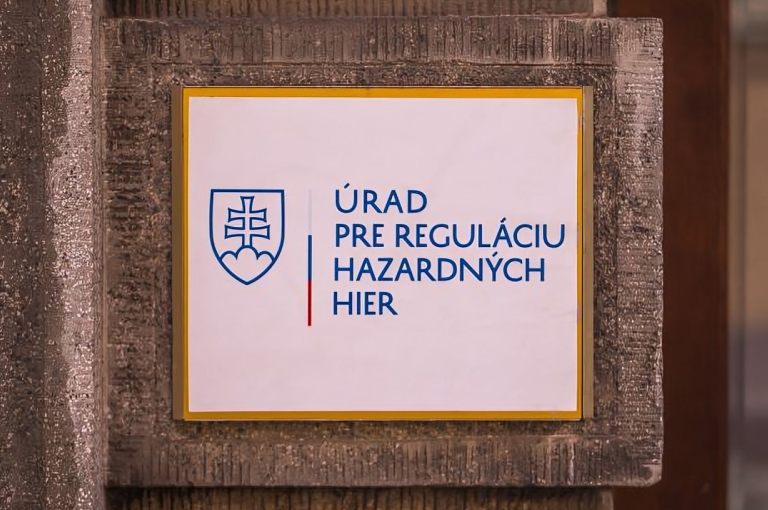
Slovakia’s gambling regulatory landscape is undergoing another transformation following the appointment of Libuša Baranová as the new Director General of the Office for the Regulation of Gambling (ÚRHH). The announcement, confirmed by the Ministry of Finance, marks the second leadership change at the institution in 2025, reflecting the increasing political and administrative focus on reforming the country’s gambling framework.
Baranová’s appointment follows the tenure of Jana Mravíková, who assumed the directorship in April after the departure of Martin Bohoš, the long-serving head of the office since 2019. Mravíková has now been reassigned to lead the Department of Economics and Operations within the same ministry, effective October 1.
This reshuffling comes at a time when the Slovak gambling sector faces heightened scrutiny from policymakers, regulatory authorities, and public interest groups. The evolving debate centers on the balance between market liberalization, player protection, and fiscal transparency in one of Central Europe’s fastest-growing digital gaming markets.





















Context of reform and increasing regulatory pressure
Baranová assumes leadership during a period of significant turbulence for the gambling authority. The ÚRHH has been at the center of a national discussion on the adequacy of current gambling laws, which some stakeholders argue have failed to keep pace with the rapid evolution of the online betting landscape.
Former director Martin Bohoš, upon leaving office, had explicitly called for a comprehensive review of Slovakia’s Gambling Act, stating that “existing legislation no longer reflects the modern dynamics of online gambling and lacks the safeguards necessary to protect players effectively.” His comments echoed concerns shared by independent observers that the country’s regulatory model remains heavily oriented toward traditional, land-based operations.
Baranová’s arrival therefore coincides with a critical juncture. She inherits an office burdened by both internal restructuring and external expectations. Her leadership will likely be measured by how effectively she can stabilize the institution while guiding long-anticipated legislative reforms.
Legislative initiatives and political responses
Among the most prominent advocates for reform is Sports and Tourism Minister Rudolf Huliak, who has introduced proposals to strengthen the social responsibility obligations of licensed gambling operators. His proposed amendments emphasize preventive measures over promotional activities, prioritizing consumer protection and responsible gambling standards.
Huliak’s reform agenda includes expanding the state’s ability to penalize unlicensed online platforms and improving transparency around gambling-related revenues used to fund sports initiatives. According to the minister, “the gambling industry must serve society, not the other way around.”
Parallel to Huliak’s initiatives, the Christian Democratic Movement (KDH) has intensified its criticism of the Ministry of Finance’s supervisory practices. The party has urged the government to initiate a tax audit of the gambling sector, citing inconsistencies between growing national betting turnover and stagnant tax contributions, which have remained at approximately €340 million annually.
Representatives from KDH argue that the regulatory framework currently enables certain licensed operators to benefit from uneven enforcement and limited fiscal scrutiny. In their public statements, they have called for “greater accountability, transparency, and equitable application of tax laws across all participants in the gaming market.”
Institutional critiques and systemic shortcomings
Independent oversight bodies have also raised red flags about Slovakia’s gambling regulation. The Supreme Audit Office (NKÚ) and the Institute for the Regulation of Gambling (IPRHH) have both issued reports criticizing the system as “fragmented, outdated, and under-resourced.”
According to these analyses, the ÚRHH lacks sufficient technical capacity to monitor the rapidly expanding online gambling ecosystem. The agencies point to weaknesses in cross-border cooperation, data collection, and the enforcement of restrictions on unlicensed operators, many of which continue to target Slovak consumers from offshore jurisdictions.
The IPRHH has highlighted that regulatory delays and budget constraints undermine the authority’s ability to respond to emerging market trends, particularly in digital gambling and esports betting — areas where technological innovation outpaces legal adaptation.
Findings from the IPRHH’s landmark report on illegal gambling
A comprehensive report published in August by the Institute for the Regulation of Gambling (Inštitút pre reguláciu hazardných hier, IPRHH), in collaboration with the Institute of Sociology of the Slovak Academy of Sciences (SAV), offered new insights into the prevalence of illegal online gambling in Slovakia.
The study, described by IPRHH as the first representative survey on the subject, revealed that a considerable proportion of Slovak players continue to access unlicensed gambling platforms despite the existence of a regulated market. The findings underscore the scale of the challenge facing regulators like Baranová as they attempt to bring the industry fully within the legal framework.
Key observations from the report include:
- A lack of public awareness regarding which operators are licensed under Slovak law.
- Difficulties in enforcing blocking measures against foreign websites.
- Weak coordination between financial institutions and regulators in preventing illegal money flows.
- Gaps in consumer protection measures, particularly concerning problem gambling intervention and self-exclusion tools.
These findings have further intensified the debate about whether Slovakia’s gambling law requires not only amendment but a structural overhaul to meet EU compliance standards and modern industry realities.
Balancing market interests and social responsibility
The appointment of Baranová is widely interpreted as part of a broader governmental effort to restore confidence in the ÚRHH and signal a commitment to modernization. Her experience within public administration and economic oversight is expected to be an asset in addressing both fiscal and ethical dimensions of gambling regulation.
However, analysts caution that meaningful reform will depend on balancing competing interests — maintaining market stability and revenue generation while prioritizing social safeguards. The growth of the online sector, including betting apps and casino platforms, has created complex regulatory dilemmas involving taxation, consumer behavior, and advertising controls.
Baranová’s leadership will likely focus on ensuring that gambling remains a tightly controlled, socially responsible activity rather than an unchecked revenue source. Insiders anticipate that her initial steps will involve reviewing compliance frameworks, enhancing interdepartmental cooperation, and developing digital monitoring tools to detect unlawful operations more effectively.
Public and political outlook
Public opinion in Slovakia remains divided on gambling liberalization. While the regulated sector contributes substantial tax income and funds social programs, concerns persist about addiction, debt, and the potential influence of the gambling lobby on policymaking.
Political observers suggest that the upcoming months will test Baranová’s ability to mediate between competing narratives — one advocating for tighter restrictions and another emphasizing market freedom and innovation.
Early signals from the Ministry of Finance indicate that Baranová’s appointment aligns with a broader strategy to enhance institutional integrity and align Slovak regulations with European best practices.
Future prospects for Slovakia’s gambling regulation
The next phase for Slovakia’s gambling regulator will likely focus on modernization and enforcement. Strengthening the legal infrastructure to combat illegal operators, ensuring fair taxation, and promoting responsible gaming will form the cornerstone of forthcoming reforms.
Stakeholders expect that under Baranová’s direction, the ÚRHH will intensify cooperation with European regulatory bodies, seek additional funding for digital oversight tools, and support public education campaigns on responsible gambling.
The government’s overarching goal remains clear: to create a transparent, accountable, and socially conscious gambling environment that both supports national revenue and protects citizens from the risks of gambling-related harm.
Conclusion
The appointment of Libuša Baranová as the head of Slovakia’s gambling regulator marks a pivotal moment for the country’s gaming industry. As Slovakia navigates the complex interplay of market growth, consumer protection, and regulatory modernization, her leadership will be critical in shaping the future of gambling oversight.
With political, institutional, and social pressures converging, the success of this new era for the ÚRHH will depend not only on administrative reform but also on a renewed commitment to transparency, accountability, and the public interest.
FAQs
Who is Libuša Baranová?
Libuša Baranová is the newly appointed Director General of Slovakia’s Office for the Regulation of Gambling (ÚRHH), confirmed by the Ministry of Finance.
Why was there another leadership change at the ÚRHH?
The leadership change followed internal restructuring and policy challenges, with the ministry seeking stronger oversight and reform-oriented leadership.
What challenges does the new director face?
Baranová faces challenges related to updating outdated gambling laws, addressing unlicensed operators, and enhancing consumer protection.
What reforms are being proposed for Slovakia’s gambling sector?
Reforms aim to increase transparency, strengthen responsible gambling measures, and ensure fair taxation within the gaming industry.
Who is advocating for stricter gambling controls?
Sports and Tourism Minister Rudolf Huliak and the Christian Democratic Movement (KDH) are among those calling for stronger regulation and oversight.
Why is the gambling act under review?
The act is considered outdated and insufficient to handle modern online gambling dynamics and emerging risks such as illegal betting.
What did the IPRHH report reveal?
The report highlighted a significant presence of illegal online gambling and called for improved enforcement and consumer awareness.
How much does Slovakia collect in gambling taxes annually?
Tax revenue from gambling has remained around €340 million, despite increasing betting activity in recent years.
How is public sentiment toward gambling regulation?
Public opinion is mixed, with support for maintaining revenues but growing concern over addiction and lack of oversight.
What is expected from Baranová’s leadership?
Her leadership is expected to emphasize modernization, transparency, and the integration of responsible gambling practices across the industry.

Lela
I have over 10 years' experience proofreading and editing where spelling and grammar were paramount. This includes newspaper publication and designing advertisements. I personally write all my articles.This allows me to do in-depth research and provide premium content.
Related Posts


Onlyplay launches Hot Dunk basketball slot with free spins
April 10, 2026


Italy reconsiders gambling ad ban to boost football funding
April 10, 2026