












Malta airport traffic rises in spring
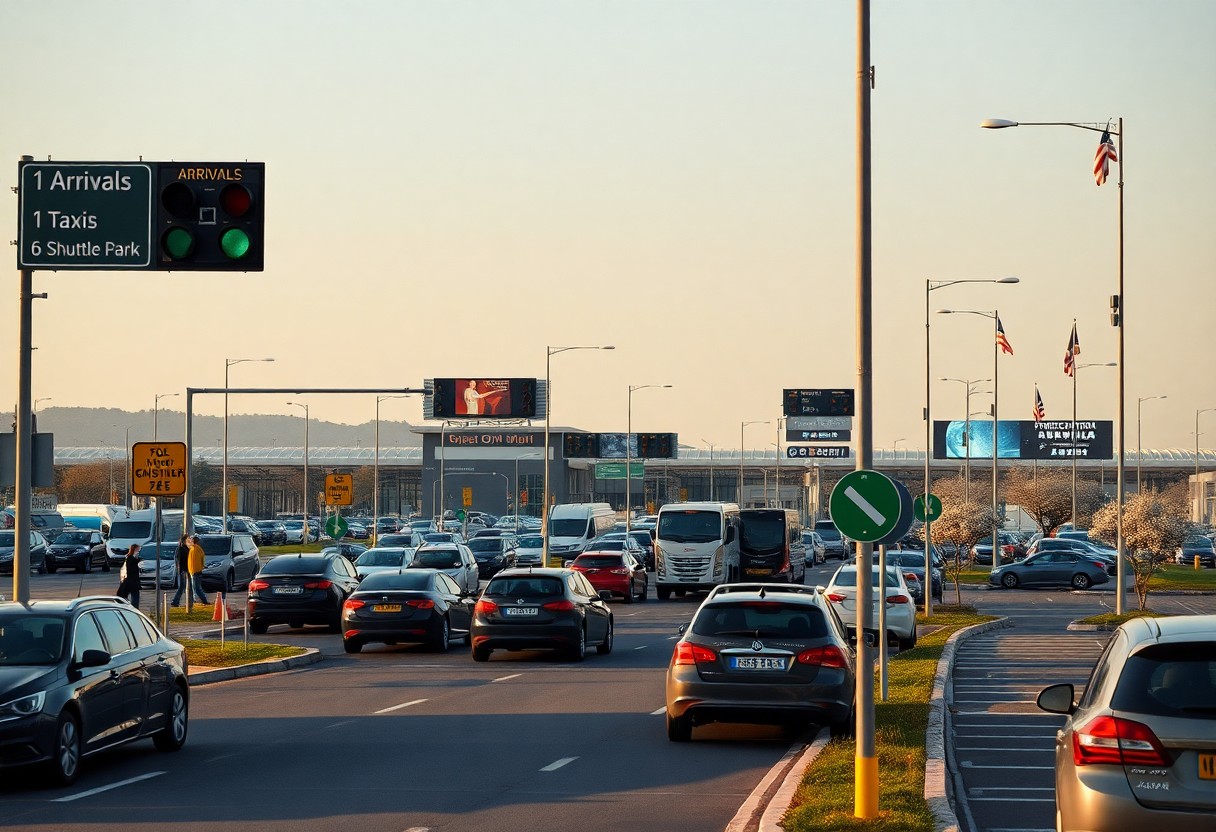
With increasing passenger numbers at Malta Airport, early spring tourism demand shows a promising trend. A surge in flights and bookings indicates heightened interest in the Maltese islands, suggesting a robust recovery in the tourism sector following previous downturns.
Statistical Overview of Q1 and Early Q2 Traffic
Record-Breaking Passenger Movements in March and April
March and April witnessed a surge in passenger numbers, reaching record highs compared to previous years. Major airlines reported increased flight frequencies, contributing to a bustling travel atmosphere. This uptick signals a robust early spring tourism demand that bodes well for the upcoming summer season.
Analysis of Load Factors and Aircraft Movements
Load factors exceeded expectations as airlines adjusted capacity to meet rising demand. Aircraft movements also increased significantly, showcasing airlines' responsiveness to market conditions. This adjustment reflects an agile approach to maximizing operational efficiency.

















- Increased load factors enhance revenue per flight.
- Greater aircraft movements suggest heightened travel activity.
- This trend reflects a positive trajectory for the tourism sector.
The analysis shows that airlines operated at higher capacity, achieving load factors that exceeded 85% during peak periods. Factors contributing to this efficiency included strategic scheduling and competitive pricing. This resulted in many flights reaching significant thresholds for profitability.
- Higher load factors often correlate with improved overall profitability.
- Consistent data indicates healthy competition among carriers.
- This trend emphasizes the vitality of Malta's travel appeal.
Seat Capacity Utilization Rates Across Major Carriers
Seat capacity utilization rates showed steady improvement, with leading airlines operating at upwards of 80%. This consistency showcases strong demand among travelers eager to explore Malta's attractions.
Analysis of the utilization rates reveals that major carriers have optimized seating arrangements and flight routes to cater to the influx of travelers. This strategic planning has led to minimized empty seats and enhanced overall efficiency.
Key Source Markets Driving Growth
Resurgence of the UK and Italian Markets
UK and Italian tourists are returning to Malta in significant numbers, reflecting growing consumer confidence and demand for travel. Both markets are critical for the island's tourism scene, contributing to a substantial increase in flight bookings and hotel occupancy rates.
Emerging Trends in Central and Eastern European Arrivals
Central and Eastern European countries are showing increased interest in Malta, with arrivals from these regions steadily climbing. This trend highlights a shift in travel preferences among tourists seeking diverse Mediterranean experiences.
Growing airfare affordability and enhanced flight connectivity are driving arrivals from Central and Eastern Europe. As budget airlines expand routes, more travelers are discovering Malta's attractive offerings, including cultural experiences and beautiful landscapes. This emerging trend suggests Malta’s potential for future growth within this demographic.
The Impact of Non-Schengen Traffic on Terminal Operations
Non-Schengen traffic is influencing terminal operations in Malta, necessitating adjustments to cope with increased passenger volume. This influx requires enhanced systems for processing arrivals and departures efficiently.
Expanding non-Schengen arrivals demands operational changes, including streamlined security checks and upgraded immigration facilities. As more international travelers choose Malta, airport authorities are focusing on optimizing the passenger experience, ensuring that travel remains smooth and efficient, despite the complexities of managing diverse travel requirements. This focus is pivotal for maintaining Malta's reputation as a desirable destination.
Airline Performance and Capacity Expansion
The Dominance of Low-Cost Carriers: Ryanair and Wizz Air
Low-cost carriers Ryanair and Wizz Air continue to dominate the market, driving significant traffic at Malta International Airport. Their aggressive pricing strategies and extensive route networks cater to a growing demand for affordable travel options, particularly among budget-conscious tourists in the early spring season.
KM Malta Airlines: Transition and Initial Performance Metrics
KM Malta Airlines has recently transitioned to a new operational model, showing promising initial performance metrics post-launch. Early reports indicate an increase in passenger load factors, signaling strong interest from travelers.
This new airline aims to fill gaps left by former operators while enhancing service options. Early metrics highlight a competitive advantage in both pricing and route accessibility, appealing to a broad audience, including both leisure and business travelers. Stakeholders are optimistic about its growth trajectory as market reception improves.
Legacy Carriers and the Return of Seasonal Long-Haul Feeder Flights
Legacy carriers are reintroducing seasonal long-haul feeder flights, expanding flight options for travelers heading to Malta. This resurgence aligns with increasing demand for connecting international destinations to the local tourism market.
Major airlines are capitalizing on the growing interest in Malta, providing critical connections that enhance the overall travel experience. By reinstating these routes, carriers not only increase their share of passenger traffic but also support the broader tourism infrastructure, encouraging long-term growth within the region.
Strategic Infrastructure Upgrades at Malta International Airport (MIA)
Terminal Expansion Projects and Space Optimization
Plans for terminal expansion and space optimization will address growing passenger volumes. New layouts and additional gates are designed to enhance passenger flow and reduce congestion, making travel more efficient.
Apron and Runway Maintenance for Increased Frequency
Regular maintenance of the apron and runway will support a higher frequency of flights. This proactive approach ensures safety while maximizing operational capacity during peak travel seasons.
Ongoing maintenance efforts target the apron and runway infrastructures to accommodate the expected increase in flight frequency. Upgrading surface materials and scheduling timely repairs minimizes downtime and enables smoother operations, positioning Malta International Airport to meet the rising demands of early spring tourism.
Investment in Security Screening and Border Control Technology
Enhanced security screening and border control measures are being implemented to ensure passenger safety. Investments in advanced technology will streamline processes while maintaining high-security standards.
Investing in state-of-the-art security screening and border control technology is important for modern airport operations. New systems will expedite passenger processing, reduce waiting times, and bolster safety, thereby instilling greater passenger confidence. This comprehensive upgrade mirrors global best practices in security, helping Malta International Airport efficiently manage increasing traffic flows and uphold its commitment to safety.
The Shift Toward Shoulder Season Tourism
De-seasonalization Strategies and Their Measured Success
Targeted de-seasonalization strategies have proven successful, drawing tourists outside the peak months. Promotional packages, off-season activities, and tailored marketing campaigns have increased visitor numbers, providing financial stability for local businesses.
Cultural and Event-Based Tourism as a Spring Catalyst
Cultural and event-based tourism has emerged as a significant driver of early spring travel, attracting diverse audiences and extending the tourism season.
Festivals, artistic showcases, and historical events contribute to spring's appeal, encouraging travelers seeking unique experiences. This influx promotes local culture and enhances Malta's profile as a destination, with events such as Easter celebrations drawing substantial crowds and creating a sense of community engagement. The synergy between cultural offerings and tourism elevates Malta's spring season.
The Role of Business Travel and MICE in Early Year Growth
Business travel and MICE (Meetings, Incentives, Conferences, Exhibitions) play a pivotal role in stimulating early-year tourism for Malta, ensuring consistent visitor flow.
Corporate events and conferences attract international professionals, fostering growth in various sectors. Business tourism not only generates revenue for hotels and venues but also encourages repeat visits. As companies increasingly seek unique locations for their events, Malta's strategic position and facilities make it a preferred choice, bridging the gap between traditional leisure tourism and corporate engagement.
Economic Impact of Increased Passenger Volumes
Contribution to National GDP and the Tourism Value Chain
Increased passenger volumes contribute significantly to Malta's GDP through augmented tourism spending and associated economic activity. Visitors stimulate sectors such as accommodation, transportation, and entertainment, enhancing the value chain that supports national finances.
Employment Trends in the Aviation and Hospitality Sectors
Growth in tourism has bolstered employment opportunities within aviation and hospitality, creating jobs in various capacities. This trend not only aids job seekers but also strengthens the local economy.
Demand for services in the aviation and hospitality sectors has surged, resulting in a notable increase in hiring. Airports and hotels are seeking skilled workers, encouraging workforce training programs and stimulating local economies. Employers are also adapting to heightened competition by improving employee benefits, which further attracts talent to the industry.
Retail and Food & Beverage Revenue Growth at the Terminal
Retail and food and beverage outlets at the airport are experiencing significant revenue growth, driven by increased passenger traffic. Spending by travelers at these venues highlights the economic potential of the airport environment.
Enhanced passenger volumes translate directly to increased foot traffic in retail and dining establishments. As a result, airport vendors are expanding their offerings and improving services to cater to diverse traveler needs, ultimately boosting sales and enhancing the overall travel experience.
Connectivity and New Route Development
Strategic Partnerships with European Hubs
Building alliances with major European airports enhances Malta's attractiveness as a destination. These partnerships streamline passenger transfers, encouraging airlines to increase flight frequencies and improve service quality.
Incentivizing New Destinations for Year-Round Operations
Encouraging airlines to establish routes to new destinations plays a pivotal role in maintaining year-round tourist flow. Targeted incentive programs can stimulate interest from airlines to connect underserved regions with Malta.
Dedicated programs offering financial incentives or marketing support significantly attract airlines to introduce flights to emerging destinations. By creating a favorable operational environment, Malta can become a vital link for travelers seeking both leisure and business opportunities throughout the year.
Enhancing Regional Connectivity Within the Mediterranean Basin
Improving connections within the Mediterranean fosters increased travel options and supports local economies. Enhanced regional networks make Malta an ideal hub for both domestic and international flights, driving tourism growth.
Expanding flight routes and improving scheduling between Malta and neighboring destinations can facilitate easier access for tourists, thereby encouraging multi-destination travel. This expansion not only enhances tourist appeal but also strengthens local businesses and promotes cultural exchange throughout the Mediterranean region.
Comparative Analysis: Malta vs. Mediterranean Competitors
| Criteria | Malta |
|---|---|
| Visitor Growth Rate | 12% increase year-over-year |
| Average Flight Costs | €150 round trip |
| Seasonal Promotions | Early bird offers active |
| Transport Connectivity | Direct flights from 50+ cities |
Benchmark Performance Against Cyprus and the Greek Islands
Malta outperforms Cyprus and the Greek Islands in overall visitor growth, boasting a 12% increase compared to their more modest gains. Its strong promotional campaigns further enhance its appeal during early spring, setting it apart as a premier destination.
Competitive Pricing Models and Airport Tax Structures
Malta maintains attractive pricing models that entice tourists, reinforced by lower airport taxes compared to its Mediterranean counterparts. Such structures promote increased flight frequency and enhance overall accessibility.
Pricing strategies implemented by Malta focus on affordable flight options and attractive package deals. Compared to Cyprus and the Greek Islands, Malta's lower airport taxes create more competitive flight pricing, drawing in budget-conscious travelers and contributing to improved traffic at Malta International Airport.
Brand Positioning of Malta as a Premier Spring Destination
Malta is brandishing itself as an ideal spring destination, capitalizing on its cultural heritage and beautiful landscapes. This positioning is amplified through targeted marketing that emphasizes its unique offerings, leading to increased interest among travelers.
Through strategic branding efforts, Malta highlights its rich history, vibrant festivals, and scenic coastlines as key attractions for spring tourists. Leveraging these aspects, the country is effectively marketing its appeal, ensuring it stands out against competitors in the Mediterranean tourism market.
Sustainability and Environmental Management
MIA’s Roadmap to Net Zero Carbon Emissions
Malta International Airport (MIA) has committed to achieving net zero carbon emissions by 2050. This ambitious goal includes various initiatives aimed at optimizing efficiency and integrating renewable energy sources throughout airport operations.
Implementation of Sustainable Aviation Fuel (SAF) Incentives
Incentives for Sustainable Aviation Fuel (SAF) are being implemented to promote environmental responsibility within the aviation industry. These policies aim to encourage airlines to transition to cleaner fuel options, thereby reducing their carbon footprint.
SAF incentives include tax breaks and subsidies for airlines adopting sustainable fuel alternatives. The initiative not only supports a reduction in greenhouse gas emissions but also stimulates local economies by enhancing fuel production capacity in the region.
Noise Mitigation and Waste Management Protocols
Noise mitigation and waste management protocols are crucial for maintaining a harmonious relationship with the local communities surrounding MIA. These measures focus on minimizing noise pollution during operations and managing waste effectively.
Implementing advanced noise reduction technologies and establishing strict waste separation guidelines enhances environmental performance. By actively engaging in community consultations, MIA ensures transparency and fosters trust with residents affected by airport activities, continuing to improve its environmental stewardship.
Digital Transformation and Passenger Experience
Biometric Integration and Self-Service Check-in Solutions
Biometric technology streamlines the check-in process, allowing passengers to use facial recognition or fingerprint scanning. This innovation not only accelerates boarding times but also enhances security measures within the airport environment.
Real-Time Data Analytics for Crowd Management
Real-time analytics provide necessary insights into passenger flow, enabling airports to optimize staffing and resources during peak times, thereby improving the overall travel experience.
Advanced analytics systems analyze passenger data continuously, allowing for proactive crowd management. Tools that track passenger volumes inform airport operations, ensuring adequate staffing and effective resource allocation. Such technologies alleviate congestion and enhance safety, making travel more efficient and pleasant for everyone involved.
Enhancing the Digital Journey via the MIA Mobile Ecosystem
The MIA mobile ecosystem offers passengers a unified platform for flight updates, terminal information, and services at their fingertips, significantly improving travel convenience.
This mobile platform integrates various airport services with personalized notifications to keep travelers informed and engaged throughout their journey. Features like interactive maps and boarding alerts facilitate easier navigation, while real-time updates minimize uncertainty, making the entire travel experience smoother and more user-friendly. As a result, passengers feel more in control of their journeys.
Policy and Regulatory Framework Supporting Growth
Government Subsidies and Tourism Marketing Initiatives
Targeted government subsidies and strategic tourism marketing initiatives are catalyzing growth in Malta's early spring tourism sector. These efforts aim to attract more visitors while enhancing the country’s travel profile and ensuring sustainable tourism development.
Alignment with EU Aviation Safety and Environmental Standards
Compliance with EU aviation safety and environmental standards safeguards Malta's air transport sector while promoting eco-friendly practices.
Alignment with EU Aviation Safety and Environmental Standards
Adhering to EU aviation safety regulations ensures a secure operational environment for both airlines and passengers. Upgrades in infrastructure, aircraft maintenance, and staff training meet rigorous safety measures. Incorporating environmentally-friendly practices, such as efficient fuel use and sustainable airport operations, minimizes the ecological footprint, aligning Malta with broader European initiatives for responsible tourism.
Visa Facilitation and Its Influence on Non-EU Passenger Growth
Efficient visa facilitation continues to bolster non-EU passenger growth, making Malta an attractive destination for global travelers.
Visa Facilitation and Its Influence on Non-EU Passenger Growth
Streamlined visa processes simplify travel for non-EU tourists, thus boosting Malta's appeal. Recent reforms have reduced bureaucratic hurdles, fostering a significant increase in visitor numbers from regions previously hindered by complex entry requirements. Enhanced diplomatic relations and targeted outreach further promote Malta as a favorable travel destination, ultimately expanding its tourism base.
Hospitality and Ancillary Service Adaptation
Hotel Occupancy Trends Correlated with Airport Traffic
Hotel occupancy rates are reflecting heightened airport traffic, indicating a strong correlation between incoming flights and bookings. Early spring saw an uptick in visitor numbers, prompting hotels to optimize their services for increased demand.
The Surge in Car Rental and Local Transport Demand
Car rental services have experienced a notable increase, driven by a rise in tourist arrivals. Local transport options are also adapting to meet the growing need for mobility among visitors.
This surge in car rental and local transport demand highlights the importance of strategic planning among service providers. Companies are expanding fleets and enhancing customer service, ensuring tourists can easily explore Malta’s attractions. Partnerships with local transport services are also necessary to improve overall accessibility for visitors, fostering a more interconnected travel experience.
Integration of Airport Logistics with Gozo Tourism Demands
Integrating airport logistics with Gozo tourism needs has become necessary as more travelers seek day trips to the island. Efficient transportation solutions are being prioritized to streamline access for tourists landing in Malta.
Enhancing the connection between Malta’s airport and Gozo has prompted a collaborative approach among transport providers and local tourism operators. Scheduled ferry services and shuttle options are being optimized to accommodate the influx of tourists, ensuring that visitors can experience both destinations without hassle. This strategic integration supports the growing interest in Gozo as a complementary travel experience to mainland Malta.
Future Projections for the Peak Summer Season
Forecasting Passenger Volume for Q3 2024
Anticipated passenger volume for Q3 2024 indicates a surge, potentially exceeding pre-pandemic levels. With increased flight scheduling and marketing efforts, Malta expects to accommodate a significant influx of tourists drawn by its historic charm and scenic vistas.
Potential Bottlenecks and Mitigation Strategies
Challenges may arise in airport operations, particularly during peak travel times. Strategic measures, including scheduling adjustments and enhanced staffing, aim to alleviate congestion and streamline passenger flow.
Addressing potential bottlenecks requires proactive management of flight schedules, optimizing check-in processes, and investing in additional resources at peak hours. Collaboration between airlines and airport authorities will ensure a more efficient operational framework, minimizing delays and improving the overall travel experience for visitors.
Long-term Growth Targets and Fleet Modernization Trends
Long-term growth targets emphasize expanding route networks and upgrading fleet capabilities. Airlines are focusing on newer aircraft to enhance operational efficiency and reduce environmental impact.
Investments in fleet modernization reflect a commitment to sustainability and improved service. Airlines are prioritizing eco-friendly technologies and larger aircraft to accommodate growing passenger demand, supporting Malta's aim to become a premier travel destination in the Mediterranean region.
To wrap up
Following this trend, Malta's airport has seen a significant increase in traffic, highlighting strong early spring tourism demand. This surge in visitors underscores the island's appeal and the effectiveness of its promotional strategies. As tourism continues to thrive, Malta stands ready to capitalize on this momentum, bolstering its economic prospects for the coming months.
FAQs
What is driving the increase in Malta airport traffic?
The rise in Malta airport traffic is mainly driven by strong early spring tourism demand, increased flight frequencies and growing interest from key European markets such as the UK and Italy.
How significant was the passenger growth in early spring?
Passenger numbers in March and April reached record highs compared to previous years, indicating a robust recovery in the tourism sector.
Which markets are contributing most to Malta’s tourism growth?
The UK and Italian markets remain the primary contributors, while Central and Eastern European countries are emerging as important growth regions.
What role do low-cost airlines play in this growth?
Low-cost carriers like Ryanair and Wizz Air play a major role by offering affordable travel options and expanding route networks, attracting budget-conscious travelers.
How are airlines responding to increased demand?
Airlines are increasing flight frequencies, optimizing routes and improving seat capacity utilization to meet the growing number of passengers.
What impact does this growth have on Malta’s economy?
Higher passenger volumes contribute significantly to Malta’s GDP by boosting tourism spending across accommodation, transport and retail sectors.
How is Malta International Airport handling increased traffic?
The airport is investing in infrastructure upgrades, improving security systems and optimizing terminal operations to manage higher passenger volumes efficiently.
What is the role of business travel in early spring tourism?
Business travel and MICE activities help sustain tourism during early months by attracting corporate visitors and hosting international events.
How does Malta compare to other Mediterranean destinations?
Malta shows stronger visitor growth and competitive pricing compared to destinations like Cyprus and the Greek Islands, making it more attractive in early spring.
What are the future expectations for Malta’s tourism sector?
Tourism is expected to continue growing, with projections indicating even higher passenger volumes in summer and continued investment in infrastructure and sustainability.

Esther
I am a professional writer with 8 years of experience in this field and I can provide you with the best-written content you can find. Education B.A. - English, George Washington University, United States, Graduated 2011.
Related Posts

Malta hotel occupancy trends in spring
May 5, 2026

Malta attracts new spring travelers
May 4, 2026

Malta tourism tests power grid
May 2, 2026

Cruise tourism fuels Malta spring
May 1, 2026

Malta tourism blooms this spring
April 30, 2026

Malta Tourism and Water Risks
April 29, 2026
Malta tourism growth strains services
April 28, 2026

Malta spring travel and traffic
April 27, 2026

Short trips boost Malta tourism
April 25, 2026