Malta Awards €411K Lease to Church Without Tender
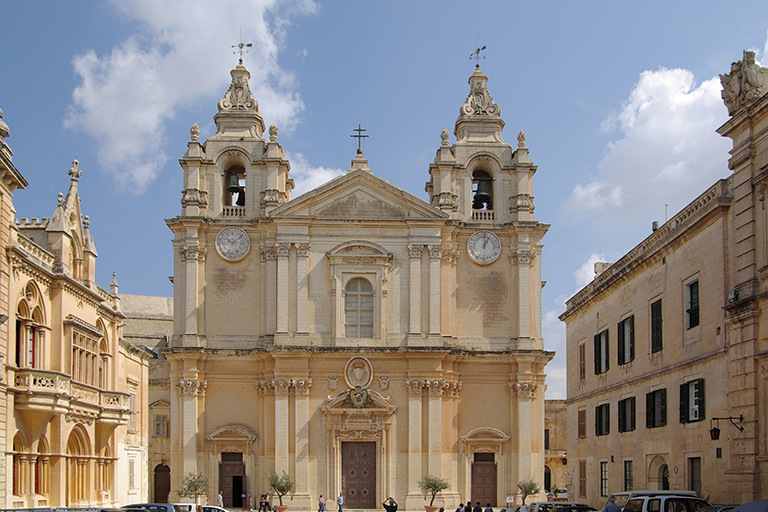
The Maltese government has once again granted a significant direct order to the Archdiocese of Malta, further solidifying the financial relationship between the state and the Church. This latest deal involves leasing a Church-owned property in Balluta for a substantial sum of €411,000. The agreement has, however, drawn criticism due to the lack of transparency surrounding the process, as it was not subject to a public tender and was kept undisclosed for several months after being finalized.
A Secretive Contract Raises Transparency Concerns
In August 2024, a contract was signed between the government’s agency Aġenzija Sapport and the Archdiocese of Malta for the lease of a property. Aġenzija Sapport, which is responsible for providing support and services to individuals with disabilities, did not issue a public call for tenders as required by standard procurement regulations. Instead, the agency obtained direct approval from the Minister of Finance to negotiate the agreement directly with the Curia.
A spokesperson from Aġenzija Sapport confirmed the contract’s existence and disclosed that the leased property belongs to the Church’s Dar tal-Providenza. The building is expected to be used for providing specialized services for persons with disabilities over the next 15 years. However, the spokesperson refrained from offering further specifics regarding the nature of these services, and even the precise location of the property remains undisclosed, fueling further speculation.





















More Government Contracts Awarded Without Public Tenders
This is not the only case where Aġenzija Sapport has bypassed standard procurement rules. Official records published in the Government Gazette reveal that the agency has issued multiple direct orders to lease additional properties:
A €131,000 contract was signed with private individuals for a four-year lease of office space in Santa Venera. The agency justified this decision by citing the need for additional space to house a support service department adjacent to its headquarters.
Another direct contract, valued at €151,000, was secured for leasing space at the Conservatorio Vincenzo Bugeja in Santa Venera. This location has been used as a day center for individuals with disabilities since 2001. Aġenzija Sapport stated that the contract had to be renegotiated in 2024 due to the termination of the previous agreement by other parties.
The Controversial Closure of the Conservatorio Vincenzo Bugeja
The Conservatorio Vincenzo Bugeja has been embroiled in controversy in recent years. In November 2023, reports emerged that the residence was abruptly shut down despite its long-standing history dating back to 1880 when it was founded by philanthropist Vincenzo Bugeja. The government had been funding its operations through an annual budget of €800,000 under a public social partnership agreement.
Officials representing the Conservatorio initially downplayed the closure, attributing it to routine management restructuring. However, allegations of financial mismanagement and irregularities within its publicly funded programs, specifically the Fejda and Jean Antide residences, have cast doubt on these claims. The sudden shutdown has raised concerns over the proper utilization of public funds and the government's handling of social welfare institutions.
Expanding Financial Agreements Between the Church and the State
The financial dealings between the Maltese government and the Catholic Church have steadily increased over recent years. In 2023 alone, the government allocated €5 million in public funds for the restoration of various Church-owned buildings. This substantial investment in religious institutions raised eyebrows, given the pressing need for funding in other sectors such as healthcare, education, and infrastructure.
Later that year, during negotiations over a long-standing agreement related to Church property, the government granted the Archdiocese of Malta an additional €1 million in government stocks as part of a compensation package. While officials justified the agreement as a continuation of prior financial commitments, critics argue that the government’s financial support for the Church has been growing disproportionately.
Beyond these property-related deals, the state also provides ongoing financial aid to multiple Church-run social initiatives. Various programs in education, community outreach, and welfare services receive public funds through separate agreements, further intertwining Church and state finances. While some argue that these initiatives benefit the community, the lack of transparency regarding how these funds are allocated and spent remains a major point of contention.
Archbishop Charles Scicluna’s Silence on Social Issues
When Archbishop Charles Scicluna assumed leadership of the Archdiocese of Malta in 2015, he positioned himself as a vocal advocate for social justice, often addressing issues such as poverty, workers' rights, and ethical governance. However, in recent years, his public stance on key socio-political issues has noticeably softened.
Observers, including some within the Curia, have speculated that the Archbishop’s increasing reluctance to comment on controversial topics, such as corruption and economic inequality, could be linked to the rising financial contributions the Church has received from the government. The shift has led to questions about whether financial incentives have influenced the Church’s willingness to challenge state policies.
The Church’s Growing Influence in the Banking Sector
Beyond its financial arrangements with the government, the Church is also making strategic moves within Malta’s financial sector. Archbishop Scicluna has publicly endorsed APS Bank’s potential takeover of HSBC Malta, a significant development that could reshape the country’s banking industry.
APS Bank, which has historical ties to the Church, is reportedly in advanced discussions to acquire HSBC’s Maltese operations. If the deal is approved by regulators, the Church would gain a greater stake in the financial sector, raising concerns over conflicts of interest and increased institutional influence. Critics argue that religious institutions should maintain a clear separation from commercial banking to prevent ethical dilemmas and undue influence over economic policies.
Concerns Over Government Transparency and Accountability
The direct leasing agreements between Aġenzija Sapport and the Archdiocese of Malta have reignited debates over transparency and accountability in government spending. The repeated use of direct orders, rather than open tendering processes, has led to accusations of preferential treatment and a lack of competitive bidding. This not only undermines the principles of fair governance but also raises questions about the efficiency and cost-effectiveness of these deals.
Given that millions of euros in taxpayer funds are being funneled into Church-related initiatives, governance watchdogs are calling for increased oversight and stricter regulations to prevent potential abuses. Without greater transparency, the risk of financial mismanagement and favoritism remains a pressing concern for the public.
Conclusion
The financial relationship between the Maltese government and the Archdiocese of Malta has grown significantly in recent years, with large sums of public money being channeled into Church-run properties and projects. While some agreements may serve social purposes, the lack of transparency and due process in awarding these contracts has raised red flags regarding governance and accountability.
As questions mount over the influence of the Church in state affairs, calls for greater transparency and public scrutiny are expected to increase. Ensuring that government funds are allocated through fair and open processes is essential to maintaining public trust and preventing potential conflicts of interest.
FAQs
What is the latest direct order awarded to the Archdiocese of Malta?
The government has awarded a €411,000 direct order to lease a property in Balluta through Aġenzija Sapport, bypassing standard procurement procedures.
Why was the lease contract not put up for public tender?
Aġenzija Sapport obtained special permission from the Minister of Finance to enter into a direct contract with the Curia instead of following standard procurement rules.
What will the leased property be used for?
The property, owned by Dar tal-Providenza, is intended for specialized services for persons with disabilities over the next 15 years, though details remain unclear.
Are there other direct orders issued by Aġenzija Sapport?
Yes, the agency signed at least two other direct lease agreements: one for €131,000 in Santa Venera and another for €151,000 for the Conservatorio Vincenzo Bugeja.
Why was the Conservatorio Vincenzo Bugeja’s lease agreement revised?
Following the termination of a previous contract by other parties, Aġenzija Sapport revised the lease agreement in 2024 to continue operating a day center for persons with disabilities.
How much government funding does the Church receive?
In 2023, the government allocated €5 million for church restoration and later provided an additional €1 million in government stocks as part of a compensation deal.
Why has Archbishop Scicluna been criticized in recent years?
Critics argue that he has remained silent on major issues like corruption and poverty, possibly due to the increasing financial support the Church receives from the government.
What role does the Church play in APS Bank’s bid for HSBC Malta?
Archbishop Scicluna supports APS Bank’s proposed takeover of HSBC Malta, a move that awaits regulatory approval and would expand the Church’s influence in the financial sector.
What concerns exist about the Church’s financial ties to the government?
The lack of transparency in direct contracts and government funding raises concerns about potential preferential treatment and inadequate public oversight.
Is there a call for more transparency in these deals?
Yes, critics and governance advocates are urging greater transparency and public disclosure of financial agreements between the Church and the Maltese government.

Ash
I like to keep it short. I am a writer who also knows how to rhyme his lines. I can write articles, edit them and also carve out some poetic lines from my mind. Education B.A. - English, Delhi University, India, Graduated 2017.