Malta issues €11 million in direct orders for quay project

Infrastructure Malta, the Maltese government agency responsible for the country’s roads and maritime infrastructure, has come under scrutiny after issuing a series of direct orders exceeding €11 million, bypassing the standard public tender process. This move follows the agency’s decision earlier this year to cancel a €55 million tender for building a new deep-water quay at the Grand Harbour.
The direct orders, approved by CEO Steve Ellul and overseen by Transport Minister Chris Bonett, have raised questions due to the companies involved and their close ties to prominent local figures. Included in these is Bezzina Maritime Service Ltd, which is owned by the President of Hibernians FC in Paola, a club where the transport minister holds the position of Honorary President.
Background of the Ras Ħanżir Project
The Ras Ħanżir development, first launched in 2021, was envisioned as a transformative project for Malta’s Grand Harbour, aiming to enhance cargo handling capacity while restoring historic heritage. The project comprises two main components:





















A new cargo facility: This involves constructing a 360-metre quay, capable of accommodating larger vessels and facilitating goods handling. The work includes extensive land reclamation and seabed consolidation, intended to bolster Malta’s maritime logistics infrastructure.
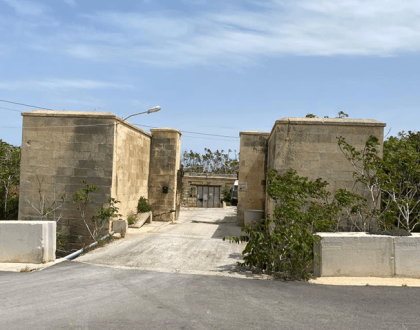
Restoration of an 18th-century gunpowder magazine: A historical Knights-era military building, the magazine is slated for careful restoration, highlighting Malta’s commitment to preserving cultural heritage alongside modern infrastructure development.
The project’s initial timeline aimed for completion by 2023. However, progress has been slower than anticipated, prompting the cancellation of the original €55 million tender, initially awarded to Excel Sis Enerji.
Cancellation of the Original Tender
The tender awarded to Excel Sis Enerji, a company with Turkish shareholders and ties to developer Joseph Portelli, had been funded partially through European Union resources. As of the start of 2025, only about one-tenth of the work had been completed, according to Minister Bonett. The slow pace of progress threatened the timely disbursement of EU funds, necessitating urgent government action.
“The rare measure was implemented to ensure that no EU funds were lost due to delays,” Minister Bonett stated. He confirmed that a new contractor would be selected through a fresh tender process to continue the project and meet the EU funding timeline.
Despite this, as of mid-2025, the promised new tender has not yet been published. Meanwhile, Infrastructure Malta has authorized multiple direct orders worth millions of euros for work that, in theory, should fall under the scope of the forthcoming tender.
Direct Orders and Transparency Concerns
An examination of public records published in the Government Gazette between February and June 2025 reveals a total of eight direct orders issued by Infrastructure Malta, some with extraordinarily high values:
- €5.6 million for jet grouting works
- Close to €3 million was allocated to Bezzina Maritime Service Ltd for barge leasing
- €2 million for cement purchases from Universal Cement Ltd
These direct orders have sparked industry and public concerns regarding transparency and procurement practices. While these supplies and services could theoretically be sourced from multiple providers, Infrastructure Malta has opted to issue direct orders rather than open the process to competitive bidding.
The nearly €3 million in direct orders to Bezzina Maritime Service Ltd is particularly controversial due to the company’s connections to Transport Minister Bonett. Bonett represents the Paola district in parliament and maintains close personal and professional ties with the leadership of Hibernians FC, where Bezzina serves as President and Bonett holds the role of Honorary President.
Industry observers have noted that such affiliations could create the perception of favoritism, even in the absence of formal wrongdoing.
Questions Raised by Stakeholders
When approached for comment regarding the rationale for issuing direct orders rather than waiting for the new tender, Infrastructure Malta CEO Steve Ellul declined to provide answers. Questions posed to the agency regarding the criteria for selecting suppliers, adherence to public procurement rules, and the precise nature of the ongoing work remain unanswered.
The situation has raised broader concerns within the construction and maritime industries about fairness, transparency, and accountability in government contracting, particularly in projects financed by EU funds.
EU Funding Considerations
The Ras Ħanżir project is partially funded by the European Union, which places strict conditions on the use of allocated funds. Delays in project execution risk not only financial penalties but also reputational consequences for Malta’s public institutions.
Minister Bonett emphasized the importance of timely completion, noting that the cancellation of the original tender was a necessary step to safeguard EU funds. Nevertheless, critics argue that issuing large direct orders without a tender may undermine public confidence in the agency’s management of taxpayer and EU money.
The Role of Excel Sis Enerji
Excel Sis Enerji, the initial contractor, had been granted the €55 million tender prior to its cancellation. In an effort to review payments made during this period, The Shift requested a detailed list of transactions to the company. Infrastructure Malta declined to provide the information, citing ongoing legal proceedings and the necessity of finalizing the valuation of completed work.
The limited transparency surrounding payments to Excel Sis Enerji has compounded public scrutiny, with questions about accountability and contract management still unresolved.
Legal and Governance Implications
The issuance of high-value direct orders raises several governance and legal considerations. Public procurement regulations in Malta are designed to ensure fairness, competitiveness, and transparency. While exceptions exist, including emergency provisions to protect EU funds or address urgent operational needs, repeated reliance on direct orders could attract scrutiny from auditors, regulatory bodies, and civil society.
Legal experts caution that any perception of conflict of interest, particularly when orders are issued to companies linked to political figures, must be carefully managed to avoid reputational damage and potential litigation. In this case, the clear documentation of approvals by CEO Steve Ellul and oversight by Minister Bonett is crucial.
Industry Reaction
Industry stakeholders have expressed concern over the precedent set by issuing millions in direct orders outside a tender process. “Direct orders should be reserved for exceptional cases where time or safety constraints make competitive bidding impractical,” said one anonymous source within Malta’s construction sector. “When companies with close political connections benefit repeatedly, it raises serious questions about fairness and market integrity.”
The awarding of nearly €3 million in barge leasing contracts to Bezzina Maritime Service Ltd has been particularly controversial due to the owner’s prominent connections to Hibernians FC and Transport Minister Bonett. Observers note that while no formal violations have been confirmed, the optics of such transactions may erode trust in Infrastructure Malta’s procurement process.
Future Prospects for Ras Ħanżir
The future of the Ras Ħanżir project now hinges on the publication of a new tender and the selection of a contractor capable of delivering both the cargo facility and the historical restoration components. With EU funding at stake, timely action is imperative.
Minister Bonett has reiterated the government’s commitment to ensuring that the project meets EU timelines and standards. However, stakeholders continue to monitor whether Infrastructure Malta can manage the remaining work transparently and effectively, while balancing urgent operational needs with rigorous procurement rules.
Conclusion
The unfolding developments at Infrastructure Malta, particularly the issuance of direct orders exceeding €11 million for the Ras Ħanżir project, highlight the challenges of managing large-scale government infrastructure projects. While the cancellation of the original €55 million tender may have been necessary to safeguard EU funds, the subsequent reliance on direct orders has raised questions of transparency, fairness, and governance.
As Malta moves forward with the Ras Ħanżir development, careful oversight, clear communication, and adherence to public procurement standards will be essential to maintain public trust and ensure the successful completion of this significant maritime and cultural project.
FAQs
What is the Ras Ħanżir project?
The Ras Ħanżir project is a Maltese government initiative involving a new deep-water cargo quay and the restoration of an 18th-century gunpowder magazine in the Grand Harbour.
Why was the original €55 million tender canceled?
The tender was canceled because the contractor, Excel Sis Enerji, had only completed about 10% of the work, threatening EU funding deadlines.
Who approved the direct orders issued by Infrastructure Malta?
Direct orders were approved by CEO Steve Ellul and overseen by Transport Minister Chris Bonett.
How much have the direct orders been worth?
Infrastructure Malta issued direct orders totaling over €11 million for various components of the project.
Why are Bezzina Maritime Service Ltd orders controversial?
Orders are controversial due to the company’s ownership by Ranier Bezzina, who has close ties to Transport Minister Bonett and Hibernians FC.
What portion of the Ras Ħanżir project remains incomplete?
As of mid-2025, significant work remains, including the cargo quay construction and restoration of the historical gunpowder magazine.
Why has the new tender not yet been published?
Infrastructure Malta has not provided a clear explanation for the delay in publishing the new tender.
What risks are associated with issuing direct orders?
Direct orders bypass competitive bidding, potentially raising concerns about transparency, fairness, and proper use of public funds.
How are EU funds affected by project delays?
Delays could result in financial penalties and jeopardize the timely disbursement of EU funds for the project.
What is being done to ensure the project is completed?
The government has committed to issuing a new tender and selecting a contractor to complete the project in accordance with EU timelines.

Lisa
Welcome. I am an experienced writer and I am ready to help you with all forms of writing needs you require. Education B.A. - linguistics, University of Wisconsin-Whitewater, United States, Graduated 2006.