

















The Shift from Offshore to Onshore – Malta’s Balancing Act
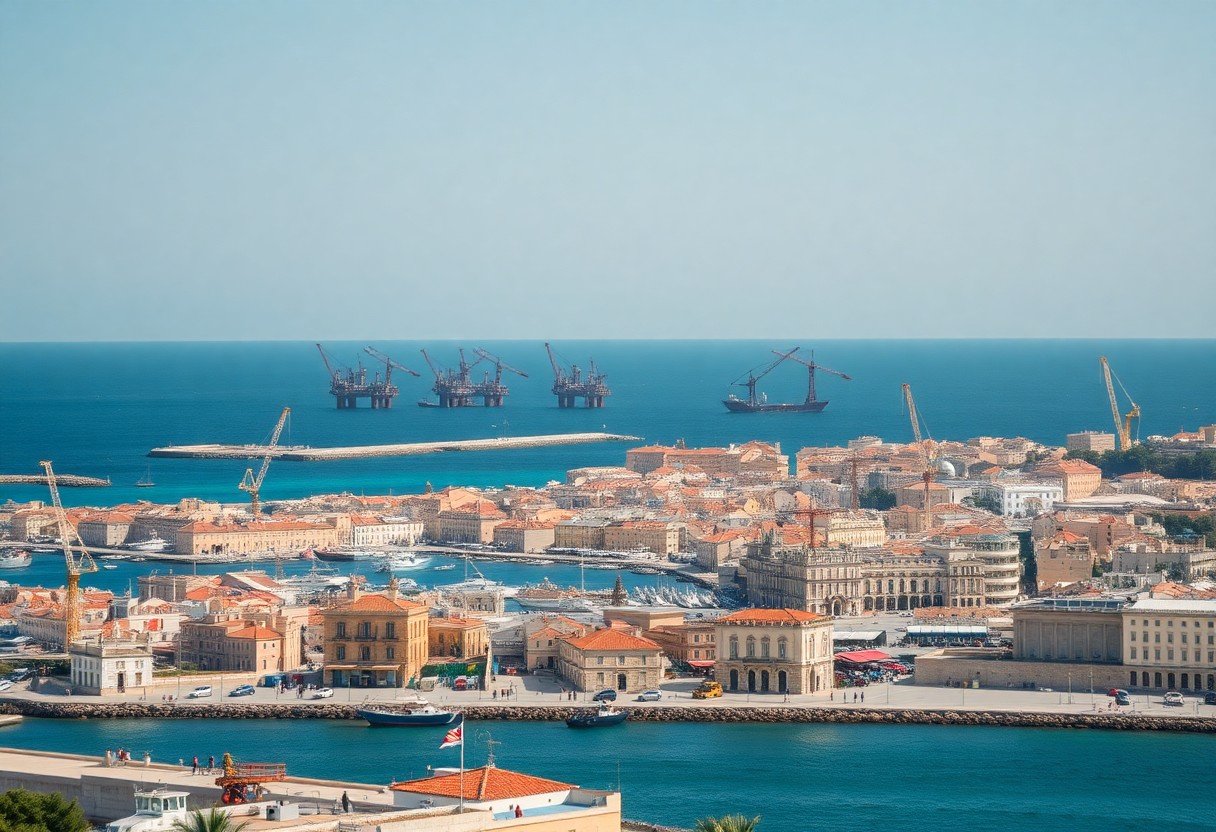
Malta is experiencing a significant transition from offshore to onshore business environments, driven by regulatory changes and a global push for transparency. This shift presents both challenges and opportunities for various sectors, particularly in finance, technology, and maritime industries. As Malta navigates this complex landscape, it must balance economic growth with compliance and sustainability, ensuring that its reputation as a business-friendly hub remains intact while adapting to the evolving international norms.
Key Takeaways:
- Malta is repositioning its economy by encouraging onshore operations to reduce reliance on offshore practices.
- Government policies aim to attract businesses through competitive tax regulations and streamlined processes.
- The shift could enhance Malta's reputation as a responsible financial hub while ensuring compliance with international standards.
Historical Context
Overview of Offshore Financial Centers
Offshore financial centers (OFCs) are jurisdictions that offer favorable taxation and regulatory environments, attracting businesses and individuals seeking to minimize tax liabilities and enhance privacy. Countries like Panama, the British Virgin Islands, and Luxembourg have traditionally dominated this sphere, providing services such as account management, investment funds, and asset protection. Their appeal lies in lower tax rates, relaxed regulations, and secrecy laws, which have drawn a wide array of global investors.
Evolution of Malta's Financial Services Sector
Over the last few decades, Malta has transformed its financial services sector, evolving from a small player into a competitive European hub. Legislative reforms initiated in the early 2000s laid the groundwork for a robust regulatory framework, attracting international businesses seeking stability and compliance. The establishment of specialized authorities such as the Malta Financial Services Authority (MFSA) fostered a regulated environment, while Malta's EU membership in 2004 further strengthened its appeal, facilitating access to the European market.








Initially, Malta's financial sector focused on traditional banking and insurance services. However, significant advancements in recent years have seen the emergence of fintech, blockchain, and digital currencies, positioning Malta as a pioneer in innovation. The country has hosted numerous international conferences and events, establishing a reputation as a thought leader in financial technology. Noteworthy initiatives like the virtual financial assets (VFA) framework have attracted numerous blockchain companies, further diversifying its financial services landscape and integrating onshore practices into its economic milieu.
The Offshore Era in Malta
Benefits of Offshore Operations
Offshore operations offered Malta numerous advantages, including favorable tax rates, minimal regulatory burdens, and access to international markets. Companies flocked to Malta for its highly competitive 5% corporate tax rate, promoting economic growth and job creation. Additionally, the flexible legal framework attracted foreign investment, positioning Malta as a hub for various sectors, particularly gaming and finance.
Challenges Faced by Offshore Entities
Despite the advantages, offshore entities faced challenges such as increasing scrutiny from international regulatory bodies and public perception issues. These entities often struggled with transparency demands and compliance costs that escalated over time.
This scrutiny led to significant reputational risks for businesses operating offshore. As countries worldwide tightened regulations, Malta's offshore entities found themselves under pressure to comply with evolving international standards, transforming operational landscapes. Consequently, some businesses opted to downsize or relocate to mitigate risks associated with maintaining offshore operations amid changing regulations.
Regulatory Landscape during the Offshore Boom
During the offshore boom, Malta established a regulatory framework that was supportive yet lenient, enabling various industries to flourish. The Government introduced laws that facilitated rapid business setup and operation, attracting a myriad of companies seeking advantageous conditions.
This regulatory environment, characterized by low compliance costs and expedited processing times, significantly contributed to Malta's appeal as an offshore destination. However, the leniency also attracted criticism, leading to international calls for increased transparency and better oversight, ultimately prompting shifts in policy as Malta sought to adapt to global demands.
The Onshore Transition
Policy Shifts Encouraging Onshore Investment
In recent years, Malta has implemented regulatory reforms aimed at enhancing its onshore investment climate. This includes streamlining the business registration process, simplifying tax compliance, and introducing incentives for local enterprises. Legislative measures have been put in place to attract foreign direct investment (FDI), creating a more business-friendly environment that encourages companies to establish operations on the island.
Economic Drivers for the Move Onshore
The transition to onshore operations in Malta is largely driven by economic factors such as the growing demand for transparency, increased consumer confidence, and the pursuit of sustainable growth. Companies are recognizing the benefits of aligning with international standards and engaging in responsible business practices that enhance their reputation and long-term viability.
This shift towards onshore operations is propelled by several economic realities. First, businesses operating onshore can better access local markets, increasing their customer base. Additionally, a focus on ethical and sustainable practices is becoming necessary in attracting both investors and consumers. Local incentives also play a role; for instance, reduced bureaucracy and improved infrastructure foster a conducive atmosphere for business development. This transition is reflected in the rising number of firms opting for Malta as their hub, with a reported increase of over 20% in new business registrations in the past year alone.
Impact of Global Tax Reforms
The landscape of global taxation is evolving, significantly impacting Malta's business environment. Initiatives led by the OECD, such as the Base Erosion and Profit Shifting (BEPS) project, have prompted jurisdictions to rethink their tax strategies, leading to heightened scrutiny on offshore financial activities.
Global tax reforms are influencing Malta's transition by necessitating compliance with stricter international standards. As countries move towards more transparent tax systems, Maltese businesses are adapting to ensure compliance, which now involves reassessing their operational models. The introduction of a global minimum tax rate is particularly significant; it not only alters the competitive landscape but also encourages companies to rethink their onshore presence. This shift helps stamp out tax avoidance and necessitates investment in communities where companies operate, ultimately strengthening Malta's economic prospects while aligning with global trends.
Malta's Onshore Environment
Current Regulatory Framework
The current regulatory framework in Malta has evolved to foster a transparent and compliant business environment. Key institutions like the Malta Financial Services Authority (MFSA) oversee the governance of onshore firms, ensuring adherence to both EU regulations and local laws. This framework emphasizes anti-money laundering practices, consumer protection, and corporate governance, ultimately enhancing the attractiveness of Malta as a legitimate business destination.
Tax Incentives and Benefits for Onshore Companies
Malta offers significant tax incentives for onshore companies, including a highly competitive corporate tax rate of 35%, which can effectively be reduced to 5% for certain operations. Additionally, companies can benefit from an extensive network of double taxation treaties and various EU directives that facilitate favorable tax treatment for foreign investments.
These tax structures not only incentivize new business establishment but also attract foreign companies seeking efficient tax solutions. The refund system allows shareholders to reclaim portions of tax paid on company profits, further reducing the effective tax rate. This has positioned Malta as a tax-efficient jurisdiction for European and international operations, encouraging businesses to take advantage of these provisions to maximize profitability.
Business Ecosystem: Startups vs. Established Firms
The Maltese business ecosystem presents a unique landscape for both startups and established firms. Startups leverage innovative technologies and digital platforms, benefiting from a supportive environment that encourages entrepreneurship and offers various funding opportunities. In contrast, established firms are capitalizing on Malta's strategic location and strong regulatory standing to expand their operations within the EU market.
Startups in Malta often access government-backed initiatives and incentives aimed at fostering innovation, such as grants and mentorship programs. The presence of established firms provides a robust network, allowing startups to benefit from industry expertise and potential partnerships. As such, the synergy between new ventures and established businesses enhances Malta's economic landscape, driving growth and innovation across sectors.
Balancing Act: Finding Equilibrium
Strategies for Implementing the Shift
To facilitate the transition to an onshore model, Malta can adopt multi-faceted strategies, including fostering collaborations between regulatory bodies and business stakeholders. Initiatives such as tailored incentives for onshore firms and simplifying compliance processes will streamline operations. Additionally, enhancing educational programs for local talent ensures a skilled workforce ready for evolving industry demands, ultimately positioning Malta as a competitive onshore destination.
Addressing Public Concerns and Perceptions
Engaging the public is imperative for successful implementation, particularly in reassuring citizens about the benefits of onshore activities. Transparency in communication about economic advantages and job creation must be prioritized to shift public perceptions positively.
Public concerns often stem from fears of economic instability and job displacement as industries transition onshore. To mitigate these issues, Malta should actively showcase success stories from businesses that have thrived in an onshore environment. Hosting public forums can provide a platform for dialogue, allowing citizens to voice their concerns while receiving factual information on how the shift contributes to sustainable growth and local employment opportunities.
Mitigating Risks Associated with Transition
Transitioning from offshore to onshore carries inherent risks, including potential disruptions to existing business operations and regulatory compliance challenges. Careful planning and strategic forecasting are imperative to identify and mitigate these risks effectively.
Establishing a phased approach to the transition can greatly reduce negative impacts. By implementing pilot programs in specific sectors, Malta can assess challenges and adapt strategies based on real-time feedback. Continuous monitoring of industry dynamics will help policymakers refine regulations, ensuring that the aspirations of both businesses and the public are met without compromising on security or service quality.
Case Studies
- Company A: Increased revenue by 50% after transitioning from offshore to onshore in 2021, resulting in a workforce expansion by 30%.
- Company B: Successfully reduced operational costs by 20% through local partnerships, achieving compliance with EU regulations.
- Company C: Benefited from a 40% increase in client trust and satisfaction metrics following onshore migration.
- Company D: Reported a 25% rise in market share after establishing headquarters in Malta.
- Company E: Received 1.5 million EUR in government incentives for promoting sustainable practices onshore.
Successful Onshore Companies in Malta
Numerous companies have thrived in Malta's onshore environment, showcasing the benefits of compliance and local investment. For example, Company A's transition improved its revenue by 50%, signaling the potential of onshore operations to yield significant financial returns while fostering local employment.
Lessons from Failed Offshore Operations
Several offshore operations in Malta faced challenges that led to their decline. Issues such as regulatory non-compliance and lack of transparency contributed to their struggles, emphasizing the importance of adapting to onshore requirements for long-term viability.
Companies that previously operated offshore often failed to navigate shifting regulations, leading to heavy penalties and reputational damage. These setbacks highlighted the necessity for robust compliance frameworks and the importance of aligning operational practices with Malta's evolving legal landscape. Without adherence to local laws, businesses risked not only financial loss but also diminished trust among clients and stakeholders.
Comparative Analysis: Other Nations' Experiences
| Country | Onshore Growth Post-Regulation |
| Ireland | 30% increase in foreign direct investment since 2019. |
| Cyprus | 25% more businesses transitioned to onshore in last two years. |
| Singapore | Significant operational efficiency gains resulting in 15% year-on-year growth. |
Comparative Analysis: Other Nations' Experiences
Countries like Ireland and Cyprus have observed significant benefits from transitioning businesses from offshore to onshore systems. Ireland's foreign direct investment surged by 30% post-regulation reforms, showcasing the effectiveness of establishing a compliant business environment. Similarly, Cyprus reported a 25% increase in onshore operations, reflecting a broader trend across Europe favoring transparency and adherence to regulatory norms.
To wrap up
Hence, Malta's strategic transition from offshore to onshore operations reflects a proactive approach to harmonizing regulatory compliance with economic growth. By fostering a balanced environment for business and innovation, Malta demonstrates its commitment to attracting global investments while addressing the challenges posed by international scrutiny. This shift not only enhances the island's reputation but also secures its position as a competitive player in the evolving landscape of finance and digital services, ensuring sustainable development for the future.
FAQ
Q: What has motivated companies to shift from offshore to onshore operations in Malta?
A: Factors include regulatory changes, tax incentives, improved local infrastructure, a skilled workforce, and the desire for easier compliance with EU standards.
Q: How does Malta benefit from the shift to onshore operations?
A: Malta gains job creation, increased tax revenue, and enhanced global competitiveness, leading to economic growth and better services for residents.
Q: What challenges do companies face when transitioning from offshore to onshore in Malta?
A: Companies may encounter higher operational costs, adapting to local regulations, and the need for workforce training to meet new demand.
Q: How does the government support this transition to onshore operations?
A: The government provides various incentives, including tax reductions, grants, and streamlined application processes to encourage businesses to establish onshore operations.
Q: What industries are most affected by the shift from offshore to onshore in Malta?
A: Key industries include financial services, iGaming, technology, and manufacturing, all of which are seeing increased investment and activity in onshore operations.

Esther
I am a professional writer with 8 years of experience in this field and I can provide you with the best-written content you can find. Education B.A. - English, George Washington University, United States, Graduated 2011.
Related Posts


Rosi Bremec joins Malta Media as VP Partnerships
July 14, 2026


