Muscat Faces Scrutiny After Dropping Libel Case
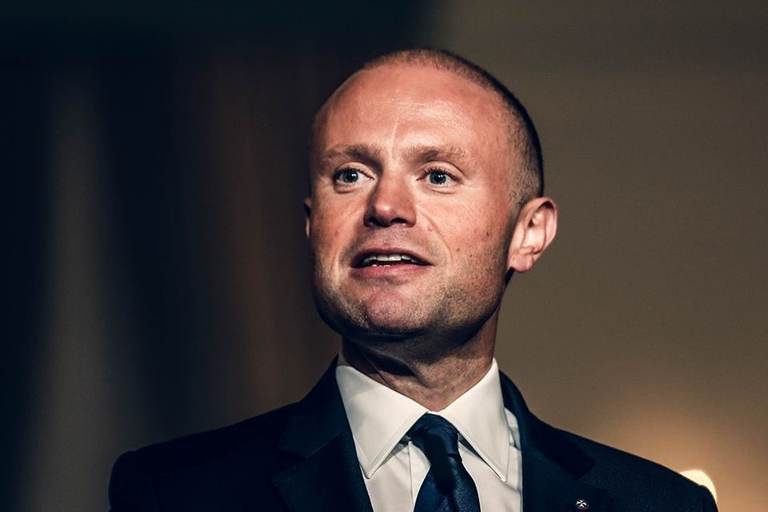
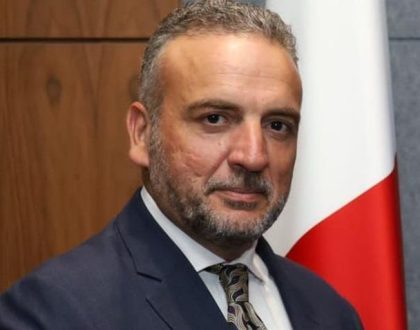
Disgraced former Maltese Prime Minister Joseph Muscat has abandoned his libel lawsuit against lawyer Christian Grima, drawing strong criticism from legal experts and political commentators. Prominent lawyer Edward Debono did not hold back in his assessment, calling Muscat “a coward” after the former leader backed down from the case, which he had initiated in May 2021. The legal battle stemmed from a Facebook post in which Grima accused Muscat of bearing responsibility for the assassination of investigative journalist Daphne Caruana Galizia in 2017.
This latest development has once again cast a spotlight on Muscat’s tenure and the broader concerns over Malta’s governance during his leadership. His withdrawal of the case has fueled further debate on the erosion of democratic principles in Malta and the extent to which the former prime minister's administration enabled a culture of lawlessness.
The Origins of the Libel Case
Muscat’s defamation suit against Grima originated from an online statement made in reaction to an interview featuring Michelle Muscat, the former prime minister’s wife. In the interview, Michelle Muscat controversially suggested that she had suffered more than the family of Caruana Galizia following the journalist’s assassination.





















Grima responded to the interview with an unequivocal statement: “What happened to her? Your husband blew her up. That’s what happened to her.” Muscat deemed this remark defamatory and initiated legal proceedings against Grima, arguing that the statement was both false and damaging to his public reputation.
Public Inquiry Findings and the Role of the State
The assassination of Daphne Caruana Galizia on October 16, 2017, sent shockwaves through Malta and beyond. The murder was widely condemned by international organizations, prompting an independent public inquiry. The inquiry’s final report concluded that the Maltese government had failed to protect the journalist and had, in fact, cultivated an environment in which such a heinous crime could take place. It found that systemic corruption and a lack of institutional safeguards contributed significantly to the tragedy.
Although Muscat has repeatedly denied direct involvement in the murder, the report painted a damning picture of his administration, holding the State accountable for fostering a climate where criminality thrived with impunity. His close associates, particularly his former chief of staff Keith Schembri, were implicated in numerous scandals, further reinforcing concerns about Muscat’s leadership.
Critical Testimonies Leading to Muscat’s Withdrawal
Muscat’s sudden decision to drop the libel case came just before crucial testimonies were set to be presented in court. Commenting on this abrupt move, lawyer Edward Debono remarked: “The coward, the man without principles, without honesty and integrity, gave up at the moment he was going to be declared a liar after George Cremona’s testimony.”
Cremona, who headed Malta’s anti-terrorism police unit, was expected to testify regarding Muscat’s claims that he personally contacted the U.S. Federal Bureau of Investigation (FBI) following Caruana Galizia’s murder. However, Cremona had previously testified in the public inquiry that it was he who had reached out to the FBI, contradicting Muscat’s longstanding assertions.
Adding to the controversy, Keith Schembri was also scheduled to testify in court but was reportedly not served his summons in time. Despite being physically present in the courthouse, Schembri failed to appear before Magistrate Asciak, raising further speculation about his unwillingness to take the stand.
Christian Grima’s Reaction and Muscat’s Deflection
Following Muscat’s retreat, Christian Grima asserted that the former prime minister had been forced to acknowledge a truth he had long denied. Muscat, however, attempted to shift the narrative by arguing that Grima never explicitly meant that he had personally detonated the explosive device that killed Caruana Galizia. This argument aligns with the findings of the public inquiry, which held the government responsible for fostering an environment that led to her murder rather than accusing Muscat of direct involvement.
Despite the court victory, Grima emphasized the continued fight for justice and the broader implications of Muscat’s failed lawsuit. Meanwhile, Muscat sought to downplay the incident and shift focus onto other legal battles, including his ongoing libel case against Caruana Galizia’s family.
Muscat’s Legal Strategy and Ongoing Lawsuits
Muscat’s withdrawal from the libel case against Grima is part of a broader pattern of using legal avenues to challenge critics. Over the years, he has filed multiple defamation cases in an effort to counter allegations of corruption and state involvement in criminal activities.
One of the most controversial cases he continues to pursue is a libel suit against Daphne Caruana Galizia’s family. Even years after her murder, Muscat remains intent on challenging allegations tied to the Egrant scandal—a case that involved claims of secret offshore accounts linked to his administration.
Caruana Galizia’s family has remained resolute in their refusal to back down, stating: “Our position on not accepting blackmail will never change.” Their steadfastness underscores their commitment to exposing corruption and ensuring that justice is served.
Impact on Malta’s Reputation and Political Landscape
The controversy surrounding Muscat’s tenure continues to affect Malta’s international reputation. The country has faced increased scrutiny from the European Union and global anti-corruption organizations due to its perceived failures in upholding transparency and accountability. Muscat’s leadership is often cited as a case study in how systemic corruption can erode democratic values and facilitate serious crimes, including the assassination of journalists.
Despite his resignation in 2019 amid growing public protests, Muscat has struggled to rehabilitate his image. His legal battles, coupled with ongoing criminal investigations into key members of his administration, have only further cemented his status as a disgraced leader. International watchdogs continue to monitor developments in Malta, as concerns persist over whether meaningful reforms will be implemented to prevent a repeat of past injustices.
Conclusion: A Legacy Defined by Corruption and Scandal
Joseph Muscat’s decision to drop his libel case against Christian Grima serves as another damning indictment of his time in office. What began as an attempt to challenge accusations against him has instead resulted in further embarrassment, as evidence mounts against his administration’s failure to uphold the rule of law.
While he continues to deny responsibility, his legacy is now defined by corruption scandals, failed legal strategies, and the tragic assassination of a journalist who sought to expose the truth. The withdrawal of this case is unlikely to mark the end of the controversy surrounding Muscat, as the pursuit of justice for Caruana Galizia’s murder remains ongoing. For Malta, the challenge now is to ensure that its democratic institutions can recover from the damage inflicted during his tenure and that those responsible for corruption and criminality are held accountable.
FAQs
Why did Joseph Muscat drop the libel case against Christian Grima?
Muscat withdrew the case as new evidence and testimonies would have exposed contradictions in his claims, particularly regarding his role in calling the FBI.
What did Christian Grima say that led to the libel case?
Grima accused Muscat of being responsible for Daphne Caruana Galizia’s murder, referencing the public inquiry’s findings that the State enabled her assassination.
What was the significance of George Cremona’s testimony?
Cremona’s testimony contradicted Muscat’s claim that he called the FBI after Caruana Galizia’s murder, instead stating that he himself had done so.
Why did Keith Schembri fail to appear in court?
Although he was in the courthouse and was summoned, Schembri did not attend the sitting, raising suspicions about his reluctance to testify.
What did the public inquiry conclude about Caruana Galizia’s murder?
The inquiry found that the Maltese State, under Muscat’s leadership, created an environment of impunity that enabled her assassination.
How has Muscat reacted to the public scrutiny?
He has continued to deny wrongdoing, while also pursuing libel cases, including one against Caruana Galizia’s family over the Egrant allegations.
What is the significance of Muscat’s ongoing libel cases?
They are seen as attempts to silence critics and shift attention away from allegations of corruption and state involvement in criminal activities.
What has been the Caruana Galizia family’s response?
They have refused to concede to Muscat’s legal pressure, reaffirming their commitment to seeking justice and exposing corruption.
What impact has this had on Malta’s international reputation?
Muscat’s government has been widely criticized, with Malta’s reputation suffering due to corruption scandals and the murder of a journalist.
Is Joseph Muscat facing any criminal charges?
Muscat has not been formally charged, but his former chief of staff Keith Schembri is facing money laundering and fraud allegations, with potential implications for Muscat.

Claire
A highly motivated, results-driven, enthusiastic and ambitious writer. I can offer you well researched and high-quality article writing on any topic for your website or blog and can as well re-write your existing web content.
Related Posts


Spring travel trends favor Malta
April 10, 2026
Malta’s heritage in spring
April 8, 2026
Malta spring tourism campaigns
April 7, 2026