

















NFT Integration in iGaming
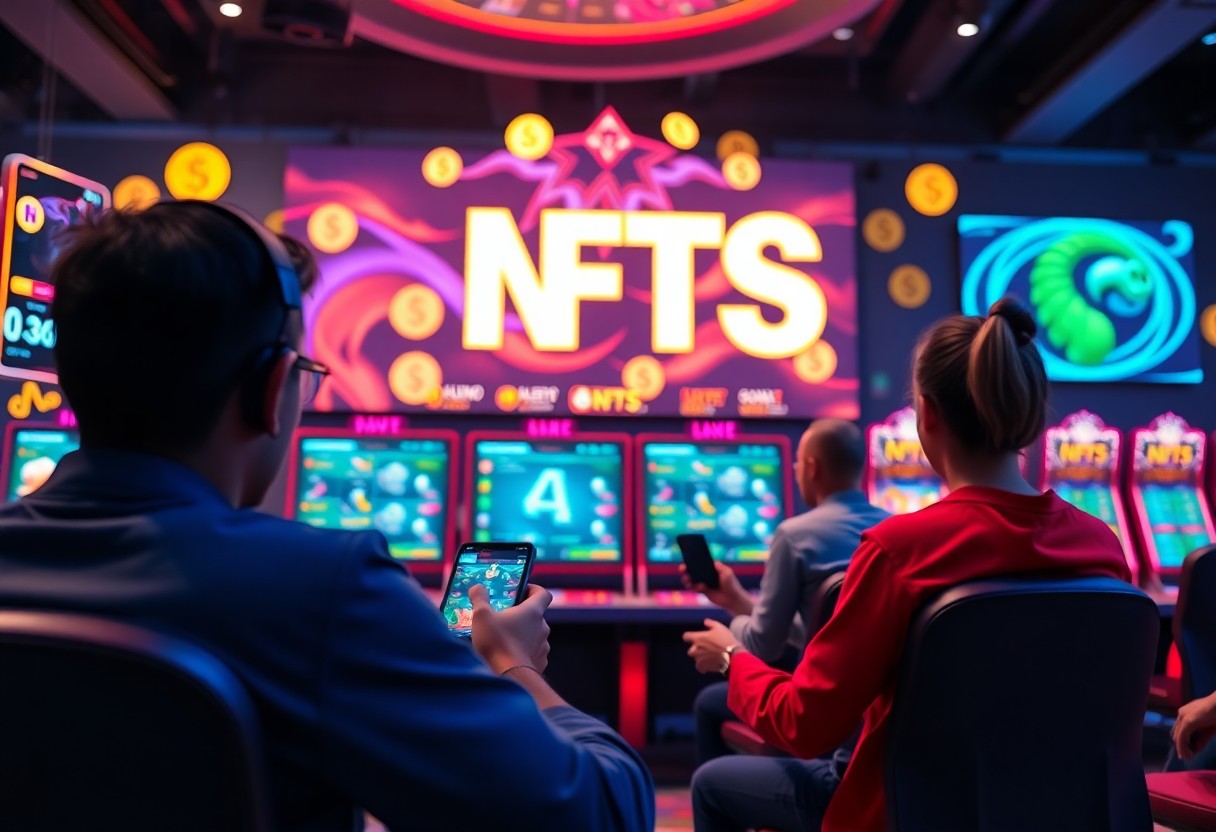
It's becoming increasingly clear that non-fungible tokens (NFTs) are reshaping the landscape of the iGaming industry. As digital ownership takes center stage, the integration of NFTs offers unique opportunities for games, players, and developers alike. From enhancing player engagement to creating new revenue streams, NFTs present a fascinating intersection of technology and gaming. However, the question remains: are these developments merely a passing trend, or do they signify a fundamental transformation in how we engage with online gaming? This exploration dives into the tangible impacts and future potential of NFTs in the iGaming sector.
Understanding NFTs
Definition of NFTs
Behind the buzz surrounding digital assets, Non-Fungible Tokens (NFTs) represent a unique category of digital items stored on a blockchain. Unlike cryptocurrencies such as Bitcoin or Ethereum, which are interchangeable and can be exchanged for one another, NFTs are unique and cannot be replicated. This uniqueness means each NFT functions as a specific digital certificate of ownership, often representing a distinct piece of digital art, music, or items in video games.
This property of non-fungibility grants NFTs their value and appeal. They allow creators to tokenize their work and sell it directly to consumers, often cutting out traditional intermediaries. As a result, artists and developers find new revenue streams, while collectors enjoy the excitement of owning exclusive digital property.










Historical Context of NFTs
NFTs first emerged in the digital realm during the early 2010s, but they gained significant traction around 2017 with projects like CryptoPunks and CryptoKitties. These platforms allowed users to buy, sell, and trade digital collectibles, sparking considerable interest in the possibility of ownership within virtual spaces. The sudden popularity of these projects illustrated how blockchain technology could create scarcity and value for digital content, which was previously thought to be effortlessly replicable.
Over the years, NFTs have continued to evolve, finding applications beyond digital art, encompassing domains such as music, gaming, virtual real estate, and even tweets. This continuous innovation has led to a vibrant market, where high-profile auction houses and celebrities have intervened, further legitimizing these digital assets.
NFTs represent a significant turning point within the digital landscape, marking a shift in how we perceive ownership and value. Artists are now able to monetize their creations directly, providing a lucrative alternative to traditional licensing and sales approaches.
Technology Behind NFTs
Understanding NFTs requires a familiarity with blockchain technology, which enables their functionality. At its core, a blockchain is a decentralized digital ledger that records all transactions across a network. Each NFT is created through a process known as minting, which involves embedding its unique information on a blockchain, typically Ethereum. This process entails the use of smart contracts—self-executing contracts with the terms of the agreement directly written into lines of code, facilitating ownership transfer and authenticity verification.
The decentralized nature of blockchain technology ensures that NFTs are not controlled by a single entity, providing users with confidence in the authenticity and ownership of their assets. Furthermore, the interoperability of blockchains allows NFTs to be traded or utilized across various platforms, enhancing their utility and market reach.
Contextually, the convergence of blockchain technology and digital art forms has opened new avenues for creators and consumers alike. As the ecosystem matures, the underlying technology continues to advance, potentially increasing the functionality and appeal of NFTs across diverse applications within the digital economy.
The iGaming Industry Landscape
Overview of iGaming
Now, the iGaming industry is a rapidly expanding sector that encompasses online gaming, betting, and casino experiences. It includes a range of activities from sports betting to online poker and virtual slot machines, all accessible through digital platforms. The surge in internet connectivity and mobile device usage has played a significant role in driving this growth, attracting millions of players from across the globe. With advancements in technology such as virtual reality, blockchain, and artificial intelligence, the iGaming experience is continually evolving to enhance player engagement and satisfaction.
Landscape-wise, the iGaming sector is characterized by its dynamic nature. Leading operators constantly innovate to meet player demands while also adhering to stringent regulatory requirements. The market is heavily populated with a mix of established organizations and new entrants, leading to fierce competition. This competition fuels investment in marketing strategies and technological solutions, thereby shaping the industry's future.
Current Trends in iGaming
iGaming is experiencing several key trends that are transforming the landscape. The rise of mobile gaming continues to dominate, as players prefer the convenience and flexibility of gaming on their smartphones and tablets. Additionally, the integration of live dealer games and esports betting is attracting a younger demographic that is more likely to engage with interactive and competitive gaming formats. Cryptocurrencies are increasingly being adopted as payment methods, offering users more anonymity and faster transactions.
For instance, the use of gamification techniques is becoming more prevalent among iGaming platforms. Operators are implementing features like leaderboards, rewards, and achievements to enhance user engagement and retention. This trend not only keeps players invested but also encourages social interaction within the gaming community, building a more immersive experience.
Regulatory Environment
Any discussion about the iGaming landscape would be incomplete without addressing its regulatory environment. Each country has specific laws governing online gambling, leading to a patchwork of regulations that can significantly impact operators. Legislations vary widely, influencing market access, operational requirements, and taxation. As governments strive to keep pace with the rapid growth of the iGaming industry, many are reevaluating their policies to ensure consumer protection, fair play, and responsible gaming practices.
Hence, operators must stay informed about regional regulations to maintain compliance and avoid potential legal pitfalls. This sometimes includes acquiring licenses that may be costly and time-consuming. Additionally, the emphasis on responsible gaming initiatives is leading many companies to implement measures that actively promote safe gambling practices among their users, aligning with regulatory expectations while also fostering trust among players.
The Intersection of NFTs and iGaming
After plunging into the niches of both digital assets and online gaming, it's clear that a convergence is underway that is set to redefine user experiences in iGaming. The unique properties of NFTs—such as ownership verification, scarcity, and interoperability—allow developers to create innovative gaming experiences that were previously unheard of. This intersection offers vast opportunities for both gamers and developers to exploit the benefits that blockchain technology brings to the table.
NFT Use Cases in iGaming
Cases of NFT integration in iGaming scenarios demonstrate a landscape ripe for exploration and adoption. One of the most prominent use cases includes the creation and exchange of in-game assets, such as skins, weapons, and characters. Through NFTs, players can buy, sell, or trade these assets in decentralized marketplaces, which enhances players' engagement and incentivizes spending within the ecosystem. Moreover, players have full ownership of their assets, ensuring that their investments are protected against publisher-side alterations and restrictions.
Another compelling use case lies in collectible gaming. Game developers are leveraging NFTs to introduce unique, limited-edition items that can enhance gameplay. For instance, players might collect cards or characters with special abilities that can be used in a game's progression. Such mechanics not only maintain player interest but also help create communities centered on trading and valuing unique digital assets.
Benefits of Integrating NFTs in Gaming
By merging NFTs with gaming, developers unlock a variety of potential benefits that could revolutionize the industry. Enhanced player engagement naturally follows from the ability to own and trade digital assets. This leads to longer retention rates as players become more invested in their unique virtual possessions. Additionally, the transparent ledger of blockchain technology ensures improved trust and security for transactions, which is commonly a pain point for online gamers.
In fact, as players participate in NFT marketplaces, they contribute positively to the overall economy of the game. This fosters a self-sustaining ecosystem where both players and developers can thrive. NFT integration also offers monetization options for developers in the form of royalties from secondary sales, which can provide a continuous revenue stream as long as the game maintains an active user base.
Case Studies: Successful NFT Projects in iGaming
Before diving deeper into the potential landscape, it's advantageous to look at existing projects that have successfully integrated NFTs into their gaming ecosystems. Several noteworthy case studies provide solid evidence of NFTs' viability and market appeal:
- Axie Infinity: A blockchain-based game where players collect and breed fantasy creatures called Axies. As of 2023, the game boasts over 2 million daily active players and has generated over $4 billion in sales, evidencing strong demand for NFT-derived gameplay.
- Gods Unchained: A trading card game that empowers players to own their cards as NFTs. With more than 400,000 players and $200 million in trades, Gods Unchained exemplifies the successful application of blockchain technology in gaming.
- Decentraland: A virtual world where players can buy and develop land parcels as NFTs. In 2022 alone, the platform recorded $100 million in land sales, showcasing the investment potential inherent to virtual spaces owned through NFTs.
- CryptoKitties: One of the first NFT games allowing players to breed, buy, and sell virtual cats. The game peaked at a whopping $12 million in sales within the first week of launching, setting a precedent for blockchain gaming.
This collection of successful projects illustrates the diverse possibilities that NFT integration offers within the gaming sector. By leveraging unique in-game assets and collectibles, these projects have managed to attract dedicated communities while generating significant revenue streams. This underscores the ongoing trend towards a gamer-centric economy powered by NFTs in iGaming, which is likely to expand even further in the future.
Hype vs. Reality: Market Analysis
Many individuals are caught up in the excitement surrounding NFTs, but it's necessary to take a step back and examine the current state of the market. The NFT landscape has rapidly evolved, influenced by trends like digital art and collectibles. As we move into 2023, the market has started to stabilize, with a significant increase in the number of platforms supporting NFT transactions. Major gaming companies are beginning to integrate NFT technology into their products, which in turn is helping to combat the early stereotypes that NFTs exist solely for speculation. The total market capitalization has seen fluctuations, but foundational shifts suggest more than just a passing trend.
Current State of the NFT Market
About 2023 has seen a rise in utility-based NFTs, particularly in iGaming. Gamers are increasingly looking for digital assets that offer real value, whether through ownership or functionality within gameplay. This shift has led to a diversification of NFT applications beyond mere collectibles, indicating a maturation of the marketplace. Various gaming platforms are adopting innovative uses for NFTs, showing promise in enhancing user experience and monetization strategies. This evolution suggests that NFTs are beginning to find a meaningful presence within the industry.
Investor Sentiment and Speculation
Behind the current NFT buzz lies a layer of investor sentiment that combines optimism with caution. While enthusiasm for NFTs remains high, particularly among tech-savvy investors, a segment of the market is gauging the sustainability of NFT investments. Speculation has driven a lot of early investment, creating bubbles in certain sectors of the NFT market. Investors are closely monitoring trends and adjusting their strategies as the dust settles on initial hype cycles and more robust projects emerge.
With the rise of utility-driven NFTs in iGaming, investors are becoming more discerning in their choices. The past year has highlighted the importance of practical applications, with collectibles alone no longer sufficing to drive long-term interest. As such, many investors are looking for projects that present clear use cases or community-driven initiatives, indicating a shift towards a more grounded and thoughtful approach to NFT investments.
Potential for Sustainable Growth
Current trends suggest that the NFT market has the capacity for sustainable growth, particularly in the iGaming sector. As more developers recognize the potential for integrating NFTs into gaming mechanics, a natural ecosystem begins to form. Players are favoring platforms that offer rewarding experiences and a sense of ownership over digital assets, creating a formidable combination for both engagement and revenue generation. This sustainable framework could lead to lasting changes in how games are developed, funded, and played in the digital space.
Another encouraging sign for future growth is the increasing collaboration between gaming companies and NFT projects. This cooperation is fostering innovation and experimentation that may ultimately lead to credible use cases for NFTs in gaming environments. By focusing on where NFTs can create value for players, the iGaming industry has the potential to reshape itself with NFTs as a central component, moving beyond mere speculation to a future that recognizes their utility in providing immersive gaming experiences.
Challenges and Risks
Despite the potential advantages that NFTs bring to the iGaming sector, several challenges and risks must be addressed for their successful integration. One of the primary concerns is the legal and regulatory landscape, which can vary vastly depending on jurisdiction. The unique nature of NFTs complicates existing laws surrounding gambling, intellectual property rights, and digital ownership. Operators need to navigate a patchwork of regulations that are often either unclear or outdated, making compliance a significant hurdle. Additionally, questions around consumer protection, taxation, and the legality of virtual asset transactions remain hotly debated, posing risks not only to operators but also to players who invest in these digital assets.
Legal and Regulatory Challenges
Challenges arise in interpreting how NFT ownership, trading, and usage fit within established legal frameworks. For instance, some jurisdictions may view NFTs as gambling assets, thus subjecting them to stringent regulations that traditional digital items do not face. Furthermore, as regulators begin to catch up with technological advancements, operators may find themselves in grey areas where the legality of their offerings is uncertain. This not only creates operational obstacles but can also erode consumer trust if players feel unsure about their rights and protections.
Technical Barriers and Infrastructure
With the rise of NFTs comes the need for robust technical infrastructure to support their seamless integration into iGaming platforms. This involves ensuring that blockchain technology is reliable, secure, and scalable, which can be a daunting task for many operators, especially smaller ones. Furthermore, developing user-friendly interfaces that allow players to engage with NFTs without requiring extensive technical knowledge is also a significant challenge. As the technology matures, companies must invest in adapting their systems to accommodate these new assets, which can be resource-intensive and require significant investment.
It is important for iGaming operators to focus on building secure and scalable infrastructures that can handle the unique demands of NFTs. This includes addressing challenges such as transaction speed, security protocols, and user experience. Operators will likely need to collaborate with blockchain experts and invest in educational initiatives to not only understand the technology better but also to ensure that their staff and players are well-versed in the unique dynamics of NFTs within the gaming environment.
Market Volatility and Speculative Risks
Risks associated with NFTs are prominently characterized by market volatility and speculative behaviors surrounding these digital assets. Since the value of NFTs can fluctuate dramatically based on trends, demand, and other market dynamics, players may find themselves facing significant financial risk. This volatility can affect user engagement and retention rates in iGaming by introducing an element of unpredictability regarding the worth of virtual assets. Consequently, operators must be cautious in their approaches to integrating NFTs, ensuring that they balance this speculative nature with sustainable gameplay experiences.
Indeed, the speculative culture surrounding NFTs can lead to a bubble-like environment where the prices of digital assets rise and fall without sound fundamentals backing them. This environment may discourage players who are interested in long-term investments and could shift the focus away from the core gaming experience. Operators must take proactive measures to educate their customer base about the associated risks while providing transparent and fair gaming experiences to mitigate the adverse effects of market volatility.
Future Prospects of NFTs in iGaming
All indications point toward a rapidly evolving landscape for NFTs within the iGaming sector. Industry analysts and enthusiasts alike are beginning to recognize that NFTs can serve as more than just a passing trend; they have the potential to fundamentally reshape the gaming environment. Predicted advancements in blockchain technology will likely bolster the integration of NFTs, enhancing user experiences through immersive and interactive gameplay where NFTs could function as unique in-game assets or collectibles. As the technology matures, we can anticipate a greater acceptance and understanding of NFTs among players, paving the way for their widespread incorporation in gaming platforms.
Predictions and Trends
Beside these transformative possibilities, the growing interest in play-to-earn models is another vital trend influencing the future of NFTs in iGaming. By allowing players to earn tangible rewards through gameplay—often represented by NFTs—game developers can foster deeper engagement and create more sustainable gaming economies. The trajectory indicates that as legal frameworks surrounding digital ownership become more defined, developers and players will increasingly embrace NFTs as legitimate assets, leading to further innovation and investment in this space.
Innovations on the Horizon
With the proliferation of NFTs, we can also expect new innovations designed to enhance player experience and engagement. For example, the combination of NFTs with virtual reality (VR) technology could enable users to experience truly immersive environments where they can trade, showcase, or battle with their NFTs in real-time. Additionally, smart contracts can empower players with greater control over their digital assets, giving them the ability to set terms for trading, leasing, or monetizing their NFTs in novel ways.
Even more exciting is the potential for cross-platform functionality, where NFTs can be utilized across various iGaming platforms seamlessly. This interoperability can create a cohesive ecosystem where players can hold and trade their NFTs regardless of the game or platform they choose, greatly enhancing the value and utility of these assets. As developers pursue innovative ways to integrate NFTs within their games, the lines between different gaming genres may blur, fostering a more unified gaming community.
The Role of Community and User Engagement
User engagement at the community level will play an crucial role in shaping the future of NFTs in iGaming. As players increasingly desire a say in game development and asset utilization, communities built around specific games or genres will become powerful. Game creators can harness the insights and feedback from these communities to refine gameplay and introduce features that resonate with users, particularly regarding NFT functionalities that enhance their ownership experience. By foregrounding community input, developers can cultivate loyalty and engagement, leading to sustainable growth in player bases.
Understanding user sentiment towards NFTs can also help developers tailor their offerings. Engaging with players to incorporate their ideas for unique, collectible NFTs or hosting events that leverage the community's creativity can amplify interest and investment in those digital assets. Such collaborative efforts may lead to innovative features that further integrate NFTs into the everyday iGaming experience, making them not only enjoyable but valuable components of the gaming ecosystem.
Final Words
On the whole, the integration of NFTs into the iGaming sector presents a landscape rich with potential. As the gaming industry continues to evolve, NFTs can offer unique benefits such as enhanced player ownership, rare digital collectibles, and innovative gameplay mechanics. They provide a novel avenue for revenue generation and player engagement, making them more than just a passing trend. However, their success will largely depend on how developers and platforms choose to implement them, ensuring that the user experience remains seamless and enjoyable.
Nonetheless, skepticism abounds regarding the longevity and practical application of NFTs within iGaming. While the technology promises a new frontier, the actual adoption will hinge on regulatory frameworks, market acceptance, and technological advancements that make NFTs more accessible to the average gamer. As the dialogue around NFTs progresses, industry stakeholders must weigh the benefits against potential challenges to harness real opportunities rather than merely riding the wave of hype.
FAQs
What are NFTs and how do they differ from cryptocurrencies?
NFTs are unique digital tokens that represent ownership of specific items, unlike cryptocurrencies which are interchangeable and identical.
How are NFTs used in iGaming?
In iGaming, NFTs are used to tokenize in-game assets like skins, weapons, and characters, allowing players to trade and own these assets securely.
What benefits do NFTs bring to game developers?
Developers gain new revenue streams through direct sales and royalties from secondary trades, along with higher user retention and engagement.
Can NFTs increase player engagement in iGaming?
Yes, by enabling true ownership and tradeable assets, NFTs create a more immersive and rewarding experience for players.
Are there real-world examples of successful NFT games?
Yes, games like Axie Infinity, Gods Unchained, and Decentraland have proven that NFTs can drive both player base and revenue.
Is the NFT trend in gaming sustainable?
While the early hype has subsided, utility-based NFTs and developer collaborations suggest a foundation for sustainable growth.
What risks come with using NFTs in iGaming?
Major risks include legal ambiguity, market volatility, technical barriers, and consumer protection concerns.
How do legal regulations affect NFT use in online gambling?
Regulations vary widely by jurisdiction and can treat NFTs as gambling assets, requiring licenses and compliance with strict rules.
What technical challenges do iGaming platforms face with NFTs?
Challenges include integrating secure blockchain systems, maintaining scalability, and offering user-friendly NFT interfaces.
Is the NFT market still speculative in nature?
Yes, although it’s maturing, the NFT market remains volatile, and speculative investments still pose a risk for developers and players.

Lela
I have over 10 years' experience proofreading and editing where spelling and grammar were paramount. This includes newspaper publication and designing advertisements. I personally write all my articles.This allows me to do in-depth research and provide premium content.
Related Posts


PopOK Gaming Announces Partnership with Bitville Gaming
October 9, 2026


