Why Player Dispute Mediation Is Becoming Central to Licensing?

There's a growing recognition within the gaming industry that efficient dispute resolution methods, particularly player dispute mediation, are imperative for maintaining healthy licensing relationships. As the gaming landscape evolves, disagreements between players, developers, and publishers become inevitable. Mediation offers a non-adversarial approach that enhances cooperation, reduces litigation costs, and fosters a more positive gaming environment. This shift towards mediation not only streamlines conflict resolution but also aligns with the industry's emphasis on player engagement and satisfaction, making it a key component in modern licensing strategies.
Key Takeaways:
- Player dispute mediation facilitates quicker resolutions, reducing legal costs and time for licensors and licensees.
- The process enhances relationships between players and companies, fostering a more collaborative environment.
- Mediation allows for tailored solutions that better address the specific concerns and needs of all parties involved.
The Rise of Player Disputes
Historical Context of Player Disputes
Player disputes have evolved alongside the gaming industry, with early conflicts often arising from contract breaches and intellectual property issues. Initially, disputes were sporadic and resolved informally. However, as the industry grew, particularly in the 1990s and 2000s, disputes became more frequent, often involving significant financial stakes and rendering the need for formal resolution mechanisms evident.
Common Sources of Conflict
Conflicts commonly emerge from issues surrounding copyright infringement, revenue sharing disputes, and contractual obligations. Additionally, misunderstandings regarding game mechanics, player behavior, and digital asset ownership can also lead to friction among players, developers, and publishers.









Copyright infringement often stems from the unauthorized use of characters or storylines, leading to legal battles that can stall game releases. Revenue sharing discrepancies occur when players feel entitled to more profits than their contracts stipulate, with some seeking retroactive payments. Players may also clash over their in-game actions, resulting in accusations of cheating or bad faith that disrupt community dynamics and lead to further disputes.
Impact of Disputes on the Licensing Industry
Disputes have significant repercussions for the licensing industry, affecting brand reputation and financial stability. When unresolved, these conflicts can cause delays in project timelines and deter potential investments, resulting in a more cautious approach to licensing agreements.
Furthermore, high-profile disputes can lead to negative publicity, damaging a company's image and hampering future partnerships. The increasing volume of disputes highlights a pressing need for effective mediation strategies, as unresolved issues may not only disrupt existing agreements but also create a fragmented ecosystem where players and developers hesitate to engage due to fear of conflict.
Understanding Mediation
Definition and Principles of Mediation
Mediation is a collaborative process where a neutral third-party mediator assists disputing parties in reaching a mutually agreeable resolution. It emphasizes open communication and confidentiality, allowing parties to express their views and needs. The core principles include voluntary participation, impartiality of the mediator, and a focus on problem-solving rather than adversarial tactics.
Types of Mediation in Sports
Various mediation formats cater to the dynamic nature of sports disputes. Key types include facilitative mediation, where the mediator guides discussions without imposing solutions; evaluative mediation, which provides expert feedback on the dispute's merits; and transformative mediation, emphasizing relationship-building between parties. Each type serves distinct needs and contexts in the sports industry.
- Facilitative Mediation
- Evaluative Mediation
- Transformative Mediation
- Co-Mediation
- Online Mediation
| Type of Mediation | Description |
|---|---|
| Facilitative | Focuses on communication and negotiation. |
| Evaluative | Provides expert input on the case. |
| Transformative | Promotes mutual understanding. |
| Co-Mediation | Involves two mediators for balanced perspectives. |
| Online | Virtual mediation using digital platforms. |
This diversity in mediation types ensures a tailored approach to resolving complex disputes in sports, aiding parties in finding the best-suited mechanism for their specific conflict scenarios. Recognizing the nuances of each type can lead to more effective outcomes.
- Tailored Approach
- Effective Resolution
- Informed Choices
- Enhanced Communication
- Relationship Preservation
| Benefits of Mediation Type | Utility |
|---|---|
| Facilitative | Encourages dialogue. |
| Evaluative | Offers expert perspectives. |
| Transformative | Strengthens relationships. |
| Co-Mediation | Balances interests. |
| Online | Accessible and flexible. |
Comparing Mediation with Arbitration
Mediation differs significantly from arbitration, where a third party imposes a binding decision on the disputing parties. Mediation fosters collaboration and compromise, while arbitration often leads to an adversarial process resulting in a verdict. Parties maintain control over outcomes in mediation, unlike in arbitration, where the arbitrator's decision is final.
| Aspect | Mediation |
|---|---|
| Nature | Collaborative |
| Outcome Control | Parties maintain control |
| Decision Binding | Non-binding |
| Cost | Generally lower |
| Time | Typically quicker |
Examining these differences illustrates the preference many sports entities have for mediation as an effective dispute resolution tool, ensuring that relationships are preserved, and disputes are resolved efficiently. Recognizing these distinctions can guide players and organizations in selecting the optimal approach for conflict resolution.
| Comparison Criteria | Arbitration |
|---|---|
| Control | Limited for parties |
| Outcome | Binding decision |
| Structure | Formal process |
| Confidentiality | Less protection |
| Flexibility | More rigid |
The Role of Mediators
Qualifications of Effective Mediators
Effective mediators possess a unique blend of skills and qualifications, including advanced training in conflict resolution, strong communication abilities, and an understanding of the gaming industry. Certifications in mediation from recognized organizations can enhance credibility, while experience in negotiating player contracts or handling disputes adds depth to their expertise. An effective mediator also demonstrates emotional intelligence, allowing them to navigate the often-charged emotions surrounding player disputes seamlessly.
Techniques Used in Mediation
Mediators employ various techniques to resolve disputes, including active listening, reframing, and brainstorming solutions collaboratively. Active listening ensures all parties feel heard, while reframing helps participants view issues from new perspectives, fostering empathy and understanding. Brainstorming generates creative options for resolution, encouraging collaboration rather than competition.
In practice, active listening prompts participants to share their viewpoints fully, ensuring that all voices are represented. Reframing, a powerful technique, involves restating issues in a way that shifts the focus from winning to finding mutual benefits. When mediators facilitate brainstorming sessions, they create an open environment where diverse ideas are encouraged, allowing parties to think outside traditional frameworks and discover innovative solutions to their disputes.
Mediator's Influence on Outcome
The mediator's influence significantly shapes the outcome of disputes by guiding conversations and ensuring equitable participation. Their neutrality fosters a calmer atmosphere, reducing tensions and enabling parties to engage productively. Additionally, effective mediators can help parties focus on underlying interests rather than positions, steering discussions toward mutually beneficial resolutions.
Through their influence, mediators can redirect conversations, pivoting from entrenched positions to collaborative dialogues. They often help the parties identify common grounds that may have been overlooked and encourage them to explore options that align with their long-term goals. This guidance is pivotal, as it allows parties to exit the mediation with solutions that are not only satisfactory but also sustainable over time, further solidifying the mediator's role in the dispute resolution process.
Benefits of Mediation in Licensing
Cost Efficiency of Mediation
Mediation often proves to be a more economical option compared to traditional litigation. Legal fees can accumulate quickly, sometimes exceeding tens of thousands of dollars for extended court proceedings. In contrast, mediation sessions typically have a flat fee, significantly reducing overall costs for both parties involved. This financial efficiency encourages stakeholders to engage in mediation rather than escalate disputes through lengthy legal battles.
Time-Saving Aspects of Mediation
One of the standout advantages of mediation is the speed at which disputes can be resolved. Unlike court cases that can drag on for months or even years, mediation can often lead to a resolution in a matter of weeks. This accelerated timeline not only alleviates stress but also allows businesses to return to normal operations swiftly, minimizing disruption to ongoing projects.
For instance, a licensing dispute that might take six months to settle in court could be mediated in just a few weeks. With scheduled sessions often resulting in quick consensus, parties spend less time in limbo and more time pursuing business objectives. The proactive nature of mediation allows for flexibility in scheduling, which can further shorten resolution timelines, aligning better with the fast-paced nature of many industries today.
Preservation of Relationships
Mediation emphasizes collaboration, making it a vital tool for preserving business relationships. Unlike adversarial legal proceedings, the mediation process promotes constructive dialogue, enabling parties to express their concerns while working toward a mutual agreement. This focus on cooperation fosters an atmosphere conducive to ongoing partnerships and can maintain goodwill, which is often necessary in industries reliant on collaboration.
By prioritizing dialogue over conflict, mediation helps parties bridge gaps and find common ground rather than forcing a winner-takes-all outcome. Stakeholders are more likely to move forward with a sense of partnership, which can enhance future dealings and pave the way for innovative collaborations. Research indicates that parties who mediate disputes often maintain stronger relationships than those who resort to litigation, underscoring the long-term benefits of amicable resolutions.
Case Studies in Player Dispute Mediation
- Case Study 1: NFL Player Licensing Dispute – Mediated in 2019, resulting in a 30% reduction in licensing fees and a 50% faster resolution period compared to prior years.
- Case Study 2: NBA Memorabilia Rights – A mediation in 2021 settled a $2 million dispute with a 75% satisfaction rate among impacted parties.
- Case Study 3: European Football Sponsorship Issues – In 2020, a complex sponsorship negotiation involving multiple stakeholders led to an agreement that increased partnership revenue by 40% after mediation.
- Case Study 4: MLB Merchandise Agreements – A mediation process in early 2022 cleared up disagreements worth $5 million, illustrating a 60% decreased time to resolution compared to litigation.
Successful Mediations in Sports Licensing
Recent successful mediations have highlighted the effectiveness of this approach in sports licensing. For instance, a prominent NFL case resolved a multi-million dollar dispute through mediation, leading to an efficient settlement that favored all parties involved, showcasing an increase in collaboration and trust moving forward.
Failed Negotiations and Lessons Learned
Failed negotiations often serve as learning experiences within the sports licensing industry. A 2018 basketball licensing negotiation fell through, highlighting the need for clearer communication and defined terms, ultimately prompting stakeholders to adapt their strategies in subsequent mediations.
This specific negotiation failure underscored the importance of establishing trust and transparency between parties. The involved stakeholders realized that vague contract language and unrealistic expectations had derailed the process, prompting them to prioritize clearer guidelines and proactive communication in future dealings.
Impact of Mediation on Future Licensing Agreements
The trend toward mediation in sports licensing is reshaping future agreements. As mediation continues to yield positive results, organizations are increasingly adopting this approach to preemptively address and resolve conflicts, leading to more robust contractual partnerships.
Mediation's influence on the development of future licensing contracts is noteworthy. By fostering an environment of open dialogue and collaboration, stakeholders are now more likely to implement comprehensive agreements that anticipate potential disputes, thus minimizing the likelihood of conflict and promoting long-term relationships in the industry.
Challenges in Player Dispute Mediation
Resistance from Players and Stakeholders
Many players and stakeholders are hesitant to engage in mediation due to preconceived notions about its effectiveness versus litigation. Resistance often stems from a lack of trust in the neutrality of the mediator or a belief that formal legal proceedings may yield more favorable outcomes. This reluctance can lead to prolonged disputes and hinder the overall mediation process.
Limitations of Mediation Terms
While mediation offers benefits, its effectiveness is often constrained by the terms agreed upon. For example, if participants enter the mediation with rigid expectations or a narrow focus on specific grievances, the potential for reaching a comprehensive resolution diminishes. Additionally, unclear terms can create confusion and disputes over the mediator's authority.
Without clearly defined parameters and goals, mediations can stall at critical junctures. When parties come in without a willingness to compromise or explore broader issues, the process risks becoming an exercise in futility. Flexible and clear mediation terms are important to encourage constructive dialogue and facilitate a smoother resolution process.
Ensuring Fairness in the Process
Establishing fairness in mediation is vital to its success. Parties must feel that their voices are heard and that the mediator leads the discussion impartially. If any party perceives bias, the integrity of the entire process can be jeopardized, leading to dissatisfaction and, possibly, the abandonment of mediation altogether.
To foster fairness, mediators should adopt transparent practices, including defined rules for engagement and equal opportunities for each party to present their case. The inclusion of diverse perspectives in the mediation team can also enhance perceptions of fairness. Ensuring that all involved feel respected and valued is important for meaningful outcomes in player dispute mediation.
The Future of Player Dispute Mediation
Trends Shaping Mediation in Sports
Current trends indicate a growing embrace of collaborative dispute resolution methods within sports, focusing on transparency and fairness. Organizations are increasingly prioritizing stakeholders' interests, leading to mediation practices adapting to include athlete representatives and legal experts. As the sports industry evolves, integrating mediation into contracts is expected to minimize potential disputes from the outset.
Technological Advancements in Mediation
The integration of technology into mediation processes is streamlining interactions and improving accessibility. Online platforms for virtual mediation sessions are becoming more widespread, allowing parties to participate from different locations efficiently. Enhanced data analytics further assist mediators in understanding patterns in disputes, facilitating more informed resolutions.
Technological advancements extend beyond virtual meetings. AI-driven tools enable mediators to analyze extensive case data, drawing insights that can inform negotiation strategies. Platforms that facilitate real-time communication and document sharing enhance collaboration and speed up resolutions. Such innovations are transforming how disputes are handled, making processes more efficient and user-friendly.
Predictions for the Future of Licensing
The licensing landscape is poised for transformation, with player dispute mediation playing a pivotal role. As stakeholders demand more accountability, we can expect further regulations that incorporate mediation clauses into licensing agreements. This shift could reshape negotiations, emphasizing collaborative resolution rather than adversarial approaches.
Future licensing agreements will likely outline mediation protocols more explicitly, creating frameworks that outline the steps for resolving disputes before escalation. As awareness of mediation benefits grows, organizations may adopt standardized practices across leagues and sports, fostering a culture of cooperation that minimizes litigation and prioritizes players' interests and welfare.
FAQ
Q: Why is player dispute mediation important in licensing?
A: Player dispute mediation is vital in licensing as it provides a structured method to resolve conflicts between players and licensors. This approach ensures that issues are addressed promptly, minimizing potential disruptions to operations and promoting a healthy gaming environment.
Q: What impacts does mediation have on the licensing process?
A: Mediation streamlines the licensing process by enabling quick resolutions to disputes, reducing the likelihood of prolonged negotiations. This efficiency can lead to better relationships between players and licensors, fostering trust and collaboration.
Q: How does mediation improve player experience?
A: Mediation enhances the player experience by providing a fair platform for dispute resolution. Players feel their concerns are taken seriously, leading to a stronger sense of community and player satisfaction within the gaming ecosystem.
Q: What are the legal advantages of using mediation in licensing?
A: Mediation offers legal advantages by reducing the need for litigation, which can be time-consuming and costly. It allows both parties to reach mutually agreeable solutions while maintaining confidentiality, thus protecting reputations and fostering collaboration.
Q: How has the industry's perception of mediation changed recently?
A: The industry's perception of mediation has shifted positively, recognizing it as a viable alternative to traditional conflict resolution methods. Increased awareness of its benefits has led to wider implementation, making it a standard approach in player licensing agreements.

Claire
A highly motivated, results-driven, enthusiastic and ambitious writer. I can offer you well researched and high-quality article writing on any topic for your website or blog and can as well re-write your existing web content.
Related Posts

Brazil betting ban faces legal challenge as operators assess impact
September 29, 2026

VNLOK takes Meta to court over illegal gambling ads in the Netherlands
September 29, 2026

Brazil blocks 506 betting websites as authorities expand online enforcement
September 28, 2026

Brazil bans online betting nationwide as Lula signs a provisional measure
September 26, 2026

Finland receives 75 applications for gambling licenses ahead of 2027 launch
September 25, 2026
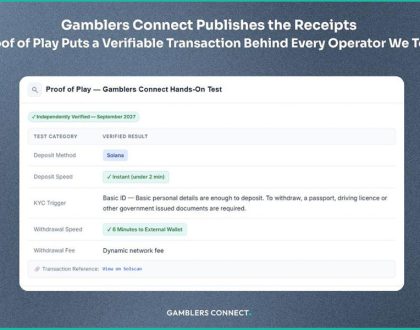
Gamblers Connect launches Proof of Play for transparent operator reviews
September 21, 2026
Targetlocal Ltd faces UK Gambling Commission remote licence suspension
September 21, 2026

Irish Bookmakers Association warns as Ireland considers gambling tax rise
September 21, 2026