Public backlash over Luke Dalli’s new arts position
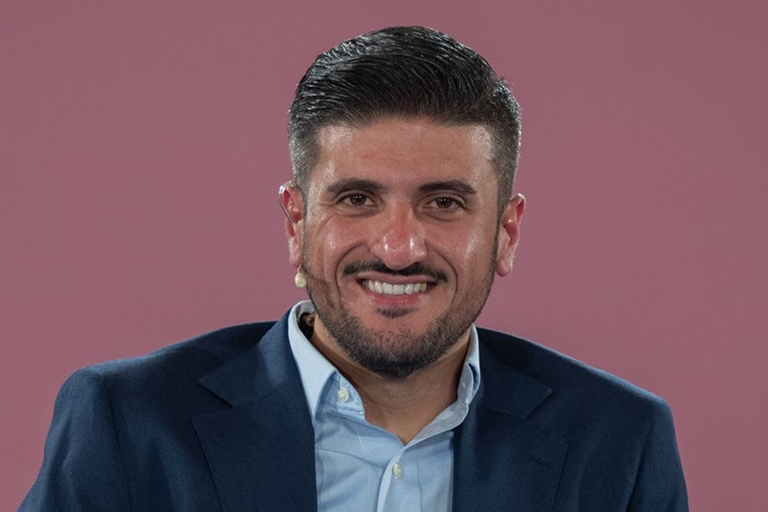
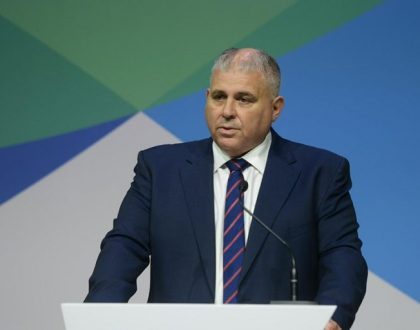
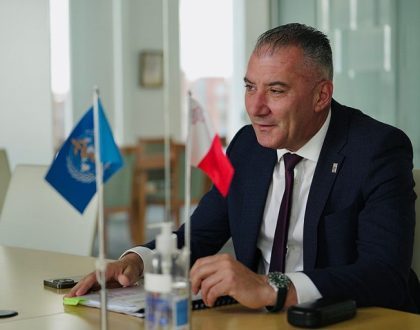
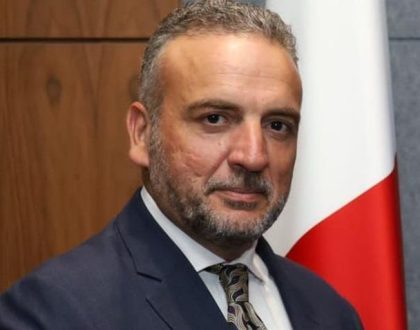
Luke Dalli’s selection as Chairperson of Arts Council Malta has drawn widespread criticism from various figures within the country’s cultural and creative industries. Dalli, the son of former Labour Minister and European Commissioner John Dalli, was appointed to the post directly by Minister Owen Bonnici without any form of public call, interview, or competitive selection process.
The absence of an open, merit-based procedure has led to serious concerns regarding transparency, fairness, and good governance. According to the Malta Entertainment Industry and Arts Association (MEIA), the appointment process not only lacks credibility but also “undermines hope” for cultural professionals across Malta.
Industry association denounces political favoritism
In a statement issued shortly after the announcement, the MEIA expressed disappointment and frustration. “The process diminishes trust and any sense of opportunity for those who have dedicated their full-time careers to cultural management and development,” the association remarked. The MEIA has been an advocate for transparent and independent leadership appointments in Malta’s cultural institutions and sees this decision as a step backward.





















This is not the first time concerns have been raised about politically motivated appointments within the cultural sector. However, the overt nature of this particular case — where there was no public consultation or formal competition — has amplified the criticism.
Dalli's background and prior roles in government
Luke Dalli, now 36, has not held any significant position within the cultural or arts community prior to his recent appointment. Instead, his background lies in media and law. He gained early exposure through ONE TV, the Labour Party’s media outlet, where he co-hosted a programme titled Tana Tnejn with Labour MP Glenn Bedingfield. The program was controversial for its political tone and its disparaging portrayal of journalist Daphne Caruana Galizia, including segments that were widely criticised as misogynistic.
While still a student, Dalli was employed at ONE TV, where he worked under the oversight of Albert Marshall, who at the time served as the Executive Chairperson of Arts Council Malta. Following Labour’s election to power in 2013, Dalli entered government service. Upon receiving his legal warrant in 2014 at the age of 25, he was appointed as a legal officer for the Arts Council on a three-year contract reportedly valued at approximately €30,000 per year — a substantial sum for a newly qualified lawyer.
Transformation of contract and accumulation of roles
When that initial contract neared expiration, rather than being subject to renewal through a competitive process, it was quietly converted into an indefinite contract by Albert Marshall, further cementing Dalli’s long-term presence in the Council.
In 2020, he received an additional role from the Lands Authority, involving just 25 hours per week and bringing in an extra €36,000 annually. Simultaneously, Dalli established a private legal firm, Dalli Paris Advocates, alongside Matthew Paris, Vice President of the Malta Football Association.
Despite growing commitments in his private practice, Dalli continued to ascend within Arts Council Malta. In November 2024, he was promoted to Chief Operations Officer (COO). His public remuneration surged to nearly €60,000 for part-time duties, comprising a performance allowance of €6,499.95, a transport allowance of €4,659, a communication allowance of €1,800, and an unspecified “expense” allowance of €3,000.
Contractual flexibility and private business interests
Perhaps the most contentious clause in Dalli’s COO contract was its flexibility. He was not required to maintain fixed hours at the Arts Council office and was allowed to determine his own schedule in consultation with Albert Marshall, whom he described as a “life mentor.”
Equally concerning was the clause that allowed Dalli to maintain external business interests without needing employer consent. This included his continued work at his law firm and ownership stakes in a number of private companies, including BJD Ltd, P&D Investments Ltd, PLJ Holdings Ltd, Pada Builders Ltd, and PLJ Dalli Ltd — most of which are construction-related businesses. Despite ongoing financial losses reported in these firms' statements, the scale and scope of his engagements raised questions about how he could simultaneously fulfill demanding public duties.
Continued role of Albert Marshall amid transition
Despite stepping down from his executive role, Albert Marshall has not exited the Arts Council. He will continue to serve in a consulting capacity under a newly created post, with Minister Bonnici defending the decision by citing the need to “continue benefiting from [Marshall’s] experience and knowledge of Malta’s cultural and creative ecosystem.”
Critics argue this arrangement serves to entrench existing power structures and hinders institutional renewal. The close relationship between Dalli and Marshall has drawn particular scrutiny in light of Marshall’s direct influence over Dalli’s career progression within the Council.
Wider implications for cultural policy and public trust
The MEIA's reaction went beyond personal criticism and delved into broader implications for governance in Malta’s arts sector. “We reaffirm our longstanding position that key cultural leadership roles should be filled through transparent and independent processes,” the association stated, emphasizing the need for good governance and public confidence.
Many in the industry interpret Dalli’s appointment as a symptom of Malta’s broader political patronage system. They argue that it fosters a culture where appointments are based on loyalty rather than merit, thereby stifling creativity, excluding qualified professionals, and disillusioning younger generations of artists and administrators.
Deterioration of credibility and opportunities
Dalli’s direct appointment has been seen by some as “torpedoing” what little credibility remains in Malta’s Arts Council. It has alienated those who have spent years — if not decades — developing expertise in arts and culture administration. With no opportunity for qualified candidates to apply, it suggests that progression in the sector is not about skill, experience, or dedication, but about political alignment and connections.
This practice reinforces a perceived message from the ruling party: career advancement in public institutions is only available to insiders. The consequences of such a system include demoralisation, brain drain, and a gradual erosion of cultural standards.
Culture Minister Owen Bonnici under fire
Minister Owen Bonnici, who appointed Dalli and extended Marshall’s role, has been at the centre of this controversy. His ministry’s defence of these appointments has done little to reassure the cultural community. While Bonnici has praised the experience of both Dalli and Marshall, he has offered little in the way of explanation regarding the absence of open procedures or public calls.
The MEIA has described the appointment as the result of a “closed political process,” indicative of systemic issues in how leadership roles are assigned. However, in a somewhat contradictory tone, the MEIA concluded its statement by extending congratulations to Dalli — a move that some critics perceived as overly conciliatory, diluting the force of their initial criticism.
Legal and ethical considerations
From a legal standpoint, while the appointment may not have breached specific statutory provisions, the lack of a competitive process raises questions under principles of administrative fairness and accountability. Public appointments in democratic systems are typically expected to be conducted with openness and impartiality to avoid any perception of impropriety or bias.
In Malta’s context, where political affiliations have long played a significant role in public sector appointments, this case further highlights the need for comprehensive public sector reform and greater enforcement of ethical guidelines.
Conclusion
The controversy surrounding Luke Dalli’s appointment as Chairperson of Arts Council Malta serves as a critical moment for Malta’s cultural governance. It has laid bare the need for transparent recruitment processes, stronger oversight, and clear separation between political interests and public administration.
For Malta to foster a vibrant and inclusive cultural sector, its institutions must rebuild trust with stakeholders by ensuring that appointments are merit-based, inclusive, and reflective of the values they purport to uphold. Only then can Malta’s cultural institutions regain credibility and fulfill their mission in service of the public interest.
FAQs
Who is Luke Dalli and what is his new role?
Luke Dalli has been appointed Chairperson of Arts Council Malta. He is a lawyer and the son of former Labour Minister and European Commissioner John Dalli.
Was there a public call for the position of chairperson?
No, the position was filled through a direct appointment by Minister Owen Bonnici without a competitive or transparent selection process.
Why has the Malta Entertainment Industry and Arts Association criticized the appointment?
The MEIA criticized the lack of transparency, stating it undermines opportunities for professionals who have dedicated their careers to the arts.
What is Luke Dalli's background in arts or culture?
Dalli has no significant background in cultural administration. His career has focused on law and work with Labour-affiliated media and institutions.
Did Luke Dalli receive other public contracts before this appointment?
Yes, he previously held roles with the Arts Council and the Lands Authority and received compensation for part-time work alongside his private legal practice.
What companies is Luke Dalli associated with?
He has interests in multiple companies, including construction firms, and co-founded the law firm Dalli Paris Advocates.
Was Albert Marshall involved in Dalli’s career progression?
Yes, Marshall was instrumental in hiring and promoting Dalli within the Arts Council and remains involved as a consultant after stepping down as chair.
What was the public reaction to this appointment?
There has been widespread criticism from arts professionals and governance advocates, citing cronyism and undermining of institutional credibility.
Are such direct appointments legal in Malta?
While not necessarily illegal, such appointments raise concerns under principles of good governance and accountability in public service.
What are the long-term implications for Malta’s cultural sector?
Appointments perceived as politically motivated risk demoralizing cultural professionals, reducing public trust, and weakening institutional integrity.

Anna Amstill
I am an avid Blogger and Writer with more than 6 years of experience with Content Writing. An Online Marketing expert specializing in Blog writing, Article writing, Website content, SEO specific Keyword content and much more. Education B.A. - business management, York University, Canada, Graduated 2016.